How Do You Sell a Stockton Home With an Unpermitted ADU or Garage Conversion?
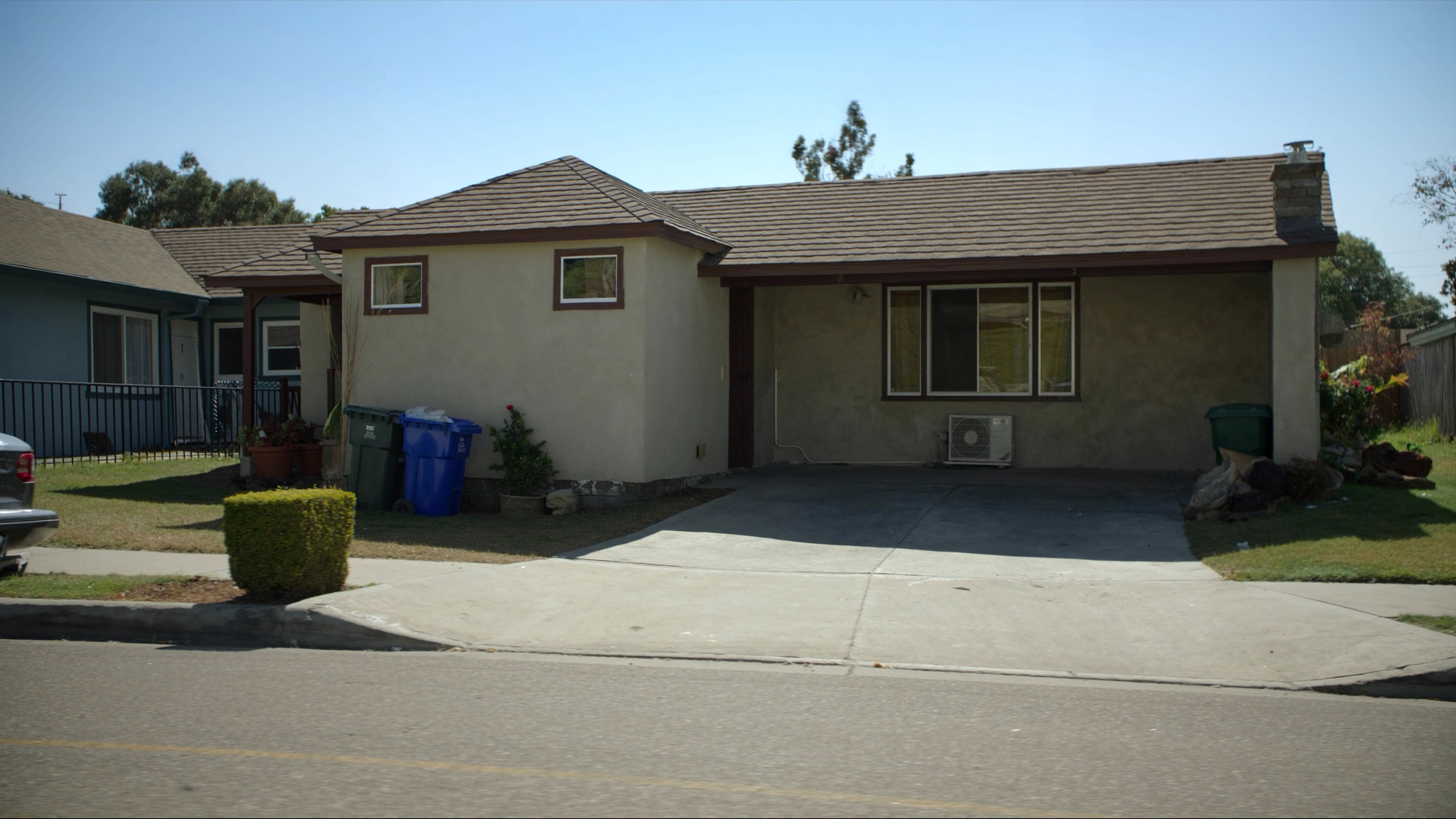
If your Stockton home has an unpermitted ADU or a converted garage, you can still sell it. You disclose it accurately, you stop marketing it as permitted living space, and you let the right buyer decide what it is worth to them. Stockton REALTOR® Jeremiah Patterson helps sellers document what is actually there, verify the permit history, and market the home honestly.
The fear is usually one of two things. Either you are afraid the city will find out and make you tear it down, or you are afraid you will lose value you spent real money creating. Both are worth taking seriously, and neither is usually as bad as the version running in your head at two in the morning.
Here is how these sales actually get handled.
TL;DR: Selling a home with unpermitted improvements is legal in California as long as you disclose. What you cannot do is describe unpermitted space as permitted, advertise the square footage as if it counts, or stay quiet about work you know was never inspected. Pull the permit history from the City of Stockton or San Joaquin County first, disclose in writing, decide whether legalizing is worth it in your situation, and market the space for what it genuinely offers. Talk to a real estate attorney before you assume anything about your exposure, because this is not legal advice.
Can you legally sell a Stockton home with unpermitted work?
Generally yes. California does not prohibit selling a home with improvements that were never permitted. What the law focuses on is disclosure: sellers have broad obligations to disclose material facts affecting the value or desirability of the property, and an unpermitted conversion is squarely in that territory.
So the sale is not the problem. Silence is. Sellers get into trouble when the listing advertises a four bedroom home where the fourth bedroom is an unpermitted garage conversion, or when the disclosure package is quiet about a structure everyone can plainly see in the back yard.
Your exposure depends on facts specific to your property, your jurisdiction, and the nature of the work. Nothing here is legal advice. Talk to a real estate attorney for a read on your actual risk.
How do you find out whether the work was permitted?
Start with the record, not with memory. Plenty of sellers inherit a property, or bought it with the conversion already there, and genuinely do not know.
If the property is inside city limits, the City of Stockton building department maintains permit records. If it is unincorporated, that is San Joaquin County. Request the permit history for the address. You are looking for whether permits were pulled and, just as importantly, whether they were ever finaled. A permit issued and never inspected to completion is its own category of problem.
Compare that record against what the assessor shows for square footage and bedroom count, and against what is physically standing on the lot today. Where those three disagree, you have found your issue. While you are at it, pull everything else you have: contractor invoices, plans, receipts, prior reports.
What exactly do you have to disclose?
Write down what you know and what you do not know, and be precise about the difference.
California sellers of most residential property complete a Transfer Disclosure Statement, and in San Joaquin County the Seller Property Questionnaire is standard too. The SPQ asks directly about improvements and repairs made without required permits. What the SPQ disclosure is and how it works in San Joaquin County explains the form, and what you should disclose when selling a Stockton home covers the broader picture.
A few practical rules keep sellers out of trouble:
Say what you know, not what you assume. "The garage was converted before I purchased the home, and the permit history I obtained shows no permit for it." That is a clean disclosure. So is "I do not know."
Do not editorialize about legality. You do not decide whether the work meets code. Report the facts and let the buyer investigate.
Attach the documentation. The permit history, the invoices, the plans. Give the buyer the same file you have.
Disclose early, not late. A buyer who learns about the conversion in week three renegotiates. A buyer who knew before writing already priced it in.
If you are unsure how far your obligation reaches, that is an attorney question.
Does an unpermitted ADU add value or subtract it?
Both, depending on the buyer, and that is why marketing matters so much here.
Unpermitted space usually cannot be counted the way permitted space is. Appraisers generally do not include it in gross living area, and the MLS should not advertise it as permitted bedrooms or bathrooms. On paper, a 1,400 square foot home with a 400 square foot converted garage is frequently still a 1,400 square foot home.
But buyers do not live on paper. A converted garage that works as a home office, a teen suite, or a space for an aging parent has genuine utility, and some buyers pay for utility whether or not the county recognizes it. Others will not touch it. That is a narrower buyer pool, not an absence of one, and narrow pools are exactly where passive listing fails and targeted marketing wins.
How does unpermitted space affect the appraisal and the buyer's loan?
This is where deals actually die, so get ahead of it.
Appraisers are generally expected to note unpermitted additions and handle them carefully. Some give contributory value if comparable sales in the area include similar unpermitted space and the work appears sound. Some assign no value at all.
Lenders vary too. Guidelines change and every lender overlays its own rules. Some will lend without concern, some will require the space be returned to its original use before funding, and some will decline the file.
Find out early rather than at day forty. Ask the buyer's loan officer, in writing, whether the file has been underwritten with knowledge of the unpermitted space. And when comparing offers, a buyer paying cash or putting a large amount down is far less exposed to this risk. Since financing is the main threat to your timeline, review how long it really takes to close on a Stockton home sale and build in room.
Should you legalize it before you list?
Sometimes. Not usually. It depends on four things, and you cannot answer it from a blog post.
How far out of compliance is the work? A conversion done to a decent standard with proper egress is a different project than one with no permitted electrical and questionable framing.
What does the jurisdiction require and allow? California has spent years expanding ADU law and creating pathways for legalizing certain unpermitted units, and local implementation varies. The City of Stockton or San Joaquin County building department is where you find out what applies to your address.
What will it cost and how long will it take? Get real quotes and a real timeline from the jurisdiction and a licensed contractor. Permitting can run long, and a seller who needs to move in ninety days may not have the runway.
What does it actually unlock? Legalizing matters most when it converts unrecognized space into countable square footage or opens the property to a larger financing pool. If it does neither, it may not pencil.
There is a middle path many sellers miss: get a scope of work from a licensed contractor, then sell with that documentation in hand. The next buyer sees a defined path and a real number instead of an unknown, and unknowns get discounted much harder than known costs.
How do you market a home with an unpermitted conversion?
Carefully, honestly, and to the right people.
Never advertise it as permitted living space. Do not add the square footage to the MLS and do not count the converted garage as a bedroom. That is the fastest way to create a legal problem for yourself.
Do describe the function. "Bonus space," "flex room," "converted garage, not permitted, buyer to verify" tells the buyer what it is without misrepresenting it.
Photograph it well. The space still sells the lifestyle, and a well shot home office or guest room communicates utility that a paragraph cannot. Professional photography versus phone photos and the listing math applies with extra force here, because you are selling a use case, not a number.
Target the buyers who want it. This is the leverage. Multigenerational households, buyers who work from home, buyers who need a place for a parent or an adult child, buyers with cash or heavy down payments who are not exposed to lender squeamishness. Those people exist in the Stockton market in real numbers and they will not stumble into your listing on their own. Targeted digital buyer outreach for Stockton sellers is how you reach them deliberately.
That is the Master Listing Strategy applied to a narrow pool: instead of dropping the price until anybody bites, go find the buyers for whom the space is a feature. Marketing creates demand. Price alone does not, and a price cut here mostly attracts buyers who were never going to value the space anyway.
Step by step: taking an unpermitted ADU or conversion to market
- Pull the permit history from the City of Stockton or San Joaquin County, and note anything issued but never finaled.
- Compare permits, assessor records, and what is physically there, and write down every discrepancy.
- Gather every document you have: invoices, plans, receipts, prior reports.
- Ask the building department what pathways exist for your situation before you decide anything.
- Get a licensed contractor to scope the legalization work with a written estimate. Even if you never do it, the number is valuable.
- Talk to a real estate attorney if there is any question about your obligations or exposure.
- Complete your disclosures fully and early, attaching the permit history and documentation.
- Set the MLS data correctly: permitted square footage only, accurate bed and bath count, plain language about the unpermitted space.
- Build the targeted campaign around multigenerational, work from home, and cash buyers before launch.
- Vet financing hard on every offer, including a direct conversation with the loan officer.
Common Mistakes to Avoid
Listing the unpermitted space as permitted square footage. The single most damaging thing you can do here. It converts a disclosable condition into a misrepresentation problem.
Assuming nobody will notice. Appraisers compare to county records, buyers pull permit history, and inspectors comment on electrical and egress. It gets noticed.
Guessing at legalization costs. Permitting, plans, and corrective construction vary enormously. Get written quotes for your address and do not treat any single estimate as the cost.
Waiting until escrow to disclose. A buyer who finds out late renegotiates or leaves.
Accepting an offer without checking how the lender views the space. A file that dies at underwriting in week five costs you a month and a back on market flag.
Discounting the price instead of finding the right buyer. Cutting the number does not attract the multigenerational buyer who wants the space. Targeted marketing does.
Telling the buyer the work is fine because it looks fine. You are not the code official. Report what you know and let them investigate.
What This Looks Like in Real Life
A seller has a Stockton home where the garage was converted into a studio with a bathroom before they bought it. They pull the permit history, which shows no permit, and gather what documents came with the house. A licensed contractor provides a written scope for what legalization would likely involve. The timeline does not work for their move, so they list without legalizing, disclose fully with the permit history attached, keep the MLS square footage at the permitted number, and describe the space plainly as an unpermitted converted garage with buyer to verify. The marketing targets multigenerational buyers and buyers who need dedicated work from home space. The offers come from people who wanted exactly that, and escrow becomes a conversation about a known scope rather than a surprise.
A second scenario: a seller with a detached back yard structure learns from the permit history that a permit was actually pulled years ago but never finaled. That is a very different problem than no permit at all, and often a more solvable one. Knowing which situation you are in is why you pull the records before you list.
Neither predicts your outcome. But the sequence is consistent: find out, document, disclose, then market to the people who want it.
Frequently Asked Questions
Can I sell a house in California with unpermitted work?
Generally yes. There is no prohibition on selling a home with unpermitted improvements, but California sellers have broad disclosure obligations and unpermitted work is typically a material fact. Confirm the specifics with a real estate attorney rather than relying on general information.
Will an appraiser count my converted garage as square footage?
Often not. Appraisers generally exclude unpermitted space from gross living area, though some assign contributory value if comparable sales support it. Do not build your price expectation around it.
Should I legalize the ADU before selling?
Only if the cost and timeline pencil against what it unlocks. Ask the City of Stockton or San Joaquin County building department what pathway applies, get a written contractor scope, and compare. Sometimes documenting the path is enough.
Can the city make a buyer tear it out?
Code enforcement outcomes depend on the jurisdiction, the nature of the work, and how the matter comes to their attention. That is a question for the building department and an attorney. What you control is disclosing accurately.
Will lenders finance a home with an unpermitted conversion?
Some will, some will not, and some require the space be restored to its original use. It depends on the lender, the loan program, and the appraisal. Ask the buyer's loan officer directly, in writing, early in escrow.
Does an unpermitted ADU hurt my price?
It narrows the buyer pool more than it reduces the value to the buyers who want it. That is why marketing matters here. Whether to sell a Stockton home as is or make repairs first covers the related judgment call on doing work before listing.
Ready to sell your Stockton home with an unpermitted ADU or conversion?
Documentation first, marketing second, honesty throughout. Three steps:
- Pull the permit history from the City of Stockton or San Joaquin County so you know what you have.
- Get a realistic value read on the property as it stands. Start with a free home evaluation.
- Build a campaign aimed at multigenerational and work from home buyers before the listing goes live. Get in touch and we will walk the property and put a plan together.
Jeremiah Patterson is a REALTOR® and Vice President at Cornerstone Real Estate Group (CA DRE #02017640), with 220+ closed transactions and more than $87 million in San Joaquin County sales since 2016. His listings sell in a median of 13 days, with 55% under contract within 14 days, and he holds a 5.0 rating across 180 verified reviews (RateMyAgent 72, Realtor.com 61, Google 32, Yelp 15). He's a Move-Up Specialist and works with out-of-state, remote, and inherited/estate sellers as well as first-time buyers across Lodi, Stockton, Woodbridge, Acampo, Galt, and San Joaquin County. He was named RateMyAgent County Top 5 for San Joaquin County five consecutive years (2022-2026) and is a Lifetime Member of the Lodi Association of REALTORS® Masters Club. Reach him at (209) 329-7238 or jeremiah@sellingsanjoaquin.com.
Before you list, read what you should disclose when selling a Stockton home and what the SPQ disclosure is in San Joaquin County, since those forms carry most of this conversation. Then read targeted digital buyer outreach for Stockton sellers, because finding the right buyer is the whole game on a listing like this.
Jeremiah Patterson
Cornerstone Real Estate Group
224 W Pine St, Lodi, CA 95240
Phone (209) 329-7238
Email jeremiah@sellingsanjoaquin.com
CA DRE #02017640 · Brokerage DRE #01037761
Practicing since 2016
Categories
Recent Posts








GET MORE INFORMATION