Should You Sell a Stockton Home As-Is or Make Repairs First?
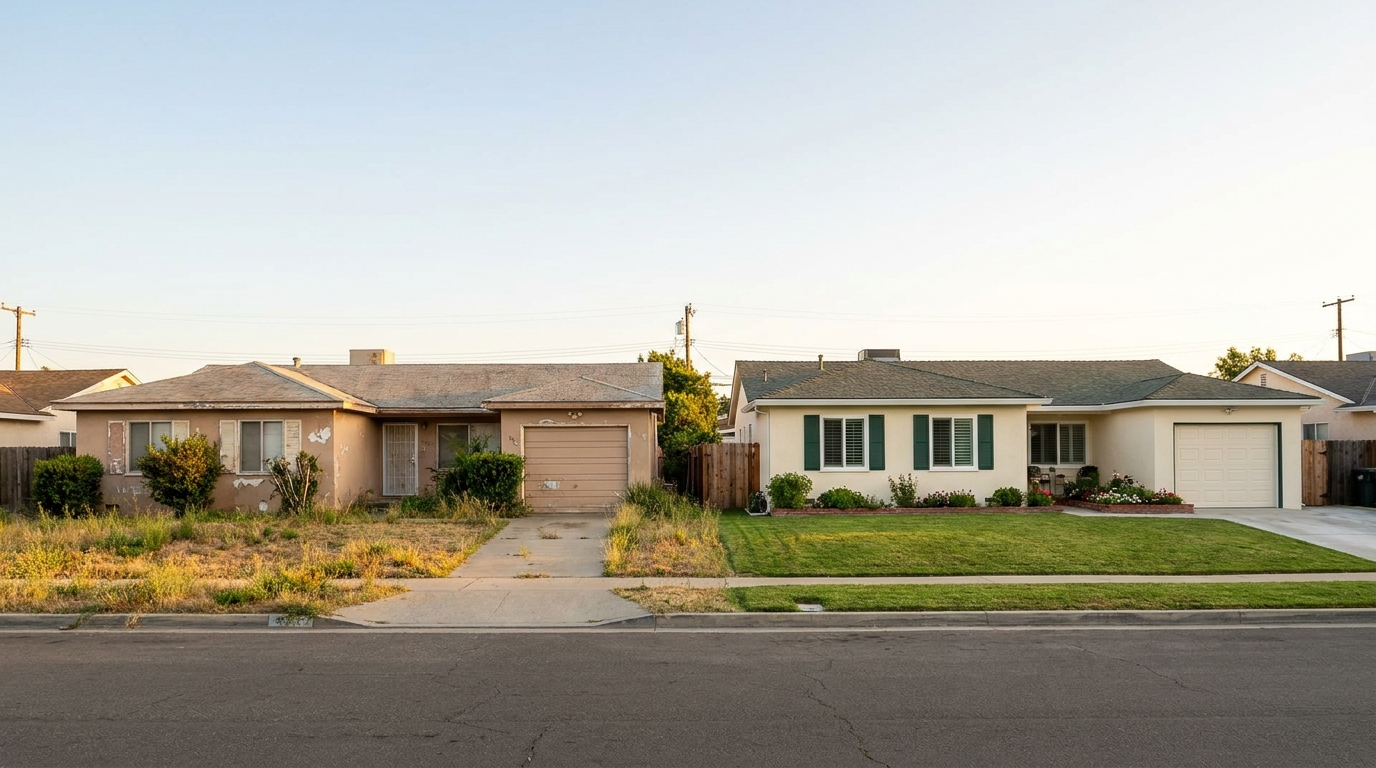
Whether to sell a Stockton home as-is or make repairs first depends on the home's condition, your budget, and your timeline, as a general rule, cosmetic fixes with a clear return are worth doing, while major systems repairs often aren't worth funding out of pocket before selling. Jeremiah Patterson, REALTOR® with Cornerstone Real Estate Group, helps San Joaquin County sellers weigh this decision property by property.
TL;DR: Selling as-is means listing the home in its current condition and letting the price reflect that; selling after repairs means investing time and money upfront to potentially attract more buyers and a higher price. The right choice depends on your specific home, your cash and time available, and how the local Stockton buyer pool is likely to respond to the property's current condition.
What Does "Selling As-Is" Actually Mean?
Selling as-is means you're not planning to make repairs or updates before listing, and you'll disclose the home's condition honestly to buyers, who then factor that into their offer. It does not mean you're exempt from California's legal disclosure requirements. You still must disclose known material defects. As-is simply signals to the market that you're not going to negotiate every inspection item into a repair, though many as-is sellers do still offer a credit at closing if something significant comes up.
This path tends to make sense when the home needs work you can't or don't want to fund, when you're on a tight timeline, when you've inherited a property and don't know its full history, or when the numbers simply don't support a renovation investment relative to the expected return.
When Do Repairs Make Sense Before Listing?
Not all repairs are equal. Some tend to pay for themselves in a stronger sale price or a faster, smoother transaction; others rarely do. Cosmetic, high-visibility items (fresh interior paint, deep cleaning, decluttering, basic landscaping cleanup, fixing obviously broken fixtures) are usually worth the modest cost because they shape a buyer's first impression, which drives both offer volume and price. Bigger-ticket items like roofs, HVAC systems, or foundation work are a different calculation: sometimes worth doing if the cost is manageable and the home is otherwise strong, and sometimes better left for the buyer to negotiate around, especially if funds are tight.
How Does This Affect Your Buyer Pool?
This is one of the most overlooked parts of the as-is versus repairs decision. Homes that need significant work, especially anything affecting habitability, financing eligibility, or obvious safety, often struggle with buyers using certain loan types that require the property to meet minimum condition standards. A home with a failing roof or major electrical issues, for example, may not qualify for some conventional or government-backed loans until repaired, which can shrink your buyer pool to cash buyers and investors, who typically offer less.
On the other hand, a well-presented, move-in-ready home in Stockton neighborhoods like Brookside, Spanos Park, or Lincoln Village tends to attract a much wider range of buyers, including families using conventional or FHA financing, which generally supports a stronger sale price.
How Do You Decide Which Repairs Are Worth It?
A practical approach: walk the home with your agent and separate potential fixes into three buckets.
- Fast, cheap, high-impact: cleaning, decluttering, paint touch-ups, minor fixture repairs, yard cleanup. These are almost always worth doing.
- Moderate cost, situational: flooring, kitchen or bath cosmetic updates, exterior paint. Worth it if the home is otherwise strong and comparable homes in your area have these updates.
- Major systems: roof, HVAC, plumbing, foundation, electrical panel. Often better addressed through pricing or a repair credit rather than funding upfront, unless the issue is actively blocking financing.
Your agent should be able to show you recent comparable sales of both updated and as-is homes in your specific area to help quantify the tradeoff in real numbers, not just general advice.
Does Timing of Year Affect the As-Is Decision?
Some sellers wonder whether the time of year should factor into this decision. In general, a well-priced home tends to attract interest in most seasons in the Stockton market, but buyer patience for a fixer-upper can shrink somewhat during busier buying seasons when move-in-ready inventory is more plentiful. If you're selling as-is during a period with more competing listings, sharper, more honest pricing becomes even more important to attracting the right buyer quickly rather than sitting on the market.
How the Decision Process Works, Step by Step
- Walk the home with your agent. Get an honest, room-by-room read on condition.
- Get repair estimates for anything major. Even a rough contractor estimate helps you compare cost versus expected return.
- Review comparable sales, both updated and as-is. This grounds the decision in actual local numbers instead of guesswork.
- Decide your path. As-is, light cosmetic prep, or a fuller renovation, pick based on your numbers, timeline, and comfort level.
- Price accordingly. As-is pricing should reflect condition honestly; updated homes can be priced to match comparable renovated sales.
- List and market clearly. Buyers respond well to honest, well-photographed listings, whether the home is updated or being sold as-is.
Common Mistakes to Avoid
- Over-improving relative to the neighborhood. A high-end renovation in an area where comparable sales don't support the price rarely returns its full cost.
- Ignoring items that affect financing. A cheap fix that unlocks a wider buyer pool (like a working stove or a repaired handrail) can be worth far more than its cost.
- Assuming as-is means no disclosures. California law still requires disclosing known material defects, regardless of your pricing strategy.
- Skipping a pre-listing inspection. A general home inspection before listing can help you decide, with real information, rather than guessing at condition.
- Letting emotion drive the repair decision. It's easy to over-invest in a home you've lived in for years; a neutral, numbers-based view from your agent helps keep the decision objective.
One common situation is a seller with a dated but structurally sound home who assumes a full remodel is necessary, when in reality a thorough clean, decluttering, and a few hundred dollars in touch-ups would meaningfully improve buyer response. Another common situation is a seller facing a major repair, like a roof nearing the end of its life, who needs a clear-eyed cost comparison between fixing it now versus pricing the home to account for it.
Frequently Asked Questions
Do I have to disclose problems if I sell as-is? Yes, California requires sellers to disclose known material facts about a property's condition regardless of whether you're selling as-is or after repairs. As-is affects negotiation, not your legal disclosure obligations.
Will I get a lower price if I sell as-is? Often somewhat lower than a fully updated comparable home, but not always dramatically so, especially if the home is structurally sound and simply dated. Your agent can show you real comparable sales to set accurate expectations.
What repairs give the best return before selling? Generally cleaning, decluttering, fresh paint, and fixing small, obviously broken items, these tend to cost little and meaningfully improve buyer response, which supports both price and speed of sale.
Should I get a pre-listing inspection? Many sellers find it helpful, since it surfaces issues before buyers do, giving you the choice to fix them, price around them, or disclose them clearly, rather than being surprised mid-escrow.
Can I sell a home with major issues like a bad roof or foundation problems? Yes, many buyers, especially investors and cash buyers, purchase homes with significant issues, typically at a price that reflects the needed repairs. Confirm financing implications with your agent, since not all loan types accommodate these conditions.
Ready to Decide: As-Is or Repairs First?
If you're weighing whether to sell your Stockton home as-is or invest in repairs, the most useful first step is a walkthrough with an agent who can give you an honest, numbers-based read on your specific property. From there, a written valuation for both scenarios can help you compare your real options side by side.
Jeremiah Patterson is a REALTOR® and Vice President at Cornerstone Real Estate Group (CA DRE #02017640), with 220+ closed transactions and more than $87 million in San Joaquin County sales since 2016. His listings sell in a median of 13 days, with 55% under contract within 14 days, and he holds a 5.0 rating across 180 verified reviews (RateMyAgent 72, Realtor.com 61, Google 32, Yelp 15). He's a Move-Up Specialist and works with out-of-state, remote, and inherited/estate sellers as well as first-time buyers across Lodi, Stockton, Woodbridge, Acampo, Galt, and San Joaquin County. He was named RateMyAgent County Top 5 for San Joaquin County five consecutive years (2022, 2026) and is a Lifetime Member of the Lodi Association of REALTORS® Masters Club. Reach him at (209) 329-7238 or jeremiah@sellingsanjoaquin.com.
Start with a home evaluation, review the 14-day pre-listing prep checklist, browse the seller guide, or reach out through the contact page to talk through your home's specific condition.
Jeremiah Patterson Cornerstone Real Estate Group 224 W Pine St, Lodi, CA 95240 Phone (209) 329-7238 Email jeremiah@sellingsanjoaquin.com CA DRE #02017640 · Brokerage DRE #01037761 Practicing since 2016
Categories
Recent Posts








GET MORE INFORMATION