How Does a Buyer Get a Mortgage on a Woodbridge Home with Acreage and a Barn?
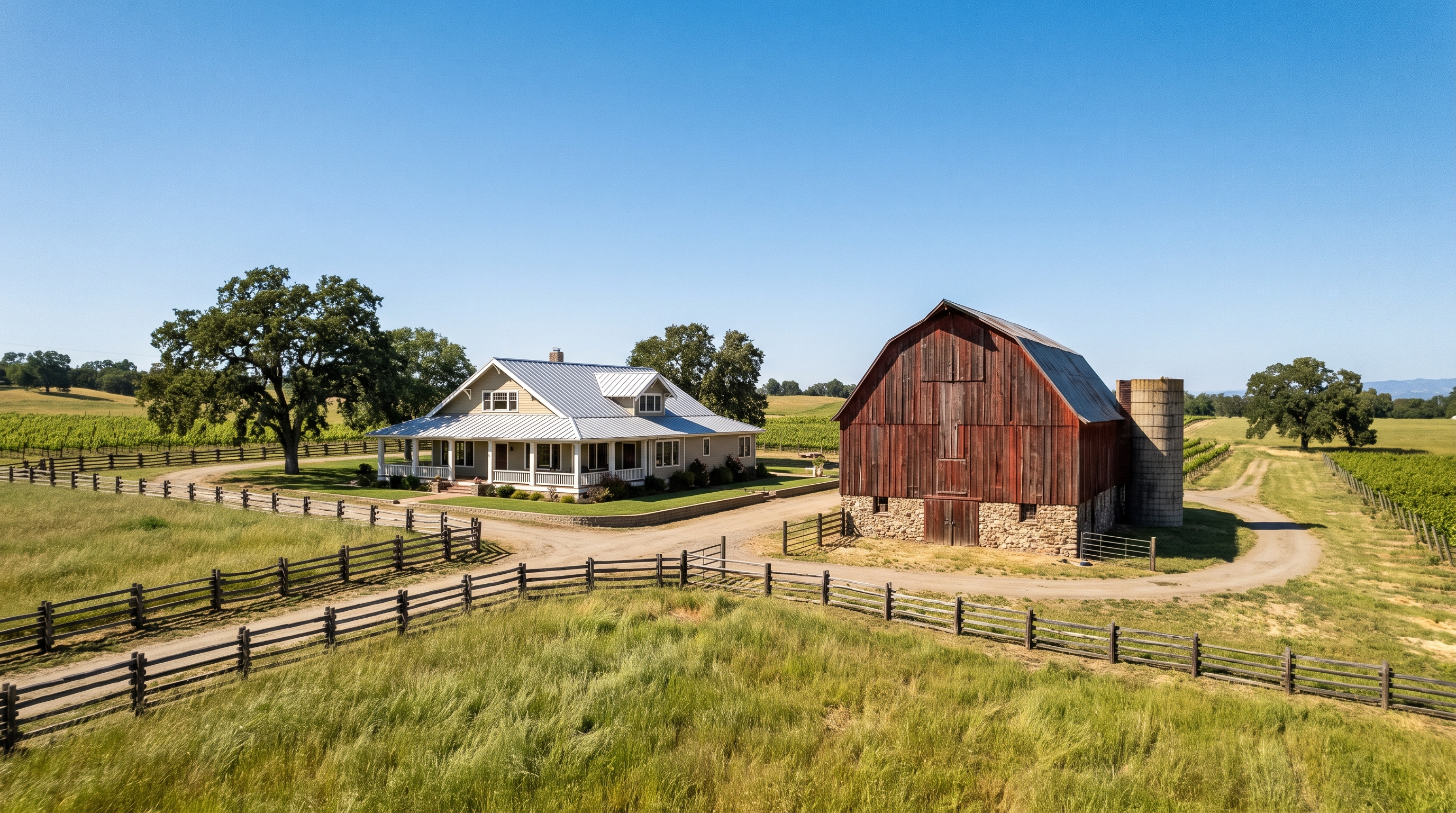
To finance a Woodbridge home with acreage and a barn, Jeremiah Patterson tells buyers the key is matching the right loan to the property and using a lender who understands rural and semi-rural homes: a standard conventional loan often works if the land and outbuildings are residential in nature, but larger parcels, working structures, or income use can require a different loan and a specialized appraisal. Start with a lender experienced in acreage before you fall in love with a property.
TL;DR: Getting a mortgage on a Woodbridge property with acreage and a barn usually starts with a conventional loan when the home is the main value and the outbuildings are for personal use. Larger parcels, agricultural zoning, working barns, or income-producing land can push you toward USDA, portfolio, or farm loans, and appraisals get more complex because outbuildings and excess acreage may not add full lendable value. Use a rural-savvy lender, confirm well and septic requirements early, and verify everything for the specific parcel.
If you are buying a semi-rural Woodbridge home, your worry is probably that financing will be harder than for a tract house. It can be, but with the right lender it is very manageable. Let's walk through it.
Why is financing acreage different?
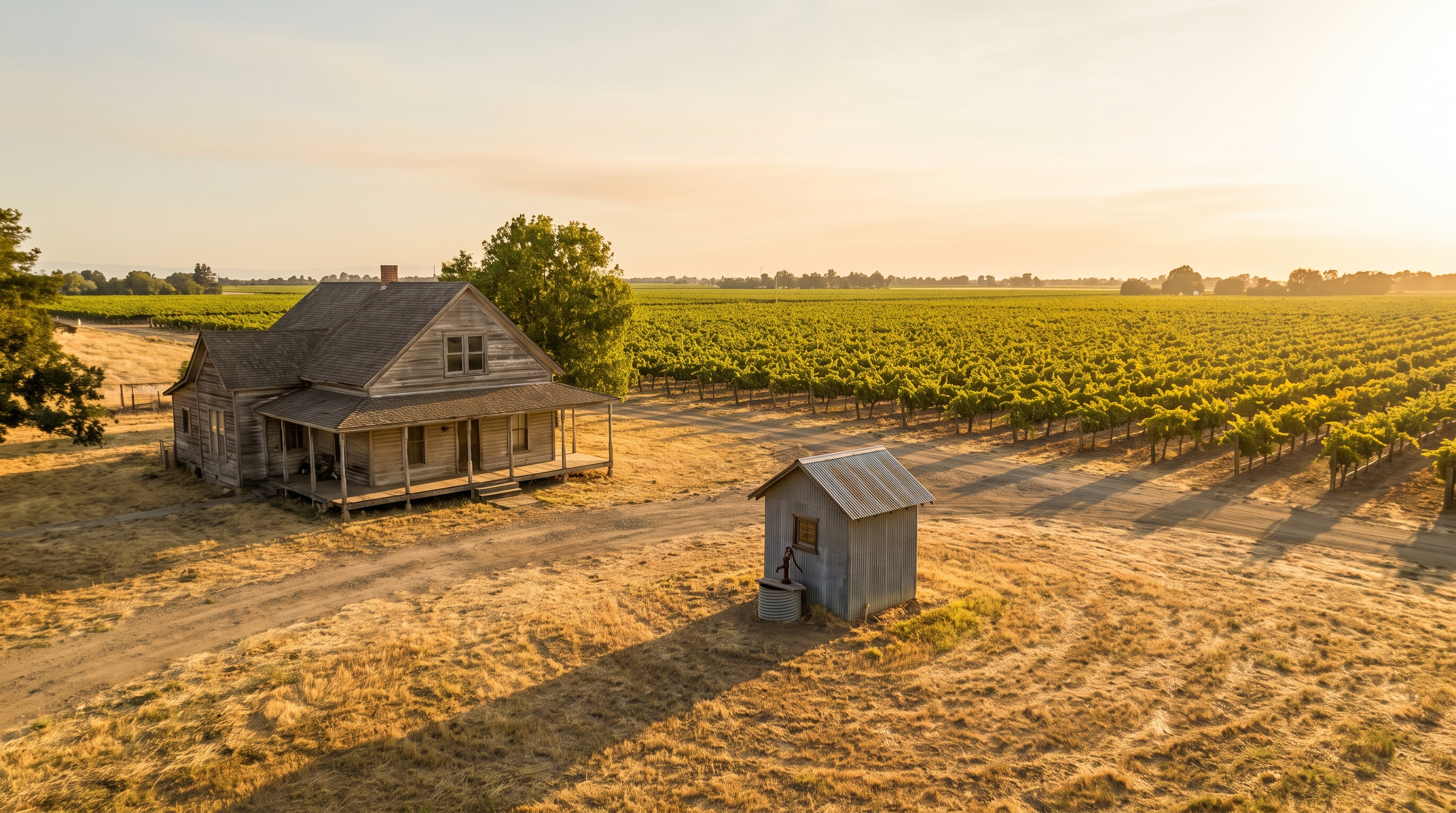
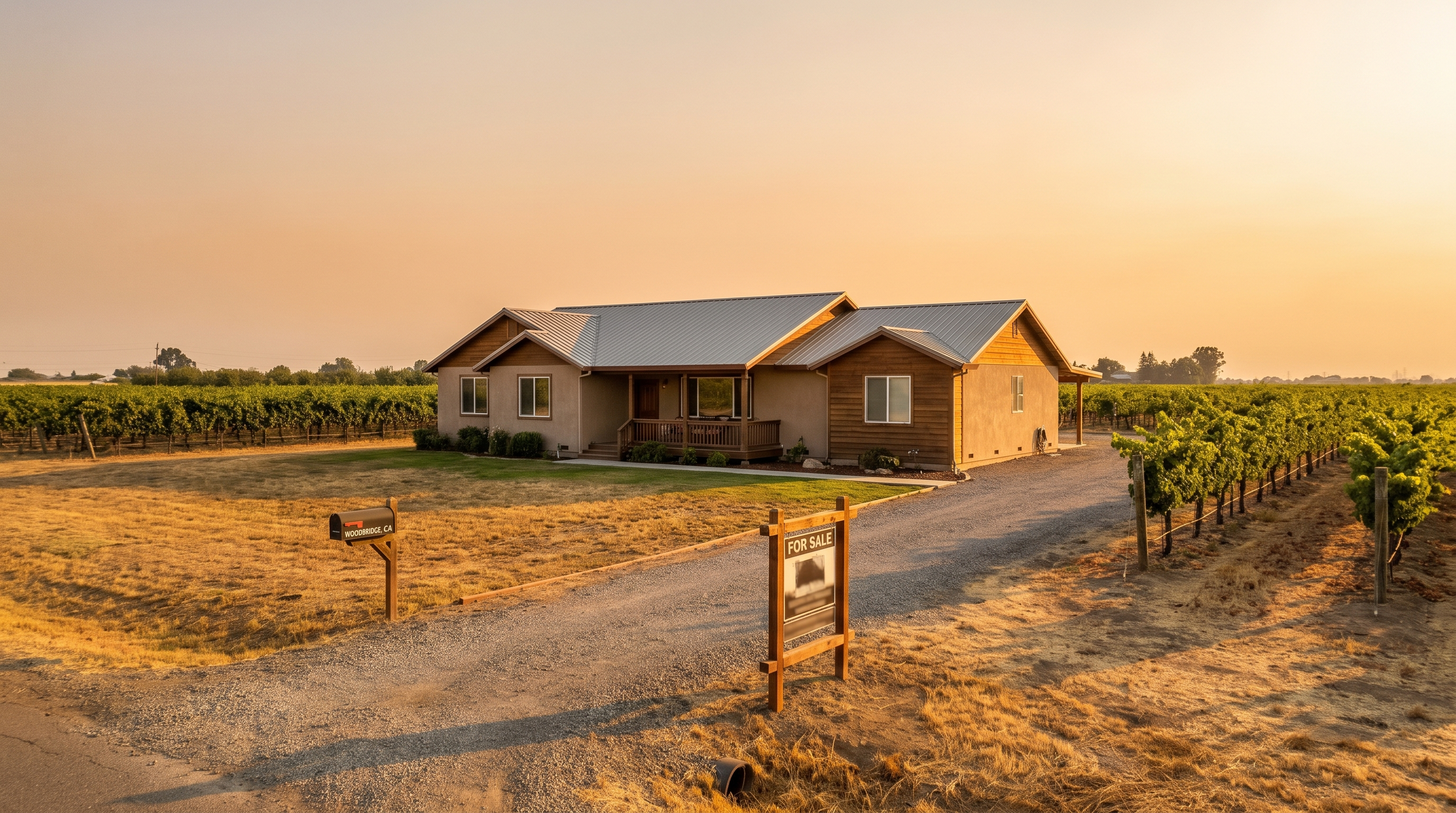
A lender is buying into the risk of the property, and rural homes carry features that standard underwriting handles differently. A home on a quarter acre in a subdivision is straightforward. A home on several acres with a barn, a shop, or a well and septic system has more moving parts: the appraiser has to value the land and structures, the lender has to decide how much of the acreage counts toward the loan, and utilities like a private well affect the file. Woodbridge sits along the Lower Sacramento Road corridor near the Mokelumne River and Highway 12, and many properties here are exactly this semi-rural type. If you want a feel for the area first, our guide on what it is actually like to live in Woodbridge is a good starting point.
What loan types should you consider?
The right loan depends on the parcel, the buildings, and how you will use the land:
- Conventional loan. Often works well when the home is the primary value and the acreage and barn are for personal use, not commercial farming. This is the most common path for residential Woodbridge acreage.
- USDA loan. In eligible rural areas, USDA financing can offer low or no down payment for qualified buyers, though property and income limits apply. Ask your lender whether the specific address qualifies.
- Portfolio or specialty loans. For larger parcels, unusual outbuildings, or homes that do not fit standard guidelines, a portfolio lender who keeps the loan in-house can be more flexible.
- Farm or ag loans. If the land is a working operation, such as a producing vineyard or active agricultural use, a farm-oriented lender may be the right fit rather than a residential mortgage.
Because the financing overlaps closely with what buyers face in nearby rural areas, our guide on what an Acampo buyer should know about financing a home with acreage and a well is a useful companion read.
How does the appraisal work on a property with a barn?
This is where acreage buyers get surprised. Appraisers value the home, the site, and improvements, but they may not give full dollar-for-dollar credit for a large barn, excess acreage beyond what is typical for the area, or specialty outbuildings, because those features can be harder to support with comparable sales. In a thin market like Woodbridge, comparable acreage sales can be scarce, which makes the appraisal more of an art. If the appraisal comes in below the purchase price, you may need to cover a gap, renegotiate, or adjust. Line up a lender and appraiser familiar with local rural properties so the value is assessed fairly.
What about the well, septic, and insurance?
Rural utilities are part of the loan file, not an afterthought. Many lenders require well water testing and a septic inspection or certification before closing, and some loan types have specific standards for well distance, flow, and potability. Budget time for these. You will also want homeowners insurance that covers the outbuildings, and rural properties can take longer to insure, so shop early. Our guide on rural and semi-rural properties in Woodbridge, wells, septic, and acreage covers what to check, and you should confirm each requirement with your lender and the relevant professionals for the specific home.
How do you set yourself up to succeed?
Preparation makes rural financing smooth:
- Start with a rural-savvy lender. Get pre-approved with someone who regularly finances acreage in San Joaquin County. Their experience prevents last-minute surprises.
- Confirm zoning and use. Whether the parcel is zoned residential, agricultural, or mixed affects your loan options. Verify it before you write an offer.
- Plan for well and septic timelines. Schedule testing and inspections early so they do not delay closing.
- Know your down payment. Some acreage and specialty loans require more down than a standard purchase. Ask up front.
If you are choosing between corridors, our guide on living along Lower Sacramento Road in Woodbridge helps you picture the setting for many of these properties.
Common mistakes to avoid
- Using a lender who does not know acreage. Standard-only lenders can stumble on rural files. Choose one with rural experience.
- Assuming the barn adds full value. Appraisers may not credit outbuildings or excess acreage dollar for dollar. Understand this before you offer.
- Ignoring well and septic requirements. Loan approval can hinge on them. Schedule testing early.
- Overlooking zoning. Agricultural or mixed zoning changes your loan options. Confirm it before writing an offer.
- Leaving insurance to the last minute. Rural coverage takes longer to place. Shop early so it does not delay closing.
A quick real-world scenario
Picture a buyer relocating for space who finds a Woodbridge home on three acres with a barn near the Mokelumne River. They start with a lender experienced in rural financing, confirm the parcel is zoned residential, and learn a conventional loan will work because the barn is for personal use. They schedule well testing and a septic inspection early, shop insurance in week one, and when the appraisal treats the acreage fairly, they close on time.
Now picture a buyer who used a standard-only lender, assumed the barn added full value, and left well testing to the end. The appraisal did not support the price, the well test came back late, and the closing slipped while everyone scrambled. Same property, very different experience, decided by lender choice and early preparation.
Frequently asked questions
Can you use a conventional loan for a Woodbridge home with acreage and a barn? Often yes, when the home is the primary value and the acreage and barn are for personal use rather than commercial farming. Larger parcels, working structures, or income-producing land can require USDA, portfolio, or farm loans instead. Confirm with a rural-experienced lender.
Why is the appraisal harder on acreage properties? Appraisers may not give full value for a large barn, excess acreage, or specialty outbuildings because comparable sales are limited, especially in a thin market like Woodbridge. If the appraisal comes in low, you may need to cover a gap, renegotiate, or adjust.
Do lenders require well and septic testing? Many do. Loan approval can depend on well water testing and a septic inspection or certification, and some loan types set standards for well flow and potability. Schedule these early so they do not delay closing, and confirm requirements with your lender.
Does zoning affect my financing? Yes. Whether the parcel is residential, agricultural, or mixed zoning affects which loans are available and how the property is underwritten. Verify the zoning and permitted use before you write an offer.
How much down payment do I need for an acreage home? It varies by loan type. Some conventional and specialty acreage loans require a larger down payment than a standard purchase, while USDA can be low or no down for eligible buyers and areas. Ask your lender up front for the specific property.
Ready to finance a Woodbridge acreage home the right way?
Rural financing is very doable with the right team and early preparation. Start here:
- Get pre-approved with a lender who regularly finances acreage in San Joaquin County.
- Confirm the parcel's zoning and use, and schedule well and septic testing early.
- Shop homeowners insurance that covers the outbuildings before you are up against the closing date.
Jeremiah Patterson is a real estate agent in Lodi and Stockton, California (San Joaquin County) helping buyers finance and close on semi-rural and acreage homes in Woodbridge and beyond.
Jeremiah Patterson is a REALTOR and Vice President at Cornerstone Real Estate Group (CA DRE #02017640), with 220+ closed transactions and more than $87 million in San Joaquin County sales since 2016. His listings sell in a median of 13 days, with 55% under contract within 14 days, and he holds a 5.0 rating across 180 verified reviews (RateMyAgent 72, Realtor.com 61, Google 32, Yelp 15). He's a Move-Up Specialist and works with out-of-state, remote, and inherited/estate sellers as well as first-time buyers across Lodi, Stockton, Woodbridge, Acampo, Galt, and San Joaquin County. He was named RateMyAgent County Top 5 for San Joaquin County five consecutive years (2022-2026) and is a Lifetime Member of the Lodi Association of REALTORS Masters Club. Reach him at (209) 329-7238 or jeremiah@sellingsanjoaquin.com.
Jeremiah Patterson Cornerstone Real Estate Group 224 W Pine St, Lodi, CA 95240 Phone (209) 329-7238 Email jeremiah@sellingsanjoaquin.com CA DRE #02017640 · Brokerage DRE #01037761 Practicing since 2016
Categories
Recent Posts

GET MORE INFORMATION