What Should an Acampo Buyer Know About Financing a Home With Acreage and a Well?
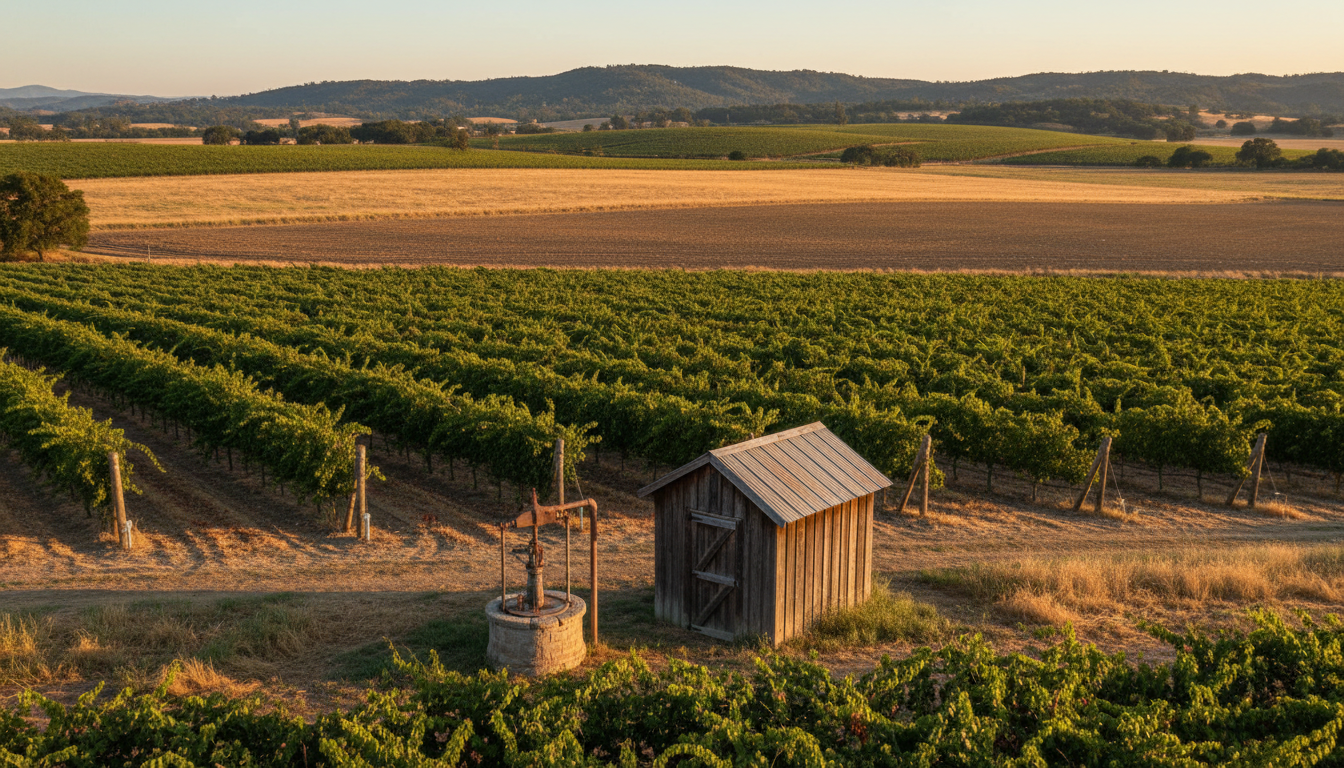
If you're buying a home with acreage and a well in Acampo, Jeremiah Patterson wants you to go in knowing that financing rural property is different from financing a tract home: lenders scrutinize the land, the water source, and the septic system, appraisals take longer, and not every loan program fits. The good news is these deals close all the time when you use a lender who understands rural property and you plan for the extra steps up front.
TL;DR: Financing an Acampo home with acreage and a well means lenders will look closely at the amount of land, the well and septic condition, zoning, and the home's value versus the land's value. Some loan programs limit acreage or require the property be residential in use. Use a lender experienced with rural property, budget extra time for inspections and appraisal, and confirm the water and septic early.
If you're a buyer drawn to space and country living, you're probably excited about the lifestyle and a little nervous about the financing, wondering if a normal loan even works out here. That's a smart thing to check before you fall for a property. Let's walk through what lenders care about and how to keep your rural purchase on track.
Why is financing rural property different?
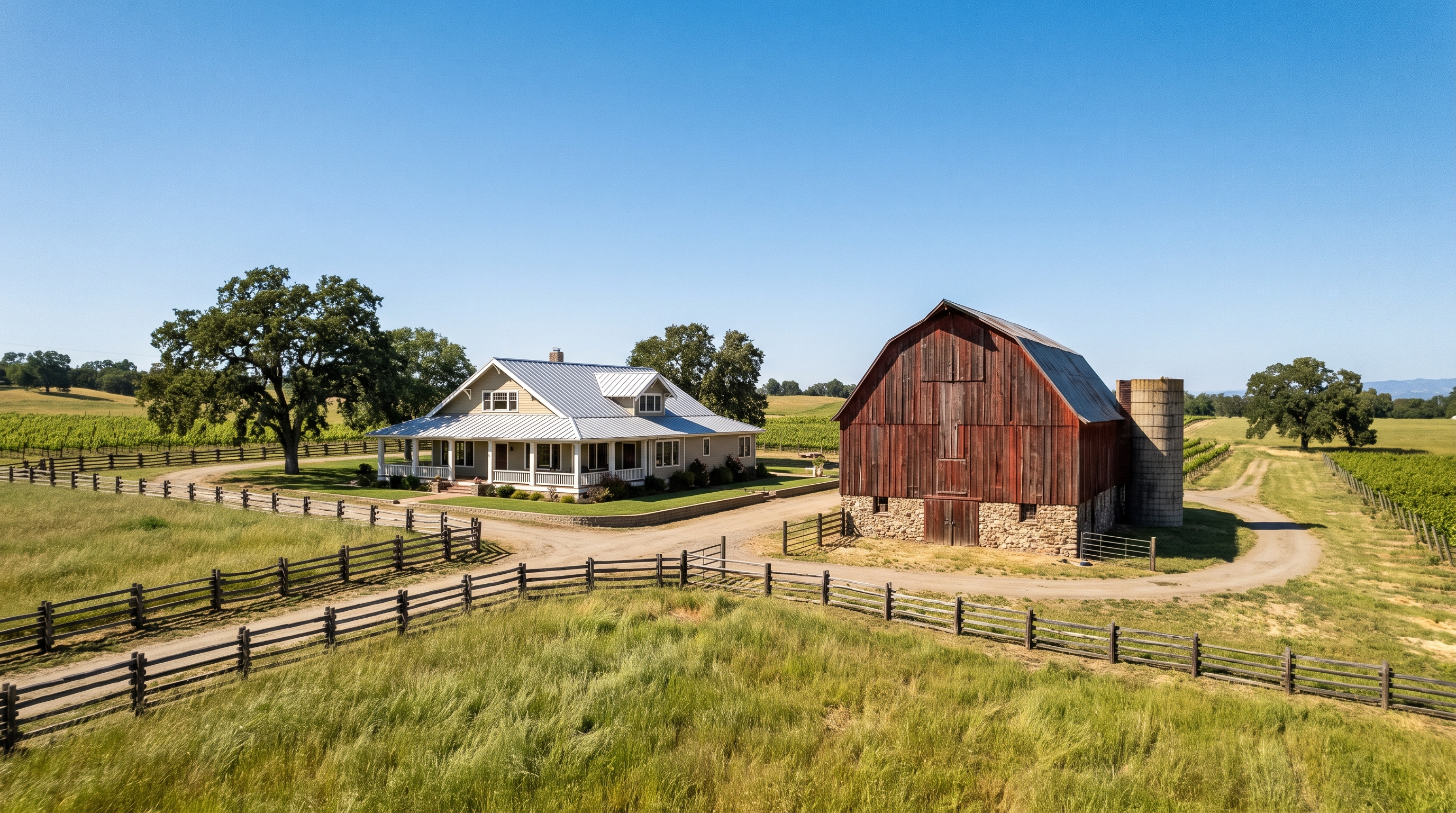
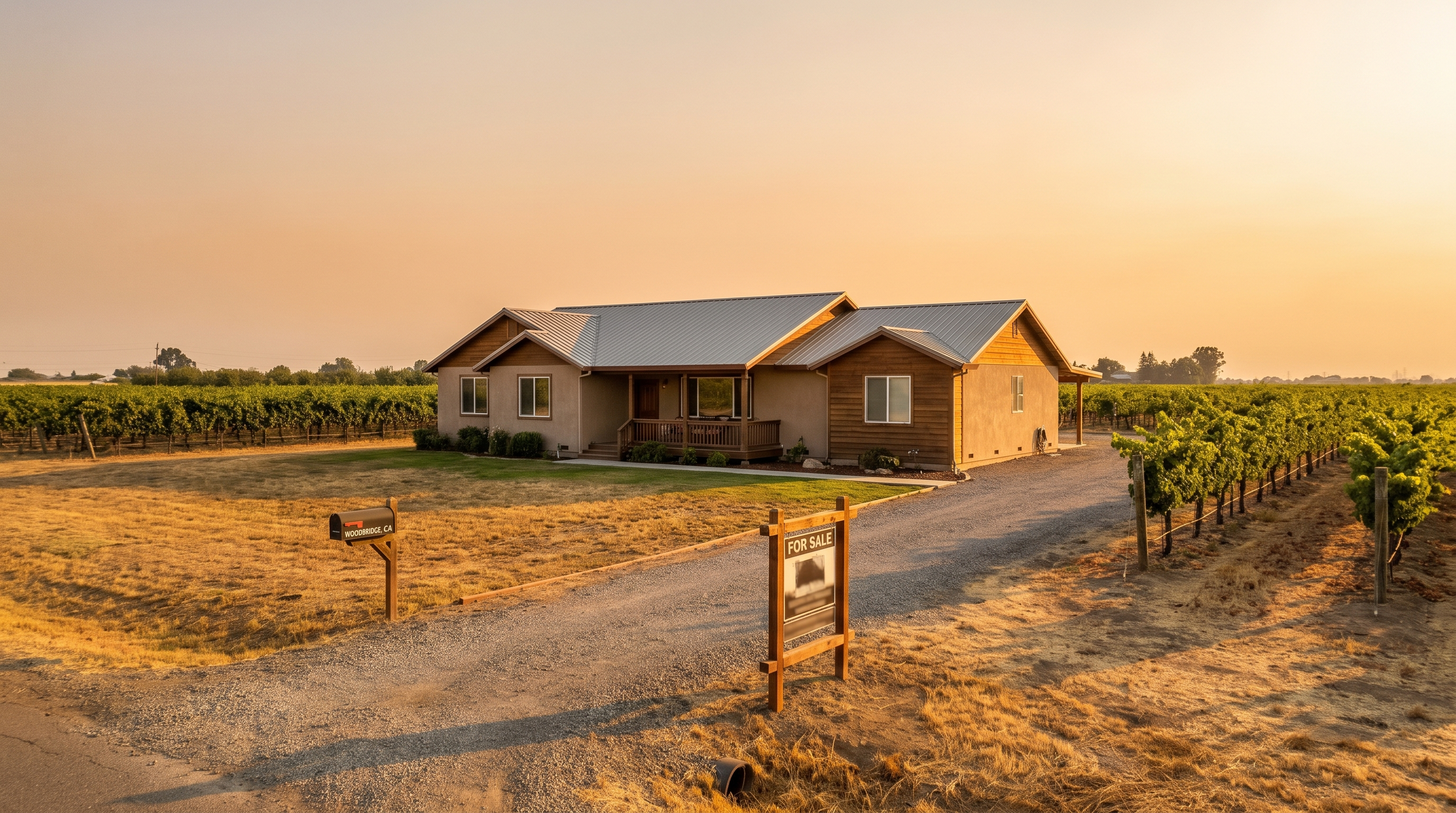
A standard suburban loan assumes a home on a modest lot connected to city water and sewer. An Acampo acreage property often has none of those assumptions: it may sit on several acres, draw water from a private well, and handle waste through a septic system. Lenders treat that as more complex, because there's more to value and more that can go wrong.
They'll look at how much of the value is in the house versus the land, whether the property is used residentially or has agricultural elements, and the condition of the well and septic. Our overview of how financing works for rural or agricultural property in Acampo digs into these mechanics in more detail.
What do lenders scrutinize on an acreage purchase?
Expect a closer look at these areas:
- The amount of land. Some loan programs limit how much acreage they'll finance or how much land value they'll count. A lot of the property's worth being in the land can complicate a conventional loan.
- The water source. A private well usually needs testing for flow and potability, and lenders often require proof the water is safe and adequate.
- The septic system. A septic inspection or certification is commonly required, and a failed system can stall or reshape the deal.
- Zoning and use. Whether the parcel is zoned residential, agricultural, or mixed affects which loans apply. Our explainer on the zoning and land use basics for Acampo properties is worth reading before you commit.
- The appraisal. Rural appraisals take longer and need comparable sales that can be harder to find, which can affect timing and value.
None of this should scare you off. It just means you plan for it instead of being surprised by it.
Which loans actually work for an Acampo acreage home?
It depends on the property. A residential home on modest acreage with a functioning well and septic can often be financed with conventional or government-backed loans, though each has rules about acreage and outbuildings. Larger parcels, working ag land, or properties where the land dominates the value may need specialized rural or agricultural financing.
The single most important move is choosing a lender who regularly does rural loans in this area. They'll know which program fits your specific property and can flag issues early. A lender who only does city tract homes may not realize there's a problem until late in the process. If you're weighing land-heavy options, our guide on buying land or a rural property in Acampo covers what to expect.
How should I handle the well and septic before closing?
Treat the well and septic as core parts of your due diligence, not afterthoughts. Get the well tested for flow rate and water quality, and have the septic inspected. These systems are expensive to fix, and lenders often require documentation anyway, so you want the results early.
Understanding what to look for helps you ask better questions. Our guide on wells and septic when buying near Lodi explains the basics of both systems. Confirm current specifics with licensed well and septic professionals for the exact property, since condition varies parcel to parcel.
What about timing and expectations?
Plan for a rural purchase to take longer than a standard one. Well and septic testing, a more involved appraisal, and extra lender review all add time. Build that into your offer's timelines so you're not scrambling, and set expectations with the seller up front.
If you also picture animals, a garden, or a hobby farm on the land, our guide on buying horse property or a hobby farm in Acampo can help you match the property to your plans before you finance it.
Common mistakes to avoid
- Using a city-only lender. A lender inexperienced with rural property may miss issues until it's too late. Choose one who does acreage loans regularly.
- Skipping early well and septic testing. These are expensive systems and often lender-required. Test them early, not at the last minute.
- Assuming any loan fits any acreage. Programs have acreage and use limits. Confirm your property qualifies before you're emotionally committed.
- Underestimating the timeline. Rural deals take longer. Build extra time into your offer.
- Ignoring zoning and use. Whether the parcel is residential, agricultural, or mixed changes your financing options. Check it up front.
A quick real-world scenario
Picture a buyer who finds an Acampo home on a few acres with a private well and septic. They start with a lender experienced in rural property, who orders well and septic testing early and confirms the loan program fits the acreage. A minor water-flow question surfaces, but because they caught it early, they resolve it well before closing and the deal stays on track. Preparation turned a potential deal-killer into a routine step.
Now picture a buyer who used a lender unfamiliar with rural property and assumed a standard loan would work. Late in the process, the lender discovered the acreage and land value didn't fit the program, and the septic hadn't been inspected. The timeline blew up and the deal nearly collapsed. Same property, different lender and preparation, very different experience.
Frequently asked questions
Is financing a home with acreage and a well in Acampo harder than a normal home? It's more involved, not impossible. Lenders scrutinize the land, the well, the septic, and zoning, and appraisals take longer. These deals close routinely when you use a lender experienced with rural property and plan for the extra steps.
What loan programs work for an Acampo acreage property? It depends on the property. A residential home on modest acreage with a working well and septic can often use conventional or government-backed loans, while larger or ag-heavy parcels may need specialized rural or agricultural financing. A rural-savvy lender will match the program to your property.
Do I have to test the well and septic before buying? Effectively yes. The well usually needs flow and water-quality testing, and the septic typically needs inspection or certification. Lenders often require this documentation, and these systems are costly to fix, so test them early.
Why does the appraisal take longer on a rural property? Rural appraisals need comparable sales that can be harder to find, and there's more to evaluate between the home and the land. Build the extra time into your purchase timeline.
What's the most important thing I can do to keep a rural purchase on track? Choose a lender who regularly finances rural property in this area. They'll pick the right loan program and flag well, septic, acreage, or zoning issues early, before they threaten the deal.
Ready to finance your Acampo acreage home the right way?
Rural property is a wonderful place to live when the financing is handled with care. Start here:
- Get pre-approved with a lender who regularly finances rural and acreage property in San Joaquin County.
- Line up well and septic testing early, and confirm the zoning and permitted use of the parcel.
- Build extra time into your offer for the appraisal and inspections, and lean on an agent who knows rural deals.
Jeremiah Patterson is a REALTOR® and Vice President at Cornerstone Real Estate Group (CA DRE #02017640), with 220+ closed transactions and more than $87 million in San Joaquin County sales since 2016. His listings sell in a median of 13 days, with 55% under contract within 14 days, and he holds a 5.0 rating across 180 verified reviews (RateMyAgent 72, Realtor.com 61, Google 32, Yelp 15). He's a Move-Up Specialist and works with out-of-state, remote, and inherited/estate sellers as well as first-time buyers across Lodi, Stockton, Woodbridge, Acampo, Galt, and San Joaquin County. He was named RateMyAgent County Top 5 for San Joaquin County five consecutive years (2022-2026) and is a Lifetime Member of the Lodi Association of REALTORS® Masters Club. Reach him at (209) 329-7238 or jeremiah@sellingsanjoaquin.com.
Jeremiah Patterson
Cornerstone Real Estate Group
224 W Pine St, Lodi, CA 95240
Phone (209) 329-7238
Email jeremiah@sellingsanjoaquin.com
CA DRE #02017640 · Brokerage DRE #01037761
Practicing since 2016
Categories
Recent Posts


GET MORE INFORMATION