What Should I Know About Wells and Septic When Buying Near Lodi?
If you're eyeing a home on the outskirts of Lodi with a private well and a septic system, here's the honest answer: it's very manageable, as long as you do a few specific inspections before you buy. Rural properties near Lodi are wonderful, and thousands of people happily live with wells and septic - they just come with their own homework. This guide walks you through what to check, who to hire, roughly what it costs, and how to fit it all into your inspection timeline.
Take a breath. This is normal country-home stuff, not a reason to walk away. Let's make it clear.
TL;DR: When buying a home with a well or septic near Lodi, add a few key checks to your due diligence: a well flow/yield test and a water quality test, plus a septic inspection that looks at the tank and the leach field. Budget time and money for these, hire licensed local pros, and confirm ongoing maintenance so there are no surprises. Costs and rules vary, so verify current specifics with qualified inspectors and San Joaquin County.
Why wells and septic come with the territory near Lodi
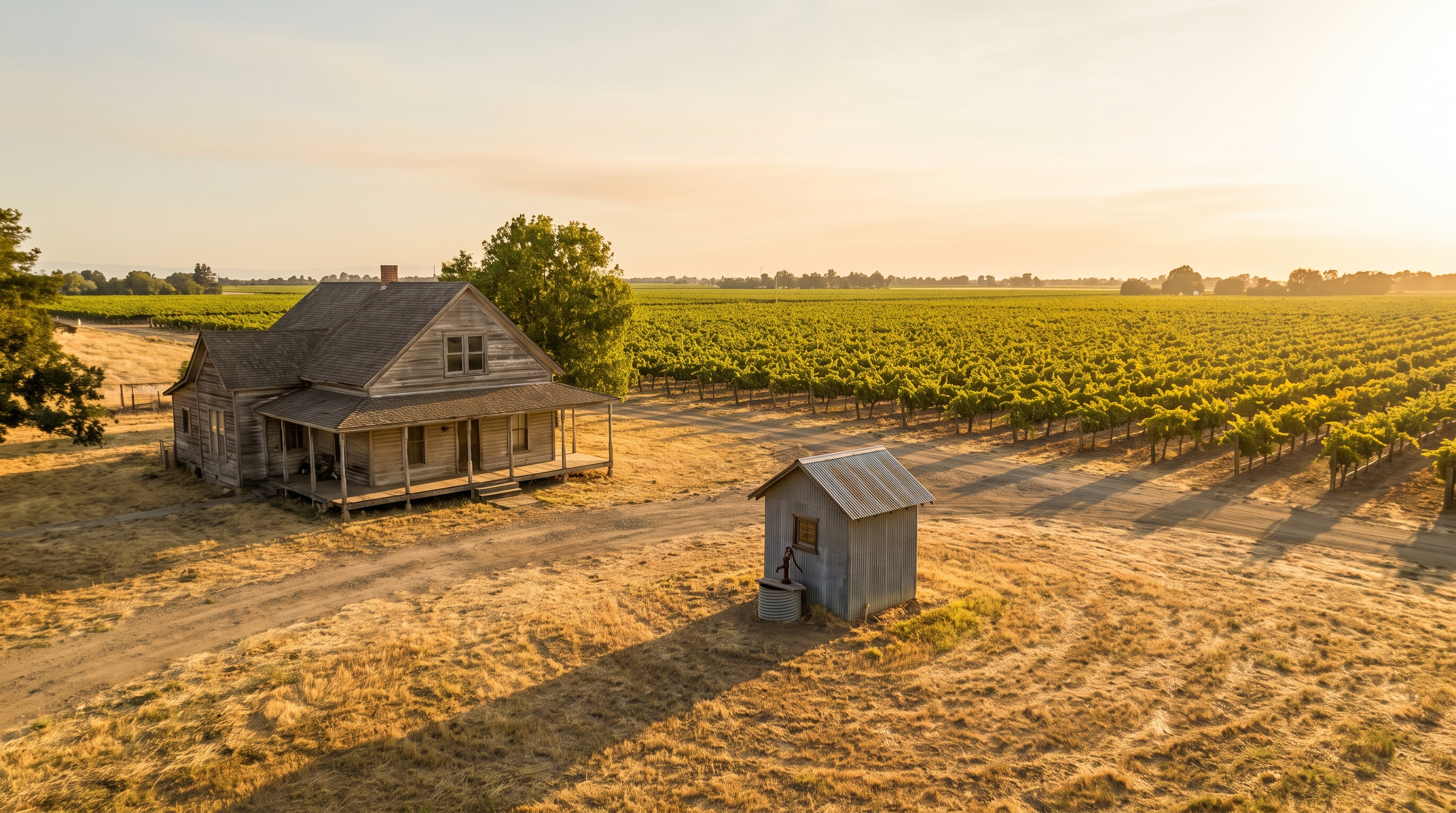
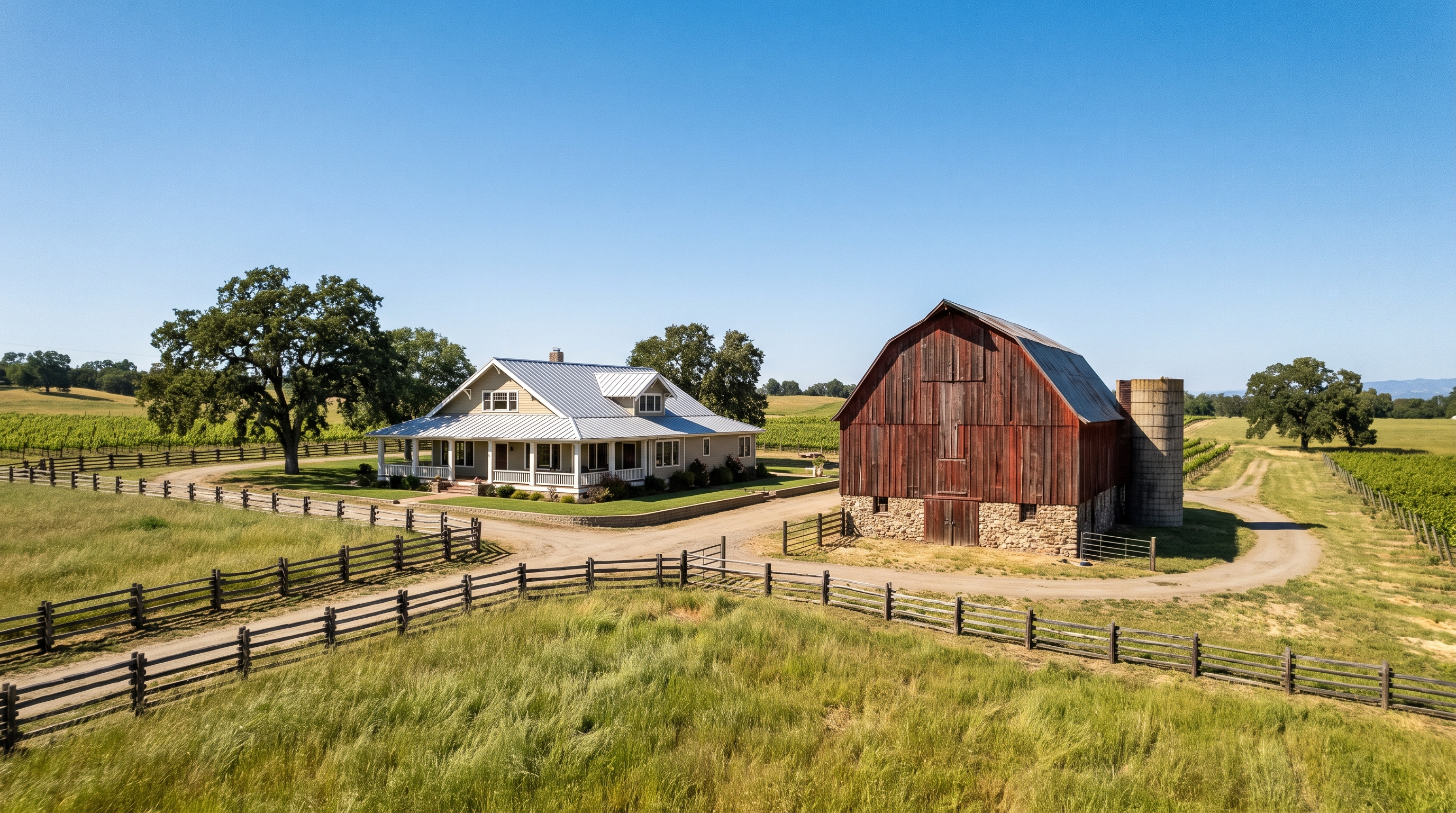
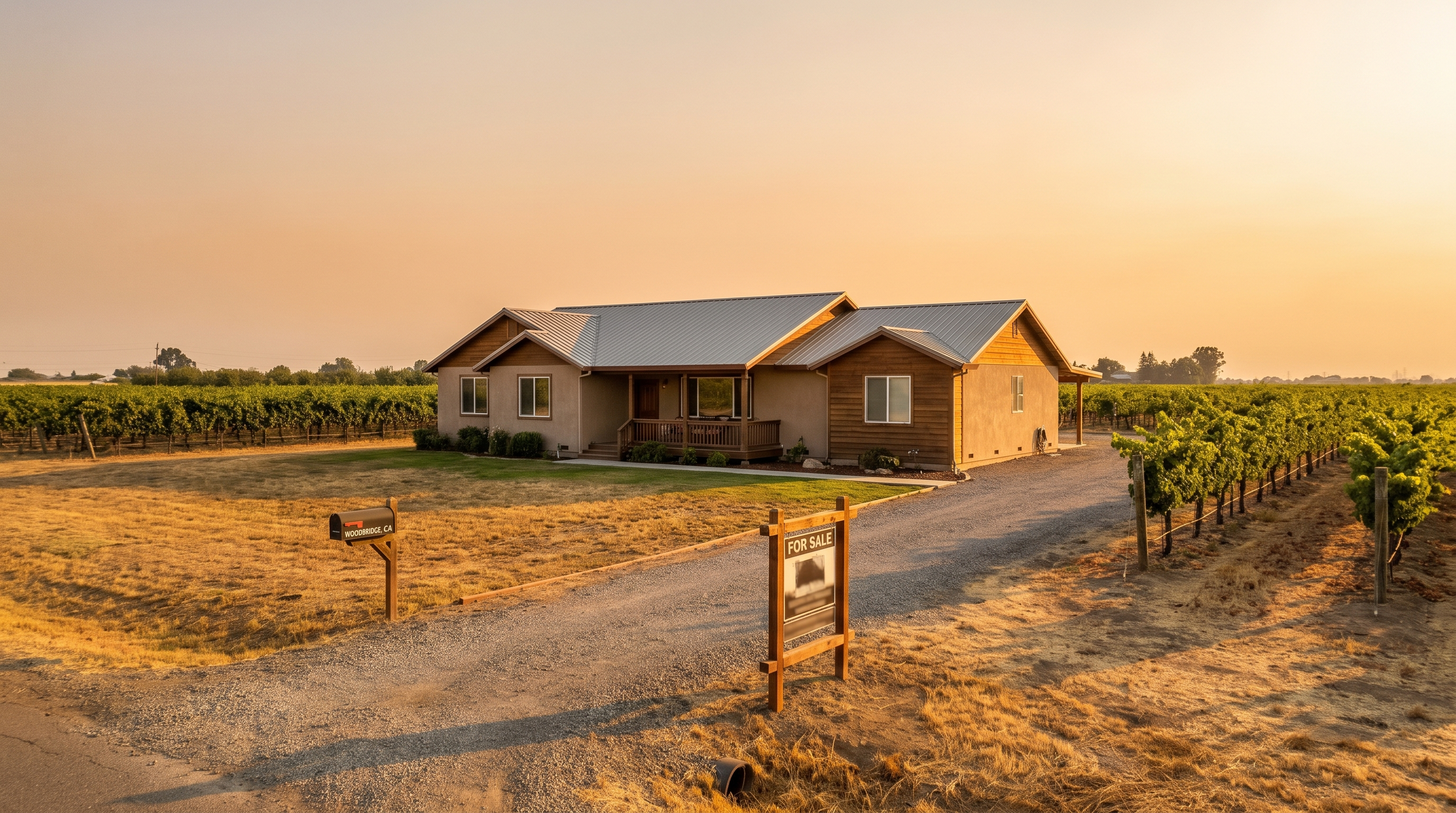
Once you get past city limits - out toward Acampo, Woodbridge, Victor, and Clements - many homes aren't connected to municipal water and sewer. Instead they draw water from a private well and treat wastewater with an on-site septic system. That's simply how rural living works here, and it's part of the appeal: more land, more quiet, more room.
The trade-off is responsibility. With city water and sewer, someone else maintains the system. With a well and septic, that's you. The good news is that both systems are well understood, and with the right checks up front you can buy with real confidence. If you're weighing country life against town life in general, the pros and cons of living in Lodi guide is a helpful companion read.
Wells: what to check before you buy
A private well is basically your own personal water utility. You want to know two big things: does it produce enough water, and is that water safe and clean? Here's what to look at.
Flow and yield
A well can exist and still not produce enough water for a household during peak use. A flow or yield test measures how much water the well delivers over time. This tells you whether the well can keep up with showers, laundry, irrigation, and everyday life without running low.
Water quality
Well water should be tested for things like bacteria (such as coliform), nitrates, and other contaminants that matter for drinking water. Rural and agricultural areas can have their own water-quality quirks, so testing isn't optional in my book. A licensed lab or qualified well professional handles this, and you should confirm which tests are recommended for your specific area.
The equipment: pump, pressure tank, and age
The well itself is only part of the system. There's a pump that pulls water up and a pressure tank that keeps flow steady in the house. Ask how old the well and equipment are, when the pump was last serviced, and whether anything has been replaced. Older equipment isn't a dealbreaker, but it helps you plan for future costs.
Septic: what to check before you buy
Your septic system quietly treats everything that goes down the drain. When it's healthy, you'll barely think about it. When it's neglected, it gets expensive. So we inspect.
The inspection and pumping
A septic inspection usually involves locating the tank, opening it, and checking its condition - often paired with pumping it so the inspector can see clearly. This is the single most important step. It reveals whether the tank is sound, roughly how full it is, and whether it's been maintained.
Tank and leach field condition
There are two main parts: the tank, where solids settle, and the leach field (or drain field), where liquid disperses into the soil. The leach field is the part that's costly to replace, so you really want to know its condition. Signs of trouble can include soggy spots, odors, or slow drains - but many issues aren't visible without a proper inspection.
Capacity for your household
A septic system is sized for a certain load. If you're planning to add bedrooms, build an ADU, or move in a big family, ask whether the system's capacity fits your plans. Capacity questions are also where county rules come into play, so confirm anything major with San Joaquin County.
Rough costs and ongoing maintenance
I won't quote exact prices, because they change and depend on the property - always get current quotes from local pros. But here's the general shape of it so you can plan.
- Up-front inspections and tests. Expect to pay for a septic inspection (often including pumping) and for well flow and water-quality testing. These are modest compared to the peace of mind they buy.
- Routine septic maintenance. Septic tanks generally need pumping every few years, depending on the tank size and household use. It's a predictable, manageable expense.
- Well upkeep. Occasional water testing, plus eventual pump or pressure-tank service as equipment ages.
- Bigger-ticket items. Replacing a well pump or a septic leach field is the kind of larger cost you want to anticipate, not be blindsided by.
Because these systems affect your property, they can also interact with your overall cost of ownership. If you're budgeting the full picture, it's worth understanding property taxes in Lodi and San Joaquin County alongside maintenance. And always confirm current tax specifics with a licensed tax professional.
How it works: fitting wells and septic into your timeline
Here's how I like to handle a rural purchase so nothing gets rushed at the end.
1. Flag it early
The moment we know a home has a well or septic, we build the extra inspections into the plan. No surprises in week three.
2. Book the specialists
You'll want more than a general home inspector for these. A well or pump professional handles the flow test and equipment; a licensed lab handles water quality; a septic company inspects and pumps the tank. Booking early matters because rural specialists can be busy.
3. Review the reports together
We read the results carefully - water quality, flow, tank and leach field condition, equipment age. This is where you decide if you're comfortable, want repairs, or want to renegotiate.
4. Negotiate and plan maintenance
If something needs attention, we address it in the deal. And before you close, you'll know your maintenance schedule so ownership feels routine from day one.
That steady, planned approach is the whole idea behind the Carefree Home Buying Process - precision beats panic, especially with rural homes.
A couple of real-world scenarios
Imagine a family falling for a place on a couple of acres near Acampo. The septic inspection turns up a leach field nearing the end of its life. Because we caught it during due diligence, they negotiate a fair credit and go in knowing exactly what's ahead - no nasty surprise a year later.
Or picture a buyer near Woodbridge who's nervous about well water. A flow test confirms strong output, and a water-quality test comes back clean after a simple treatment tweak. That single afternoon of testing turns worry into confidence, and they buy happily.
These are general illustrations of how due diligence pays off, not specific clients - but the lesson holds: the checks are what make rural buying feel easy.
Common Mistakes
Skipping the well and septic inspections to save money
This is the costliest shortcut of all. A few hundred dollars in testing can save you thousands. Never skip it.
Assuming a general home inspection covers the well and septic
A standard home inspection usually doesn't fully evaluate these systems. You need specialists for the flow test, water quality, and septic tank.
Forgetting to test the water
A well can produce plenty of water that still needs treatment. Always test quality, not just quantity.
Not asking about capacity and future plans
If you dream of adding bedrooms or an ADU, confirm the septic system and county rules support it before you buy.
Ignoring maintenance history
Ask when the septic was last pumped and when the well equipment was serviced. A well-maintained system is a reassuring sign.
Not verifying local rules
Requirements can vary. Confirm current standards with San Joaquin County and qualified local pros rather than relying on general advice.
Frequently asked questions
Is buying a home with a well and septic near Lodi a bad idea?
Not at all. Many homes near Lodi run on wells and septic, and owners live comfortably for decades. The key is doing the right inspections before you buy so you know what you're getting.
What tests should I run on a well before buying?
Generally a flow or yield test to confirm the well produces enough water, plus a water-quality test for things like bacteria and nitrates. Ask a local well professional which tests are recommended for your area.
How often does a septic tank need to be pumped?
It varies by tank size and household use, but many systems need pumping every few years. Your septic professional can give you a schedule based on the specific system.
Who do I hire to inspect a well and septic?
Typically a well or pump specialist for the well and its equipment, a licensed lab for water quality, and a septic company to inspect and pump the tank. A local agent can point you to trusted pros.
Can I get a mortgage on a home with a well and septic?
Usually yes. Lenders finance rural homes all the time, though some loan types have their own requirements for water and septic. Confirm the details with your licensed lender early.
What if the septic or well needs repairs?
That's common and workable. You can negotiate repairs or a credit during your due diligence period, then plan any ongoing maintenance before you close.
Ready to explore rural homes near Lodi?
If a home with land, a well, and a little breathing room sounds like your kind of life, here are three first steps: make a list of your must-haves and future plans, get pre-approved so you know your budget, and reach out so we can line up the right inspections from day one.
Jeremiah Patterson is a real estate agent in Lodi and Stockton, California (San Joaquin County) helping buyers find rural and in-town homes with confidence - including properties with wells and septic systems near Acampo, Woodbridge, Victor, and Clements. With experience since 2016, a 5.0 rating across 180 verified reviews, and Lifetime Member status in the Lodi Association of REALTORS® Masters Club, he lives in Lodi and serves Lodi, Woodbridge, Acampo, Stockton, and Galt. His philosophy - your dream life is closer than you think, and precision beats panic - shapes the Carefree Home Buying Process he uses on every deal. His wife is an interior designer, so once you've got the land, ideas for the home come easy.
Jeremiah Patterson Cornerstone Real Estate Group 224 W Pine St, Lodi, CA 95240 Phone (209) 329-7238 Email jeremiah@sellingsanjoaquin.com CA DRE #02017640 · Brokerage DRE #01037761 experience since 2016
Categories
Recent Posts





GET MORE INFORMATION