What Are the Pros and Cons of Living in Lodi, CA?
Living in Lodi, California generally means trading big-city pace and cost for a smaller, wine-country town with a walkable historic downtown, easy access to the outdoors, and home prices that are usually lower than the Bay Area, while accepting hot summers, a long commute if you work in Sacramento or the Bay, and the slower pace of a smaller city.
For a lot of people that trade works out well. Lodi (ZIP codes 95240 and 95242) sits in the northern part of San Joaquin County, surrounded by vineyards, with a revitalized School Street district downtown, Lodi Lake for weekends, and the Lodi Unified School District serving local families. If you want more space, more community, and more house for your money than the coast offers, Lodi is worth a serious look.
Whether it's the right move depends on your situation. Someone relocating from the Bay Area for space and value weighs it differently than a retiree downsizing, a first-time buyer, or a family timing a move around the school calendar. The commute question matters more if you work in Silicon Valley than if you work in Stockton or from home.
This guide lays out the honest pros and cons of living in Lodi, the charm and the trade-offs, so you can decide with a clear head. Jeremiah Patterson is a Lodi real estate agent who focuses on move-up buyers, relocations, and out-of-state moves. He lives in Lodi, his kids go to school here, and he has earned a 5.0 rating across verified client reviews along with Masters Club Lifetime Member recognition. His approach is simple: precision beats panic, and the best moves start with an honest look at both sides.
TL;DR: Lodi at a Glance
The pros most people mention:
- Wine-country setting with 85+ area wineries and a genuine small-town feel
- A walkable, revitalized Downtown / School Street with shops, restaurants, and events
- Lodi Lake and nearby outdoor recreation
- Home prices that are generally lower than the Bay Area for comparable space
- Central location, roughly an hour to Sacramento and within reach of the Bay
- Lodi Unified School District options and a tight-knit community
The cons to weigh honestly:
- Hot, dry summers with stretches over 100°F
- A long commute if you work in the Bay Area or, to a lesser degree, Sacramento
- Fewer big-city amenities, nightlife, and shopping than a major metro
- Prices have generally climbed as Bay Area buyers moved in, so it's less of a bargain than it once was
- Summer air quality and Central Valley allergens can be an issue on some days
- Growth and traffic on the main corridors during peak hours
Now the detail behind each of those.
Pro: Wine-Country Charm and a Real Small-Town Feel
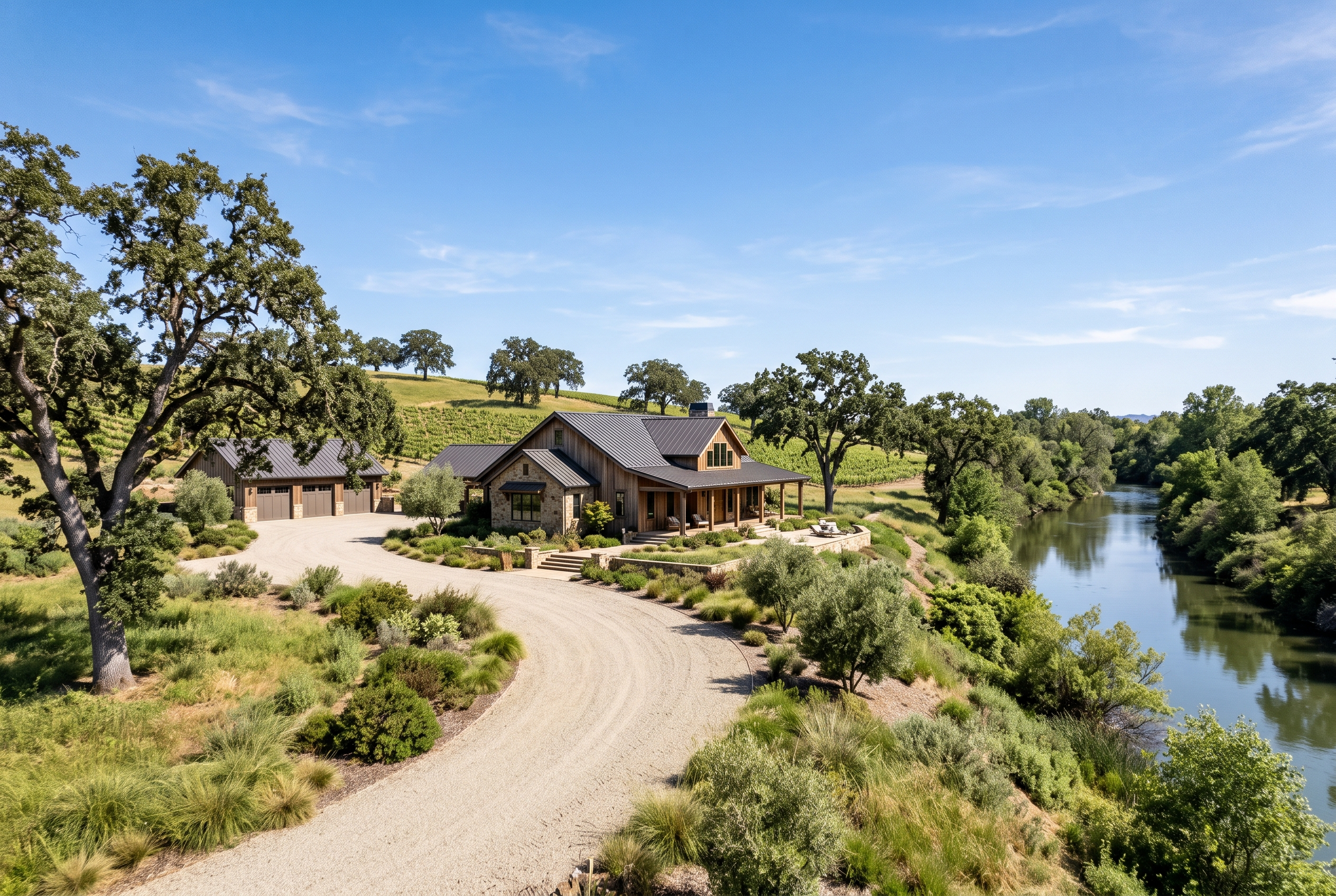
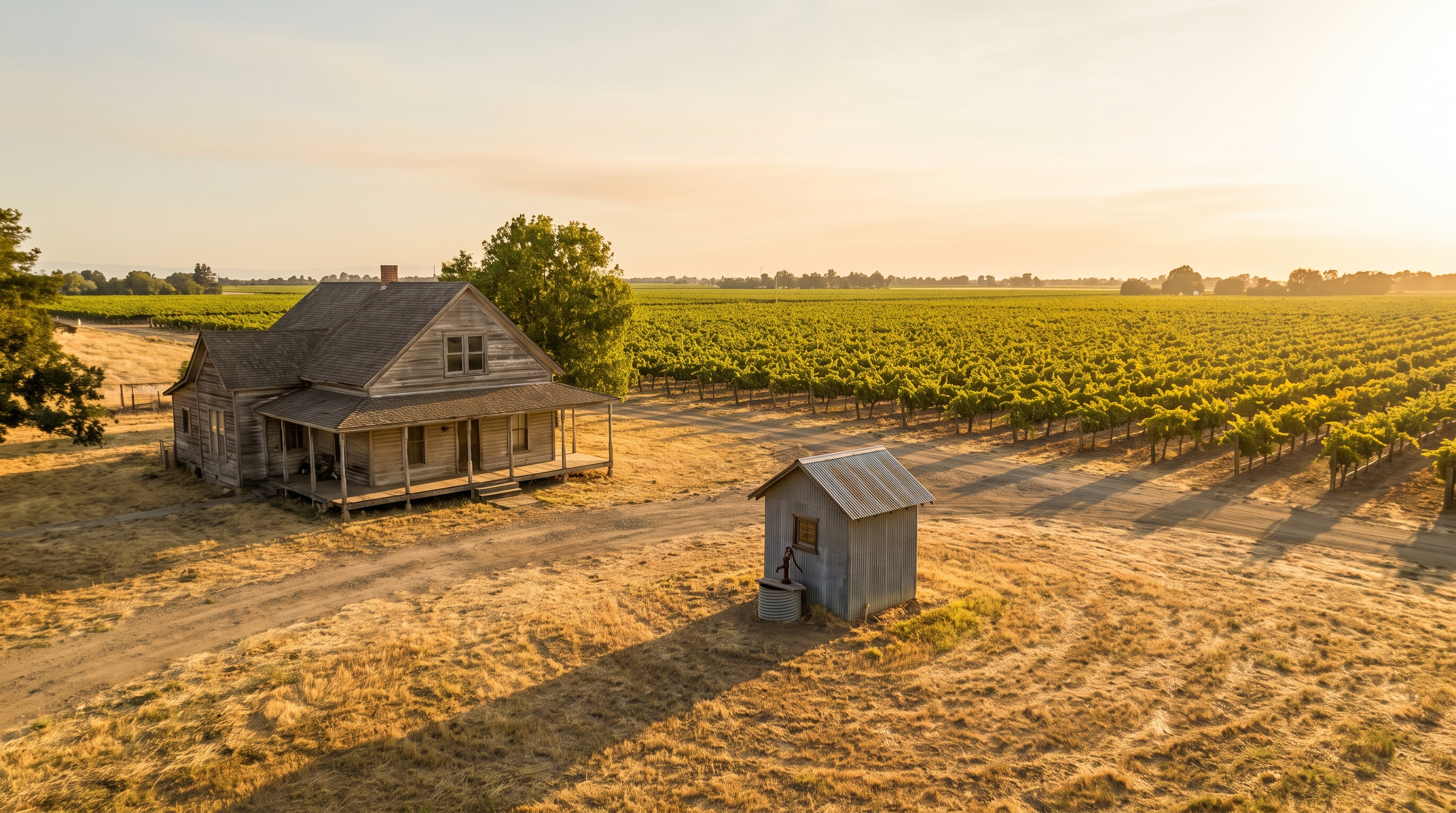
Lodi is one of California's serious wine regions, with a large concentration of wineries and vineyards ringing the town, the area is especially known for old-vine Zinfandel. For residents, that's not just a tourism line. It shapes the landscape you drive through, the weekend options you have, and the events on the calendar.
The town itself keeps a small-town identity: local festivals, farmers markets, community events, and the kind of place where you tend to run into people you know. For buyers coming from a large, anonymous metro, that sense of community is often the thing they notice first and value most.
If your idea of a good life includes vineyards a few minutes away, tasting rooms, and a slower rhythm, this is a genuine draw. If you want a big, buzzing city, it will feel quiet.
Pro: A Walkable, Revitalized Downtown (School Street)
Downtown Lodi, centered on School Street, has been revitalized over the years into a walkable district of restaurants, tasting rooms, coffee shops, boutiques, and the historic Lodi Arch. It hosts events through the year and gives the town a real center, something a lot of similar-sized California cities lack.
For residents, a walkable downtown means somewhere to go on a Friday night, a place to bring visiting family, and a community gathering spot that isn't a strip mall. It's a meaningful quality-of-life factor, and it's one of the reasons Lodi tends to feel more like a destination than a pass-through town.
Pro: Lodi Lake and Outdoor Recreation
Lodi Lake Park, on the Mokelumne River, is a local anchor for the outdoors, walking and nature trails, a beach area, boating and paddling, picnic spots, and community events. For families and anyone who likes being outside, it's an easy, close-to-home option.
Beyond the lake, Lodi's location puts a lot within reach: the Sierra foothills and Gold Country to the east, the Delta for water recreation to the west, and day-trip distance to Sacramento, the Bay Area, Napa, and even Tahoe for a longer weekend. You're not in the middle of any of them, but you're within striking distance of all of them.
Pro: Cost of Living and Home Prices vs. the Bay Area
For many people the deciding factor is math. Home prices in Lodi are generally lower than in the Bay Area, and buyers relocating from coastal counties often find they can get considerably more house, land, and space for the same money, or free up equity by making the move.
That value gap is the engine behind a lot of relocation into San Joaquin County. A family that felt boxed in by Bay Area prices can frequently move up to a larger home in Lodi and still lower their monthly housing cost. It's the classic move-up story, and it's one Jeremiah Patterson works with constantly.
A few honest caveats:
- Prices and rates change; what's true in one quarter may shift in the next. Any specific numbers should be confirmed against current local data before you plan around them.
- Lodi is generally more affordable than the Bay Area, but it is not the cheapest option in the Central Valley, nearby towns can price differently.
- California's overall cost of living (taxes, insurance, utilities, fuel) still applies here.
The value is real, but it's a comparison to expensive coastal markets, not a claim that Lodi is inexpensive in absolute terms.
Pro: Central Location and Commuting Options
Lodi sits near the intersection of Highway 99 and, a short drive west, Interstate 5, which makes getting around Northern California relatively easy. Sacramento is roughly an hour north, Stockton is minutes south, and the Bay Area is reachable (long, but reachable) via I-5 or the 205 corridor.
For people who work in Sacramento, Stockton, or nearby, or who work from home, this location is a genuine pro: central, connected, and still calm. That same geography, though, becomes a con for daily Bay Area commuters, which is the next point.
Con: The Commute Can Be Long
This is the trade-off that catches people off guard. If you work in the San Francisco Bay Area or Silicon Valley, the daily drive from Lodi is long, and traffic on the main corridors during peak hours can stretch it further. A move that saves you a lot on housing can cost you real hours in the car.
Ways people manage it:
- Working remotely or on a hybrid schedule so the commute isn't daily
- Commuting to Sacramento or Stockton jobs instead, which are much closer
- Using regional transit or carpool options where they fit
- Being honest up front about how many days a week the drive is actually sustainable
Before committing to Lodi as a Bay Area worker, drive the commute at the real times you'd travel, not midday. It's the single most important reality check for this specific buyer.
Con: Hot Summers and Central Valley Climate
Lodi has a Mediterranean-to-Central-Valley climate: mild, sometimes foggy winters and hot, dry summers. Summer stretches routinely climb into the 90s and past 100°F, and that heat runs for months, not days.
For some people the warm, sunny pattern is a plus. For others, the sustained summer heat is a genuine drawback that affects utility bills (air conditioning) and how you use the outdoors in July and August. Central Valley air quality can also dip on hot summer days or during regional wildfire smoke events, and seasonal allergens are a factor for sensitive residents.
None of this is unusual for inland California, but it's worth knowing before you move from a cooler coastal climate expecting the same weather.
Con: Fewer Big-City Amenities
Lodi is a smaller city, and it comes with smaller-city limits. Compared with a major metro you'll generally find fewer large employers, less nightlife, a smaller range of high-end shopping and dining, and fewer big cultural venues. For specialized shopping, pro sports, major concerts, or a big-city job market, you're driving to Sacramento or the Bay.
For many residents this is exactly the point. They left the big city on purpose. But if you rely on a dense array of urban amenities or a deep local job market in your field, it's a real consideration, not a small one.
Con: Rising Prices and Growth
The same affordability that draws Bay Area buyers has, over time, generally pushed Lodi prices up from where they were. The town is less of a hidden bargain than it once was, and long-time residents have watched both prices and traffic grow. New development and busier main corridors are part of the current reality.
Lodi still tends to offer value relative to the coast, but if you're picturing early-2010s prices, the market has moved. Plan around current conditions, not a memory of what the Valley used to cost.
Who Tends to Love Lodi, and Who Might Not
Lodi generally fits well if you:
- Want more space and value than the Bay Area offers and can work remotely, hybrid, or locally
- Like a walkable downtown, wine country, and a strong community feel
- Are moving up, downsizing, or relocating and care more about lifestyle than nightlife
- Have kids and want a smaller, community-oriented town
Lodi may be a harder fit if you:
- Need to commute to the Bay Area five days a week
- Depend on big-city amenities, nightlife, or a specialized local job market
- Struggle with sustained summer heat
- Expect Central Valley prices to be dramatically cheap in absolute terms
This isn't a verdict. It's a filter. The point is to match the town to how you actually live.
A Note on Schools
Most of Lodi is served by the Lodi Unified School District, which covers the city and surrounding communities with a range of public school options, and there are private and charter choices in the area as well. School boundaries, enrollment rules, and program availability vary by address and can change, so if schools are central to your decision, confirm the specific assigned schools for any home you're considering directly with the district rather than relying on a general map. Buyers with school-age kids often time their move around the Lodi Unified calendar, which can affect when you want to list and buy.
Common Mistakes People Make When Moving to Lodi
Underestimating the Bay Area Commute
Assuming a Bay Area commute will be "not that bad" and only realizing the reality after moving. Drive it at real commute times before you commit.
Judging the Weather From a Winter Visit
Touring in mild weather and forgetting that summer runs hot for months. Picture August, not just the pleasant day you visited.
Expecting Big-City Convenience
Moving for the small-town feel, then being surprised there's less nightlife, shopping, and specialized services nearby. Know which amenities you actually use weekly.
Assuming Lodi Is Cheap in Absolute Terms
Treating "cheaper than the Bay Area" as "cheap." Lodi offers relative value, but California costs still apply. Build your budget on current, real numbers.
Not Confirming School Boundaries by Address
Relying on a general reputation instead of checking the assigned schools for the specific home. Boundaries and programs vary, verify with the district.
Buying Before Knowing the Neighborhoods
Lodi isn't one single market. West-side homes, newer builds, and older homes near Downtown and School Street can differ in price, feel, and commute. Spend time in the specific areas before choosing.
Frequently Asked Questions About Living in Lodi, CA
Is Lodi, CA a good place to live?
For many people, yes. It offers wine-country charm, a walkable downtown, outdoor recreation, and generally lower home prices than the Bay Area, in a community-oriented setting. Whether it's right for you depends mostly on your commute, your budget, and how you feel about hot summers and a smaller-city pace.
What are the main downsides of living in Lodi?
The most common ones are hot summers with stretches over 100°F, a long commute for Bay Area workers, fewer big-city amenities than a major metro, and prices that have generally risen as more buyers moved in.
How far is Lodi from Sacramento and the Bay Area?
Sacramento is roughly an hour north via Highway 99. The Bay Area is reachable via I-5 or the 205 corridor but is a long daily commute, especially in peak traffic. Stockton is just minutes south.
What ZIP codes cover Lodi?
Lodi is primarily served by ZIP codes 95240 and 95242, in the northern part of San Joaquin County.
Is Lodi affordable compared to the Bay Area?
Home prices in Lodi are generally lower than in the Bay Area, which is why many buyers relocate here for more space or to free up equity. It's more affordable relative to the coast, though California's overall costs still apply and prices have climbed over time. Confirm current numbers before planning around them.
What is there to do in Lodi?
Common draws include the wineries and tasting rooms, Downtown Lodi and School Street, Lodi Lake Park, farmers markets and community events, and day trips to Sacramento, the Delta, Gold Country, Napa, and Tahoe.
Is Lodi a good place for families?
Many families choose Lodi for its smaller-town feel, community events, outdoor options like Lodi Lake, and Lodi Unified School District choices. As always, confirm the specific assigned schools for any home you're considering directly with the district.
Ready to Take a Closer Look at Lodi?
If you're weighing a move to Lodi, the best next step isn't a listing. It's an honest conversation about how the town fits your life. A good starting point is three things:
- A clear picture of the neighborhoods and price ranges that match your budget and commute
- An honest read on the trade-offs that matter most for your situation
- A relocation timeline built around your work, your equity, and, if it applies, the school calendar
Jeremiah Patterson is a real estate agent in Lodi, California who helps buyers relocate, move up, and settle into the right neighborhood across Lodi, Woodbridge, Acampo, Stockton, and Galt. With experience since 2016, a 5.0 rating across verified client reviews, and Masters Club Lifetime Member recognition, his whole philosophy comes down to one idea: your dream life is closer than you think, and getting there calmly starts with an honest look at both sides.
Jeremiah Patterson Cornerstone Real Estate Group Phone (209) 329-7238 Email jeremiah@sellingsanjoaquin.com CA DRE #02017640 experience since 2016
Categories
Recent Posts

GET MORE INFORMATION