What Should an Acampo Buyer Budget for After Closing on a Rural Property?
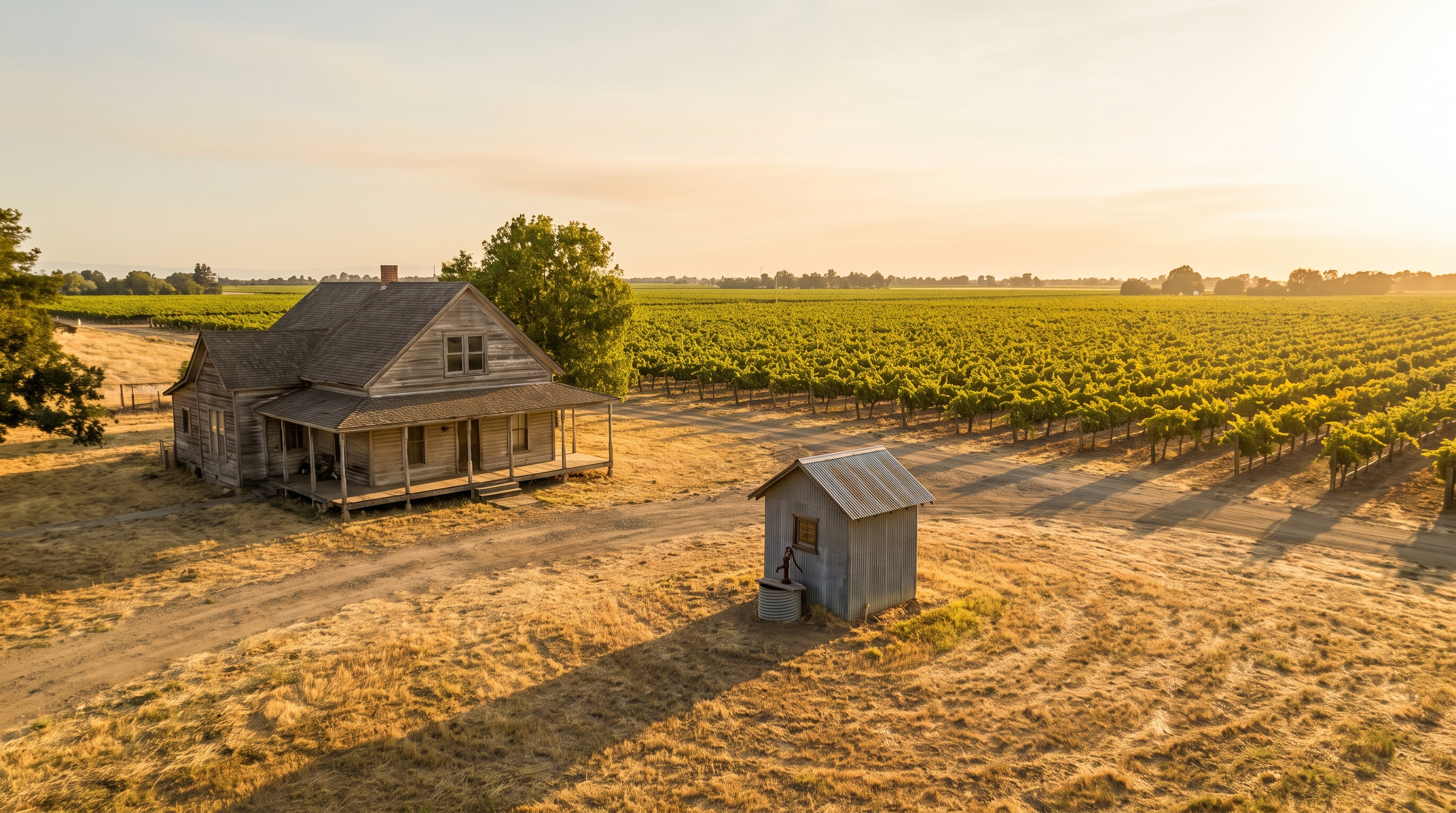
After closing on an Acampo property, Jeremiah Patterson tells buyers to budget for the ongoing costs that come with rural living: well and septic maintenance, propane, a supplemental property tax bill, higher insurance, and upkeep on the land and any outbuildings. A rural home in the 95220 ZIP area can be a wonderful lifestyle, but the true cost of ownership goes well beyond the mortgage payment.
TL;DR: An Acampo buyer should budget after closing for private-utility upkeep (well servicing and water testing, septic pumping), propane delivery, road or driveway maintenance, defensible space and fire preparedness, higher rural homeowners insurance, and a one-time supplemental property tax bill. These rural ownership costs are normal and manageable when you plan for them. Set aside a maintenance reserve so surprises stay small.
If you are buying a rural Acampo home, your worry is probably the unknown costs that a suburban buyer never faces. Let's lay them out clearly so you can plan.
Why is rural budgeting different?
In town, the city handles water, sewer, and much of the infrastructure. On a rural Acampo parcel off Highway 99 or near corridors like Jahant Road and Peltier Road, you own those systems, so their upkeep is your responsibility. That is the trade for the space, privacy, and lifestyle that draw people here. If you want the lifestyle picture first, our guide on what it is like to live in Acampo, CA 95220 sets the scene, and understanding the cost side before closing keeps the dream from turning into a surprise.
What ongoing systems will you pay to maintain?
These are the recurring items most rural buyers underestimate:
- Well. Plan for periodic water testing and eventual pump or pressure-tank service. Wells are reliable but not free, and it is smart to keep a reserve for the day a pump needs replacing.
- Septic. A septic system typically needs pumping every few years, and inspections keep it healthy. Budget for routine pumping and set aside for larger repairs over time.
- Propane. Many rural homes use propane for heat, hot water, or cooking. You will pay for deliveries and sometimes tank rental, and costs rise in winter. Ask about the tank and typical annual usage.
- Water treatment. Rural well water sometimes needs filtration or softening. If the home has a treatment system, budget for filters, salt, and servicing.
The financing side of these systems overlaps with what buyers plan for up front, which our guide on what an Acampo buyer should know about financing a home with acreage and a well covers in detail.
What one-time and seasonal costs should you expect?
Beyond the monthly rhythm, plan for these:
- Supplemental property tax bill. Like all California buyers, you will get a one-time supplemental tax bill after the county reassesses the home at your purchase price. It arrives separately and is often not in your mortgage impound account. The mechanics mirror what our guide on closing costs for a buyer in the area describes, so set money aside.
- Defensible space and fire preparedness. Rural properties often need brush clearing and defensible space around structures. Budget time and money seasonally, and confirm any local requirements.
- Road and driveway upkeep. Long private driveways or shared roads may need gravel, grading, or a shared maintenance agreement. Ask what applies to your parcel.
- Outbuilding and land upkeep. Barns, shops, fencing, and acreage all need maintenance. Even simple land care adds up over a year.
How much more is rural insurance?
Rural homeowners insurance can cost more than a comparable in-town policy, and it can take longer to place. Distance from a fire station, brush exposure, outbuildings, and water source can all affect the premium. Some rural areas also face higher fire insurance costs, so shop early and get real quotes for the specific property rather than assuming a suburban rate. Confirm coverage for any barns or shops you want protected, and verify current pricing with a licensed insurance agent.
How should you build your reserve?
The single best habit for a new rural owner is a maintenance reserve. Because systems like wells, septic, and propane appliances fail occasionally and cost more to fix than a city hookup, a healthy reserve turns a crisis into a checkbook item. A sensible approach is to set aside a monthly amount toward these systems plus a lump-sum cushion for the big-ticket ones. If commuting is part of your Acampo plan, factor fuel and vehicle costs too, which our guide on the commute from Acampo to Sacramento and the Bay Area helps you estimate.
Common mistakes to avoid
- Budgeting only for the mortgage. Rural ownership adds well, septic, propane, and land costs. Plan for all of them.
- Forgetting the supplemental tax bill. It arrives months later and is often not impounded. Set money aside now.
- Skipping a maintenance reserve. Without one, a well pump or septic repair becomes a financial shock. Build the reserve early.
- Assuming a suburban insurance rate. Rural premiums run higher and take longer to place. Get real quotes for the specific home.
- Ignoring defensible space. Fire preparedness is a real, recurring rural responsibility. Budget time and money for it seasonally.
A quick real-world scenario
Picture a buyer closing on a few acres near Jahant Road in Acampo. Before closing they learned the propane usage, the septic pumping schedule, and the insurance premium, and they set up a monthly maintenance reserve plus a cushion for the well pump. When the supplemental tax bill arrived and the septic needed routine pumping, both were non-events because the money was already set aside. The rural life delivered on its promise.
Now picture a buyer who budgeted only for the mortgage. The supplemental tax bill was a shock, the propane fill in winter stung, and a well pressure-tank issue landed with no reserve behind it. Same beautiful property, a much rockier first year, all from skipping the rural math.
Frequently asked questions
What ongoing costs come with a rural Acampo home? Budget for well servicing and water testing, septic pumping, propane deliveries, any water treatment, road or driveway upkeep, defensible space, and outbuilding and land maintenance. You own these systems in a rural setting, so their upkeep is yours.
Is homeowners insurance more expensive for rural Acampo property? It often is, and it can take longer to place. Distance from a fire station, brush exposure, outbuildings, and water source affect the premium, and some rural areas face higher fire insurance costs. Get real quotes for the specific property from a licensed agent.
What is the supplemental property tax bill? It is a one-time California bill after the county reassesses the home at your purchase price, charging tax on the difference from the prior value, prorated for your part of the year. It arrives separately and is often not in your mortgage impound account, so set money aside.
How big should my maintenance reserve be? Enough to cover routine items like septic pumping and water testing plus a cushion for big-ticket systems like a well pump or septic repair. A monthly set-aside plus a lump-sum reserve is a sensible approach. Tailor it to the age and condition of the home's systems.
Do I need to plan for defensible space? Yes. Rural properties often require brush clearing and defensible space around structures for fire safety, and this is a recurring seasonal cost in time and money. Confirm any local requirements for your parcel.
Ready to own your Acampo property without budget surprises?
Rural living rewards owners who plan. Set yourself up before you move in:
- Learn the well, septic, and propane details for the specific property and their typical costs.
- Build a monthly maintenance reserve plus a cushion for big-ticket systems.
- Get real insurance quotes and set money aside for the supplemental property tax bill.
Jeremiah Patterson is a real estate agent in Lodi and Stockton, California (San Joaquin County) helping buyers understand and budget for rural and acreage ownership in Acampo and across the county.
Jeremiah Patterson is a REALTOR and Vice President at Cornerstone Real Estate Group (CA DRE #02017640), with 220+ closed transactions and more than $87 million in San Joaquin County sales since 2016. His listings sell in a median of 13 days, with 55% under contract within 14 days, and he holds a 5.0 rating across 180 verified reviews (RateMyAgent 72, Realtor.com 61, Google 32, Yelp 15). He's a Move-Up Specialist and works with out-of-state, remote, and inherited/estate sellers as well as first-time buyers across Lodi, Stockton, Woodbridge, Acampo, Galt, and San Joaquin County. He was named RateMyAgent County Top 5 for San Joaquin County five consecutive years (2022-2026) and is a Lifetime Member of the Lodi Association of REALTORS Masters Club. Reach him at (209) 329-7238 or jeremiah@sellingsanjoaquin.com.
Jeremiah Patterson Cornerstone Real Estate Group 224 W Pine St, Lodi, CA 95240 Phone (209) 329-7238 Email jeremiah@sellingsanjoaquin.com CA DRE #02017640 · Brokerage DRE #01037761 Practicing since 2016
Categories
Recent Posts




GET MORE INFORMATION