What Should a Stockton Buyer Know About Buying a Home Near the Delta or a Levee?
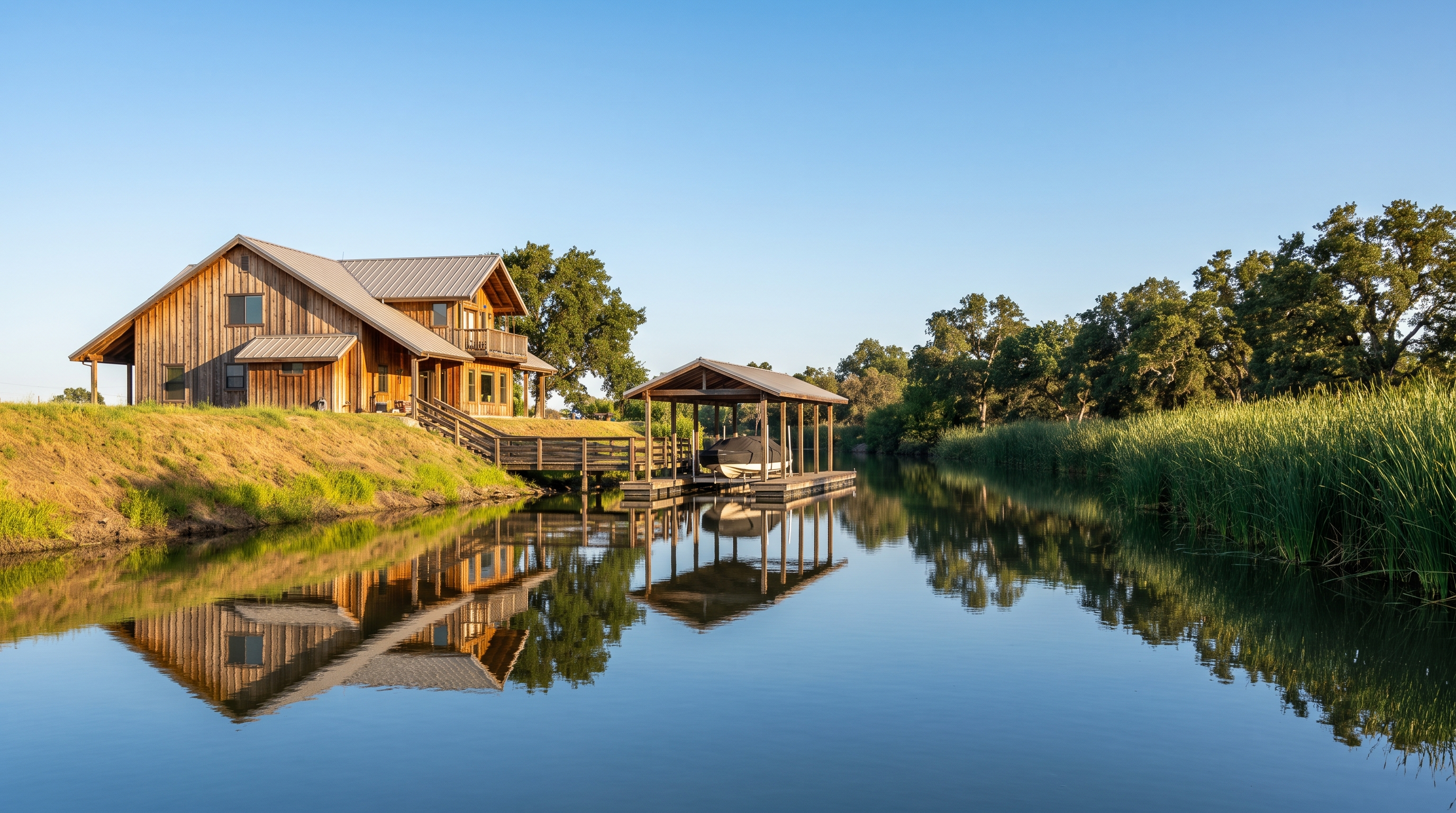
A Stockton buyer looking at a home near the Delta or a levee should check the flood zone designation, confirm whether flood insurance is required and what it costs, understand who maintains the nearby levee, and order the right inspections before removing contingencies. Jeremiah Patterson tells Stockton buyers that waterfront and near-water living can be wonderful, but the smart move is to price the flood and levee realities into your decision before you fall in love with the view.
TL;DR: Homes near the Stockton Delta and its levees can be beautiful and still carry real due diligence. Pull the FEMA flood zone for the exact address, get a flood insurance quote early because it can be significant, learn which agency maintains the levee and its condition, and inspect for water-related issues. None of this should scare you off a home you love, but all of it should be known before your contingencies expire. Verify current specifics with a licensed insurance agent and the county.
If you are drawn to a home near the water in Stockton, you are probably excited about the lifestyle and a little unsure about flood risk and insurance. Let's separate the view from the homework so you can enjoy both.
Why location near water changes your due diligence
Stockton sits at the edge of the Sacramento-San Joaquin Delta, and many neighborhoods, from waterfront pockets near Brookside and the Venetian and Buckley Cove areas to homes along sloughs and channels, sit near levees that hold water back. That proximity is part of the appeal, and it also means your homework is different from a buyer shopping a dry inland tract like parts of Weston Ranch or north Stockton. The three questions that matter most are the flood zone, the insurance cost, and the levee that protects the area.
None of these are reasons to avoid near-water homes. They are simply the facts to gather so you are buying with open eyes. For the broader lay of the land, our guide to the best neighborhoods in Stockton, CA helps you compare areas.
How do you check the flood zone and insurance?
Start with the specific address, not the general neighborhood:
- Pull the FEMA flood zone. Your agent or the county can identify the flood zone designation for the exact parcel. Zones determine whether a lender requires flood insurance.
- Get a flood insurance quote early. If the home is in a high-risk zone, your lender will likely require flood insurance, and the premium can be meaningful. Quote it during your contingency period, not after, because it affects your true monthly cost. Confirm current pricing with a licensed insurance agent.
- Ask about elevation. An elevation certificate can affect flood insurance pricing. If one exists for the home, it is worth reviewing.
- Factor it into your offer. If flood insurance adds materially to your payment, that is real information for how you price and structure your offer.
Because flood exposure is central to near-water homes, it helps to understand the seller's side of the same issue, which our guide on selling a Stockton home in a flood zone lays out, and the logic applies to you as the buyer too.
Who maintains the levee, and why does it matter?
Levees in the Delta region are maintained by various entities, including reclamation districts and other local agencies, and their condition and certification status affect both safety and flood insurance. Ask who is responsible for the levee near the home, whether it is certified, and whether there are assessments tied to its upkeep. A certified, well-maintained levee can change the flood zone treatment and insurance picture for the homes behind it. This is specialized information, so lean on your agent, the county, and your insurance agent rather than assumptions.
What inspections make sense near the water?
Beyond the standard home inspection, near-water homes can justify a closer look at moisture, drainage, and grading. Ask your inspector to pay attention to any signs of past water intrusion, the condition of crawl spaces, sump systems if present, and how the lot drains. Our guide on home inspections you need when buying covers the core inspections, and near water you simply weight the water-related items more heavily. If you are new to the overall process, how to buy a house in Stockton, CA puts the inspection stage in sequence.
Common mistakes to avoid
- Checking the neighborhood instead of the address. Flood zones can change block by block. Pull the designation for the exact parcel.
- Quoting flood insurance after closing. Get the real premium during your contingency period so it informs your decision and offer.
- Ignoring the levee question. Who maintains it, its condition, and any assessments all matter to safety and insurance. Ask early.
- Assuming insurance is optional. In a high-risk zone your lender will likely require flood coverage. Budget for it.
- Skipping water-focused inspection items. Near water, drainage, moisture, and crawl space condition deserve extra attention.
A quick real-world scenario
Picture a buyer who found a lovely home near a Stockton channel with a water view. During their contingency period they pulled the flood zone, got a flood insurance quote, and asked who maintained the nearby levee. The premium was higher than a dry-zone home, but they knew the number before removing contingencies, folded it into their budget, and bought with confidence. The view came with no surprises.
Now picture a buyer who waived contingencies quickly to win the same kind of home and only shopped flood insurance after going into contract. The required premium was far higher than expected, the monthly payment no longer fit, and they faced a hard choice with their deposit already at risk. Same beautiful setting, a much worse position, all from skipping the order of operations.
Frequently asked questions
Do I need flood insurance to buy a home near the Delta in Stockton? If the home sits in a FEMA-designated high-risk flood zone and you are financing, your lender will most likely require flood insurance. Even outside a required zone, coverage can be wise near water. Pull the flood zone for the exact address and get a quote during your contingency period. Confirm specifics with a licensed insurance agent.
How do I find out a Stockton home's flood zone? Your agent or the county can identify the FEMA flood zone for the specific parcel, and an elevation certificate, if one exists, adds detail. Because designations can vary block by block, always check the exact address rather than relying on the neighborhood's general reputation.
Why does the levee matter when buying near the water? Levees hold back Delta water, and their maintenance agency, condition, and certification status affect both safety and flood insurance treatment for the homes behind them. Ask who maintains the levee, whether it is certified, and whether assessments apply, using the county and your insurance agent for accurate answers.
Is buying near the Stockton Delta a bad idea? Not at all. Near-water living is a real draw, and many homes sit behind well-maintained levees. The key is doing the due diligence, flood zone, insurance cost, levee condition, and water-focused inspections, before your contingencies expire, so you buy knowing the full picture.
How does flood insurance affect my offer? If the premium is significant, it raises your true monthly cost, which is real information for how you price and structure your offer. Knowing the number during your contingency period lets you budget accurately and avoid a payment surprise after closing.
Ready to buy near the Stockton Delta with open eyes?
A near-water home can be a great buy when you know the facts. Start here:
- Pull the FEMA flood zone for the exact address and get a flood insurance quote early.
- Ask who maintains the nearby levee, its condition, and any assessments tied to it.
- Weight your inspections toward drainage, moisture, and water intrusion before removing contingencies.
Jeremiah Patterson is a real estate agent in Lodi and Stockton, California (San Joaquin County) helping buyers evaluate waterfront and near-water homes across Stockton and the county.
Jeremiah Patterson is a REALTOR and Vice President at Cornerstone Real Estate Group (CA DRE #02017640), with 220+ closed transactions and more than $87 million in San Joaquin County sales since 2016. His listings sell in a median of 13 days, with 55% under contract within 14 days, and he holds a 5.0 rating across 180 verified reviews (RateMyAgent 72, Realtor.com 61, Google 32, Yelp 15). He's a Move-Up Specialist and works with out-of-state, remote, and inherited/estate sellers as well as first-time buyers across Lodi, Stockton, Woodbridge, Acampo, Galt, and San Joaquin County. He was named RateMyAgent County Top 5 for San Joaquin County five consecutive years (2022-2026) and is a Lifetime Member of the Lodi Association of REALTORS Masters Club. Reach him at (209) 329-7238 or jeremiah@sellingsanjoaquin.com.
Jeremiah Patterson Cornerstone Real Estate Group 224 W Pine St, Lodi, CA 95240 Phone (209) 329-7238 Email jeremiah@sellingsanjoaquin.com CA DRE #02017640 · Brokerage DRE #01037761 Practicing since 2016
Categories
Recent Posts

GET MORE INFORMATION