What Home Inspections Do I Need When Buying a Home in Lodi?
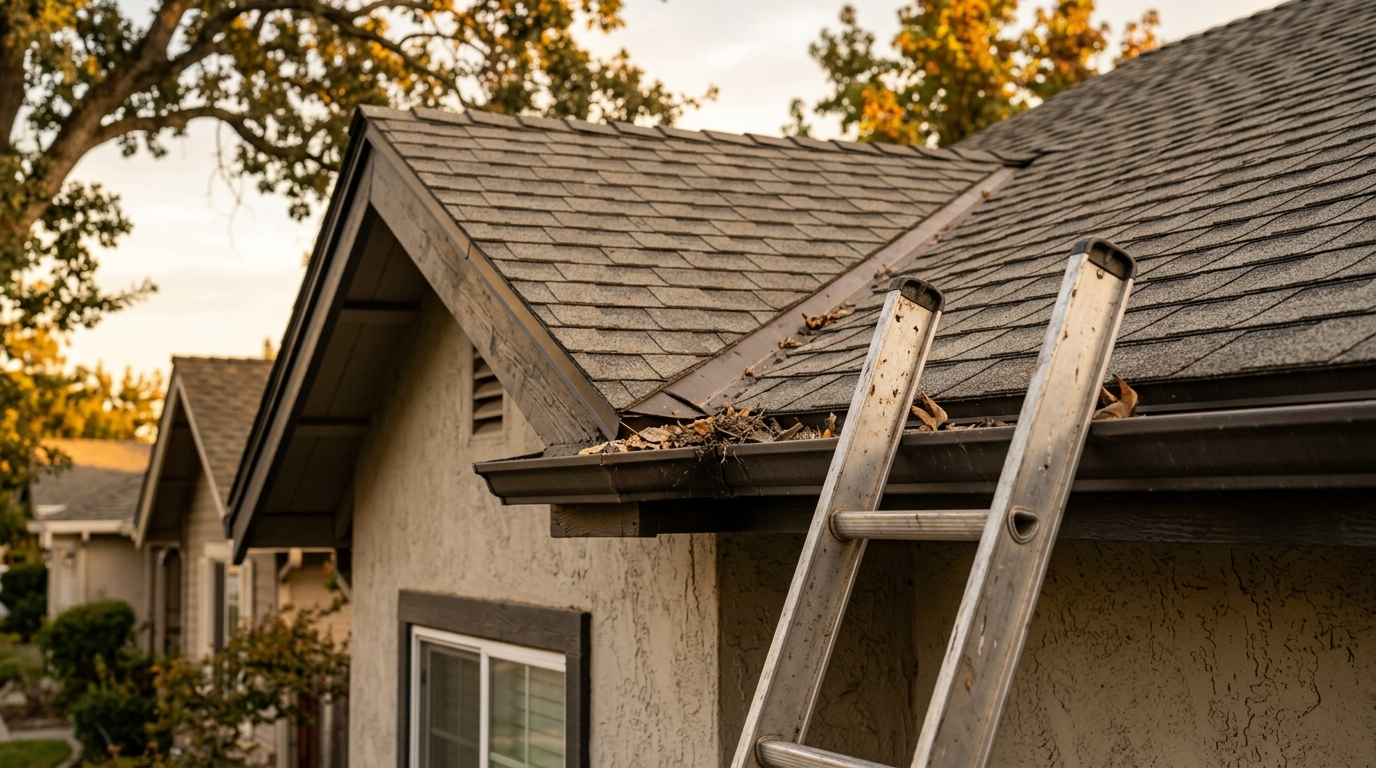
Most buyers in Lodi start with a general home inspection, then add a few targeted ones based on the property. For a typical home you'll usually want the general inspection plus a pest (wood-destroying organism) inspection, and depending on the house, a roof, sewer lateral, pool, or well and septic inspection. This guide walks through what each one covers, why it matters, and how the findings help you negotiate.
Buying a home is a big deal, and the inspection stage is where a lot of that "am I making a mistake?" worry lives. That's normal. The whole point of inspections is to trade uncertainty for information, so you can move forward with your eyes open. Let's break it down.
TL;DR: Nearly every Lodi buyer should get a general home inspection and a pest/termite inspection. Add specialty inspections (roof, sewer lateral, pool, well, septic) when the home has those features or shows warning signs. Inspections don't kill deals, they clarify them, and what they turn up can become part of your negotiation. Always confirm the right scope with a licensed inspector for your specific property.
Why Home Inspections Matter in Lodi
Lodi has a real mix of housing. You've got early 1900s bungalows near downtown, mid-century ranch homes, newer builds on the edges of town, and rural properties out toward Acampo and the county. Each type comes with its own quirks. An older home might have original plumbing or a roof that's near the end of its life. A rural property might rely on a well and septic system instead of city utilities. A general inspection is your baseline, but the smart move is matching your inspections to the actual house in front of you.
An inspection is not a pass/fail test, and it's not an appraisal. It's a trained professional walking the property and telling you the condition of what they can see and safely access. You'll get a written report, usually with photos, and often a summary of items that need attention. That report becomes one of your most useful tools during the rest of the transaction.
The General Home Inspection
This is the foundation. A licensed home inspector looks at the major systems and components of the house and reports on their condition. Generally, a home inspection covers things like:
- Roof (from what's visible), gutters, and drainage
- Foundation and visible structural elements
- Electrical panel, wiring, and outlets they can access
- Plumbing fixtures, water pressure, and visible pipes
- Heating and cooling systems
- Water heater
- Attic, insulation, and ventilation
- Windows, doors, and general interior condition
- Appliances that stay with the home
Keep in mind that a general inspection is visual and non-invasive. The inspector isn't opening up walls or digging up your yard. If they spot something that's beyond their scope, they'll often recommend a specialist take a closer look. That's your cue to consider one of the add-on inspections below.
Lodi summers get hot, so pay attention to what the report says about the air conditioning and the age of the HVAC system. Winters bring rain, so drainage and roof condition matter too. Your inspector can speak to what they see, but always confirm specifics with a licensed professional.
Common Add-On Inspections in Lodi
Pest / Termite (Wood-Destroying Organisms)
This one is common enough that many buyers treat it as standard. A pest inspection, sometimes called a wood-destroying organism (WDO) inspection, looks for termites, wood-boring beetles, dry rot, and fungus. California has plenty of termite activity, and older Lodi homes with wood framing and siding are worth checking. The report usually separates active issues from conditions that could lead to problems later. Repairs for active infestations can matter both for your safety and, in some cases, for your loan.
Roof Inspection
Your general inspector will look at the roof, but they're limited to what they can see safely. If the home has an older roof, obvious wear, or you just want a clearer picture of how many years are left, a dedicated roofing contractor can give a more detailed assessment. Roof replacement is one of the bigger-ticket items on a home, so knowing where it stands helps you plan and negotiate.
Sewer Lateral Inspection
This is an easy one to overlook and one I'd genuinely encourage you to consider, especially on older homes. A sewer lateral inspection uses a camera to look inside the pipe that runs from the house to the main sewer line. Tree roots, cracks, and collapses are common in older lines, and they're expensive to fix. Because the problem is underground, a standard inspection won't catch it. Lodi has plenty of mature trees and older neighborhoods, so a camera scope can be money well spent.
Pool and Spa Inspection
If the home has a pool or spa, get it looked at by someone who knows pools. Pumps, filters, heaters, plumbing, and the pool surface all age, and repairs add up quickly. A general inspector may note the pool exists but won't typically evaluate the equipment in depth.
Well and Septic (Rural and County Properties)
Out toward Acampo, Galt, and the more rural parts of San Joaquin County, many homes aren't on city water and sewer. Instead they have a private well and a septic system. These deserve their own inspections. A well inspection can check water flow and, separately, you can have the water tested for quality and safety. A septic inspection evaluates the tank and system condition. Both are important because problems here affect daily livability and can be costly to correct. If you're weighing a rural property, this is a must-discuss with your agent and a licensed inspector.
Other specialty inspections come up from time to time too, like chimney, foundation, mold, or environmental checks. Whether you need them depends on the home and what the general inspection turns up.
How the Inspection Process Works, Step by Step
Here's roughly how it goes once you're in contract:
- You get your inspection window. Your purchase contract includes a period of time to complete inspections. This is when the clock is running, so scheduling quickly helps.
- You hire licensed inspectors. Your agent can share names, but you choose. Line up your general inspection first, then add specialty inspectors as needed.
- You attend if you can. Walking the home with your inspector is genuinely useful. You'll learn how things work and can ask questions in real time.
- You review the reports. Read them carefully. Focus on health, safety, and big-cost items first, not every cosmetic nitpick.
- You decide on next steps. Based on the findings, you and your agent decide whether to request repairs, ask for a credit, renegotiate, or move forward as-is.
The point of precision here is simple: know what you're buying before your contingencies expire. Precision beats panic every time.
How Findings Inform Negotiation
This is where inspections pay for themselves. Once you know the condition of the home, you have options. You might ask the seller to make certain repairs before closing. You might ask for a credit toward closing costs so you can handle repairs yourself later. In some cases, you might renegotiate the price, and occasionally, if something major turns up, you might decide to walk away within your contingency period.
What's reasonable to ask for depends on the market at the time. In a competitive market, sellers may be less willing to negotiate on smaller items, while in a slower market you may have more room. Market conditions shift, so it's worth talking through current expectations with your agent. If you want a sense of how competitive offers work when inventory is tight, our guide on how bidding wars work in the Lodi market is a helpful companion read.
Common Mistakes
Skipping inspections to make an offer look stronger
In a hot market, some buyers waive inspections to compete. That's a real strategy, but it carries real risk. If you go that route, do it with full awareness of what you might be giving up. Talk it through with your agent first.
Only getting the general inspection
The general inspection is great, but it's visual and general. If the home has a pool, older sewer line, or is on a well and septic, the general report won't cover those in depth. Match your inspections to the property.
Focusing on cosmetic stuff
A chipped baseboard isn't the same as a failing roof. Sort findings by what actually costs money or affects safety, and don't let small items distract you from big ones.
Waiting too long to schedule
Your inspection window is limited. Booking inspectors early gives you time to review reports and bring in specialists if needed before your contingency ends.
Treating the report as a repair demand list
An inspection report is information, not a list of things the seller must fix. Use it to make smart requests, not to nickel-and-dime a deal you actually want.
Not reading the full report
The summary is handy, but the details matter. Read the whole thing, and ask your inspector to explain anything that's unclear.
A Couple of Real-World Scenarios
The older downtown bungalow. Say you're buying a charming older home near downtown Lodi. The general inspection looks solid, but the inspector notes some aging plumbing and lots of mature trees nearby. You add a sewer lateral scope and a pest inspection. The camera finds root intrusion in the old sewer line. Now you can ask for a credit to address it, instead of discovering it the hard way months after moving in.
The rural property near Acampo. You fall for a place with some land outside town. It's on a well and septic. Beyond the general and pest inspections, you have the well tested for flow and water quality and the septic system evaluated. Everything checks out, and you close knowing your water and waste systems are in good shape. That peace of mind is exactly what inspections are for.
Frequently Asked Questions
How many inspections do I really need in Lodi?
Most buyers get a general inspection plus a pest inspection at minimum. From there, add specialty inspections based on the home's features and age. Your agent and a licensed inspector can help you decide what fits your specific property.
Do I need a sewer inspection on an older home?
It's worth strong consideration. Older Lodi neighborhoods often have mature trees and aging sewer lines, and root intrusion is common. Because the pipe is underground, only a camera scope will show you its condition. Confirm with a licensed inspector whether it makes sense for your home.
What inspections do rural homes need?
Rural and county properties frequently rely on a private well and septic system. Those each deserve their own inspection, and you'll often want the well water tested for quality. A licensed inspector can confirm the right scope.
Can inspections help me negotiate?
Yes. Inspection findings can support a request for repairs, a credit, or a price adjustment, and in some cases give you a reason to walk away within your contingency period. What's realistic depends on current market conditions, so talk it through with your agent.
Should I attend the inspection?
If you can, yes. Walking the home with your inspector helps you understand the property and lets you ask questions on the spot.
Are home inspections required to buy in Lodi?
They're generally not legally required, but they're strongly recommended so you understand what you're buying. Your lender may also have requirements, so confirm with a licensed lender.
Ready to Buy in Lodi With Confidence?
If you're getting ready to buy in Lodi and want a clear plan for inspections and everything after, here are three easy first steps:
- Reach out for a no-pressure conversation about your goals and timeline.
- Get connected with a licensed lender so you know your budget before you shop.
- Let's map out which inspections make sense for the homes you're considering.
Jeremiah Patterson is a REALTOR® and Vice President at Cornerstone Real Estate Group in Lodi, California (CA DRE #02017640). Practicing since 2016, he is a Move-Up Specialist and out-of-state/remote seller specialist serving Lodi, Stockton, Woodbridge, Acampo, Galt, and San Joaquin County. He holds a 5.0 rating across verified client reviews, was named RateMyAgent County Top 5 for San Joaquin County five consecutive years (2022, 2026), and is a Lifetime Member of the Lodi Association of REALTORS® Masters Club. Reach him at (209) 329-7238 or jeremiah@sellingsanjoaquin.com.
If you're new to the area, you might also enjoy our guides on new construction vs. resale homes in Lodi and the pros and cons of living in Lodi, CA.
Jeremiah Patterson Cornerstone Real Estate Group 224 W Pine St, Lodi, CA 95240 Phone (209) 329-7238 Email jeremiah@sellingsanjoaquin.com CA DRE #02017640 · Brokerage DRE #01037761 Practicing since 2016
Categories
Recent Posts







GET MORE INFORMATION