What Should You Disclose When Selling a Stockton Home?
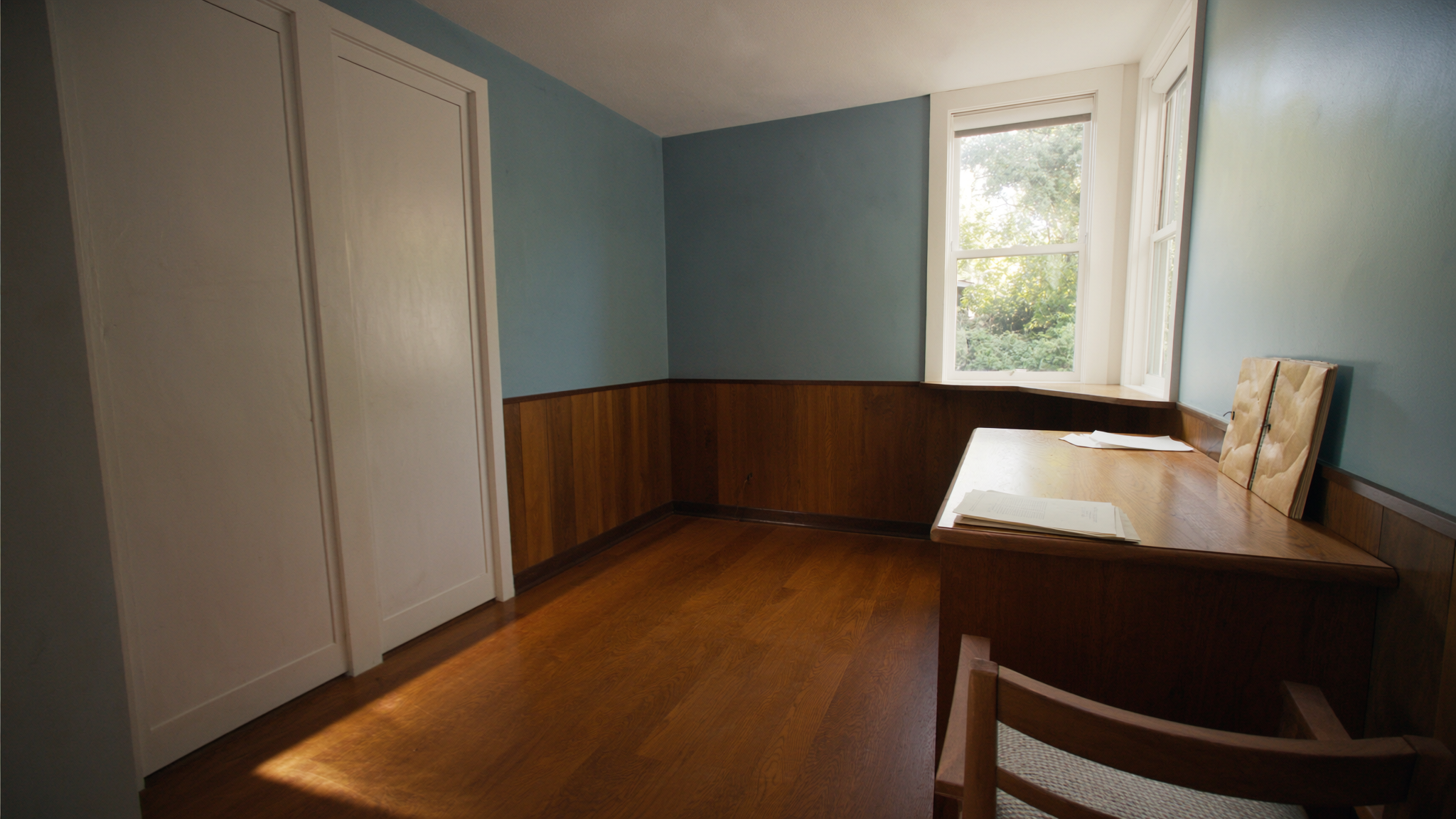
Selling a Stockton home requires disclosing known material facts about the property's condition, including issues like past repairs, water intrusion, foundation problems, and neighborhood hazards, using California's standard disclosure forms. Jeremiah Patterson, REALTOR® with Cornerstone Real Estate Group, walks San Joaquin County sellers through these requirements on every listing.
TL;DR: California law requires sellers to disclose known material facts that could affect a buyer's decision or the property's value, using forms like the Transfer Disclosure Statement (TDS) and Natural Hazard Disclosure (NHD). When in doubt, the safest approach is to disclose, omitting known issues creates legal risk that can follow you well after closing. Always confirm specifics with a real estate attorney for anything unusual or uncertain.
Why Do Disclosures Matter So Much in California?
California is known for having some of the strictest seller disclosure requirements in the country, and for good reason: the goal is to make sure buyers have a clear, honest picture of what they're purchasing before they commit. For sellers, taking disclosures seriously isn't just a legal formality. It's genuinely the best protection against a lawsuit down the road. Buyers who discover an undisclosed issue after closing can, in some cases, pursue legal action against the seller, even years later.
The general standard is that you must disclose known material facts, meaning things you're actually aware of that a reasonable buyer would want to know before deciding to purchase or how much to offer. You're not expected to disclose things you genuinely don't know about, but you are expected to disclose what you do know, even if it's unflattering or might affect your sale price.
What Forms Are Typically Required?
- Transfer Disclosure Statement (TDS): Covers the seller's knowledge of the property's condition, systems, and any known defects.
- Natural Hazard Disclosure (NHD): Identifies whether the property is in designated flood, fire, seismic, or other hazard zones.
- Seller Property Questionnaire (SPQ): A more detailed supplemental form many California transactions include, covering additional specifics.
- Lead-based paint disclosure: Required for homes built before 1978.
- HOA and other disclosures: If applicable, documents related to homeowners association rules, dues, and any pending assessments.
Your agent and escrow team will guide you through the exact forms required for your specific transaction. This list covers the most common ones, but requirements can vary.
What Kinds of Issues Actually Need to Be Disclosed?
Common examples sellers should think through include past roof leaks or repairs, foundation cracks or settling, plumbing or electrical issues, past pest or termite treatment, known mold, additions or remodels done without permits, neighborhood noise sources, and any pending or past disputes with neighbors related to the property, like fence or boundary lines. For homes near the Stockton Delta waterways, sellers should also think about any known flooding history or drainage issues specific to the property.
If you're ever unsure whether something needs disclosure, the safer path is almost always to disclose it and let the buyer make an informed decision, rather than guessing that it's not material. This is exactly the kind of gray-area question worth a quick conversation with your agent or a real estate attorney.
What About Properties Near the Delta or in Flood-Prone Areas?
Stockton's proximity to the Delta waterways means natural hazard disclosures often carry extra weight here compared to inland cities. If your property sits in or near a designated flood zone, this is typically identified through the Natural Hazard Disclosure report, but you should also share anything you personally know about drainage, past flooding, or water intrusion, even if it predates the official hazard mapping. Buyers considering homes near waterways often ask pointed questions about this, and a seller who can speak to it clearly and honestly tends to build more trust during negotiations than one who seems evasive.
What Happens If You Don't Disclose Something?
If a buyer later discovers a known issue that wasn't disclosed, they may have legal grounds to pursue damages, and in some cases, even unwind the sale. This risk doesn't have an expiration date the way some other legal claims do, which is why thorough, honest disclosure at the time of sale is so important. It's also worth noting that a seller genuinely unaware of an issue is in a very different legal position than one who knew and didn't disclose, which is another reason a pre-listing inspection can be valuable, since it surfaces issues you can then properly disclose.
How the Disclosure Process Works, Step by Step
- Complete the required disclosure forms honestly and thoroughly. Take your time, rushing through these increases the risk of missing something.
- Consider a pre-listing inspection. This can surface issues you weren't aware of, which you can then disclose and address or price around.
- Review disclosures with your agent before they go to buyers. A second set of eyes can catch gaps or unclear answers.
- Provide disclosures to buyers early in the transaction. California generally requires these to be delivered promptly once you're in contract.
- Keep records. Save copies of everything, along with any supporting documentation like repair receipts or contractor reports.
- Consult an attorney for anything unusual. Past insurance claims, boundary disputes, or major past repairs are worth a professional legal opinion.
Common Mistakes Sellers Make With Disclosures
- Assuming "if I don't mention it, it's not a problem." This is one of the riskiest assumptions a seller can make in California.
- Rushing through disclosure paperwork. These forms deserve careful, thoughtful answers, not a quick check-the-box approach.
- Forgetting about work done without permits. Unpermitted additions or remodels are a common disclosure gap that can surface during a buyer's due diligence.
- Not keeping documentation of past repairs. Receipts and contractor reports support your disclosures and can reduce buyer concerns.
- Skipping legal advice on unusual situations. Past insurance claims, litigation, or significant known defects deserve a real conversation with an attorney, not a guess.
One common situation is a seller who made a small repair years ago, like fixing a slow roof leak, and isn't sure whether it still needs to be disclosed, generally, yes, since it's a known past issue a reasonable buyer would want to know about. Another common situation is a seller inheriting a property with an unknown history who simply discloses what they do know and relies on a pre-listing inspection to fill in the rest.
Frequently Asked Questions
Do I have to disclose problems I fixed years ago? Generally yes, known past issues, even if repaired, are typically considered material facts a buyer would want to know about. Confirm specifics with your agent or a real estate attorney if you're unsure.
What if I genuinely don't know about a defect? You're generally only required to disclose what you actually know. That said, a pre-listing inspection can help surface issues so you have accurate information to disclose rather than relying on assumptions.
Do I need to disclose noise, like nearby traffic or trains? Material facts about the property and its immediate environment, including known nuisances, are generally worth disclosing. When in doubt, disclose and let the buyer factor it into their decision.
Are natural hazard disclosures required for every Stockton home? Most transactions include a Natural Hazard Disclosure report identifying flood, fire, and seismic zone status, since this is standard practice statewide. Your agent or a natural hazard disclosure company typically prepares this for you.
Can I be sued after closing for something I didn't disclose? Potentially, yes, if a buyer can show you knew about a material issue and failed to disclose it. This is exactly why thorough, honest disclosure at the time of sale is the best protection for sellers.
Ready to Sell Your Stockton Home the Right Way?
If you're preparing to sell and want to get your disclosures right from the start, a good first step is a conversation with an agent who can walk you through exactly what's typically required and flag anything that deserves a closer look. From there, a pre-listing inspection and a careful review of your paperwork can help you move forward with confidence.
Jeremiah Patterson is a REALTOR® and Vice President at Cornerstone Real Estate Group (CA DRE #02017640), with 220+ closed transactions and more than $87 million in San Joaquin County sales since 2016. His listings sell in a median of 13 days, with 55% under contract within 14 days, and he holds a 5.0 rating across 180 verified reviews (RateMyAgent 72, Realtor.com 61, Google 32, Yelp 15). He's a Move-Up Specialist and works with out-of-state, remote, and inherited/estate sellers as well as first-time buyers across Lodi, Stockton, Woodbridge, Acampo, Galt, and San Joaquin County. He was named RateMyAgent County Top 5 for San Joaquin County five consecutive years (2022, 2026) and is a Lifetime Member of the Lodi Association of REALTORS® Masters Club. Reach him at (209) 329-7238 or jeremiah@sellingsanjoaquin.com.
Start with the seller guide, get a home evaluation, review the 14-day pre-listing prep checklist, or reach out through the contact page with any questions about your specific property.
Jeremiah Patterson Cornerstone Real Estate Group 224 W Pine St, Lodi, CA 95240 Phone (209) 329-7238 Email jeremiah@sellingsanjoaquin.com CA DRE #02017640 · Brokerage DRE #01037761 Practicing since 2016
Categories
Recent Posts








GET MORE INFORMATION