How Do You Relist a Stockton Home After It Falls Out of Escrow?
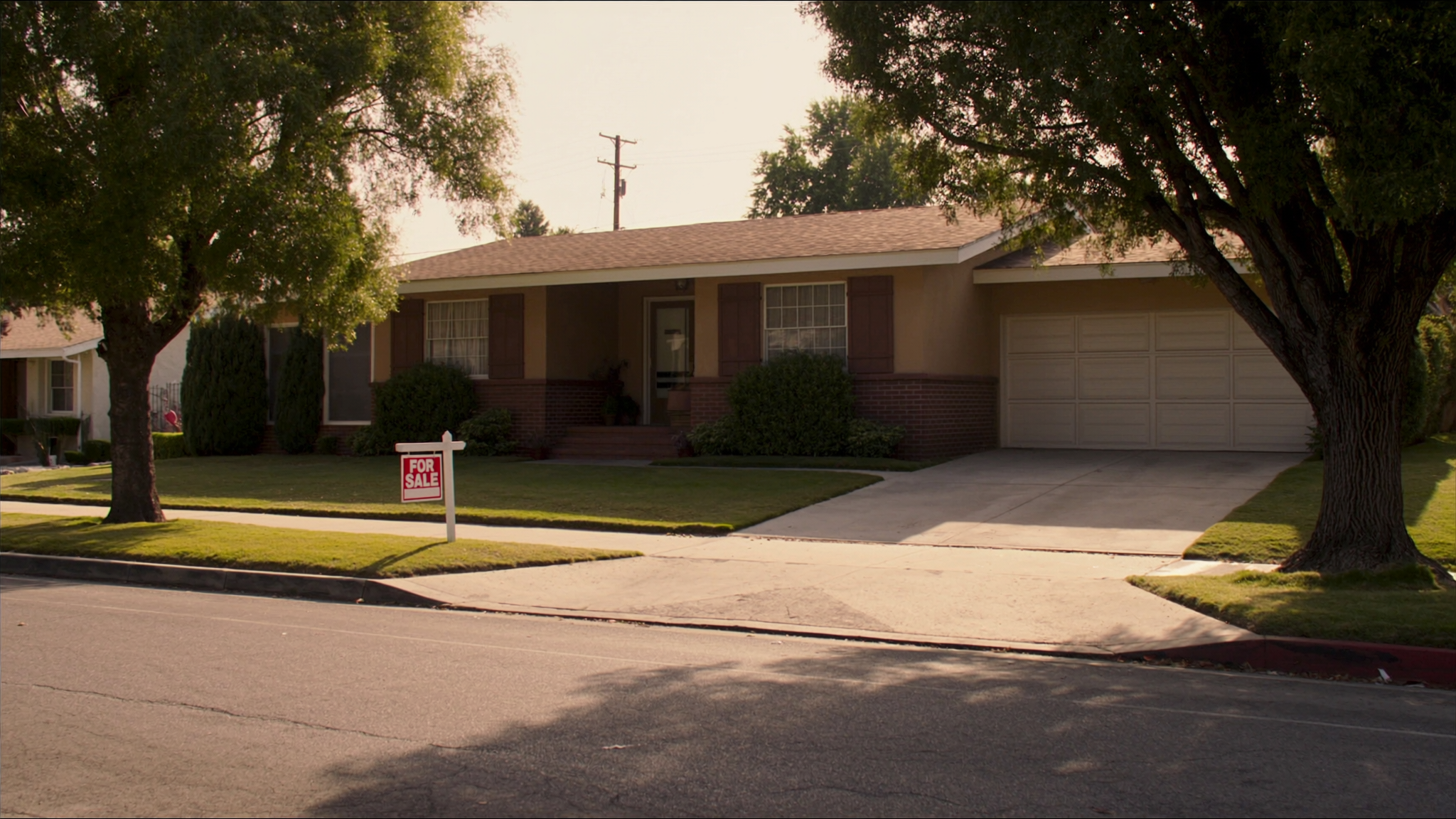
A Stockton home that falls out of escrow is not damaged goods, but it is carrying a story buyers can see. Before relisting, Stockton REALTOR® Jeremiah Patterson finds out exactly why the first deal died, fixes that specific problem, and rebuilds demand with fresh marketing so the home returns to market looking new instead of rejected.
The fear is specific: every buyer who looks at your listing now sees "back on market" and assumes something is wrong with the house. Some of them do. That assumption is fixable, and the fix is almost never a price cut on day one.
Here is how to turn a fallen out escrow into a clean second launch.
TL;DR: Identify the actual cause first, because financing, inspection, appraisal, and cold feet each require a completely different response. Repair or document whatever killed the deal, update your disclosures, refresh the media so the listing looks new, and relaunch with a targeted campaign that reaches buyers who never saw the first run. The back on market flag is a marketing problem before it is a pricing problem. Reduce price only after you have addressed the cause and given the new campaign a real look.
Why did the deal actually fall apart?
Everything downstream depends on this answer, so do not accept a vague one. There are only a handful of real causes and each points somewhere different.
Financing. The buyer's loan died. Credit shifted, employment changed, or the underwriter found something late. The most common cause, and the one with the least to do with your house. The fix is qualifying the next buyer harder.
Appraisal. The home did not appraise at the contract price and nobody bridged the gap. That is a value conversation with real data behind it.
Inspection. The buyer's inspector found something and the buyer either wanted more than you would give or lost confidence. This one requires action on the property or the paperwork.
Buyer remorse. They got scared, a life event happened, they found something else. Nothing to fix except screening better next time.
Contingency on their own sale. Their house did not sell, so yours could not close.
Write down which one it was. If your agent cannot tell you clearly, that is its own problem.
Does "back on market" really hurt you?
It costs you something, but far less than sellers imagine, and the damage is manageable.
Buyers see a status change and a cumulative days on market number. What they infer depends entirely on what the listing looks like when they see it. A home that comes back with the same tired photos, the same description, and no explanation invites the worst assumption. A home that comes back with new photography and inspection paperwork already available reads as an organized seller whose deal died for reasons unrelated to the house.
Also remember that a large share of the buyers active right now were not shopping when your home first listed. Buyer pools turn over constantly. To them, this is a new listing with a slightly longer history. Reaching those people is a marketing question, not a price question.
Should you fix what the inspection found?
If inspection killed the deal, yes, deal with it before you relist. You know that item exists now, and you cannot unknow it.
That has two consequences. First, it almost certainly belongs on your disclosures, because a known material fact is a known material fact regardless of which buyer discovered it. What you should disclose when selling a Stockton home covers the obligation. This is not legal advice, and if you are unsure how much of a prior buyer's report you must share, ask a real estate attorney.
Second, you choose the framing. Three defensible options:
Fix it and document it. Best when the item is scary sounding but bounded. A licensed contractor and a paid invoice in the listing file removes the objection for the next buyer.
Get a bid and disclose it. Best when the fix is large or you would rather not front the cash. A written estimate tells the next buyer what it costs instead of letting them invent a number, and buyers always invent a bigger number than the contractor does.
Price it in and sell as is. Legitimate, but only when the disclosure and the bid are on the table so the buyer sees you already accounted for it. Whether to sell a Stockton home as is or make repairs first goes deeper.
Anything involving permits, structural work, or code questions routes to a licensed contractor and, where applicable, the City of Stockton or San Joaquin County building department.
What if the appraisal was the problem?
An appraisal miss is the one cause that genuinely points at price, and it deserves a clear eyed look rather than a defensive one.
Get the appraisal if you can. Read which comparable sales the appraiser used and how they adjusted. Sometimes the selection is arguable, especially in a neighborhood with mixed housing stock. Sometimes the appraiser simply reflected the market accurately and the contract price was ahead of it.
Then rebuild your comparable analysis from scratch, using current closed sales, current pending activity, and current competition rather than adjusting the old number by feel. How to price a Stockton home in a slower market walks through the method.
One caution: a single appraisal is one licensed opinion on one day for one lender. If a cash buyer or a buyer with a large down payment comes next, the constraint changes shape entirely.
How do you make the relist look like a new listing?
This is where most sellers underinvest, and it is where the recovery actually happens.
New photography, not the old set. If the season changed or anything in the house changed, reshoot. Even if nothing changed, a different shoot with different composition makes the listing read as new. The gap between professional media and casual media is wide on any listing and wider on a relist, because you have an objection to overcome. Professional photography versus phone photos and the listing math covers the economics.
Rewrite the description completely. Different lead, different emphasis. If the old copy did not produce a closed sale, it does not deserve a second run.
Add video if you did not have it. Video is how a buyer decides to show up in person, and on a relist you need every click to convert into a showing.
Refresh the physical presentation. Restage if the staging is stale, and deal with anything that says the home has been sitting: overgrown landscaping, dust, mail piled up. Run the 14 day pre listing prep checklist for Stockton sellers again as if this were the first time.
Have the paperwork ready to hand over. Prior inspection report, repair invoices, contractor bids, updated disclosures. A buyer who gets a complete package at first showing negotiates from information rather than suspicion.
Why marketing beats a price cut on a relist
The instinct almost every seller has after a fallout is to come back cheaper and hope that fixes it.
Sometimes price genuinely is the issue, and if the appraisal came in low and your comparable analysis agrees, adjust. But in most fallouts the deal died for a reason that had nothing to do with price. A loan collapsed. A buyer got cold feet. An inspection item scared someone off. Cutting the price solves none of those, and it does something worse: it tells the market you are in trouble, which invites lower offers than the ones you were already getting.
What rebuilds a listing is demand. Not exposure, demand. Passive syndication puts your home in front of whoever happens to be browsing that price band this week. Targeted, paid campaigns put it in front of the specific Stockton buyer segments most likely to want this home, including the large group who were not shopping during your first run. Targeted digital buyer outreach for Stockton sellers explains how that gets built.
That is the core of the Master Listing Strategy: manufacture competing interest so the next buyer is not negotiating alone. Marketing creates demand. Price alone does not.
How long should you wait before relisting?
Long enough to fix something, short enough that the market does not forget you. If the cause was financing or buyer remorse and the home is ready, going back on quickly is fine. If the cause was inspection or appraisal, take the time to complete the repair or redo the pricing work, because coming back in a week with the same unresolved item just resets the clock on the same problem.
Ignore the myth that withdrawing a listing for a set number of days resets days on market. Rules vary by MLS, and gaming the counter is a poor substitute for fixing the listing.
Step by step: relisting a Stockton home after a fallout
- Get the real cause in writing: financing, appraisal, inspection, remorse, or contingent sale.
- Request the buyer's inspection report and appraisal if you have not received them.
- Update your disclosures with everything you now know, and confirm the scope with your agent or an attorney.
- Decide fix, bid, or price in for each material item, with written quotes rather than assumed costs.
- Rebuild the comparable analysis from current data, not from the number you started with.
- Reshoot the media and rewrite the listing copy completely.
- Redo the physical prep so nothing signals a home that has been sitting.
- Build the targeted campaign before relaunch day, aimed at segments who never saw the first run.
- Relaunch and measure for two weeks: views, saves, showing requests, offers. Those four tell you whether the problem is reach or price.
- Screen the next buyer harder: underwritten preapproval, a call with their loan officer, and a realistic look at any contingency on their own sale.
Common Mistakes to Avoid
Cutting the price first and asking questions later. If the deal died over financing, a price cut fixes nothing and signals distress to every buyer watching.
Relisting with the identical photos and copy. The listing looks exactly as unwanted as it did before, and the back on market flag confirms the suspicion.
Hiding the prior inspection findings. You know about them now. Withholding known material facts creates real risk, and the next inspector will very likely find the same thing.
Blaming the buyer and moving on. Even when the fallout was not your fault, there is usually something to tighten: buyer screening, disclosures, media, campaign.
Waiting passively for the market to change. Sitting on market with no new activity is the one thing that genuinely does damage a listing's reputation.
Skipping the lender conversation on the next offer. A preapproval letter is a piece of paper. A five minute call with the loan officer about how the file was underwritten is information.
Treating one low appraisal as your home's official value. It is one opinion, on one day, for one lender, on one buyer's loan.
What This Looks Like in Real Life
A Stockton seller goes under contract in week one, then loses the buyer at day thirty when the buyer's employment changes and underwriting stops the loan. Nothing was wrong with the house. Rather than relisting at a lower number, the seller uses the delay: the yard gets refreshed, the home is rephotographed, the description is rewritten around a different lead feature, and the disclosures are assembled cleanly. The relaunch runs a paid targeted campaign toward segments who were not active during the first listing period. The next offers come from people who never saw the original run.
A second scenario: a home falls out after the buyer's inspection turns up a plumbing issue the seller did not know about. That one genuinely needed action. A licensed plumber diagnoses and repairs it, the seller keeps the invoice, adds the item and the resolution to the disclosures, and relists with the paperwork attached. The next buyer sees a documented, closed out issue instead of an open question. Same finding, opposite effect, because it arrived as history rather than as a discovery.
Neither predicts your result. Every fallout has its own cause. But the pattern holds: diagnose, fix, refresh, and relaunch with real demand behind it.
Frequently Asked Questions
Does a home that falls out of escrow sell for less?
Not automatically. It sells for less when it comes back looking identical to the listing that did not work. When the cause is addressed and the listing is genuinely relaunched, plenty of homes go back under contract at or near the original number.
Do I have to tell the next buyer why the first deal fell through?
You generally must disclose material facts about the property, which includes what a prior inspection revealed. Why a particular buyer's financing failed is different information. Discuss the specifics with your agent, and if there is any question about scope, ask a real estate attorney.
Can I withdraw the listing to reset days on market?
Rules differ by MLS, so ask your agent what applies locally. More importantly, resetting a counter does not fix whatever caused the fallout, and buyers who track a neighborhood tend to remember the home either way.
Should I switch agents after a fallout?
Ask a better question first: can your current agent tell you precisely why the deal died and show you a specific, different plan for the relaunch? If the plan is "lower the price and try again," that is not a plan.
How soon can I put the home back on the market?
As soon as it is genuinely ready: cause addressed, disclosures updated, media refreshed, campaign built. Rushing back unprepared usually produces the same result twice.
Will the buyer's earnest money come to me?
It depends on which contingencies were still in place and what the contract says. How earnest money deposits work in San Joaquin County explains the framework. Any actual dispute over release of funds is a legal question for an attorney.
Ready to relaunch your Stockton listing the right way?
A relist is a second first impression. Three steps:
- Nail down the real cause and get the prior inspection and appraisal in your hands.
- Rebuild the value picture from current data before you touch the price. Start with a free home evaluation.
- Rebuild the media and the campaign so the relaunch reaches buyers who never saw the first run. Get in touch and we will map out the repair, the paperwork, and the launch.
Jeremiah Patterson is a REALTOR® and Vice President at Cornerstone Real Estate Group (CA DRE #02017640), with 220+ closed transactions and more than $87 million in San Joaquin County sales since 2016. His listings sell in a median of 13 days, with 55% under contract within 14 days, and he holds a 5.0 rating across 180 verified reviews (RateMyAgent 72, Realtor.com 61, Google 32, Yelp 15). He's a Move-Up Specialist and works with out-of-state, remote, and inherited/estate sellers as well as first-time buyers across Lodi, Stockton, Woodbridge, Acampo, Galt, and San Joaquin County. He was named RateMyAgent County Top 5 for San Joaquin County five consecutive years (2022-2026) and is a Lifetime Member of the Lodi Association of REALTORS® Masters Club. Reach him at (209) 329-7238 or jeremiah@sellingsanjoaquin.com.
If your listing is coming back on, start with why a Stockton listing gets showings but no offers and the 14 day pre listing prep checklist. Then read targeted digital buyer outreach for Stockton sellers, because reaching a fresh buyer pool is what makes a second launch work.
Jeremiah Patterson
Cornerstone Real Estate Group
224 W Pine St, Lodi, CA 95240
Phone (209) 329-7238
Email jeremiah@sellingsanjoaquin.com
CA DRE #02017640 · Brokerage DRE #01037761
Practicing since 2016
Categories
Recent Posts








GET MORE INFORMATION