How Do You Handle a Lowball Offer on a Stockton Home?
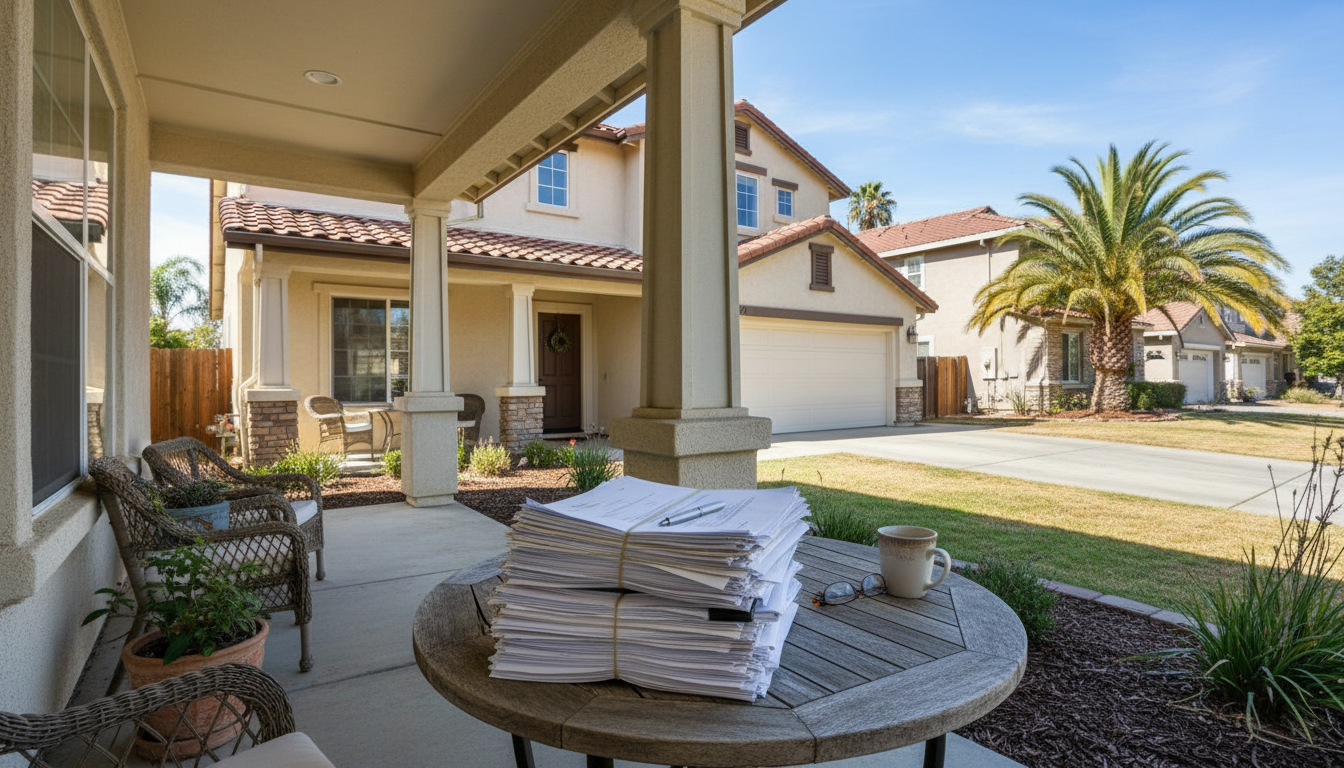
Counter it. Almost never reject it outright. A lowball offer on a Stockton home is information, not an insult, and Jeremiah Patterson treats it as the start of a negotiation: verify the buyer's financing, read what the offer says about your marketing, and counter with terms and a number you can defend.
The fear is that responding at all signals weakness and invites a second, lower number. The opposite is closer to true. Silence tells a buyer nothing. A firm, well documented counter tells them you know what your home is worth and that a real deal is available if they get serious.
Here is how to work one.
TL;DR: Read the offer completely before reacting to the price, because the terms often matter more than the number. Find out who the buyer is and whether they can actually close. Then decide what the offer is telling you: a bargain hunter testing every listing, a buyer who read your days on market as motivation, or an honest signal that your price or marketing needs work. Counter almost every time, trade terms when you cannot move on price, and never respond emotionally. If lowballs are all you get, the problem is usually exposure or presentation, not buyer behavior.
What actually counts as a lowball offer?
Less than you think, and the definition matters because it changes your response.
An offer that lands meaningfully below asking is not automatically a lowball. It might come from a real analysis that says your list price is high, or from a buyer trading price for certainty, and it might be strong once you account for what they are waiving.
A true lowball is an offer well outside any defensible range, usually with weak terms attached, from a buyer throwing numbers at multiple listings to see what sticks. That is a different animal and deserves a different response.
So before you decide which one you have, read the whole thing.
What should you look at before you react to the number?
The terms, in this order:
- Financing. Cash, conventional, FHA, or VA. Is a preapproval or proof of funds attached, and is it from a lender you have heard of?
- Earnest money deposit. How much, and how quickly it goes into escrow. The clearest signal of how serious a buyer is. How earnest money deposits work in San Joaquin County explains what deposit levels signal.
- Contingencies. Inspection, appraisal, loan, and the timelines on each. Shorter periods carry real value.
- Closing timeline. Does it match what you need, and can their lender actually hit it?
- Requests for credits or repairs. Sometimes the real price is lower than the price.
- Who pays what. Fees and costs allocated in the offer change the net.
- Contingent on selling another home. This changes the risk profile entirely.
An offer that is low on price but clean on terms, with a solid deposit and a short inspection window, can be worth more than a higher number from a buyer who needs everything to go perfectly. Net proceeds and probability of closing are what actually matter.
Why did you get a lowball offer?
There are only a handful of real reasons, and yours determines the strategy.
They test every listing. Some buyers and agents write low on everything as a matter of practice. They expect a counter. Nothing personal.
They read your days on market as motivation. A listing that has been sitting invites buyers to assume the seller is tired. The most common cause, and a marketing problem more than a pricing one.
They saw something you did not disclose or fix. Deferred maintenance, an obvious repair item, a dated system. They priced their impression of the work into the offer.
They ran the comparable sales and think you are high. Worth taking seriously. Ask their agent what they used. If the analysis is sound, you have learned something.
They saw a price reduction. Reductions signal that more may be coming, which is one reason to be deliberate about cutting.
Your marketing reached the wrong audience. If the buyers seeing your home are not the buyers who want it, the offers reflect that.
Ask the buyer's agent directly how they arrived at the number. Most will tell you, and the answer is free information.
Should you ever reject a lowball outright?
Rarely, and usually for reasons other than the price.
Rejection without a counter ends the conversation and gives you nothing. Even a buyer who opened absurdly low sometimes has real capacity, and the only way to find out is to put a number back in front of them.
There are cases where declining makes sense: no proof of funds and no preapproval, a buyer who will not put meaningful earnest money at risk, terms that are unworkable regardless of price, or conduct that suggests the transaction will be a fight throughout. In those cases you are not rejecting a price, you are declining a counterparty.
Otherwise, counter, and counter promptly. A slow response reads as disorganization or desperation, and neither helps you.
How do you counter a lowball offer?
With documentation and calm, and with terms doing as much work as price.
Counter close to your position, not to the middle. Meeting a lowball halfway rewards the tactic and drags the eventual midpoint far below where it should be. A small, deliberate move from list price says the number is real.
Attach your reasoning. Send the comparable sales that support your price. A buyer looking at data negotiates differently than a buyer guessing. Include a pre listing inspection, repair receipts, or upgrade records, because they undercut the assumption of hidden work.
Trade terms when you will not trade price. The closing date they want, a rent back, a change to a contingency. Terms often cost less than dollars and they let the buyer feel they won something.
Ask for terms in return. If you come down, ask for a larger deposit, a shorter inspection period, or a faster close. Price concessions should buy certainty.
Set an expiration. A response deadline creates urgency and keeps the negotiation from drifting.
Keep the tone professional in every written word. Never write anything you would not want the buyer to see.
Decide your walk away number before you start, so the negotiation does not talk you past it.
If you are unsure about the legal effect of a counter, a contingency, or a specific clause, that is a question for a real estate attorney.
What if you keep getting lowball offers?
Then stop treating them as individual events and start treating them as a pattern.
Repeated low offers with few showings usually mean an exposure problem. The buyers who would pay your price are not seeing the listing. Cutting price to fix that is expensive and often fails, because the same wrong audience simply sees a cheaper version of the same listing.
Repeated low offers with plenty of showings usually mean the home is not converting once people are inside: condition, layout, photos that oversold, or a price the interior does not support. Why a Stockton listing gets showings but no offers covers diagnosing that.
Either way, check the campaign before you check the price. The Master Listing Strategy view is straightforward: lowball offers are what happens when demand is thin, and demand is manufactured by marketing rather than discovered by waiting. Targeted digital buyer outreach for Stockton sellers covers how to reach the buyers most likely to want your home, and it is almost always cheaper than the reduction you were about to make.
Marketing creates demand. Price alone does not, and price alone in front of the wrong audience creates nothing but a smaller number.
Should you cut your price instead of negotiating?
Not as your first move, and not in response to a single offer.
One low offer is one buyer's opinion. Two or three from unrelated buyers, plus solid showing traffic, is market feedback worth acting on. The distinction matters because a reduction is public, permanent, and read by every buyer watching, including the one who just lowballed you and is now waiting for the next cut.
If your price genuinely is high, the honest fix is a meaningful adjustment supported by the comparable sales, not a series of small ones that train buyers to wait. How to price a Stockton home in a slower market covers how to size one so it accomplishes something.
Before you touch price at all, be honest about condition. If buyers are pricing in repairs, sometimes the better answer is to address them. Whether to sell a Stockton home as is or make repairs first works through that trade.
What happens after you accept a lower offer?
The negotiation is not over, so protect yourself on the way through.
Buyers who negotiate hard on price often negotiate again after inspections. Expect a repair request and decide in advance how you will handle it. Deliver complete disclosures early, because surprises found later become leverage. What you should disclose when selling a Stockton home covers what belongs in the file.
Watch the appraisal and the loan contingency timeline closely, because a buyer who stretched to reach your number has financing that deserves attention. How long it really takes to close on a Stockton home sale lays out the sequence so you can tell early whether things are on track.
Step by step: working a lowball offer
- Read the offer fully before reacting to the number.
- Verify the buyer. Preapproval or proof of funds, lender quality, deposit size, and how they have behaved so far.
- Calculate your net under their terms, not just their price.
- Ask the buyer's agent how they got to the number, and listen to the answer.
- Compare against your comparable sales and decide honestly whether their analysis has merit.
- Set your walk away number before you write anything.
- Counter near your position with documentation attached and a response deadline.
- Trade terms rather than price wherever you can: closing date, rent back, contingency timelines.
- Ask for certainty in exchange for any price movement, especially a larger deposit or shorter contingencies.
- If it dies, keep the door open with a professional final message, and review your campaign before considering a reduction.
Common Mistakes to Avoid
Taking it personally. The buyer is not evaluating your taste or your life. They are trying to buy a house for less, and emotion in a negotiation costs money.
Refusing to respond. Silence ends a conversation that might have become a deal.
Countering at the midpoint. Splitting the difference with a lowball rewards the tactic and anchors the rest of the negotiation too low.
Ignoring the terms. A lower price with a strong deposit, short contingencies, and a clean close can net you more than a higher price that falls apart.
Skipping buyer verification. A number in a contract means nothing without the ability to fund it.
Cutting your price after one low offer. One buyer's opinion is not the market. Wait for a pattern.
Writing anything emotional. Assume every message you send will be read by the buyer and their agent.
Slamming the door. Deals revive. A polite decline preserves the option. A hostile one does not.
Blaming the buyer for a marketing problem. If lowballs are all you see, look at who your listing is reaching.
What This Looks Like in Real Life
A seller gets an offer well below asking on a Stockton home a few weeks into the listing. The instinct is to reject it. Instead the offer gets read completely. The buyer is preapproved with a well known lender, the deposit is meaningful, and they want a longer closing window because of a lease. The seller counters near list price, attaches the comparable sales that support the number, and gives the buyer the longer close in exchange for a shorter inspection period. Two rounds later the deal lands much closer to asking than to the opening offer, because what the buyer actually needed was the timeline.
A second scenario: a seller receives three low offers in two weeks from unrelated buyers, all citing the same significant repair item visible from the driveway. That is not a coincidence, it is a message. Rather than reducing, the seller gets two written bids, completes the repair, refreshes the photos, and relaunches the campaign toward buyers who want a move-in ready home. The offers that follow come from a different kind of buyer entirely, because the listing is no longer advertising a project.
Neither predicts your outcome. But the pattern holds: read before you react, verify the buyer, counter with documentation, and treat repeated low offers as data about your marketing rather than bad luck.
Frequently Asked Questions
Should I respond to an offer that feels insulting?
Almost always yes. A counter costs you a signature and tells you whether there is a real buyer behind the number. Rejecting outright ends a conversation that sometimes turns into a sale you would accept.
How far below asking is actually a lowball?
There is no universal threshold. It depends on your list price, your days on market, and current conditions in your part of Stockton. What matters is whether the offer sits inside a range your comparable sales can defend. Verify that range for your address rather than working from a general rule.
Should I tell the buyer my lowest acceptable price?
No. Know your walk away number privately and negotiate toward it. Naming your floor makes it the new ceiling.
Does countering close to list price scare buyers off?
Serious buyers expect a counter and read a confident one as information, not rejection. Buyers who disappear because you did not fold were unlikely to reach your number anyway. Attaching your reasoning makes the counter look considered rather than stubborn.
Is a cash lowball better than a financed full price offer?
Sometimes. Cash removes appraisal and loan risk, which has real value if you need certainty on timing, but cash buyers often expect a discount for exactly that reason. Compare net proceeds and probability of closing side by side rather than reacting to the word cash.
What if we counter and still do not agree?
Leave the relationship intact and keep marketing. Buyers who walk away frequently return, particularly if nothing better appears. A professional final message makes that easy for them.
Ready to negotiate from a position of strength?
A lowball offer is a starting point, and the sellers who do best treat it that way. Three steps:
- Verify the buyer before you discuss the number. Financing, deposit, and contingencies tell you what the offer is really worth.
- Get a documented value picture so your counter rests on comparable sales rather than conviction. Start with a free home evaluation.
- If low offers are a pattern, review the campaign before you touch the price. Get in touch and we will look at the offer, the traffic, and the marketing together.
Jeremiah Patterson is a REALTOR® and Vice President at Cornerstone Real Estate Group (CA DRE #02017640), with 220+ closed transactions and more than $87 million in San Joaquin County sales since 2016. His listings sell in a median of 13 days, with 55% under contract within 14 days, and he holds a 5.0 rating across 180 verified reviews (RateMyAgent 72, Realtor.com 61, Google 32, Yelp 15). He's a Move-Up Specialist and works with out-of-state, remote, and inherited/estate sellers as well as first-time buyers across Lodi, Stockton, Woodbridge, Acampo, Galt, and San Joaquin County. He was named RateMyAgent County Top 5 for San Joaquin County five consecutive years (2022-2026) and is a Lifetime Member of the Lodi Association of REALTORS® Masters Club. Reach him at (209) 329-7238 or jeremiah@sellingsanjoaquin.com.
If low offers keep arriving, read why a Stockton listing gets showings but no offers and how to price a Stockton home in a slower market. Once in contract, how long it really takes to close on a Stockton home sale tells you what to watch.
Jeremiah Patterson Cornerstone Real Estate Group 224 W Pine St, Lodi, CA 95240 Phone (209) 329-7238 Email jeremiah@sellingsanjoaquin.com CA DRE #02017640 · Brokerage DRE #01037761 Practicing since 2016
Categories
Recent Posts








GET MORE INFORMATION