What Happens When a Lodi Buyer Tries to Renegotiate After the Contingency Period Ends?
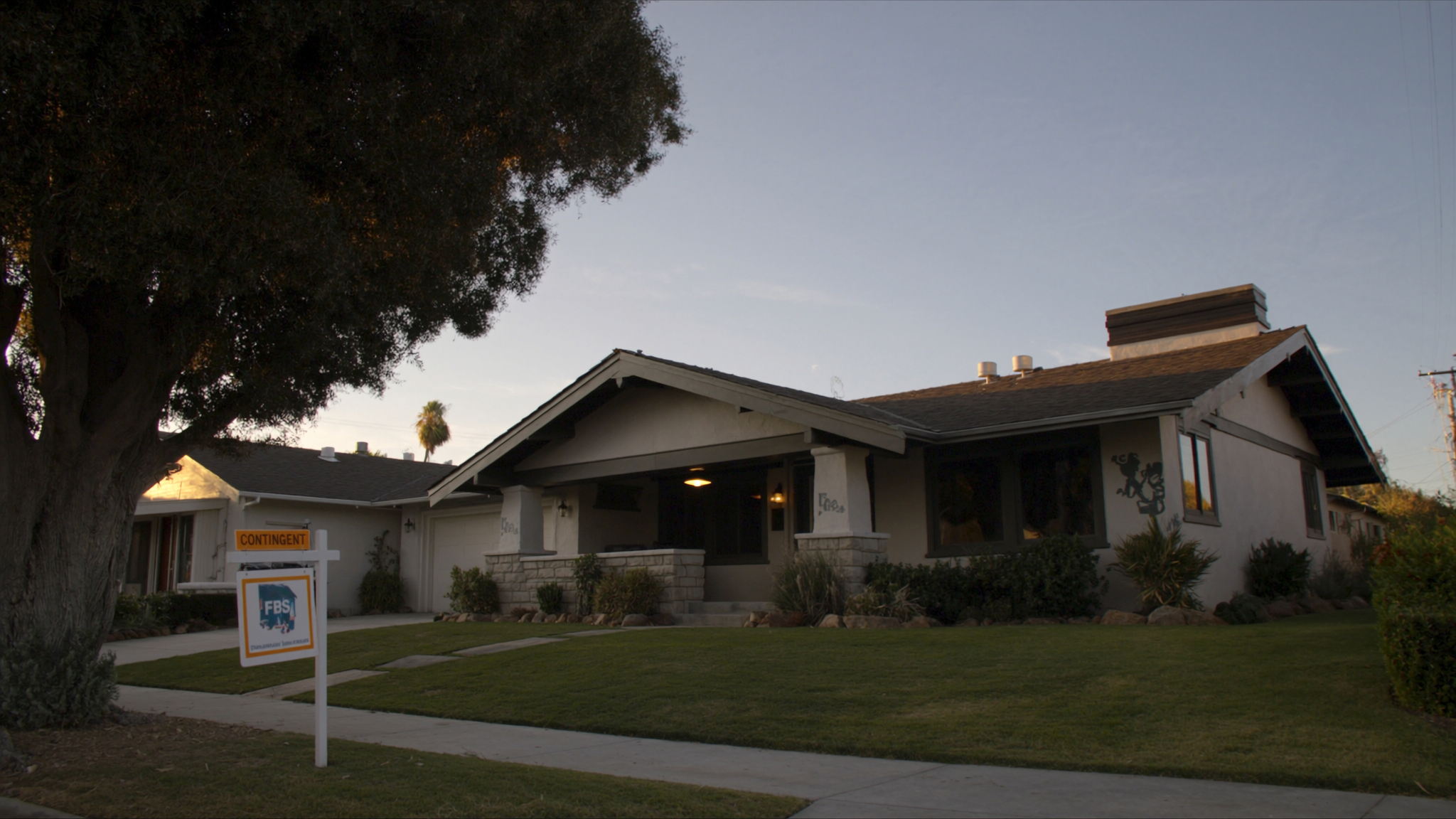
Once a Lodi buyer removes their inspection contingency, they've generally given up the contractual right to demand repairs, and their deposit is usually at risk if they walk. Lodi REALTOR® Jeremiah Patterson treats a late renegotiation attempt as a negotiation, not an obligation, and answers it in writing within a day so the buyer can't use silence as leverage.
That word "usually" is doing real work, and we'll get to why. But the fear first, because that's what's actually happening to you.
You thought you were done. You started packing. You may have written an offer on your next place. Then a text arrives asking for money you didn't budget, days before signing. The question underneath it is simple: if I say no, do I lose everything? Usually not, and the sellers who understand why usually keep their price.
TL;DR: After contingencies are removed, a Lodi buyer generally has no contractual right to demand repairs or a price reduction, and walking typically puts their earnest money at risk. That doesn't make every late request illegitimate, and it doesn't mean you refuse reflexively. It means you're negotiating from strength. Respond fast, in writing, with facts, and decide based on your real alternatives rather than fear of starting over.
What Does Removing a Contingency Actually Do?
A contingency is a condition that lets a buyer exit and get their deposit back. In a standard California residential purchase agreement, the common ones are the investigation or inspection contingency, the loan contingency, and the appraisal contingency.
While those are active, the buyer holds the exit. That's the window where repair requests belong, and the 17 day inspection contingency in California explains how that period is meant to run.
When the buyer removes a contingency in writing, they're telling you they're satisfied and committing. From that moment the balance flips. They can still walk, but walking now generally means walking away from their deposit.
So when a request arrives after removal, the honest framing is this: they're asking you for a favor and describing it as a demand. Those are very different things, and your response should reflect which one it actually is.
Why Do Buyers Try This So Often?
Four reasons, and they call for different responses.
They found something real late. A final walkthrough turns up a leaking water heater, or an agreed repair that never got done. That deserves a real answer.
Their loan changed. Rates moved, their ratios shifted, or the underwriter tightened a condition. Now they need cash they don't have. This one is common and usually genuine.
Cold feet dressed as a repair request. They've kept shopping, or a relative walked through and made a comment. The request is a way to renegotiate their own anxiety.
Deliberate strategy. A small number of buyers wait until the seller is emotionally and logistically committed, then ask. They're betting you've already moved on and will pay to avoid disruption.
You can't respond intelligently until you know which one you're looking at. That's the first question, not the last.
Are You Required to Give Them Anything?
Generally no. That's the point of the removal.
But this is where careful language beats confident internet advice. Whether a buyer retains any right depends on the specific contract, what was removed and when, whether repairs were promised and documented, whether a new material defect arose after removal, and whether your disclosures were complete.
Those distinctions have legal consequences and I'm not the person to rule on them. If a buyer is asserting a right you don't think they have, talk to a licensed California real estate attorney early, before you send a reply you can't take back.
What I can tell you is the practical reality: after a clean removal, the seller usually isn't obligated to reopen price or repairs, and a buyer who walks is generally risking their deposit.
What Actually Happens to the Deposit?
Every seller asks this, and it has the least satisfying answer.
The deposit doesn't automatically land in your account. Escrow generally can't release funds without mutual written instructions or a resolution of the dispute. So if the buyer walks and refuses to sign a cancellation releasing the money, the funds can sit. California purchase agreements typically include a process for handling this, with potential consequences for a party who unreasonably refuses to sign.
Translation: the deposit is real leverage, but it isn't an instant payday, and how it gets resolved is a legal question. Ask an attorney what your agreement provides before you make a threat you may not want to follow through on.
The more useful way to think about it is as a deterrent. Buyers who are bluffing rarely torch a deposit over a modest repair request.
What if the Request Comes From the Appraisal or the Walkthrough?
These are the two most common legitimate triggers.
A low appraisal after the appraisal contingency was removed generally means the buyer agreed to cover the gap. If they come back asking you to split it anyway, that's a request, not a right. How the appraisal process works in Lodi home sales covers what a shortfall really signals.
A final walkthrough issue is different. The walkthrough isn't a second inspection and it isn't a chance to relitigate the original report. It confirms the property is in substantially the same condition and that agreed repairs were completed. If something broke since removal, that's fair. If the list is full of things visible on day one, that's a renegotiation attempt wearing a costume.
How Should You Respond Without Blowing Up the Deal?
Speed and tone matter more than volume.
Respond in writing within 24 hours. Calm and specific. Silence reads as weakness and lets the other side build a story.
Ask for the basis. What are they citing, and what documentation supports it? A lot of late requests dissolve the moment someone asks for the bid behind them.
Separate legitimate from opportunistic. A newly failed water heater and a discount request on a crack from the original report are not the same thing. Treat them differently and say why.
Know your alternatives before you answer. Backup interest, current showing activity, and how fast you'd be back under contract are your real leverage. How bidding wars work in the Lodi market explains how depth of demand becomes negotiating power weeks later.
Consider a small, framed concession if the issue is real. Not because you owe it, but because a genuinely broken thing is cheaper than a fallout. Frame it as a goodwill accommodation tied to closing on schedule, not as an admission of obligation.
Say no plainly when the answer is no. A clear, unemotional refusal closes more of these than sellers expect.
Why This Is Really a Marketing Problem
Here's what nobody tells sellers: your leverage in a late renegotiation was determined weeks earlier, by how your home was brought to market.
A listing launched with real reach, professional presentation, and a coordinated push to the actual buyer pool generates competition. Competition creates backup offers. Backup offers are why you can say "no thank you" and mean it.
A listing that dribbled onto the market and sat has no depth behind it. That seller negotiates alone, and the buyer can tell.
That's the core of a Master Listing Strategy. Marketing creates demand. Price alone doesn't. And demand is what's still working for you on day 30, in a text you never wanted to receive. How to price a Lodi home in a slower market covers the pricing half of that same equation.
How It Works: The Step by Step
-
Confirm what was removed and when. Pull the signed removal forms and verify the dates. Don't work from memory.
-
Get the request in writing. If it came by text, ask for a formal document with supporting materials.
-
Identify which of the four motives you're facing. Real defect, financing shift, cold feet, or strategy. Your answer depends on it.
-
Verify anything they claim is new. A newly failed system is verifiable. Get eyes on it.
-
Check your own position. Backup offers, showing activity, and what a relist would cost you in time and carrying costs.
-
Call an attorney if they're asserting a legal right. Before you respond, especially if "material defect" or "nondisclosure" appears.
-
Send one written response with a decision deadline, and keep preparing to close while you wait. Acting like the deal is dying makes it more likely to die.
Common Mistakes to Avoid
Answering emotionally. The first draft of your reply is for you. Don't send it. The second one closes the deal.
Going silent to punish them. Silence doesn't read as strength. It reads as panic, or as an opening.
Paying to make it go away without asking why. Concede without understanding the motive and you've taught the buyer that asking works. There's often a second request coming.
Threatening the deposit casually. Deposit disputes have legal mechanics you may not want to trigger. Don't threaten until an attorney tells you what your agreement supports.
Confusing the walkthrough with a second inspection. Know the difference and say it out loud, politely, the moment the list arrives.
Forgetting a fallout creates new disclosure obligations. Anything real they surfaced becomes a known material fact for the next buyer, which factors into whether conceding is actually cheaper than starting over. What you should disclose when selling a Lodi home covers the standard.
What This Looks Like in Real Life
Scenario one. A seller in central Lodi is eight days from closing with contingencies removed on schedule. The buyer's agent texts asking for a credit, citing "concerns from the inspection." The seller replies in writing asking which specific line items and what documentation supports the number. Nothing comes back for two days. Then the buyer's agent writes that their client is fine and would like to proceed as written. Nothing was conceded. One clear question ended it.
Scenario two. A different Lodi seller gets a walkthrough report three days out showing the HVAC isn't cooling. That's genuinely new. The seller has a licensed HVAC contractor there the next morning, confirms a failed capacitor, has it repaired for a modest amount, and sends the buyer the invoice and a photo of the working thermostat. The cost is small, the buyer's confidence goes up rather than down, and the deal closes on time. The difference between the two scenarios wasn't toughness. It was accuracy about what was actually true.
Frequently Asked Questions
Can a Lodi buyer still ask for repairs after removing the inspection contingency?
They can ask. Generally they have no contractual right to demand them and you're typically under no obligation to agree. Whether an exception applies to your specific contract, especially if a new material defect appeared after removal, is a legal question for a licensed California real estate attorney.
Do I keep the earnest money if the buyer walks after removing contingencies?
Usually the deposit is at risk for the buyer at that point, but it isn't automatic. Escrow generally requires mutual written cancellation instructions or a resolution of the dispute before releasing funds. Ask an attorney what your agreement provides before treating the deposit as money in hand.
How fast should I respond to a late renegotiation request?
Within a day, in writing. Speed signals confidence and stops the other side building a narrative in the gap. It also protects your closing timeline, which matters more than sellers realize once movers and rate locks are scheduled. How long it really takes to close on a Lodi home sale shows how little slack a late request leaves.
What if the buyer says they'll cancel unless I agree?
Take it seriously but not personally. Ask them to put the cancellation threat in writing alongside the request. Buyers genuinely willing to lose a deposit and restart their search rarely need to threaten. The ones who do are usually testing.
Should I ever just pay it to keep the deal together?
Sometimes. If the issue is real, the amount is modest relative to a fallout, and you have a hard timeline on your next purchase, paying can be rational. Make it a calculated decision with a number attached, not a reflex. The cost to sell a house in Lodi helps you compare a concession against what another month on market actually costs.
Does a failed deal hurt my next listing?
It doesn't have to. The return to active status is visible and the story needs handling, but a home that comes back with a resolved issue and a fresh marketing push usually sells fine. The damage comes from relisting unchanged and hoping.
Ready to Answer This From Strength Instead of Fear?
If a late request just landed, don't reply yet. Do these three things first.
-
Send me the request and your signed contingency removals. I'll tell you what they can actually enforce and what they're just hoping for.
-
Let's assess your real alternatives today. Backup interest, current market activity, and what a relist would genuinely cost. That's your leverage, and it's usually stronger than it feels.
-
Book a call before you respond in writing. We'll draft a reply that's calm, factual, and firm, and that keeps the buyer at the table instead of pushing them out of it.
Reach me through the contact page, or if you're earlier in the process, start with a free home evaluation.
Jeremiah Patterson is a REALTOR® and Vice President at Cornerstone Real Estate Group (CA DRE #02017640), with 220+ closed transactions and more than $87 million in San Joaquin County sales since 2016. His listings sell in a median of 13 days, with 55% under contract within 14 days, and he holds a 5.0 rating across 180 verified reviews (RateMyAgent 72, Realtor.com 61, Google 32, Yelp 15). He's a Move-Up Specialist and works with out-of-state, remote, and inherited/estate sellers as well as first-time buyers across Lodi, Stockton, Woodbridge, Acampo, Galt, and San Joaquin County. He was named RateMyAgent County Top 5 for San Joaquin County five consecutive years (2022-2026) and is a Lifetime Member of the Lodi Association of REALTORS® Masters Club. Reach him at (209) 329-7238 or jeremiah@sellingsanjoaquin.com.
For more on protecting your position through escrow, read how to sell my house in Lodi, CA for the full sequence, and what your home is worth in Lodi so you know exactly what you're defending.
Jeremiah Patterson
Cornerstone Real Estate Group
224 W Pine St, Lodi, CA 95240
Phone (209) 329-7238
Email jeremiah@sellingsanjoaquin.com
CA DRE #02017640 · Brokerage DRE #01037761
Practicing since 2016
Categories
Recent Posts








GET MORE INFORMATION