What Should You Disclose When Selling a Lodi Home?
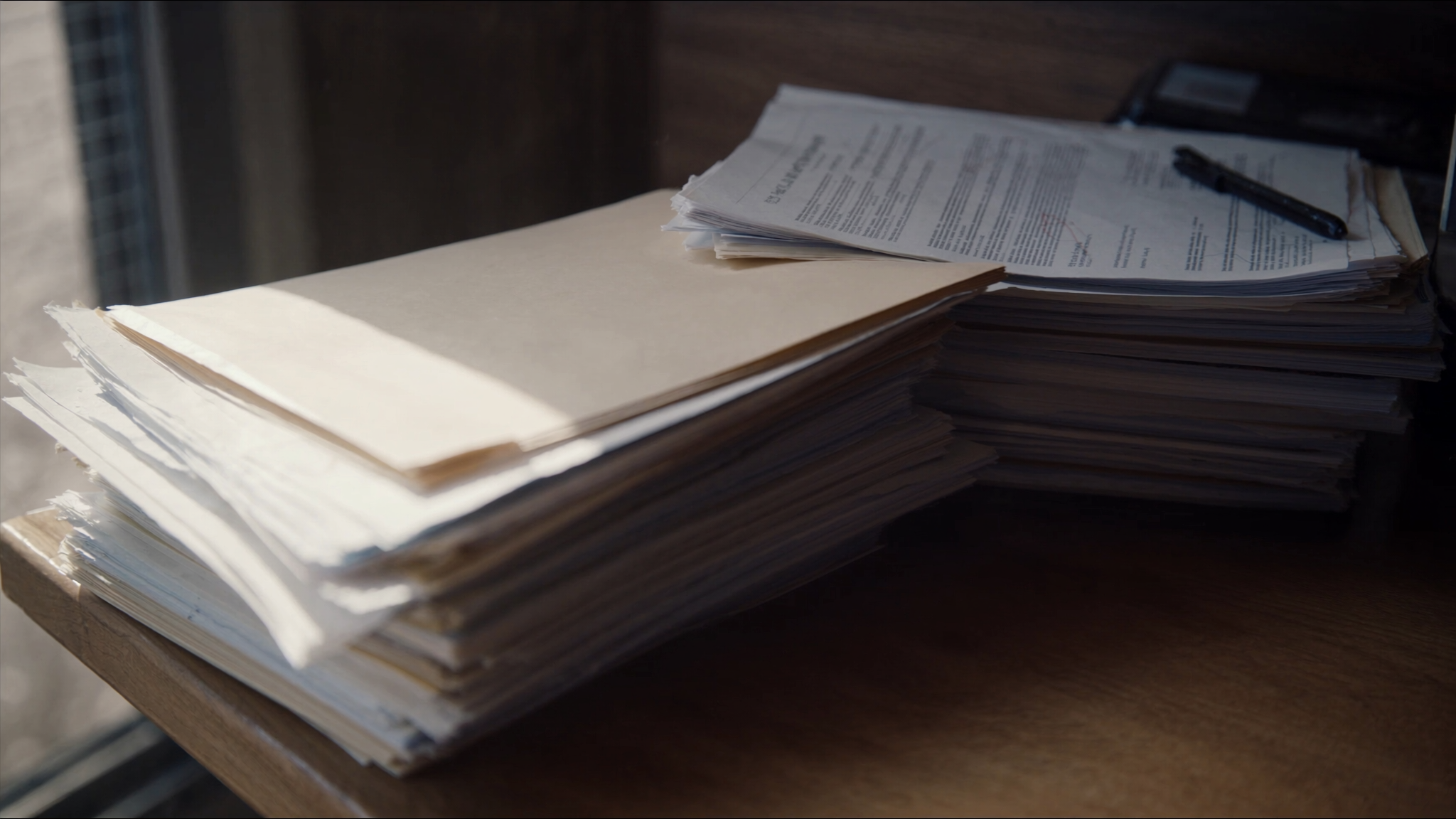
California law requires Lodi home sellers to disclose known material facts about their property's condition, generally through forms like the Transfer Disclosure Statement, and REALTOR® Jeremiah Patterson walks sellers through what needs to be disclosed so nothing derails closing or creates liability after the sale.
TL;DR: California requires sellers to disclose known material facts affecting a property's value or desirability, typically through standard disclosure forms completed with your agent. This covers known defects, past repairs, certain environmental and neighborhood conditions, and more. Disclosure requirements are legal matters that change over time, so this is a general overview, confirm your specific obligations with your agent and a real estate attorney.
Why Do Disclosures Matter So Much?
Disclosures protect both sides. For buyers, they provide the information needed to make an informed decision. For sellers, complete and accurate disclosures are one of the best protections against a lawsuit after closing, if a buyer later claims you knew about a problem and didn't tell them, your disclosure paperwork is your defense. Skipping or downplaying known issues, even ones you think are minor, creates real legal risk.
It's worth remembering that disclosure obligations generally apply to what you actually know, not necessarily what a professional inspector might eventually find. This is exactly why being thorough and honest about your own knowledge and experience with the property, water intrusion you noticed years ago, a repair that didn't fully resolve an issue, a neighbor dispute, matters so much. You're not expected to be an inspector yourself; you're expected to share what you actually know.
What Generally Needs to Be Disclosed?
Known material defects
Anything you know is wrong with the property, structural issues, past water damage, roof problems, foundation concerns, electrical or plumbing issues, generally needs to be disclosed, whether or not you've fixed it.
Past repairs and their outcomes
If you've had major repairs done, a roof replacement, foundation work, mold remediation, that history is typically relevant and often needs to be disclosed, even if the work was completed successfully.
Environmental and neighborhood conditions
Depending on the property and area, certain environmental hazards, nearby conditions, and specific disclosures required for California properties may apply. These vary by location and situation, so confirm exactly what applies to your property with your agent.
Permits and unpermitted work
If additions, room conversions, or other work were done without proper permits, that's generally something buyers need to know, since it can affect financing, insurance, and future resale.
Deaths on the property and other legally defined disclosures
California has specific rules about what needs to be disclosed regarding deaths on a property and certain other circumstances, with defined timeframes and exceptions. Confirm current requirements with your agent or an attorney, since these rules are specific and shouldn't be guessed at.
What Disclosure Forms Should You Expect to Complete?
Beyond the well-known Transfer Disclosure Statement, California sellers typically complete several other standard forms as part of a sale, covering topics like natural hazard zones, seller awareness of the property's condition beyond the main disclosure form, and, depending on the property, specific local or regional disclosures. Your agent should walk you through exactly which forms apply to your specific sale, since requirements can vary by property type, location, and current law. Treat this part of the process as more than paperwork to sign quickly, the time you spend thinking through each question carefully is time well spent protecting yourself later.
How Does the Disclosure Process Work, Step by Step?
- Complete required disclosure forms with your agent. Your agent will walk you through California's standard disclosure forms and any local or property-specific ones that apply.
- Be thorough, not minimal. When in doubt about whether something is "material," disclose it. Erring toward more information protects you.
- Include documentation where you have it. Permits, repair records, and inspection reports support your disclosures and build buyer confidence.
- Update disclosures if something changes. If a new issue arises after you've submitted disclosures but before closing, you generally need to update them.
- Keep copies of everything. Retain your disclosure paperwork and supporting documents well after closing.
- Consult an attorney for anything uncertain. If you're unsure whether something needs disclosure, a quick conversation with a real estate attorney is worth it.
How Long Should You Keep Your Disclosure Records?
Once closing is complete, it's tempting to consider the paperwork finished, but holding onto your disclosure documents and supporting records for several years afterward is a reasonable precaution. Claims related to undisclosed issues can sometimes surface well after closing, and having your original disclosure forms, any pre-listing inspection reports, repair invoices, and permit records readily available makes it far easier to respond if a question or dispute ever arises. Keeping both physical and digital copies, stored somewhere you'll actually be able to find them years later, is worth the modest effort involved. If you're working with a real estate attorney on your sale, ask them for their specific recommendation on how long to retain these records given your situation.
Common Mistakes to Avoid
Assuming "as-is" removes disclosure obligations. It doesn't. Selling as-is affects negotiating position, not your legal duty to disclose known material facts.
Downplaying past issues that were "already fixed." Even successfully repaired problems, like a past roof leak or foundation work, often still need to be disclosed as part of the property's history.
Forgetting about unpermitted work. A converted garage or added room without permits is a common disclosure gap that can surface during a buyer's due diligence and create problems later.
Relying on memory instead of documentation. Pulling together permits, repair invoices, and past inspection reports helps you disclose accurately and completely.
Treating disclosure as a formality to rush through. Taking the time to be thorough protects you far more than treating disclosure forms as paperwork to get past quickly.
What This Looks Like in Real Life
One common situation is a seller who had a roof leak repaired years ago and initially wonders whether it's worth mentioning since it's "already fixed"; disclosing it anyway, along with the repair documentation, actually builds buyer confidence rather than raising concern. Another common scenario involves a home with a converted bonus room done without permits decades ago; disclosing this clearly upfront lets buyers factor it into their decision rather than discovering it later and questioning what else wasn't shared. A third common situation involves a seller who genuinely isn't sure whether a past issue, an old, resolved pest problem, needs to be disclosed; a quick conversation with their agent or an attorney settles the question rather than guessing.
Frequently Asked Questions
What is a Transfer Disclosure Statement?
It's a standard California form where sellers disclose known facts about a property's condition, systems, and history. It's one of several disclosure documents typically required in a California home sale. Your agent provides and helps you complete the specific forms that apply to your sale.
Do I have to disclose problems I already fixed?
Generally, yes. Past issues, even successfully repaired ones, are often still considered relevant to disclose, since they're part of the property's history. Confirm exactly what applies to your situation with your agent or an attorney.
What happens if I don't disclose something and the buyer finds out later?
You could face legal liability, including potential lawsuits, if a buyer can show you knew about a material issue and didn't disclose it. Complete, accurate disclosure is one of your best protections as a seller.
Do I need to disclose unpermitted work on my home?
Generally, yes, unpermitted additions or alterations are typically something buyers need to know about, since they can affect financing, insurance, and future resale. Confirm your specific obligations with your agent.
Should I hire an attorney to review my disclosures?
For most straightforward sales, your agent can guide you through standard disclosure forms. If your property has unusual history, past legal issues, or complex ownership circumstances, having a real estate attorney review your disclosures is a reasonable extra step.
What if I'm not sure whether something needs to be disclosed?
When in doubt, disclose it, or ask your agent or a real estate attorney before deciding to leave it out. Erring on the side of more information generally protects you better than guessing wrong about what counts as material.
Ready to Handle Disclosures for Your Lodi Home Sale?
Concrete first steps: start gathering permits, repair records, and inspection history now, talk with us about which disclosure forms apply to your property, and get a free home evaluation to pair with your disclosure planning.
Jeremiah Patterson is a REALTOR® and Vice President at Cornerstone Real Estate Group (CA DRE #02017640), with 220+ closed transactions and more than $87 million in San Joaquin County sales since 2016. His listings sell in a median of 13 days, with 55% under contract within 14 days, and he holds a 5.0 rating across 180 verified reviews (RateMyAgent 72, Realtor.com 61, Google 32, Yelp 15). He's a Move-Up Specialist and works with out-of-state, remote, and inherited/estate sellers as well as first-time buyers across Lodi, Stockton, Woodbridge, Acampo, Galt, and San Joaquin County. He was named RateMyAgent County Top 5 for San Joaquin County five consecutive years (2022, 2026) and is a Lifetime Member of the Lodi Association of REALTORS® Masters Club. Reach him at (209) 329-7238 or jeremiah@sellingsanjoaquin.com.
Explore the Lodi real estate hub, review what to fix before selling in Lodi, and see how the appraisal process fits alongside disclosures. When you're ready, reach out to talk through your specific property.
Jeremiah Patterson Cornerstone Real Estate Group 224 W Pine St, Lodi, CA 95240 Phone (209) 329-7238 Email jeremiah@sellingsanjoaquin.com CA DRE #02017640 · Brokerage DRE #01037761 Practicing since 2016
Categories
Recent Posts







GET MORE INFORMATION