What Happens if the Buyer's Home Sale Contingency Falls Apart in Lodi?
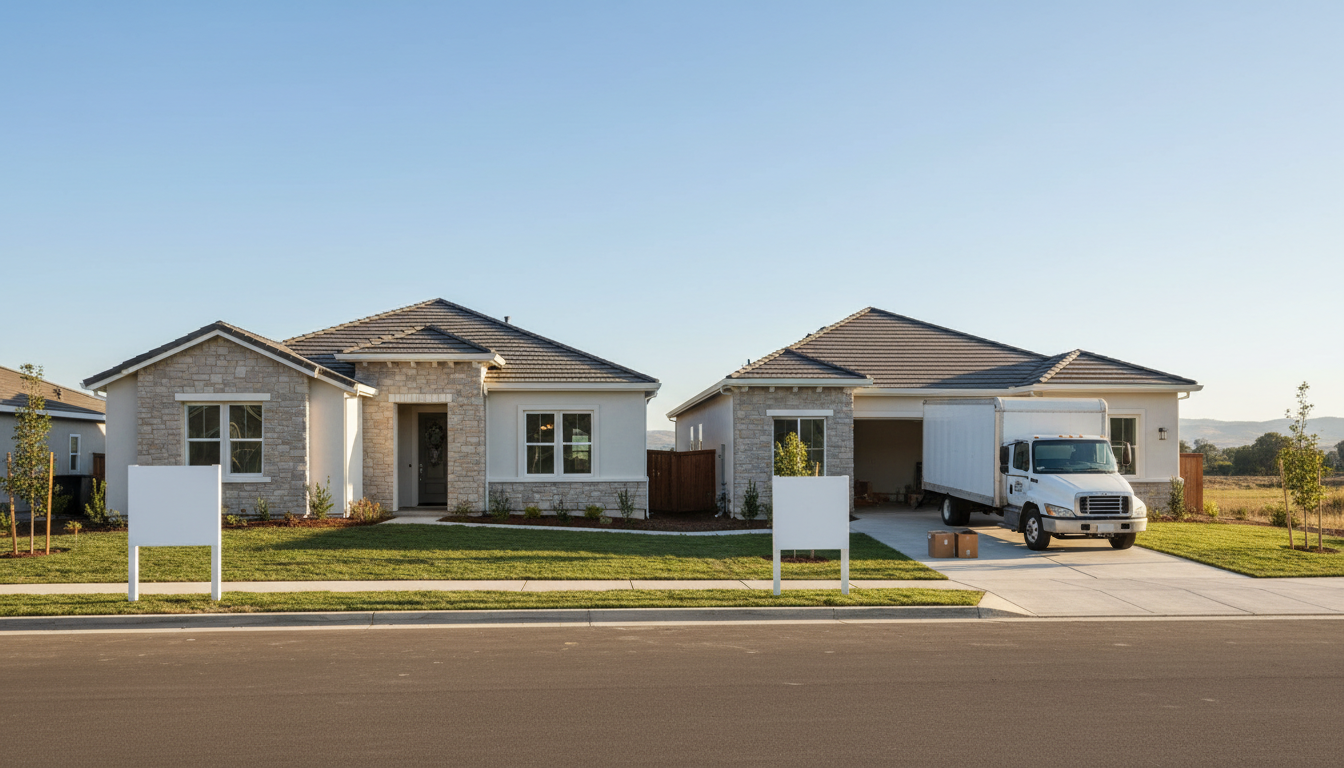
If your buyer's own home sale collapses, their contingency usually lets them cancel or ask for more time, and your Lodi home goes back on the market. Lodi REALTOR® Jeremiah Patterson keeps backup interest alive during escrow and moves quickly on the relaunch, so a failed contingency costs you a few weeks instead of a season.
Nobody warns you how that phone call feels. You've mentally moved out, you may have written an offer on your next house, and now the thing you thought was done is undone. The good news is that this is recoverable, and how fast you recover depends almost entirely on what was set up before it happened.
TL;DR: A home sale contingency means your buyer's purchase depends on selling their current home. If their sale falls apart, they typically have a contractual right to cancel and recover their deposit, or to ask for an extension. Your options are to grant more time, renegotiate, or cancel and return to market. The homes that recover fastest are the ones marketed properly the first time, because the buyer pool didn't disappear, it just moved on. Anything involving the deposit or your legal rights under the contract belongs with a real estate attorney.
What Is a Home Sale Contingency?
It's a condition in the purchase contract stating that the buyer's obligation to buy your home depends on their own home selling first. Sometimes it also requires their sale to actually close, not just go under contract.
That means two transactions chained together, with yours downstream. Your closing depends on their closing, which depends on their buyer's loan, their buyer's inspection, and their buyer's willingness to keep going.
California contracts handle contingencies with specific timeframes and removal procedures, and the language varies. What your contract says about cancellation rights, deposit release, and notice requirements is a legal question. If you're in the middle of one right now, have a real estate attorney read your actual contract rather than any general description, including this one.
Why Do These Deals Fall Apart?
Usually not because the buyer changed their mind. Usually because something broke one link down the chain. Their buyer's financing fell through. An appraisal came in short. An inspection turned up something significant. Or their home simply didn't sell, because it was overpriced or poorly marketed, and they ran out of runway on your timeline.
That last version is the most common and the most preventable. A home that isn't selling is usually a marketing or pricing problem, and both were visible weeks before the contingency deadline arrived. Which is exactly why the questions we ask at the offer stage matter so much.
What Are Your Options When It Breaks?
Realistically, you have four paths, and the right one depends on your timeline and your leverage.
Grant an extension. If their sale is nearly back on track, more time may be the cheapest solution. I'd want something in exchange: a shortened extension, a release of some or all of the deposit, removal of other contingencies, or a price adjustment.
Renegotiate the structure. Sometimes the buyer can proceed without selling first, using a bridge loan or different financing. Their lender decides whether that's possible.
Cancel and relist. Clean, and often the right call if their sale is genuinely dead rather than delayed. The faster you make this decision, the better your position.
Keep it alive while marketing again. Depending on your contract, you may be able to keep showing the home and accept a backup offer while their situation resolves. Some contracts include release clauses letting you require the buyer to remove their contingency or step aside when a better offer arrives. Whether yours does is a question for your attorney.
How Much Does This Actually Cost You?
Less than sellers fear, if the home was marketed well and you act quickly.
The real costs are time, carrying costs for the extra weeks, and days on market. That last one is what people obsess over. It matters, but less than the story around it. A home back on the market with a clear explanation, a buyer whose own sale fell apart, reads very differently than a home that has quietly sat for months.
Where it becomes genuinely expensive is when the seller has already committed to a purchase on the other side. If you wrote an offer on your next home counting on these proceeds, a failed contingency puts pressure on that deal too. That's the scenario worth planning for in advance, and it's a major reason the sell first or buy first decision in Lodi deserves real thought before you're in the middle of it.
What About the Buyer's Deposit?
This is where sellers most often expect a payday and don't get one.
In general, a buyer who cancels properly within an active contingency is typically entitled to their deposit back. That's what the contingency is for. Deposits become contested when a buyer cancels after removing contingencies, misses a deadline, or the situation is ambiguous.
Being direct: do not take advice from an article about whether you can keep a deposit. That's a legal determination based on your contract, the notices exchanged, and the timing. Talk to a real estate attorney. Escrow generally won't release disputed funds without mutual written instructions, so a deposit fight can tie up your money and your energy for a long time.
Often the more valuable question isn't "can I keep the deposit," it's "how fast can I get this home sold to someone else."
How Do You Avoid This in the First Place?
You can't eliminate the risk. You can shrink it substantially, and most of that work happens at the offer stage.
When a contingent offer arrives, here's what I want to know before we respond. Is their home already under contract or still just listed? If listed, how long, and what has activity looked like? Is it priced sensibly? Is their buyer's financing solid? What contingencies remain on their sale? And can I get a straight answer out of their agent?
An offer where their house is already in escrow with contingencies removed is a fundamentally different animal than one where their home hasn't sold yet. Same contract language, completely different risk.
We can also build protections into the acceptance: shorter contingency periods, a release clause if the contract allows it, a larger deposit, and an agreement to continue marketing.
Why Marketing Is Your Actual Insurance Policy
Here's the part that almost never gets said in articles about contingencies. The best protection against a failed contingency isn't clever contract language. It's having had more than one interested buyer in the first place.
When a home generates real competition at launch, three things happen. You get the leverage to decline a weak contingency or demand better terms. You may not need to accept a contingent offer at all. And if a deal collapses, there are still people who wanted this house, so the recovery is a phone call rather than a fresh start.
That's what the Master Listing Strategy is designed to produce. Preparation before launch, professional photography and video, positioning built around the specific buyer for this home, and distribution that goes well beyond people already watching Lodi listings, since a real share of demand here comes from the Bay Area and Sacramento. Then a coordinated launch that concentrates attention rather than letting it trickle in.
Marketing creates demand. Price alone does not. A home priced aggressively with weak marketing gets one buyer if it's lucky, and that one buyer sets all the terms. Why the first 14 days determine how many offers a Lodi home gets explains the mechanics, and it's exactly why sellers with strong launches survive broken deals so much better.
What to Do When It Happens, Step by Step
-
Get the facts in writing. Not a rumor from the other agent. What happened on their sale, and is it dead or delayed?
-
Read your contract with your attorney. Cancellation rights, notice requirements, deposit handling, any release clause. Know your position before negotiating from it.
-
Decide your timeline. If you're chasing a purchase on the other side, you have less room to be patient. If not, an extension may cost you nothing.
-
Ask for something in exchange for any extension. Time has value. Trade it, don't donate it.
-
Restart marketing immediately if you're canceling. Same day, ideally. Momentum is perishable.
-
Refresh the presentation. New primary photo, updated copy, a fresh look at the home. It shouldn't go back up looking like the listing that just failed.
-
Reprice against current data, not the old contract price. Weeks have passed, and the price you had an offer at is not automatically today's price. How to price a Lodi home in a slower market covers the approach.
-
Reconnect with every prior showing. Buyers who toured and passed, people who were watching, agents who asked questions. This list is why relaunches often move quickly.
-
Set a firmer contingency policy next time. Shorter windows, more verification, or no home sale contingency at all.
Common Mistakes to Avoid
Granting an open-ended extension. "Just a few more weeks" with no end date and nothing in return is how a bad deal becomes a bad quarter. Every extension gets a date and a trade.
Checking out emotionally. Mentally moving on while a shaky deal limps along costs you weeks of marketing you can't get back.
Chasing the deposit instead of the sale. A deposit fight can consume months. Selling the home is usually worth more than winning the argument, and only an attorney can tell you whether the argument is winnable.
Relisting with the same presentation. If it looks identical, buyers assume nothing changed and something must be wrong with the house.
Not verifying the buyer's home sale before accepting. The most preventable version of this whole problem. Ask hard questions at the offer stage, because the contingency becomes your problem the moment you accept it.
Letting deferred maintenance sit through the delay. If the home is back on the market, it should show better than it did the first time. What to fix before selling in Lodi is a useful checklist for the gap weeks.
What This Looks Like in Real Life
Scenario one. A Lodi seller accepts an offer from a buyer whose home is listed but not yet under contract, with a home sale contingency. Six weeks in, the buyer's home still hasn't sold and they ask for an extension. Because we kept the listing visible and had a backup buyer who stayed interested, the seller has a real choice. They give a short, dated extension with a partial deposit release, and when the buyer's sale falls through anyway, the backup offer is executed within days. Total time lost, about two weeks.
Scenario two. A seller in a hurry accepts a contingent offer without asking many questions, and the home goes off the market entirely. Ten weeks later the buyer's sale collapses because their own buyer's financing failed. The seller now relists into a different season with a listing that looks stale and a purchase deal of their own under pressure. The lesson isn't that contingent offers are bad. It's that an accepted offer is not a closed sale, and the marketing shouldn't stop as if it were.
Frequently Asked Questions
Can I keep the buyer's deposit if their home sale falls through?
Generally, if the buyer cancels properly while their contingency is still active, they're entitled to their deposit back. It gets complicated when contingencies were removed or deadlines were missed. This is a legal question determined by your specific contract and the notices exchanged, so talk to a real estate attorney rather than acting on a general answer.
Should I accept an offer with a home sale contingency at all?
Sometimes yes, especially if the buyer's home is already under contract with contingencies removed and the price is right. The contingency itself matters less than the condition of their sale. What I won't do is accept one blindly without verifying where their transaction actually stands.
How long does it take to get back under contract after a deal falls apart?
It varies with price band, condition, and season. Homes with strong original marketing often reconnect with a prior interested buyer quickly, sometimes within days. Homes that never generated much interest the first time take longer, because the underlying issue was never the contingency. How long it really takes to close on a Lodi home sale covers the timeline from the restart.
What if I've already made an offer on my next home?
Tell me and your lender immediately, and tell the other side's agent before your own deadlines pass. You may have contingency protections of your own, and there may be financing paths worth exploring. Your lender and an attorney are the right people for those answers.
Ready to Protect Your Sale?
The best time to deal with a broken contingency is before you accept one.
-
Get a real read on your home's value. A free home evaluation tells you what demand your home should generate, which determines your leverage over terms.
-
Review any offer's contingency risk with me line by line. We look at where the buyer's own sale actually stands, not just what the contract says.
-
Talk through your own timeline first. Reach me through the contact page and we'll build a plan that assumes something might go sideways, so it doesn't derail everything when it does.
Jeremiah Patterson is a REALTOR® and Vice President at Cornerstone Real Estate Group (CA DRE #02017640), with 220+ closed transactions and more than $87 million in San Joaquin County sales since 2016. His listings sell in a median of 13 days, with 55% under contract within 14 days, and he holds a 5.0 rating across 180 verified reviews (RateMyAgent 72, Realtor.com 61, Google 32, Yelp 15). He's a Move-Up Specialist and works with out-of-state, remote, and inherited/estate sellers as well as first-time buyers across Lodi, Stockton, Woodbridge, Acampo, Galt, and San Joaquin County. He was named RateMyAgent County Top 5 for San Joaquin County five consecutive years (2022-2026) and is a Lifetime Member of the Lodi Association of REALTORS® Masters Club. Reach him at (209) 329-7238 or jeremiah@sellingsanjoaquin.com.
If you're navigating a chain of transactions, read how to sell your house in Lodi from start to finish for the full picture, and how move-up buyers in Lodi trade up without the stress for how to sequence a sale and a purchase so one failure doesn't take down both.
Jeremiah Patterson Cornerstone Real Estate Group 224 W Pine St, Lodi, CA 95240 Phone (209) 329-7238 Email jeremiah@sellingsanjoaquin.com CA DRE #02017640 · Brokerage DRE #01037761 Practicing since 2016
Categories
Recent Posts








GET MORE INFORMATION