Sell First or Buy First? How to Sell and Buy a Home at the Same Time in Lodi
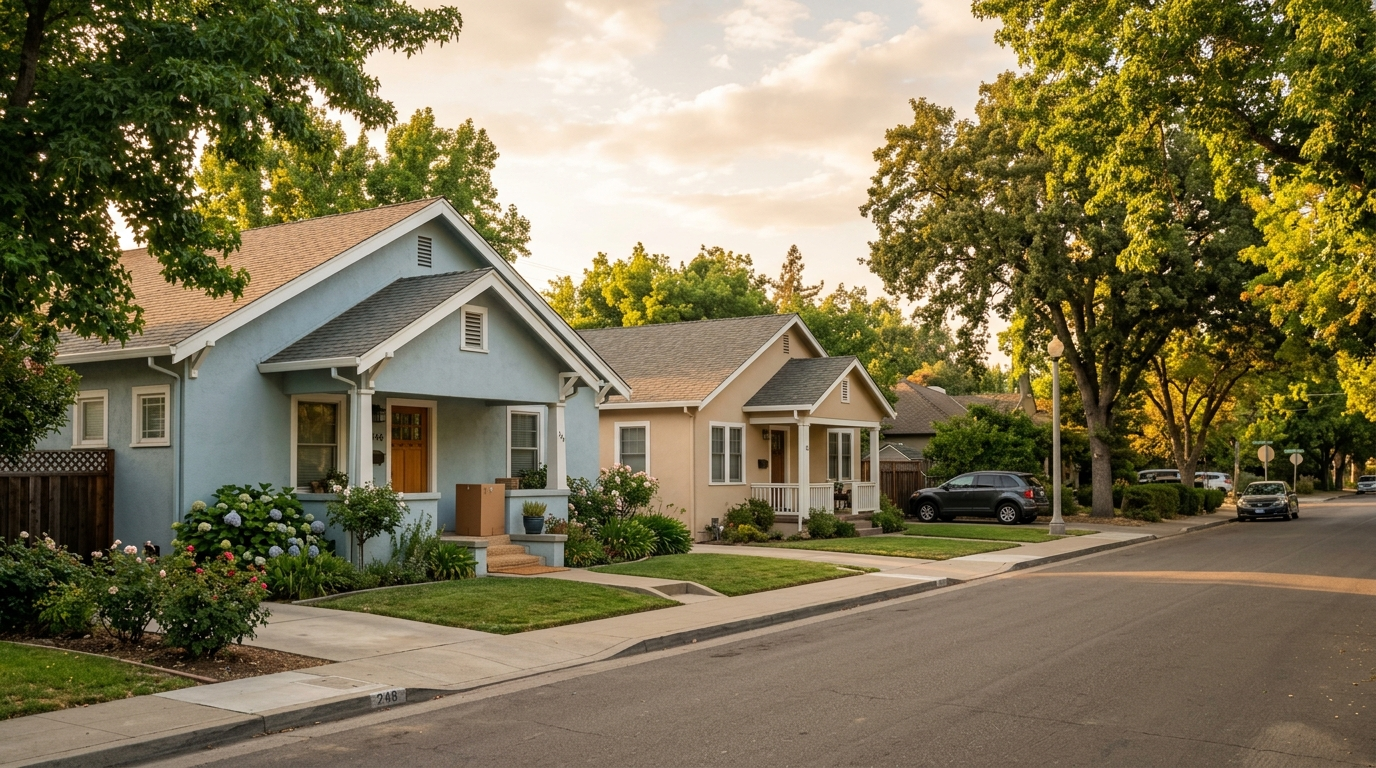
Most Lodi move-up sellers ask whether to sell their current home before buying the next one, and there's no single right answer: selling first protects you financially but may mean temporary housing, while buying first keeps you moving but adds carrying-cost risk. Jeremiah Patterson helps Lodi sellers sequence both sides so listings, which sell in a median of 13 days, don't leave them stuck in between.
TL;DR: Selling first gives you a firm number to shop with and avoids owning two homes at once, but you may need a rent-back or temporary housing gap. Buying first avoids moving twice but means carrying two mortgages, or a contingent offer, until your current home sells. Bridge financing and rent-back agreements exist to soften the gap in either direction. The right sequence depends on your equity, risk tolerance, and how competitive the Lodi market is when you're ready.
Why Does the Order Matter So Much?
Selling and buying at the same time is really two transactions that need to sync on timing, financing, and logistics. Get the order wrong and you either end up homeless for a stretch, or holding two mortgage payments longer than planned. Getting it right starts with understanding what each sequence actually costs you, in dollars and in stress.
There's also a psychological piece worth naming. Sellers who buy first sometimes feel pressure to accept a lower offer on their current home just to end the double-payment stretch sooner. Sellers who sell first sometimes feel pressure to overpay or over-compromise on their next home because the clock on their housing gap is ticking. Neither pressure serves you well, which is exactly why a deliberate plan, built before you start either process, matters more than reacting in the moment.
What Are the Trade-Offs of Selling First?
Selling first means you know exactly how much equity you have to work with before you make an offer on your next home. Your offer on a new place also isn't contingent on selling anything, which makes it more competitive in a market where well-priced Lodi homes routinely go under contract within 14 days. The downside is timing: if your next home isn't ready, you may need a rent-back (staying in your sold home for a short period after closing) or temporary housing while you search.
What Are the Trade-Offs of Buying First?
Buying first means one move, not two. You find your next home, secure it, then sell your current one without the pressure of also house hunting. The trade-off is financial: you may be carrying two mortgage payments simultaneously, and if your current home doesn't sell quickly, that stretches your budget. Some buyers use a contingent offer (the purchase depends on their current home selling), which protects finances but weakens their offer's competitiveness against non-contingent buyers.
How Do Bridge Loans and Rent-Backs Help?
A bridge loan is short-term financing that lets you use equity in your current home to fund the purchase of the next one before your sale closes. It's not free, expect fees and interest, but it can solve the "I need my equity before I've sold" problem. A rent-back agreement, on the other hand, lets you sell your home and then lease it back from the buyer for an agreed period, buying you time to find your next place without a contingent offer. Both require your lender's and agent's coordination, and neither should be pursued without confirming the specifics with a licensed lender.
What Other Tools Can Help Bridge the Gap?
Beyond bridge loans and rent-backs, a few other approaches come up regularly. Some sellers use a home equity line of credit (HELOC) drawn before listing, essentially setting up access to equity ahead of time so it's ready when an offer on the next home comes together. Others negotiate an extended closing or rent-back on the home they're buying, which shifts the timing pressure to the purchase side instead of the sale side. And some simply plan for a short stretch of temporary housing, sometimes with family, sometimes a short-term rental, treating it as a known, budgeted cost rather than an emergency to avoid at all costs. None of these are universally better; the right one depends on your specific equity position and how much flexibility your timeline allows.
How Does the Process Work, Step by Step?
- Get a home evaluation and a pre-approval at the same time. Knowing both your home's likely sale price and your buying power gives you real numbers to plan around.
- Decide your risk tolerance. Can you handle two mortgage payments for a month or two, or would a rent-back or temporary stay be less stressful?
- Talk to your lender about bridge financing or a HELOC. These tools can unlock equity before your current home sells.
- List strategically. A well-priced Lodi listing that attracts strong offers early gives you flexibility to negotiate your move-out date or a rent-back.
- Shop with a clear number in hand. Whether you sell first or use bridge financing, know your real budget before you fall for a house.
- Coordinate closing dates. Your agent should work to align your sale and purchase closings as closely as possible to avoid a housing gap.
Common Mistakes to Avoid
Shopping before you know your numbers. Falling in love with a home before you know what your current one will net leaves you negotiating from a weak position.
Underestimating the local market's pace. Lodi homes sell in a median of 13 days, faster than many sellers expect. If you're not ready to move quickly once you list, you can end up scrambling.
Ignoring contingent offer weakness. In a competitive Lodi market, a home-sale contingency can cost you the house you want if a non-contingent buyer is also bidding.
Not talking to a lender about bridge options early. Bridge loans and HELOCs take time to arrange. Waiting until you're mid-negotiation is too late.
Assuming you have to solve this alone. Coordinating a sale and purchase together is exactly what an experienced local agent does regularly. Loop them in on your full situation, not just one side of it, from the start.
What This Looks Like in Real Life
Sellers who are trading up from a starter home near Turner Road to something larger in west Lodi often worry most about the in-between: what if we sell and can't find the right next home fast enough? One common approach is negotiating a rent-back with the buyer, giving the seller a few extra weeks after closing to finalize their next purchase without paying for two homes at once. Another common situation involves a HELOC on the current home used to fund a down payment on the next one, then paid off once the sale closes. A third common scenario is a family that simply plans for a short, budgeted stay with relatives or in a short-term rental between closings, treating the gap as a known cost rather than something to avoid at any price.
Frequently Asked Questions
Should I sell my Lodi home before I buy the next one?
It depends on your equity, risk tolerance, and the market. Selling first gives you a firm budget and a stronger offer on your next home, but may require a rent-back or temporary housing. Buying first avoids moving twice but means carrying two mortgages until your sale closes. Talk through both with your agent and lender.
What is a rent-back agreement?
A rent-back lets you sell your home and then lease it from the new buyer for a set period, often a few weeks, so you have time to finalize your next purchase without needing temporary housing. Terms are negotiated as part of the sale contract.
Can I make a contingent offer in Lodi's market?
Yes, but a home-sale contingency can make your offer less competitive if you're bidding against buyers who don't need to sell first. In a fast-moving market, sellers often prefer non-contingent offers, so weigh this trade-off carefully.
What is a bridge loan and do I need one?
A bridge loan is short-term financing that lets you access equity in your current home before it sells, to help fund your next purchase. It's one option among several; confirm costs, terms, and whether it fits your situation with a licensed lender.
How far in advance should I start planning a sell-and-buy sequence?
Ideally several weeks before you're ready to list, since arranging bridge financing, getting pre-approved, and lining up a home evaluation all take some lead time. Starting early gives you more flexibility to choose the sequence that fits you best rather than reacting under pressure.
Ready to Sequence Your Sale and Purchase in Lodi?
Three concrete first steps: get a free home value estimate so you know your equity, get pre-approved with a lender to understand your buying power, and talk to us about whether selling first, buying first, or a bridge/rent-back strategy fits your timeline best.
Jeremiah Patterson is a REALTOR® and Vice President at Cornerstone Real Estate Group (CA DRE #02017640), with 220+ closed transactions and more than $87 million in San Joaquin County sales since 2016. His listings sell in a median of 13 days, with 55% under contract within 14 days, and he holds a 5.0 rating across 180 verified reviews (RateMyAgent 72, Realtor.com 61, Google 32, Yelp 15). He's a Move-Up Specialist and works with out-of-state, remote, and inherited/estate sellers as well as first-time buyers across Lodi, Stockton, Woodbridge, Acampo, and San Joaquin County. He was named RateMyAgent County Top 5 for San Joaquin County five consecutive years (2022, 2026) and is a Lifetime Member of the Lodi Association of REALTORS® Masters Club. Reach him at (209) 329-7238 or jeremiah@sellingsanjoaquin.com.
Learn more about the Lodi housing market, read the guide for move-up buyers trading up in Lodi, and review our seller's guide before you list. When you're ready to talk sequencing, get in touch.
Jeremiah Patterson Cornerstone Real Estate Group 224 W Pine St, Lodi, CA 95240 Phone (209) 329-7238 Email jeremiah@sellingsanjoaquin.com CA DRE #02017640 · Brokerage DRE #01037761 Practicing since 2016
Categories
Recent Posts








GET MORE INFORMATION