What Happens if an Old Lien or Title Issue Shows Up on a Stockton Sale?
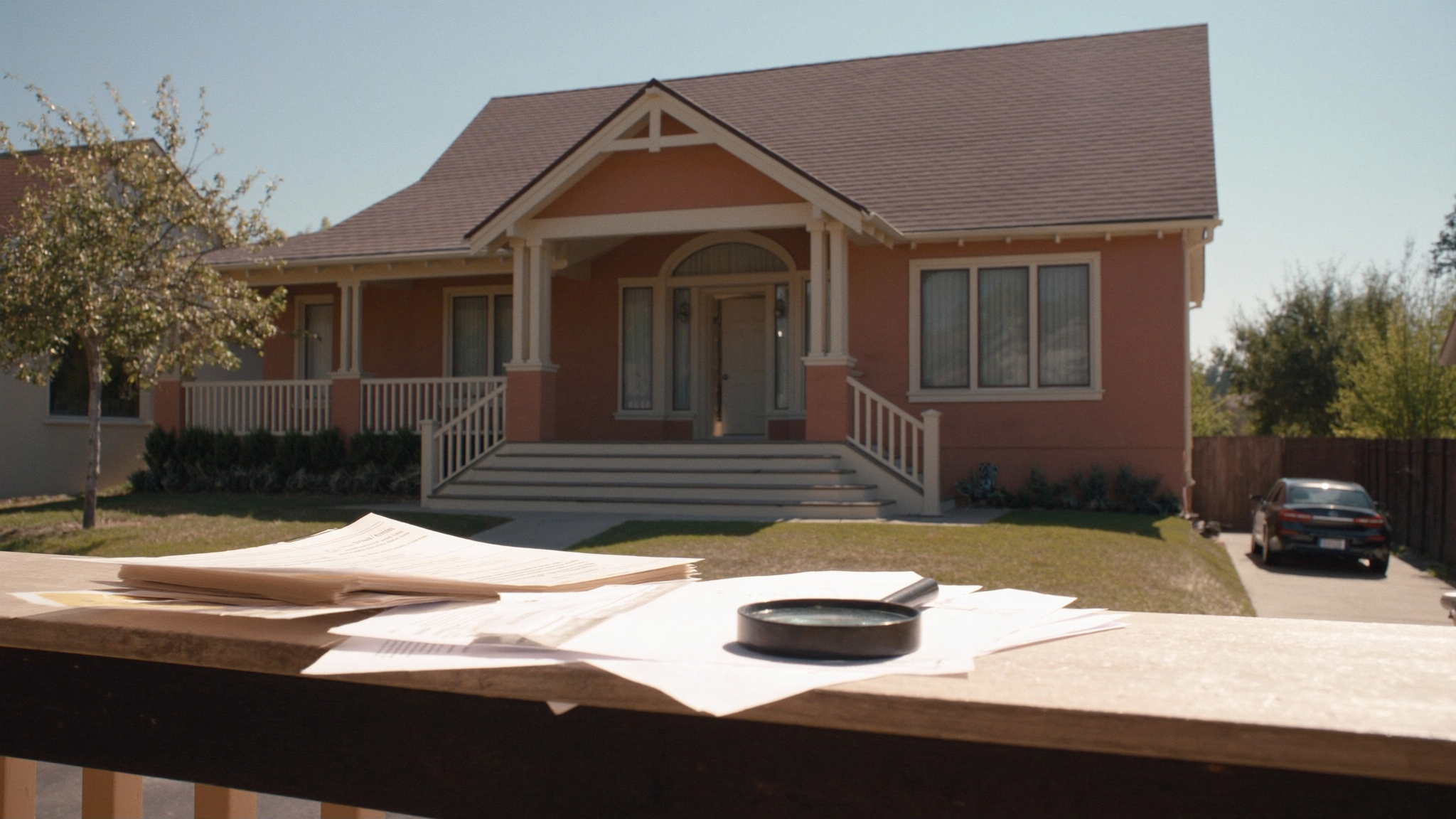
Most old liens and title defects on a Stockton sale get cleared during escrow without killing the deal. The title company finds the issue, the escrow officer works the payoff or the release, and closing usually shifts by days rather than months. Stockton REALTOR® Jeremiah Patterson keeps sellers moving by opening title early and routing the legal questions to an attorney.
The fear is that some forgotten piece of paper from fifteen years ago blows up your sale. It happens, but rarely, and mostly when the problem is found late. Time is the variable you control.
Here is how these situations get resolved.
TL;DR: A preliminary title report lists everything of record against your property, and old liens, judgments, unreleased loans, and clerical errors turn up more often than sellers expect. Most clear through a payoff at closing or a release from whoever recorded it. The seller generally pays to deliver clear title, though that is negotiable. The real risk is timing, because a buyer sitting on a rate lock has limited patience. Open escrow and pull the report as early as you can, work every item immediately with your escrow and title officers, and take any dispute to a real estate attorney. None of this is legal advice.
What is a title issue, exactly?
Title is the record of who owns the property and what claims exist against it. A title issue is anything in that record that could interfere with transferring ownership free and clear to your buyer.
When escrow opens, the title company runs a search and issues a preliminary title report listing the vested owner, the legal description, and every recorded item affecting the property: deeds of trust, tax liens, judgments, easements, covenants, mechanics liens. Your buyer's lender wants to fund into a clean position, and the buyer wants a title policy that protects them.
Read that report yourself. Sellers skip it and then get surprised. Your escrow and title officers will walk you through anything you do not understand, and that conversation is far more comfortable in week one than week four.
What kinds of liens actually show up on Stockton sales?
A handful of categories account for most of them.
Unreleased deeds of trust. You paid off a loan or a HELOC years ago, but the lender never recorded the reconveyance. The debt is gone, the paperwork is not. Common, usually resolvable, occasionally slow.
Tax liens. Property tax items usually resolve through the payoff at closing. IRS and Franchise Tax Board liens follow their own procedures.
Abstracts of judgment. A creditor won a judgment against someone with your name and recorded it in San Joaquin County, where it attaches to that person's real property. Sometimes it is genuinely yours. Sometimes it belongs to someone with a similar name.
Mechanics liens. A contractor, subcontractor, or supplier who was not paid recorded a claim. These have specific statutory rules and deadlines, and they are when to call an attorney.
HOA assessments and government liens. Unpaid dues, recorded special assessments, child support liens, each with its own release process.
Clerical errors. A misspelled name, a defective legal description, an old easement never cleared. Often fixable with corrective deeds.
Probate and estate issues. Title vested in someone who has passed, or an estate never fully administered. If your property came through an estate or trust, how to sell a home held in a trust or estate in Stockton covers that ground.
Who finds the problem, and when?
The title company finds it, and the timing depends entirely on when escrow opens.
If title opens the day the contract is signed, the report typically arrives within days and you have the entire escrow period to work an issue. If title opens late, you are solving a paperwork problem against a closing deadline with a buyer whose rate lock is expiring.
That is why experienced sellers open escrow immediately and, when there is reason to suspect a complication, order the report before the home goes on the market. A property that came through an estate, a long history of refinances, a past business dispute or tax matter, prior construction work: all good reasons to look early. How long it really takes to close on a Stockton home sale lays out where the slack in the calendar actually is.
Who pays to clear a lien?
Generally the seller, because the seller is contractually obligated to deliver marketable title. If money is owed against your property, it usually comes out of your proceeds at closing.
The mechanics are simpler than sellers fear. Escrow requests a demand from the lienholder, the amount is paid from your proceeds, and the release records. You rarely need cash in advance, though you do need enough equity to cover it. If the payoffs plus costs exceed your proceeds, that is a different conversation and you need to have it with your agent and an attorney immediately, not at signing.
Some items are negotiable. A buyer might take title subject to an easement that does not affect their use, or accept something title will insure over. What is not negotiable is transparency, since everything on the report is visible to the buyer and their lender anyway.
How long does it take to clear?
It varies enormously, which is exactly why early discovery matters.
Fast, sometimes days: property tax payoffs, HOA demands, a straightforward payoff on a deed of trust with a lender still in business.
Medium, often a few weeks: reconveyance on a paid off loan where servicing has moved, corrective deeds, releases that require locating a specific party for a signature.
Slow, potentially months: government liens with formal release procedures, contested judgments, live mechanics lien disputes, estate defects, and anything needing a court. A quiet title action is a lawsuit, and lawsuits run on their own clock.
Ask your title officer for a written estimate as soon as the item is identified, so you can plan the closing date around reality.
What if the lien is not actually yours?
It happens, particularly with abstracts of judgment against a common name.
Do not ignore it, and do not assume the title company will take your word. The standard path is a written statement of information, sometimes called a statement of identity, where you provide details that let the title company distinguish you from the person named in the recorded document. Often that alone resolves it.
When it does not, you may need a release from the creditor, documentation from the court, or a legal action to clear the record. That is attorney territory. Do not negotiate with a creditor over a judgment you believe is not yours without advice.
The same caution applies to any lien where you dispute the amount or the validity. Your escrow officer can process a payoff but cannot tell you whether you legally owe it.
What happens to the contract while you sort it out?
Your contract has a closing date, and a title issue that pushes past it puts you in default territory unless the parties agree otherwise. In practice most buyers extend, because they want the house and the problem is being actively worked.
Most, not all. What determines whether your buyer waits is how invested they are and how well you communicate. A buyer who beat out other interested parties and gets a clear update every few days will usually grant an extension. A buyer who was the only person to look at the property in a month and hears nothing for ten days will use the delay as an exit.
That part is a marketing outcome long before it is an escrow outcome. Demand created up front is what buys you patience later. A listing that was professionally presented and pushed to a targeted pool of qualified Stockton buyers produces committed buyers and, often, backup interest. That is the Master Listing Strategy in practice: build real demand at launch so every downstream complication, including a title delay, is survivable. Targeted digital buyer outreach for Stockton sellers covers how. Marketing creates demand. Price alone does not, and a discount does not buy you a patient buyer.
Handle any extension formally, in writing, through your agent, and know what is at stake for your buyer. How earnest money deposits work in San Joaquin County is useful background, though any dispute over deposit release is a legal question.
Do you have to disclose a title issue to the buyer?
The buyer receives the preliminary title report as a matter of course, so recorded items are visible regardless. But visibility and disclosure are not the same thing, and sometimes you know something the record does not show: an unrecorded agreement with a neighbor, a boundary understanding, an easement used differently than it reads.
Those facts belong in your disclosures. What you should disclose when selling a Stockton home covers the obligation. If you are unsure whether something rises to a required disclosure, ask a real estate attorney.
Step by step: handling a title issue on a Stockton sale
- Open escrow immediately and order the preliminary title report the same day.
- Read every exception yourself, and ask your title officer about anything you do not recognize.
- Flag unknown items in writing to your escrow officer and agent the day you find them.
- Complete a statement of information promptly. It resolves a surprising number of name based issues by itself.
- Get a written timeline estimate from the title officer for each item needing clearance.
- Order demands and payoffs early, especially from lenders that have changed servicers.
- Call a real estate attorney for anything disputed, anything involving an estate, and any mechanics lien.
- Keep the buyer informed in writing. Silence loses buyers, not delays.
- Get any extension in writing before the closing date passes.
- Confirm the release actually records, and keep a copy.
Common Mistakes to Avoid
Opening escrow late. Every day of delay in ordering the preliminary title report is a day subtracted from the time you have to fix whatever it reveals.
Not reading the report. Sellers skim it, see a lot of legal language, and set it aside. The one exception you did not read is often the one that matters.
Assuming a paid off loan was released. Payoff and reconveyance are two separate events, and the second does not always happen.
Ignoring a judgment because you are sure it is not yours. It still clouds title until it is formally addressed.
Negotiating directly with a creditor without advice. What you say and sign can affect your position.
Going quiet on the buyer. Delay is survivable. Silence is what makes a buyer decide you are hiding something.
Letting the closing date pass without a written extension. Handshake extensions create disputes.
Assuming your equity covers everything. Add up the payoffs, costs, and liens before you commit to a closing date.
Treating your escrow officer as a legal advisor. Legal opinions are a different profession.
What This Looks Like in Real Life
A Stockton seller goes under contract and the preliminary title report comes back showing an old second deed of trust that was paid off during a refinance years ago. The debt is long gone but no reconveyance was ever recorded, and the original lender no longer exists under that name. Because escrow opened the day the contract was signed, the title officer starts chasing the successor servicer in week one. It takes several weeks of follow up to get the release executed and recorded. The closing date moves, but the buyer extends without much fuss, partly because the agent sent a written update every few days and partly because the buyer had competed for the home. The same problem found in week four would have been a very different story.
A second scenario: an abstract of judgment appears against a name similar to the seller's. The seller completes a detailed statement of information showing a different middle name and history, and the title company determines the judgment belongs to someone else. Resolved in days, no money changing hands. Had it gone the other way, the next step would have been an attorney and possibly a court filing, which is exactly why it got flagged immediately.
Neither predicts your outcome, and some title issues are genuinely hard. But the pattern is consistent: early discovery turns a crisis into a scheduling problem.
Frequently Asked Questions
Can I sell my Stockton home with a lien on it?
Usually yes. Most liens are paid off from the seller's proceeds at closing and released as part of the transaction. The complications come from liens that are disputed, that exceed your equity, or that require a long formal release process. Talk to your title officer early and to an attorney if anything is contested.
Who pays to clear a title problem?
Generally the seller, since the seller is obligated to deliver marketable title. Some items are negotiable, and a buyer may accept something title will insure over. Your escrow officer can explain how a specific payoff would be handled.
How long does it take to clear an old lien?
Anywhere from days to months depending on the type. Straightforward payoffs move fast. Government liens, contested judgments, and anything needing a court run much longer. Get a written estimate as soon as the item is identified.
What if I dispute the lien?
Do not handle it informally. A disputed lien belongs with a real estate attorney, who can advise on releases, court records, or an action to clear title. Your escrow officer can process a payoff but cannot advise you on whether you owe it.
Will the buyer walk away over a title issue?
Some will, most will not, and the difference is usually communication plus how much the buyer wanted the home. Update them in writing every few days and paper any extension through your agent.
Should I get a title report before I even list?
Smart any time you expect a complication: an inherited property, multiple past refinances, prior construction work, or a history of tax or business disputes. Finding an issue before a buyer is waiting removes the pressure entirely. The 14 day pre listing prep checklist for Stockton sellers is a good place to build that step in.
Ready to get ahead of title before your Stockton sale?
Title problems are survivable. Late title problems are expensive. Three steps:
- Ask for a preliminary title report early, especially if the property came through an estate.
- Get a clear picture of your equity and net proceeds so payoffs never surprise you. Start with a free home evaluation.
- Line up the marketing before launch so you have a committed buyer who will extend if a delay comes up. Get in touch and we will sequence the title work alongside the listing plan.
Jeremiah Patterson is a REALTOR® and Vice President at Cornerstone Real Estate Group (CA DRE #02017640), with 220+ closed transactions and more than $87 million in San Joaquin County sales since 2016. His listings sell in a median of 13 days, with 55% under contract within 14 days, and he holds a 5.0 rating across 180 verified reviews (RateMyAgent 72, Realtor.com 61, Google 32, Yelp 15). He's a Move-Up Specialist and works with out-of-state, remote, and inherited/estate sellers as well as first-time buyers across Lodi, Stockton, Woodbridge, Acampo, Galt, and San Joaquin County. He was named RateMyAgent County Top 5 for San Joaquin County five consecutive years (2022-2026) and is a Lifetime Member of the Lodi Association of REALTORS® Masters Club. Reach him at (209) 329-7238 or jeremiah@sellingsanjoaquin.com.
If you're heading into escrow, read how long it really takes to close on a Stockton home sale and how earnest money deposits work in San Joaquin County. If the property came through an estate, start with how to sell a home held in a trust or estate in Stockton, where most title complications originate.
Jeremiah Patterson Cornerstone Real Estate Group 224 W Pine St, Lodi, CA 95240 Phone (209) 329-7238 Email jeremiah@sellingsanjoaquin.com CA DRE #02017640 · Brokerage DRE #01037761 Practicing since 2016
Categories
Recent Posts








GET MORE INFORMATION