How Does a Seller Rent-Back Work on a Lodi Home Sale?
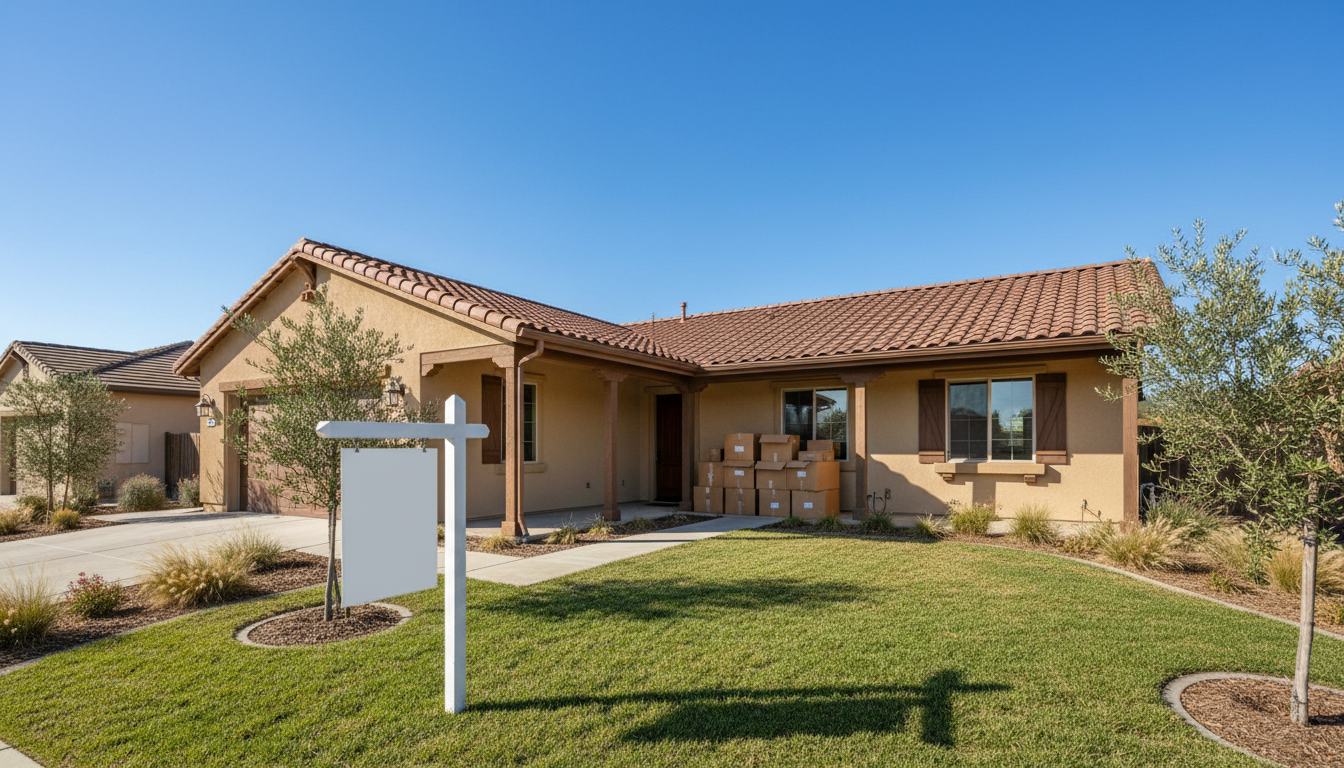
A seller rent-back lets you close on your Lodi home sale and stay in it for a short period afterward, paying the new owner while you move. Lodi REALTOR® Jeremiah Patterson negotiates the terms up front, length, daily cost, deposit, and insurance, so the arrangement is written into the deal instead of improvised at the last minute.
The fear underneath this question is usually simple and reasonable: you don't want to be homeless for two weeks between closing your sale and getting the keys to your next place. A rent-back is one of the cleanest tools we have for closing that gap.
TL;DR: A rent-back, also called a seller in possession or a post-closing occupancy agreement, is a written agreement that lets you stay in the home after the sale closes. It's usually structured as a short occupancy of a few days up to a few weeks, with a daily amount, a security deposit, and clear terms about condition, utilities, and insurance. Longer arrangements start to look like a tenancy and carry very different legal consequences, so anything beyond a short window is a conversation for an attorney. Negotiate it while you're evaluating offers, not after you're in escrow.
What Is a Rent-Back, Exactly?
When a home sale closes, ownership transfers and the buyer generally has the right to possession. A rent-back changes that by agreement. The buyer becomes the owner on the closing date, and you stay in the house for an agreed period afterward under a written occupancy agreement.
California has standard forms designed for this. Short occupancy periods typically use one, and longer arrangements use another that looks much more like a lease. That distinction matters, because a longer occupancy can trigger landlord and tenant law, which changes everyone's rights and obligations.
Where that line falls in your situation depends on the form, the terms, and facts specific to your deal, so a real estate attorney is the right person to ask. What I can tell you is that most Lodi rent-backs I see are short by design, precisely to stay in simple territory.
Why Would a Lodi Seller Want One?
Almost always because of the timing gap between the sale and the next home.
You're selling here and buying your next one, maybe also in Lodi, maybe out of state. The two escrows are supposed to line up, and they frequently don't. Your buyer's loan comes together faster than expected, or your purchase gets held up by an appraisal, a repair, or a seller with their own timing problem.
A rent-back gives you a controlled cushion. Instead of moving twice, putting things in storage, and finding a short-term rental, you close, collect your proceeds, and stay put for a defined window while you finish the move.
It's also a strategic tool when you're buying. Having your proceeds in hand makes your offer on the next house stronger, because you're no longer contingent on selling. The rent-back is what makes that sequence livable. If you're weighing that whole question, whether to sell first or buy first when you're doing both at once in Lodi is worth reading before you decide.
Why Would a Buyer Agree to It?
Because they want your house, and because a reasonable rent-back costs them very little.
Sellers assume asking for one weakens their position. In a competitive situation it often doesn't move the needle at all, and I've seen buyers volunteer flexible possession as a way to make an offer more attractive without raising their price.
Buyers care when it affects their own move-in plans, when their lender has occupancy rules, or when the period gets long enough to feel risky. A buyer with a lease ending on the first has a hard constraint. A buyer living with family has almost none. Which one you're dealing with is something we learn at the offer stage.
What Terms Actually Go Into the Agreement?
Here's what gets negotiated, and what I want nailed down in writing before you sign anything.
Length. A specific end date, not "a couple of weeks." Vague end dates cause disputes.
Daily amount. Usually priced per day, often based on the buyer's daily carrying cost, meaning their payment, taxes, and insurance divided out by day. Sometimes a short period is negotiated free when the buyer wanted the deal badly. Ranges vary, so don't plan around a number you read online.
Security deposit. Typically held in escrow and released after the buyer confirms the home was left in the agreed condition. Amounts vary widely.
Condition standard. The home delivered in the same condition it was in at closing, normal wear excepted. In writing, it protects both sides.
Utilities. Who keeps them on and who pays. Usually you, since you're the one living there.
Insurance. The item people forget. Your homeowner's policy is generally tied to ownership, and you no longer own the home. You'll likely need a renter's policy or other coverage during the occupancy, and the buyer needs their own. Talk to your insurance agent about this specifically. Do not assume.
Holdover consequences. What happens if you don't leave on time, usually an escalating daily amount stiff enough to be taken seriously.
Repairs during occupancy. If the water heater fails while you're still there, who handles it. Easy to address in advance, ugly to argue about after.
How Does a Rent-Back Affect the Buyer's Loan?
This is a real constraint, and it's worth understanding early.
Many buyers finance with owner-occupied loans, and those loans generally carry an occupancy requirement, meaning the buyer is expected to move in within a certain period after closing. A short rent-back usually fits comfortably inside that. A long one may not.
The buyer's lender sets those rules and they vary by program, so it isn't a call I can make for anyone. What I do is raise it during negotiation so the buyer confirms it with their loan officer before we write it into the contract, rather than discovering a conflict three days before closing. If the buyer is paying cash, the constraint mostly disappears, which is one reason cash offers often come with more possession flexibility.
When Does a Rent-Back Become a Bad Idea?
A few situations where I'd tell you to think hard.
When you need a long period. The longer it runs, the more it looks like a tenancy, and California tenant protections are substantial. Ask an attorney before agreeing to anything extended.
When you don't have a next home lined up. A rent-back is a bridge to something specific. If there's nothing on the other side, you're buying time and hoping.
When the buyer is reluctant and agreeing only because they feel pressured. That sets up friction during the occupancy, and sometimes the cleaner deal is worth more.
When there's no written agreement. A handshake rent-back is the worst version of this. If it isn't in writing, don't do it.
How Does This Fit Into Getting the Best Overall Deal?
Here's the marketing point, and it's not a throwaway. Your ability to negotiate a rent-back at all depends on your position. With one interested buyer, you take what they offer on possession. With several, you choose the buyer whose timing fits your life, and possession becomes something you shape rather than accept.
That position doesn't come from pricing low. It comes from demand, and demand gets created. The Master Listing Strategy concentrates attention in the launch window: real preparation before we go live, professional photography and video, positioning aimed at the buyer most likely to want this house, and distribution that reaches beyond people already watching Lodi. When more of the right buyers show up at once, terms like possession, repairs, and contingency timelines all start bending your way.
That's why how the first 14 days determine how many offers a Lodi home gets matters more to your rent-back than any negotiation trick. Options come from demand.
How to Set Up a Rent-Back, Step by Step
-
Decide how much time you actually need. Be honest and add a buffer. Moving takes longer than people plan for, and a holdover is expensive.
-
Tell me before we list. Possession flexibility shapes how we position the listing and evaluate offers, and it's easier to build in early than bolt on later.
-
Raise it during the offer stage. Possession gets discussed alongside price, financing, and contingencies, not as an afterthought.
-
Confirm the buyer checked with their lender. Occupancy requirements are the buyer's issue, but a surprise late in escrow becomes everyone's issue.
-
Get every term in writing. Length, daily amount, deposit, condition, utilities, insurance, holdover terms, and repair responsibility.
-
Call your insurance agent. Ask what coverage you need while occupying a home you no longer own, and get the policy in place before closing.
-
Do the walkthrough honestly. Leave the home the way you found it and the deposit comes back without drama.
-
Plan the move for the front of the window, not the back. Nothing burns a rent-back like treating the end date as the target.
Common Mistakes to Avoid
Doing it on a handshake. Verbal possession agreements are how good relationships turn into disputes.
Underestimating how long you need. Then paying a holdover penalty, or being asked to leave while you're still packing.
Forgetting insurance. You're living in a home you don't own, and your old policy generally doesn't follow you. Call your agent before closing.
Assuming a long rent-back is just a longer short one. Extended occupancy can raise tenancy questions and change the legal picture. That's an attorney conversation.
Negotiating possession after you've accepted the offer. The leverage is gone by then. Possession is part of the offer evaluation, not a follow-up request.
Ignoring the buyer's loan requirements. A rent-back that conflicts with the buyer's occupancy terms can blow up late in escrow, which is the worst possible time.
What This Looks Like in Real Life
Scenario one. A Lodi couple sells their home and is buying a larger one across town. Their sale closes about two weeks before their purchase does. Rather than move twice, we negotiate a short rent-back as part of accepting the buyer's offer, priced at the buyer's daily carrying cost with a deposit held in escrow. They close, the proceeds fund their down payment, they stay put for two weeks, and they move once. The buyer, living with family and in no hurry, barely noticed. If that sounds like your situation, how move-up buyers in Lodi trade up without the stress covers the broader playbook.
Scenario two. A seller relocating out of state asks for several weeks of occupancy after closing. Two of the three offers on the table can't accommodate it because of the buyers' own move-in dates. The third can, and it comes in slightly lower on price. We weigh that difference against what a temporary rental, a storage unit, and a double move would cost, plus the disruption of moving a family twice. The lower offer with the workable timeline turns out to be the better deal in real terms. Having three offers is what made that choice possible.
Frequently Asked Questions
How long can a seller rent-back last in California?
Short occupancies of a few days to a few weeks are common and typically handled on a standard short-term form. Longer arrangements can start to look like a tenancy, which brings landlord and tenant law into play. Ask a real estate attorney where your arrangement falls before agreeing to a long period.
How much does a rent-back cost the seller?
It's usually priced per day, often based on the buyer's daily carrying cost of owning the home. Sometimes a short period is negotiated at no cost when the buyer is motivated. Amounts vary by deal, so I won't quote you a figure here. We'll calculate it against the actual numbers in your transaction, and you should factor it into your net proceeds alongside what it costs to sell a house in Lodi.
Do I still need homeowners insurance during a rent-back?
You'll no longer own the home, so your existing homeowner's policy generally isn't the right coverage anymore. Most sellers need a renter's policy or similar coverage for the occupancy period, and the buyer needs their own policy as the new owner. Talk to your insurance agent about your specific situation before closing.
What happens if I don't move out on time?
The agreement should spell that out, usually with a significantly higher daily amount and potentially the loss of the deposit. In serious cases a holdover becomes a legal matter. This is why the end date needs a real buffer.
Does a rent-back delay my closing?
No. That's the point of it. The sale closes on schedule and you stay afterward under a separate agreement, so how long it really takes to close on a Lodi home sale still applies.
Ready to Plan Your Timing?
If the gap between selling and moving is what's holding you back, that's a solvable problem, and it's one we solve before you list, not during escrow.
-
Request a free home evaluation. A free home evaluation tells you what your Lodi home is likely to bring, the foundation for every timing decision that follows.
-
Map the two timelines together. Bring me your rough dates for the sale and the next home and we'll build a sequence with a possession plan from the start.
-
Talk it through with no pressure. Reach me through the contact page or call directly and we'll walk through what a rent-back looks like in your situation.
Jeremiah Patterson is a REALTOR® and Vice President at Cornerstone Real Estate Group (CA DRE #02017640), with 220+ closed transactions and more than $87 million in San Joaquin County sales since 2016. His listings sell in a median of 13 days, with 55% under contract within 14 days, and he holds a 5.0 rating across 180 verified reviews (RateMyAgent 72, Realtor.com 61, Google 32, Yelp 15). He's a Move-Up Specialist and works with out-of-state, remote, and inherited/estate sellers as well as first-time buyers across Lodi, Stockton, Woodbridge, Acampo, Galt, and San Joaquin County. He was named RateMyAgent County Top 5 for San Joaquin County five consecutive years (2022-2026) and is a Lifetime Member of the Lodi Association of REALTORS® Masters Club. Reach him at (209) 329-7238 or jeremiah@sellingsanjoaquin.com.
If you're sorting out the order of operations, read how to sell your house in Lodi from start to finish for the full sequence, and whether to sell first or buy first in Lodi to decide which side of the move to start on.
Jeremiah Patterson Cornerstone Real Estate Group 224 W Pine St, Lodi, CA 95240 Phone (209) 329-7238 Email jeremiah@sellingsanjoaquin.com CA DRE #02017640 · Brokerage DRE #01037761 Practicing since 2016
Categories
Recent Posts








GET MORE INFORMATION