How Does a Move-Up Buyer in Lodi Use Current Home Equity for the Next Purchase?
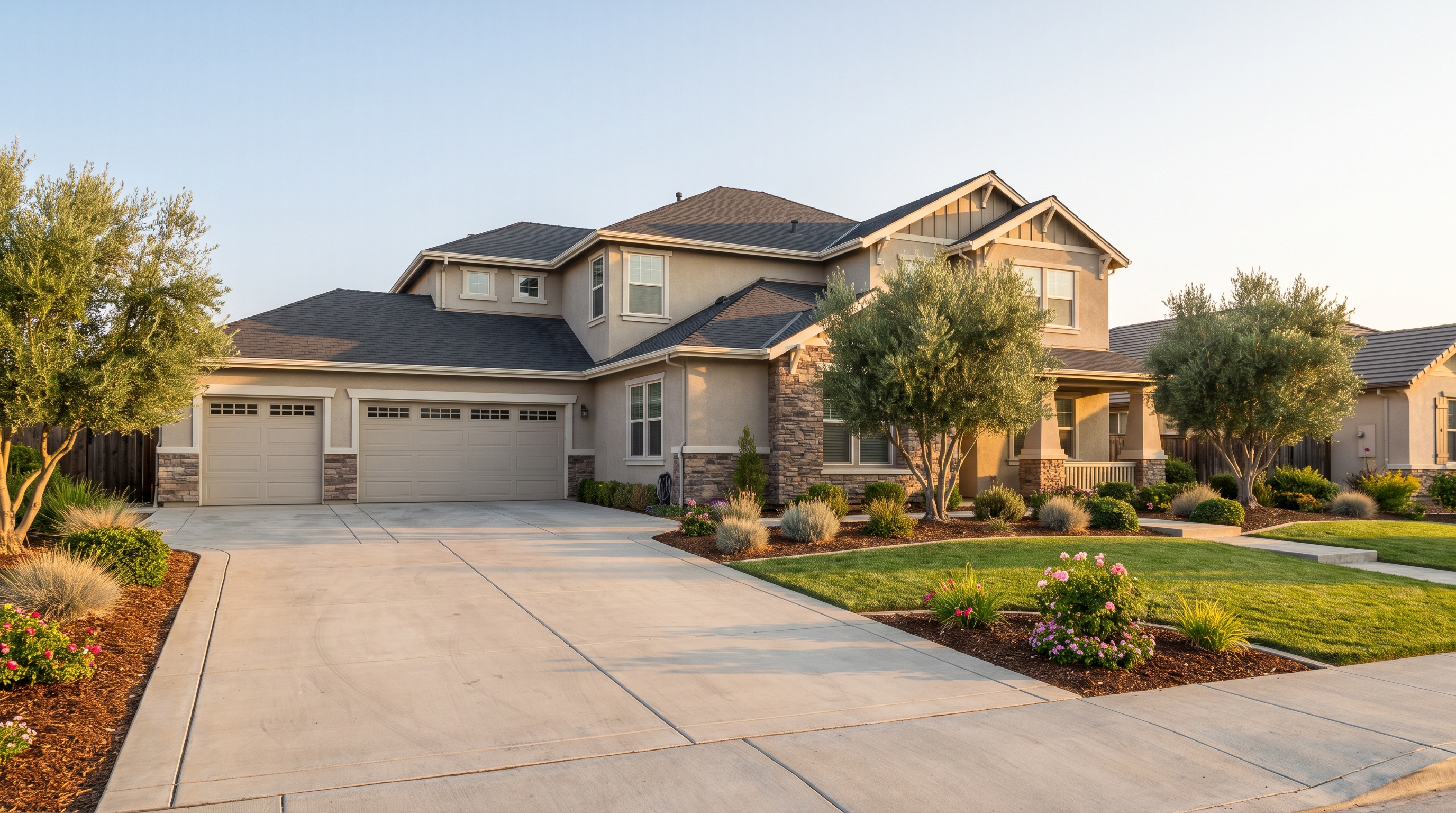
For a move-up buyer in Lodi, Jeremiah Patterson explains that your current home's equity becomes the down payment on the next one, and the whole game is timing the sale and the purchase so that equity is available when you need it. You can sell first, buy first with a contingency or bridge financing, or use a HELOC, but the cleanest path is usually selling your current home well so it converts to cash on your schedule.
TL;DR: A Lodi move-up buyer turns home equity into the next down payment in one of a few ways: sell first and use the proceeds, buy first using a sale contingency or bridge loan, or tap a HELOC before you sell. Each has trade-offs in cost, certainty, and stress. The strongest position comes from marketing your current home to sell for top dollar on a timeline that lines up with your purchase, so your equity lands exactly when the next home needs it.
If you are a move-up seller, your real fear is owning two homes at once or being stuck with a gap between selling and buying. Both are manageable with a plan. Let's walk through your options.
What exactly is your home equity, and how much can you use?
Your equity is your home's current market value minus what you still owe on your mortgage and any HELOC or liens. In Lodi, where the median home value is around $517,600 (U.S. Census Bureau, ACS 2024), a longtime owner may hold substantial equity. But not all of it is usable for the next purchase. After you sell, you subtract the costs of selling, roughly around 6% in total commission and fees, plus any repairs and your remaining loan payoff. What is left is your net proceeds, and that is the number that becomes your next down payment. Getting an accurate estimate of that net is step one, and it starts with pricing your current home correctly.
Should you sell first or buy first?
This is the central decision, and there is no single right answer. It depends on your finances and your tolerance for risk.
- Sell first, then buy. You know exactly how much equity you have, and you make a stronger, non-contingent offer on the next home. The risk is a gap where you have sold but not yet bought, which a short rent-back from your buyer can bridge.
- Buy first with a sale contingency. Your offer on the new home depends on selling your current one. This protects you from owning two homes, but contingent offers are weaker in a competitive situation.
- Buy first with bridge financing. A bridge loan or a HELOC taken before you sell lets you access equity to buy first, then repay it when your current home sells. It costs more and adds risk, but it removes the timing gap.
Our full guide on whether to sell first or buy first in Lodi walks through each path in detail with the questions to ask your lender.
How does a HELOC fit in?
A home equity line of credit, opened while you still own your current home, can supply cash for the next down payment before your sale closes. The catch is that many lenders will not approve a HELOC once your home is listed, so if this is your plan, set it up early. A HELOC adds a monthly payment and gets repaid at closing when you sell, which reduces your net proceeds. It is a useful tool for buying first, but confirm the terms, costs, and payoff impact with your lender before relying on it.
Why does marketing your current home matter so much here?
Here is the part move-up buyers underestimate: how well you sell your current home directly funds your next one. Marketing creates demand, and demand is what produces a strong price and a reliable closing date. A well-marketed launch, professional photos, video, and targeted buyer outreach, can bring competing offers that both lift your net proceeds and let you choose a closing timeline that lines up with your purchase. That is the Master Listing Strategy working for a move-up: more equity, on your schedule. If speed matters because you have found your next home, our guide on selling a Lodi home quickly shows how a strong debut compresses the timeline. And for the whole trade-up playbook, see move-up buyers in Lodi and how to trade up without the stress.
What if you are moving to a different Lodi neighborhood?
Many move-up buyers are trading a starter home for more space in a different part of town, for example moving from an older central Lodi home to a newer west-side tract off Lower Sacramento Road in the 95242 area. Neighborhood choice affects both what your current home will sell for and what your next one will cost, so it pays to understand the local map before you list. Our guide on the best neighborhoods in Lodi is a good place to compare areas as you plan the move.
Common mistakes to avoid
- Overestimating usable equity. Selling costs, repairs, and your loan payoff all come out first. Plan around net proceeds, not the sale price.
- Setting up a HELOC too late. Many lenders will not approve one after you list. Arrange it early if it is part of your plan.
- Making a weak contingent offer in a competitive spot. A sale contingency can cost you the home you want. Know when to sell first instead.
- Underinvesting in marketing your current home. A weak launch lowers your equity and your leverage at the exact moment you need both.
- Ignoring the tax picture. Capital gains rules and exclusions can apply. Confirm your situation with a tax professional before you sell.
A quick real-world scenario
Picture a Lodi family that has outgrown a three-bedroom home near central Lodi and wants more space on the west side. They price and market their current home well, draw multiple offers, and negotiate a two-week rent-back from their buyer. That rent-back bridges the gap so they close their sale, take their net proceeds as a strong down payment, and buy the larger home without ever carrying two mortgages.
Now picture a family that bought first with a shaky plan, assumed their current home would sell for more than it did, and set up no rent-back. They ended up owning two homes for six weeks and cut the price on the first one under payment pressure. Same equity on paper, thousands of dollars different in practice, decided by timing and marketing.
Frequently asked questions
How do you use home equity to buy your next home in Lodi? You sell your current home and use the net proceeds, your value minus loan payoff and selling costs, as the down payment on the next one. Alternatively, you can buy first using a sale contingency or bridge financing, or open a HELOC before selling to access equity early.
Should I sell my Lodi home first or buy the next one first? Selling first gives you a known budget and a stronger, non-contingent offer, with a rent-back to bridge any gap. Buying first with a contingency or bridge loan avoids a housing gap but costs more or weakens your offer. The right choice depends on your finances and risk tolerance.
Can I use a HELOC for the next down payment? Yes, if you open it before listing your home, since many lenders will not approve a HELOC once the home is on the market. It supplies cash to buy first and is repaid when you sell, which reduces your net proceeds. Confirm terms and payoff with your lender.
How much of my equity can I actually use? Your usable equity is your net proceeds after subtracting your remaining loan, selling costs of roughly 6% in total, and any repairs. That net number becomes your next down payment, so base your plan on it rather than the headline sale price.
Does marketing my current home really affect my next purchase? Yes. A strong, well-marketed launch creates demand that can lift your sale price and let you choose a closing date that lines up with your purchase. More net proceeds and better timing directly strengthen your position on the next home.
Ready to trade up in Lodi without carrying two homes?
Your equity is the key to your next home. The plan is what makes it painless. Start here:
- Get an accurate net proceeds estimate based on a realistic sale price for your current home.
- Decide with your lender whether to sell first, buy first with a bridge or contingency, or set up a HELOC early.
- Market your current home to create demand so it sells strong on a timeline that funds your purchase.
Jeremiah Patterson is a real estate agent in Lodi and Stockton, California (San Joaquin County) and a Move-Up Specialist helping families trade up by turning home equity into their next home without the stress.
Jeremiah Patterson is a REALTOR and Vice President at Cornerstone Real Estate Group (CA DRE #02017640), with 220+ closed transactions and more than $87 million in San Joaquin County sales since 2016. His listings sell in a median of 13 days, with 55% under contract within 14 days, and he holds a 5.0 rating across 180 verified reviews (RateMyAgent 72, Realtor.com 61, Google 32, Yelp 15). He's a Move-Up Specialist and works with out-of-state, remote, and inherited/estate sellers as well as first-time buyers across Lodi, Stockton, Woodbridge, Acampo, Galt, and San Joaquin County. He was named RateMyAgent County Top 5 for San Joaquin County five consecutive years (2022-2026) and is a Lifetime Member of the Lodi Association of REALTORS Masters Club. Reach him at (209) 329-7238 or jeremiah@sellingsanjoaquin.com.
Jeremiah Patterson Cornerstone Real Estate Group 224 W Pine St, Lodi, CA 95240 Phone (209) 329-7238 Email jeremiah@sellingsanjoaquin.com CA DRE #02017640 · Brokerage DRE #01037761 Practicing since 2016
Categories
Recent Posts








GET MORE INFORMATION