How Do You Sell a Lodi Condo or Townhome?
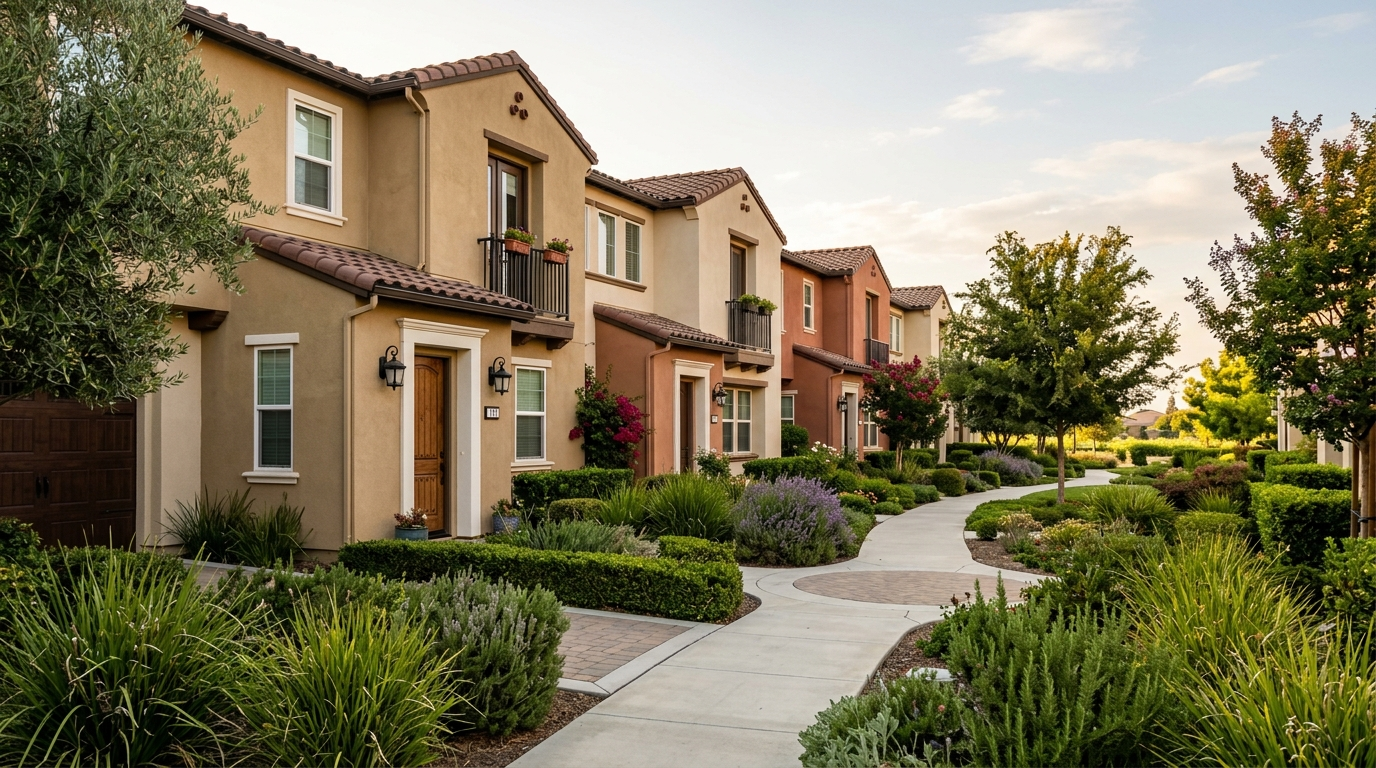
Selling a Lodi condo or townhome follows the same core process as a single-family home, but adds HOA-specific steps, like disclosure documents, transfer requirements, and fee disclosures, and REALTOR® Jeremiah Patterson helps sellers navigate those extra steps so they don't slow down closing.
TL;DR: Condo and townhome sales require everything a single-family sale does, plus HOA documentation: current dues, any special assessments, reserve fund status, rules, and required disclosures. Buyers and their lenders often review these closely, so getting them organized early keeps your sale on schedule. Pricing and marketing should also reflect what condo and townhome buyers specifically care about.
What's Different About Selling a Condo or Townhome?
The core sale process, pricing, marketing, offers, inspections, closing, is largely the same. What's different is the HOA layer: you'll need to provide HOA documents to the buyer, and in some cases their lender, covering current dues, any pending special assessments, the association's financial health, and governing rules. Buyers and lenders take these seriously, since HOA financial problems or high fees can affect financing approval and the buyer's ongoing costs.
What HOA Documents Do You Need to Provide?
Generally, sellers need to provide current CC&Rs (covenants, conditions, and restrictions), HOA bylaws, recent financial statements or budgets, information on any pending or recently approved special assessments, and a statement of current dues and any outstanding balances. Exact requirements can vary by association and change over time, so confirm the current list with your HOA management company or a real estate attorney early in the process.
How Does a Buyer's Lender Evaluate the HOA?
This is a step many condo sellers don't anticipate: if your buyer is financing the purchase, their lender often reviews the HOA itself, not just your unit, before approving the loan. Lenders typically look at the association's reserve fund health, the percentage of owner-occupied versus rented units, whether there's pending litigation involving the HOA, and whether dues are current across the community. An association in poor financial shape, or with a high rental concentration, can in some cases complicate a buyer's financing even when your individual unit and finances are in perfect order. This is worth understanding early, since it's largely out of your direct control as a seller, but knowing about it upfront helps you and your agent set realistic expectations with buyers and their lenders.
How Does the Selling Process Work, Step by Step?
- Request your HOA disclosure packet early. This can take the HOA management company some time to prepare, so start well before you plan to list.
- Review the packet for anything that needs addressing. Outstanding dues, pending litigation, or upcoming special assessments should be understood and, if needed, resolved or clearly disclosed before buyers see them.
- Get a market evaluation that accounts for HOA fees. Monthly dues affect buyer affordability calculations and, in turn, what they're willing to offer.
- List and market with HOA information transparent from the start. Buyers appreciate seeing dues and key HOA facts upfront rather than discovering them mid-escrow.
- Provide the HOA packet promptly once under contract. California generally requires these documents to be delivered to the buyer within a defined disclosure period; delays can push back your closing timeline.
- Coordinate with the HOA on any transfer requirements. Some associations require notification, fees, or approval processes for ownership transfer; build this into your closing timeline.
What Do Condo and Townhome Buyers Care About Most?
Buyers in this category often weigh monthly dues heavily against their overall budget, so a well-run HOA with reasonable, stable fees is a real selling point. They also look closely at reserve fund health (a poorly funded reserve can mean upcoming special assessments), any pending litigation involving the association, and the rules around rentals, pets, and modifications, since these directly affect their lifestyle and investment plans.
How Do Rental Restrictions Affect Your Sale?
Many HOAs place limits on how many units can be rented out at any given time, sometimes with a waitlist for owners who want to convert their unit to a rental. If your association has this kind of restriction, it's worth understanding clearly before you market to investor buyers, since a buyer planning to rent the unit may need to confirm availability under the rental cap before committing to purchase. Even for buyers planning to live in the unit themselves, disclosing the rental policy upfront is useful information, since it affects their own future flexibility if their plans change down the road. Check with your HOA management company on the current rental cap status and any waitlist, and make sure this information is available to interested buyers early rather than surfacing only once they're deep into their own due diligence.
Common Mistakes to Avoid
Waiting too long to request HOA documents. Management companies can take days or weeks to prepare disclosure packets. Ordering early avoids a bottleneck once you're under contract.
Not disclosing pending special assessments. These are significant to buyers and their lenders. Get ahead of them rather than letting a buyer discover one mid-escrow.
Ignoring outstanding dues or violations. Unresolved HOA issues can complicate or delay closing. Address them, or clearly disclose them, before listing.
Underestimating how much fees affect buyer decisions. High or rapidly rising dues can shrink your buyer pool. Understanding this dynamic helps you price and market realistically.
Overlooking HOA transfer requirements. Some associations require specific steps, fees, or approvals for a sale to close. Confirm these early so they don't catch you by surprise.
Not knowing the HOA's overall financial health before you list. If the association has a poorly funded reserve or a high rental concentration, it's better to understand that early rather than have it surface as a surprise when a buyer's lender starts asking questions.
What This Looks Like in Real Life
One common situation is a seller with a well-maintained Lodi townhome in an HOA with healthy reserves and stable dues; requesting the disclosure packet early and presenting it transparently in marketing builds buyer confidence and keeps the transaction moving smoothly. Another common scenario is a seller in an association with a recently approved special assessment; disclosing this clearly upfront, along with what it covers and the payment terms, avoids a difficult conversation mid-escrow and lets buyers factor it into their offer from the start. A third common situation involves a seller whose buyer's lender flags the HOA's rental concentration during underwriting; because the seller and agent already understood this risk going in, they're able to help the buyer find an alternate lender better suited to the association's profile rather than losing the deal entirely.
Frequently Asked Questions
Do I need to provide HOA documents when selling my Lodi condo or townhome?
Yes, generally you're required to provide HOA disclosure documents to the buyer, including CC&Rs, financial statements, and information on dues and any special assessments. Requirements can vary, so confirm the current list with your HOA and agent.
How long does it take to get HOA disclosure documents?
It varies by management company, but it can take anywhere from a few days to a few weeks. Requesting these early, ideally before you list, helps avoid delays once you're under contract.
Will HOA fees affect how much buyers offer for my property?
Often, yes. Buyers factor monthly dues into their overall affordability, so higher fees can affect demand and offer price, while a well-run association with stable, reasonable fees is generally a selling point.
What if there's a pending special assessment on my HOA?
You'll generally need to disclose this to buyers. It's better to address it transparently upfront rather than have a buyer discover it during their own due diligence, which can complicate or delay your sale.
Does selling a condo take longer than selling a single-family home in Lodi?
It can, mainly due to the time needed to gather and deliver HOA documents. The core sale timeline is otherwise similar, so building in extra time for HOA paperwork upfront helps keep things on schedule.
Can HOA problems affect my buyer's ability to get financing?
Yes, in some cases. Lenders often evaluate the HOA itself, reserve fund health, rental concentration, pending litigation, before approving a buyer's loan, separate from the buyer's own qualifications. Understanding your association's financial standing early helps you and your agent set realistic expectations.
Ready to Sell Your Lodi Condo or Townhome?
Concrete first steps: request your HOA disclosure packet now so it's ready when you need it, get a free home evaluation that accounts for your HOA fees, and talk with us about marketing your property's specific HOA advantages.
Jeremiah Patterson is a REALTOR® and Vice President at Cornerstone Real Estate Group (CA DRE #02017640), with 220+ closed transactions and more than $87 million in San Joaquin County sales since 2016. His listings sell in a median of 13 days, with 55% under contract within 14 days, and he holds a 5.0 rating across 180 verified reviews (RateMyAgent 72, Realtor.com 61, Google 32, Yelp 15). He's a Move-Up Specialist and works with out-of-state, remote, and inherited/estate sellers as well as first-time buyers across Lodi, Stockton, Woodbridge, Acampo, and San Joaquin County. He was named RateMyAgent County Top 5 for San Joaquin County five consecutive years (2022, 2026) and is a Lifetime Member of the Lodi Association of REALTORS® Masters Club. Reach him at (209) 329-7238 or jeremiah@sellingsanjoaquin.com.
Explore the Lodi real estate hub, review what buyers should know about condos and townhomes in Lodi, and see what HOA dues typically look like in Lodi neighborhoods. When you're ready, reach out to get your HOA packet started.
Jeremiah Patterson Cornerstone Real Estate Group 224 W Pine St, Lodi, CA 95240 Phone (209) 329-7238 Email jeremiah@sellingsanjoaquin.com CA DRE #02017640 · Brokerage DRE #01037761 Practicing since 2016
Categories
Recent Posts








GET MORE INFORMATION