What to Know About Buying a Condo or Townhome in Lodi
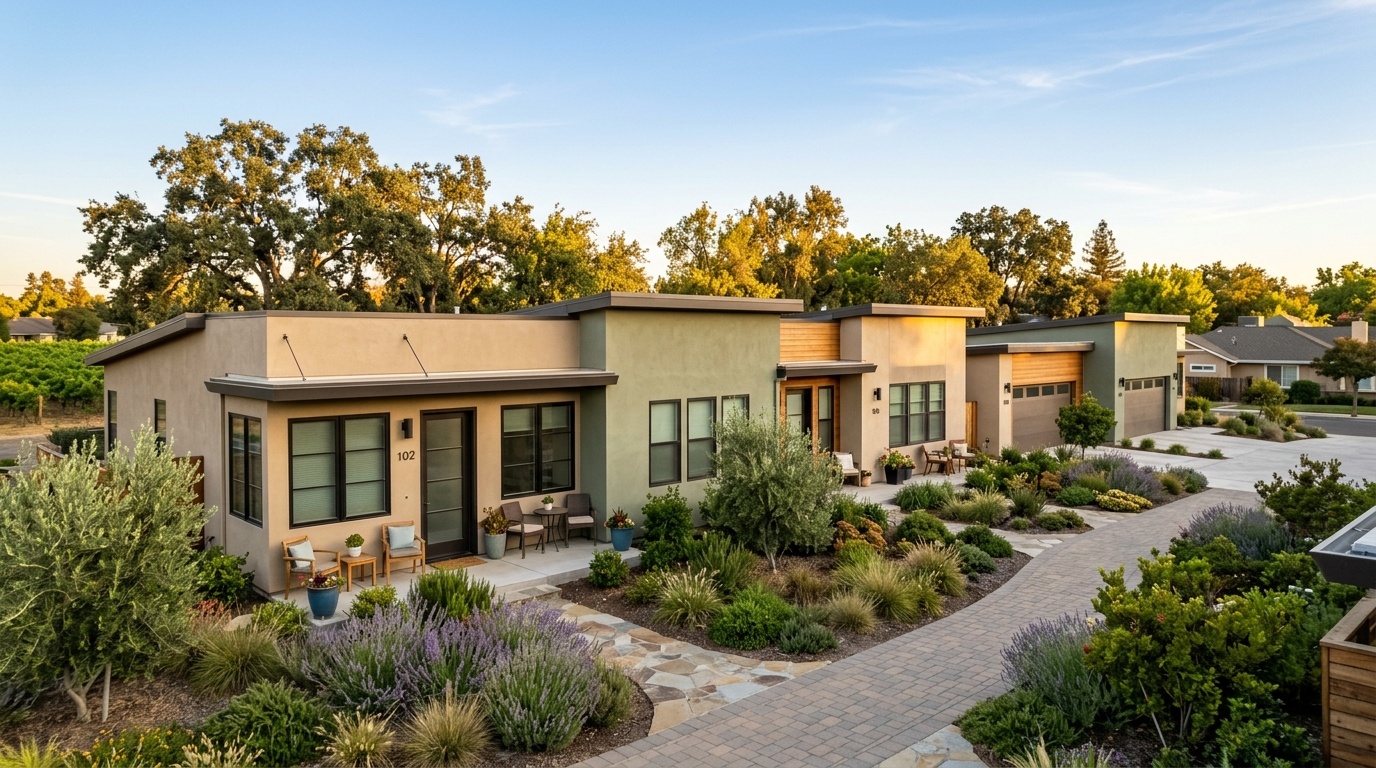
If you're looking for a lower-maintenance, often more affordable way into homeownership in Lodi, a condo or townhome is worth a serious look, just know that they come with HOA dues, shared rules, and a few financing quirks a house doesn't have. This guide walks you through what to expect so you can decide with confidence.
TL;DR: Condos and townhomes in Lodi are popular with first-time buyers and downsizers because they usually cost less than single-family homes and take less upkeep. In exchange, you pay monthly HOA dues and follow community rules. Condo financing can have extra lender requirements, and resale can behave a little differently. Read the HOA documents, talk to a licensed lender early, and go in with clear eyes.
Condo vs. Townhome: What's the Difference?
People use these words loosely, so let's clear it up. The difference is usually about what you own, not what the building looks like.
With a condo, you typically own the interior of your unit, and the HOA owns and maintains the shared structures and grounds, things like the exterior walls, roof, and common areas. With a townhome, you often own the structure and sometimes the land it sits on, even though it shares walls with neighbors. Townhomes can function more like a house you own top to bottom, while still belonging to an HOA.
The reason this matters is money and maintenance. Who fixes the roof? Who handles the landscaping? Who insures what? Those answers live in the community's governing documents, and they're different from one community to the next. Don't assume, read.
Why Condos and Townhomes Appeal to First-Timers and Downsizers
Lower entry price, generally
Condos and townhomes often carry a lower purchase price than comparable single-family homes in the same area. For a first-time buyer trying to get a foothold, that can be the difference between buying now and waiting years. If you're still weighing whether to jump in, the comparison of buying vs. renting in Lodi is a helpful gut check.
Less maintenance
This is the big draw for a lot of people. When the HOA handles the exterior, the roof, and the landscaping, you're not spending Saturdays on a ladder. For a busy first-timer or a retiree who's done with yard work, that's real freedom.
Lock-and-leave lifestyle
Travel a lot? Snowbird for part of the year? A condo or townhome you can lock up and leave, knowing the grounds are cared for, fits that life well.
A stepping stone
Plenty of buyers start with a condo, build equity, and move up to a single-family home later. It's a legitimate path, not a compromise.
HOA Dues and Rules: The Part You Can't Skip
Every condo and townhome community has a homeowners association, and the HOA is central to how the place runs. You'll pay monthly (sometimes quarterly) dues, and you'll agree to follow the community's rules.
What HOA dues often cover
Dues vary widely by community, but they commonly go toward some mix of exterior maintenance, landscaping of common areas, shared amenities (a pool or clubhouse if there is one), trash, certain insurance on the building, and a reserve fund for big future repairs. Some cover more, some cover less. Ask for a clear list of exactly what's included before you buy.
What the rules can govern
Community rules, sometimes called CC&Rs (covenants, conditions, and restrictions), can address things like paint colors, pets, parking, rentals, and exterior changes. If you're planning to rent the unit out someday, or you have a big dog, or you want to repaint the front door, check the rules first. It's much easier to know before you buy than to be surprised after.
Reading the HOA documents
When you're under contract, you'll typically receive HOA documents to review, budgets, reserve studies, meeting minutes, rules, and financial statements. This is not the time to skim. These papers tell you whether the community is financially healthy, whether dues are likely to rise, and whether a special assessment (a one-time charge for a big repair) might be coming. Your agent can help you know what to look for, and for anything legal, confirm with a licensed attorney.
Financing Nuances for Condos
Here's where condos differ from houses in a way that catches buyers off guard. Financing a condo can involve extra steps, because the lender is evaluating not just you and the unit, but the whole community.
Lenders and loan programs sometimes look at things like how many units are owner-occupied versus rented, the HOA's financial health, whether any single owner controls too many units, and pending litigation. Some loan types have their own condo approval processes. The practical takeaway: a condo that's a great fit for you still needs to be a fit for your loan program.
None of this should scare you off. It just means you want to talk to a licensed lender early, ideally before you fall for a specific unit, so you know which communities work with your financing. Requirements and programs change over time, so confirm current specifics with your lender rather than assuming.
How the Buying Process Works
The steps look a lot like buying any home, with a couple of condo-specific additions.
- Get pre-approved. Talk to a licensed lender and ask specifically about condo financing so you know your range and any community requirements.
- Set your priorities. Monthly budget including HOA dues, location, amenities, pet and rental rules, single-level versus stairs.
- Tour communities, not just units. The unit matters, but so does the community's condition, its finances, and its rules.
- Make an offer and open escrow. Your agent guides the paperwork and timelines.
- Review the HOA documents carefully. Budgets, reserves, rules, minutes, and any planned assessments.
- Complete inspections. You still inspect the unit, and you learn what the HOA maintains versus what's on you.
- Close and get your keys.
Notice how much of this is about doing your homework on the community. That's the extra layer with a condo or townhome, and it's exactly where a local agent earns their keep.
Resale Considerations
Thinking about resale before you buy is smart. A few things tend to affect how condos and townhomes sell.
HOA health matters. A well-run community with reasonable dues and solid reserves is easier to sell than one with money troubles or frequent special assessments. Financing availability matters too, if a community is hard to finance, your future buyer pool shrinks. And supply matters, in a market with lots of similar units, standing out can take more effort than a unique single-family home would.
The flip side: a clean, well-located unit in a healthy community, priced right, can sell just fine. Buying with resale in mind mostly means avoiding communities with red flags and not overpaying for a unit that's hard to differentiate.
Common Mistakes to Avoid
Forgetting to budget for HOA dues
Your monthly cost isn't just the mortgage. HOA dues can meaningfully change what you can afford, so fold them into your budget from day one.
Skipping the HOA documents
The reserve study and financials tell you whether dues will jump or a special assessment is coming. Read them, don't skim them.
Assuming all condos finance the same
Loan requirements for condos can be stricter and vary by program and community. Talk to your lender before you get attached to a unit.
Ignoring the rules that affect your life
Pets, parking, and rental restrictions can be dealbreakers. Confirm them before you write an offer.
Only looking at the unit
The community's condition and finances affect your enjoyment and your resale. Evaluate both.
Overlooking noise and shared walls
Shared walls mean shared sound. Where you can, learn about the neighbors and the building's construction.
What This Looks Like in Real Life
Picture a first-time buyer priced out of single-family homes. A townhome with a small HOA gets them in the door at a payment they can handle, with no lawn to mow and a little equity building each month. A few years later, they sell and move up to a house.
Or picture a downsizing couple whose kids have moved out. They trade a big house and a big yard for a single-level condo where the HOA handles the exterior and the grounds. Less upkeep, more time for the things they actually want to do.
Frequently Asked Questions
Is buying a condo or townhome in Lodi cheaper than a house?
Often, yes, condos and townhomes tend to have lower purchase prices than comparable single-family homes. But remember to factor in HOA dues, which add to your monthly cost. Your total picture is what matters.
What do HOA dues actually pay for?
It varies by community, but dues commonly cover exterior maintenance, common-area landscaping, shared amenities, trash, some building insurance, and reserves for future repairs. Always get a written list of what's included.
Are condos harder to finance?
They can involve extra steps, because lenders also evaluate the community's finances and owner-occupancy. Some loan programs have condo approval processes. Talk to a licensed lender early and confirm current requirements.
What's a special assessment?
It's a one-time charge the HOA levies for a big expense the reserves don't cover, like a new roof or major repairs. Reviewing the HOA's financials and reserve study helps you gauge the risk of one.
Can I rent out my condo or townhome later?
Maybe, but many communities limit or cap rentals. If renting it out is part of your plan, read the CC&Rs before you buy and confirm the current rules.
Do condos and townhomes hold their value?
They can, especially in healthy, well-run communities in good locations. HOA finances and financing availability tend to influence resale, so buying in a sound community helps.
Ready to Explore Condos and Townhomes in Lodi?
Three simple first steps:
- Talk to a licensed lender and ask specifically about condo financing and your budget including HOA dues.
- List your must-haves: monthly payment, location, single-level, pet and rental rules.
- Reach out to tour communities and review HOA documents together.
Jeremiah Patterson is a Lodi and Stockton REALTOR® practicing since 2016, with a 5.0 rating across verified client reviews. (209) 329-7238 · jeremiah@sellingsanjoaquin.com
Jeremiah Patterson Cornerstone Real Estate Group 224 W Pine St, Lodi, CA 95240 Phone (209) 329-7238 Email jeremiah@sellingsanjoaquin.com CA DRE #02017640 · Brokerage DRE #01037761 Practicing since 2016
Categories
Recent Posts








GET MORE INFORMATION