How Do You Relist a Lodi Home After the Sale Falls Out of Escrow?
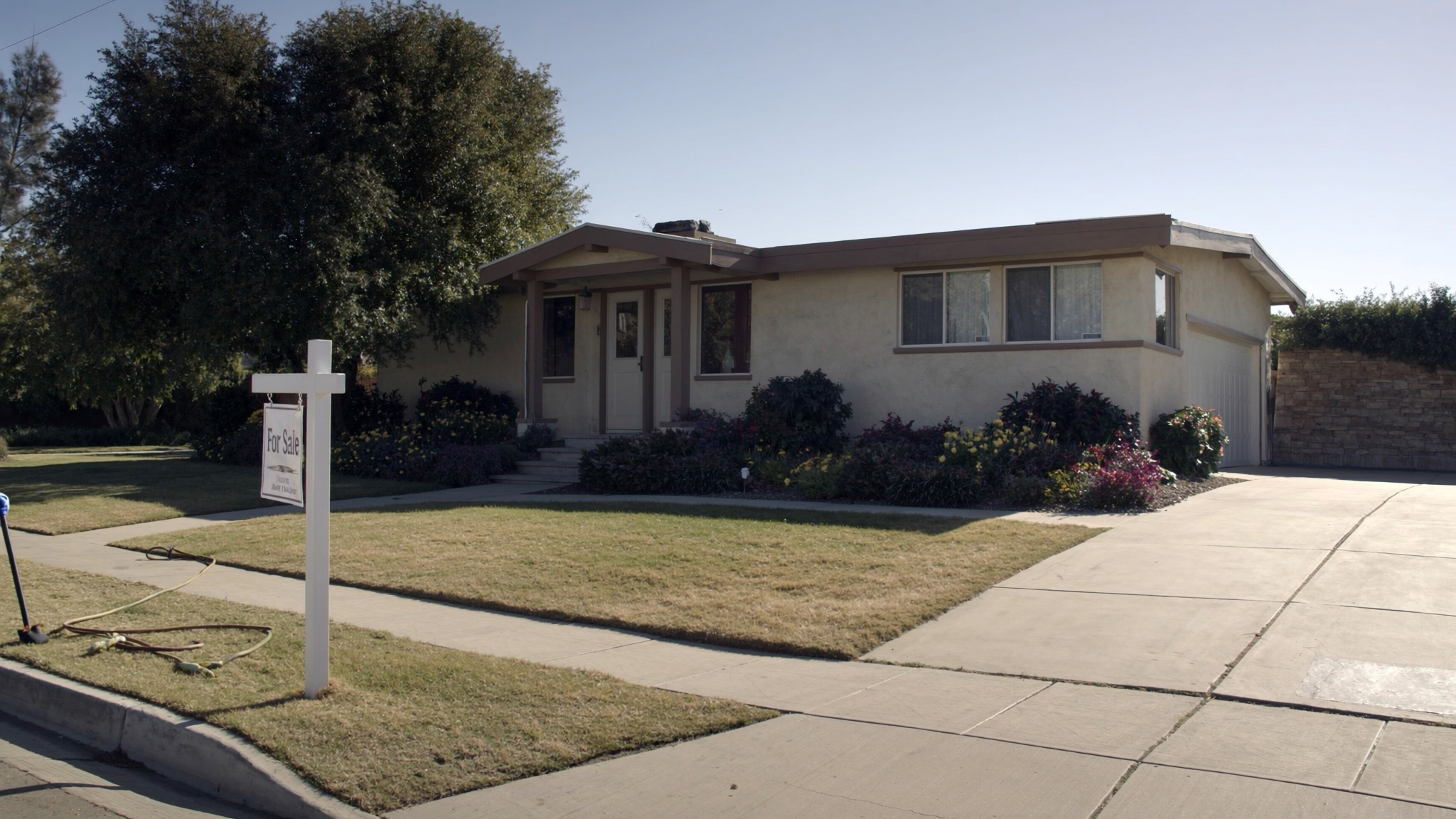
When a Lodi sale falls out of escrow, you relist by diagnosing what actually caused the fallout, resolving it, and going back to market with refreshed marketing instead of the same tired listing. Lodi REALTOR® Jeremiah Patterson resets the photos, the story, and the buyer outreach before the sign goes back up, because an unchanged relist is what turns one fallout into a long sit.
The unchanged relist is the mistake almost everyone makes, and it's understandable. You're exhausted. You already did all of this once. The temptation is to flip the status back to active, change nothing, and hope the next buyer is better.
Buyers can tell. A home that comes back looking identical to the one that just failed reads as damaged goods, and the offers reflect it.
TL;DR: A Lodi home coming back after a fallout needs three things: an honest diagnosis of why the deal died, a resolution of whatever caused it, and a genuinely new marketing launch. What it usually does not need is a price cut. Most fallouts are financing or inspection problems, not value problems, and cutting price to solve an inspection issue just pays for the problem twice.
Why Did the Deal Actually Fall Out?
You can't fix this until you name it honestly. In this market, fallouts usually trace to one of five causes.
Financing collapsed. The loan didn't fund. Employment changed, debt was added, or the underwriter found something late. This is the most common cause and it has nothing to do with your house.
Inspection findings. Something real turned up and the parties couldn't agree on who paid. Roof, foundation, sewer line, panel, termite damage.
Appraisal shortfall. The property didn't appraise at contract price and neither side would bridge the gap. That's the one fallout type that sometimes does point at price, and how the appraisal process works in Lodi home sales covers what a shortfall actually indicates.
The buyer's home didn't sell. Contingent purchase, domino fell the wrong way.
Cold feet. Life changed, or they found something they liked better.
Four of those five have nothing to do with what your home is worth. That distinction is the most important thing to get right, because the wrong diagnosis leads straight to an unnecessary price reduction.
What Do Buyers See When Your Home Comes Back?
Worth being blunt about, because it drives everything else.
Your cumulative days on market are visible. The status change is visible. Agents who watch this market noticed you went pending and came back. And the first thing every buyer's agent says to their client is some version of: "This one fell out. Something's probably wrong with it."
That assumption is your real problem. Not the price. The assumption.
You can hope nobody asks, which fails. Or you can answer it before anyone has to ask, which works remarkably well. A relist that arrives with a completed repair, a paid invoice, and a clear one line explanation converts skepticism into confidence faster than any discount.
Buyers don't discount homes that fell out. They discount homes that fell out for reasons nobody will explain.
Do You Have to Disclose Why the Last Deal Failed?
You have to disclose known material facts about the property, and that standard is broader than sellers expect.
If the prior deal collapsed because an inspection found a cracked heat exchanger, that finding is now something you know about the property. It doesn't stop being a material fact because the buyer went away. Disclose it, and disclose the repair and documentation if you've since fixed it.
If the deal collapsed because the buyer lost their job, that's not a fact about your property at all. Different category.
Where exactly the line falls in a specific situation is a legal question. If you're unsure, ask a licensed California real estate attorney rather than deciding alone at the kitchen table. What you should disclose when selling a Lodi home covers the general framework.
The practical argument for over-disclosing: a repaired, documented, disclosed issue is a selling point. An undisclosed issue that surfaces in the next inspection is a second fallout plus a credibility problem.
Should You Fix the Problem or Relist As-Is?
If the fallout was inspection driven, this is your central decision.
Fixing it first is usually stronger. You control the contractor, the scope, and the cost. You get a paid invoice and a warranty to hand the next buyer. And you remove the item from the negotiation instead of relitigating it with everyone who walks through.
Relisting as-is with full disclosure is sometimes right. If the repair is large, if you don't have the cash, or if the property genuinely suits an investor or cash buyer, as-is can net more. The tradeoff is a smaller pool and a price that reflects the unknown. Whether to sell a Lodi home as-is or make repairs first walks through when each nets more.
What almost never works is the middle: relisting with the issue unresolved, no disclosure package, and a slightly lower price. That invites every buyer to discover the problem independently and price it themselves. They price it high.
Do You Need to Drop the Price on a Relist?
Usually not, and this is where sellers hand away money.
Think about what a price cut communicates. It says the previous number was wrong. If your home went pending in a reasonable timeframe at that number, the number wasn't wrong. A buyer agreed to it. The deal died for a different reason.
Cutting price to solve a financing fallout is like taking cold medicine for a broken arm. It doesn't touch the real problem, and now you've permanently reset your value anchor lower for every buyer who follows.
There are exceptions. If the appraisal came in short and a second opinion supports it, that's real information about value. If the market genuinely moved during your escrow, that's real too, and how to price a Lodi home in a slower market walks through reading those signals honestly. Absent one of those, the answer to a fallout is a new marketing push, not a lower number.
What Actually Needs to Change Before the Sign Goes Back Up?
This is the part sellers skip, and the part that determines your outcome.
New photography, or at least a reshoot of the hero images. If the season changed, if the yard looks different, if you made a repair, shoot it. Buyers who saw it the first time need a reason to look twice.
A rewritten description. Not a tweak. Rewritten, leading with what changed.
A documentation package ready on day one. Inspection report, repair invoices, permits, warranties. This is the single highest leverage thing you can do on a relist.
A fresh push to the actual buyer pool. Not just a status change on the MLS. Targeted outreach to agents who showed it, agents with buyers in your band, and paid digital distribution to the people who actually buy homes like yours.
Attention to whatever showed up as friction. If six buyers commented on the carpet, that's not a coincidence. What to fix before selling in Lodi covers where those dollars return something.
That's the whole idea behind a Master Listing Strategy, and a relist is where it matters most. Marketing creates demand. Price alone does not. A relaunched listing with new visuals, a clear story, and real distribution can produce more activity in two weeks than the original launch did, at the same price. A relist with nothing new but a lower number produces exactly what it deserves.
What About the Backup Offers From Round One?
Call them first, before anything else.
Anyone who wrote an offer, came back for a second showing, or whose agent asked a serious question during the first run is your warmest market. Some of them are still looking. Some have been waiting to hear exactly this.
That's also why a strong initial launch pays off twice. A listing that generated real competition on day one has a bench to go back to on day sixty. How bidding wars work in the Lodi market explains how that depth gets built.
How It Works: The Step by Step
-
Get the real reason in writing. From the buyer's agent, in an email. You need accuracy, not comfort.
-
Collect every document from the failed escrow. Inspection reports, appraisal, repair bids, lender conditions. This is your intelligence file.
-
Separate property problems from non-property problems. Financing and cold feet aren't property problems. Inspection and appraisal findings are.
-
Resolve the property problems. Licensed contractors, written scopes, paid invoices, permits where required.
-
Update your disclosures. Everything you now know. If you're uncertain what crosses the line, ask a licensed California real estate attorney.
-
Call every warm buyer from round one before you relist publicly.
-
Rebuild the marketing assets and plan the relaunch like a first launch, then hold your price unless appraisal data or a genuine market shift says otherwise, and prescreen the next buyer's financing harder than you did the first.
Common Mistakes to Avoid
Relisting the same listing. Same photos, same words, lower price. Buyers read that as a distressed seller and negotiate accordingly.
Cutting price to fix a non-price problem. If the loan fell through, the price wasn't the issue. You'll have given away money and still have the real problem.
Hiding the fallout. Agents talk and the status history is visible. Getting caught being cagey costs more than the disclosure would have.
Failing to fix what killed the first deal. The next inspector finds the same thing. You're buying a second fallout on installment.
Skipping the warm buyer list. The people who already wanted your house are the cheapest buyers you will ever find.
Letting the property decline while it sits. A relist has to show better than the original, not worse.
Not vetting the next buyer's financing. After a loan fallout, "preapproved" isn't enough. Talk to the loan officer yourself.
Assuming a fallout means you overpriced. Someone agreed to your number. That's evidence, and pricing a Lodi home for the most offers in the first 14 days explains how to read that signal correctly.
What This Looks Like in Real Life
Scenario one. A Lodi seller goes pending in under two weeks, then loses the deal on day 34 when the buyer's employment changes and the loan can't fund. Nothing was wrong with the house. The seller resists cutting price. Instead we reshoot the exterior now that the landscaping has filled in, rewrite the description to lead with the recent HVAC replacement, and call the two buyers who wrote backup offers. One is still looking. The home goes pending again inside ten days at the same price, with a buyer whose lender we spoke to directly before accepting.
Scenario two. A different seller loses a deal over a sewer lateral that failed a camera inspection, after the buyer's aggressive repair estimate deadlocked the negotiation. The seller gets two independent bids, has the line repaired and permitted, and comes back with the invoice, the permit, and a new camera inspection showing a clean line. The listing leads with it rather than burying it. The next buyer never raised the issue, because it was answered before they could ask, and the repair cost less than the price reduction the seller had been considering.
Frequently Asked Questions
Does a fallout permanently hurt my home's value in Lodi?
No. It hurts your negotiating position temporarily by inviting suspicion. The fix is information, not discount. A relist that comes with documentation and visible improvement typically sells at or near the original price. A relist that comes back unchanged and quiet is the one that erodes.
Do days on market reset when I relist?
That depends on how the listing is handled and what your local MLS rules provide, and cumulative days on market are generally still visible to agents regardless. Don't plan around resetting the clock. Plan around giving buyers a reason not to care about it.
Should I switch agents after a deal falls out?
Ask a different question: did the marketing generate real competition the first time? If your home had one interested buyer and that buyer failed, you had a distribution problem before you had a fallout problem. If it drew multiple offers and one buyer's loan died, that's bad luck, not bad marketing.
How soon can I put the home back on the market?
Immediately, if nothing about the property needs to change. Within a couple of weeks if you're completing a repair. The right timing is driven by when you'll have something new to show, not by a waiting period. Waiting for buyers to forget doesn't work.
Do I have to give the buyer their deposit back?
That depends on what contingencies were in place, what the contract provides, and how the cancellation is handled. Escrow generally can't release funds without mutual instructions or a resolution. Talk to a licensed California real estate attorney rather than assuming either outcome.
Will the next buyer's lender see the failed appraisal?
Appraisal handling and portability vary by loan program and lender. Assume the value question may resurface and be ready with the data supporting your price. What your home is worth in Lodi is the starting point for building that case properly.
Ready to Relaunch Instead of Just Relist?
If your escrow just collapsed, the next two weeks decide whether this is a footnote or a six month problem. Start here.
-
Send me everything from the failed escrow. Inspection report, appraisal, repair bids, and the cancellation. I'll tell you what's a property problem and what isn't.
-
Let's build the relaunch package before we change the status. New photos, rewritten story, documentation ready to hand over, and a plan for reaching the buyers who matter.
-
Book a call before you consider a price cut. In most fallouts the price was never the problem, and we'll look at the evidence together before you give anything away.
Reach me through the contact page, or if you want an independent read on your value first, start with a free home evaluation.
Jeremiah Patterson is a REALTOR® and Vice President at Cornerstone Real Estate Group (CA DRE #02017640), with 220+ closed transactions and more than $87 million in San Joaquin County sales since 2016. His listings sell in a median of 13 days, with 55% under contract within 14 days, and he holds a 5.0 rating across 180 verified reviews (RateMyAgent 72, Realtor.com 61, Google 32, Yelp 15). He's a Move-Up Specialist and works with out-of-state, remote, and inherited/estate sellers as well as first-time buyers across Lodi, Stockton, Woodbridge, Acampo, Galt, and San Joaquin County. He was named RateMyAgent County Top 5 for San Joaquin County five consecutive years (2022-2026) and is a Lifetime Member of the Lodi Association of REALTORS® Masters Club. Reach him at (209) 329-7238 or jeremiah@sellingsanjoaquin.com.
For more on running a strong second launch, read how to sell my house in Lodi, CA for the full sequence, and how long it really takes to close on a Lodi home sale to set a realistic timeline for round two.
Jeremiah Patterson
Cornerstone Real Estate Group
224 W Pine St, Lodi, CA 95240
Phone (209) 329-7238
Email jeremiah@sellingsanjoaquin.com
CA DRE #02017640 · Brokerage DRE #01037761
Practicing since 2016
Categories
Recent Posts







GET MORE INFORMATION