Why Do Two Similar Lodi Homes Sell for Very Different Prices?
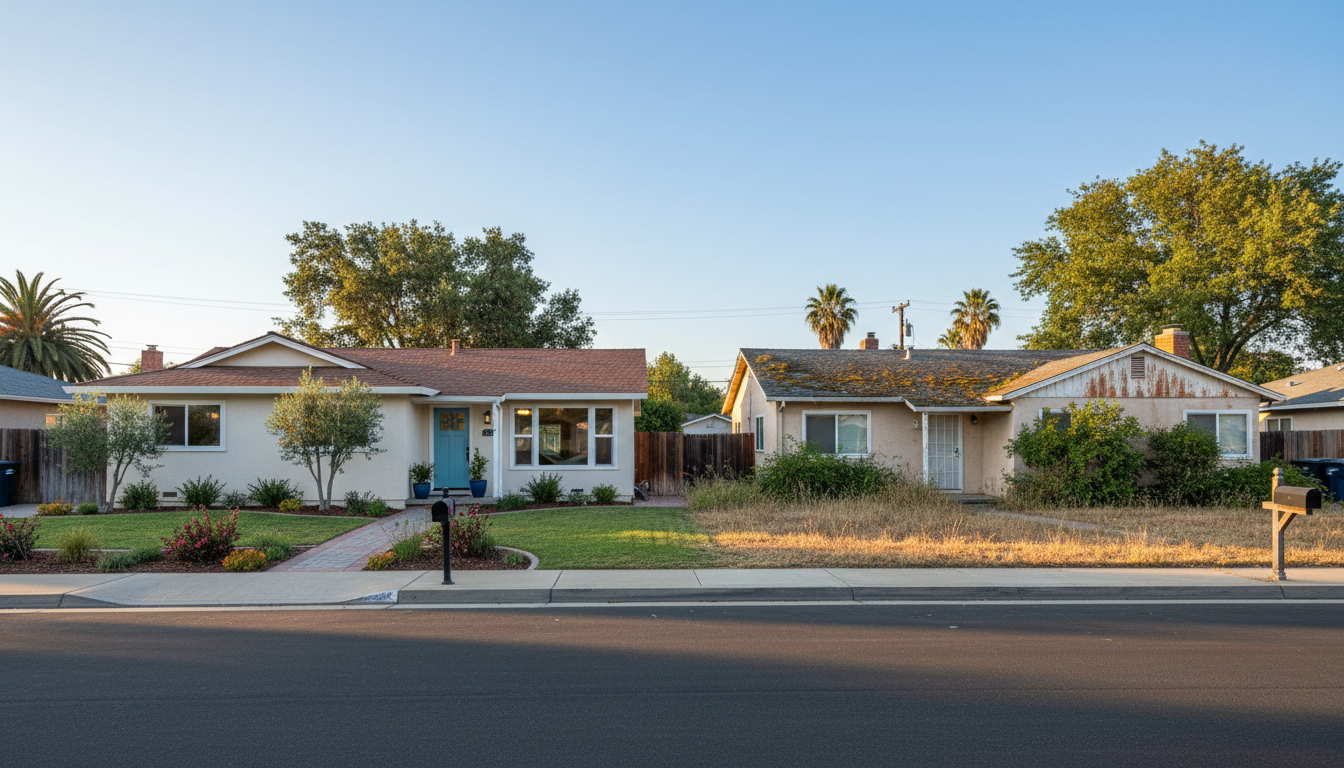
Two nearly identical Lodi homes, same street, same size, same condition, can sell tens of thousands of dollars apart. The difference is almost never luck and almost never the house itself. It comes down to preparation, pricing strategy, and above all marketing. The home that sells for more got in front of more of the right buyers, created competition, and captured a buyer who was excited. The home that sold for less was simply listed and left to wait.
TL;DR: Same home, different result usually traces to three things: how well it was prepped and presented, how it was priced to create demand, and how aggressively it was marketed to real buyers. Marketing is the biggest lever, because price is set by demand and demand is created, not found.
If you own a Lodi home and you have watched a neighbor's place sell for more than a similar one down the street, you have seen this in action. Here is what is really going on, so you can be the home that sells for more.
Isn't the price just set by the market?
Partly. The market sets a range. But within that range, the final price is set by how many of the right buyers see the home and how much they want it. That part is not fixed. It is influenced by everything the seller and agent do.
Think of it this way. The house sets the floor. The marketing sets the ceiling. Two identical homes have the same floor, but the one with real marketing reaches a much higher ceiling because it creates demand the other one never tapped.
What actually creates the price gap?
A few things stack up, and together they explain most of the difference.
Presentation
One home has professional photography, a story-driven video, and staging that helps buyers picture their life there. The other has a few dim phone photos. Buyers decide in seconds whether to click, and they never fall in love with a listing they scrolled past. Presentation is not vanity, it is the first filter every buyer runs.
Pricing strategy
One home is priced to create competition, drawing several buyers at once in the first week. The other is priced on ego or on a Zestimate, sits too high, goes stale, and eventually sells for less after a price cut. How a home is priced at launch shapes the entire result.
Marketing reach
This is the big one. One home is put in front of thousands of the right local and relocating buyers through targeted video and paid ads in the launch window. The other sits on the MLS and waits. More of the right eyes means more showings, more offers, and a higher price. That is the whole difference, and it is why one home sells for more.
Why is marketing the biggest lever?
Because the buyer who pays the most is often someone who was not even searching yet. They were not on the MLS. They saw a video of the home on their feed and it stopped them. If your home never reaches that buyer, you never get their offer, and their offer is often the one that sets a new high.
The MLS reaches people already looking, and that is a small, shared pool. Real marketing, the kind that treats a home launch like a media company, goes out and finds the buyer who did not know they wanted your home until they saw it. That is the ceiling the other home never reached.
Can I control which home I am?
Yes, completely. The gap is not luck, so it is not out of your hands. You control how the home is prepped, how it is priced, and how it is marketed. Choosing an agent who markets aggressively, and insisting on video and targeted distribution, is how you make sure your home is the one that sells for more, not the cautionary tale down the street.
Common mistakes that put a home on the wrong side of the gap
- Skipping video and professional photos to save a little money up front.
- Pricing high "to leave room," which backfires into a stale listing and a price cut.
- Treating the MLS as the marketing plan.
- Launching quietly instead of concentrating exposure in the first week.
- Picking an agent on commission rate alone, without asking how they actually create demand.
What this looks like in real life
Two similar Lodi homes list within weeks of each other. One gets phone photos and a spot on the MLS. The other gets staging, a video, and a targeted ad launch that reaches thousands of buyers in week one. The second home draws multiple showings quickly, gets competing interest, and closes meaningfully higher, even though the houses were nearly the same. Nothing about the buildings explained the gap. The marketing did.
Frequently asked questions
If the homes are identical, how can the price really differ that much?
Because price within the market range is driven by demand, and demand is created by marketing and presentation. The home that reaches more of the right buyers and creates competition sells higher, even when the houses are the same.
Does staging really change the price?
It changes how buyers feel and how fast they act, which affects offers and price. Even simple or AI staging on the photos can make a home feel move-in ready and draw stronger interest.
Is pricing high a safe way to leave room to negotiate?
Usually not. Overpricing tends to create a stale listing, which then requires a price cut and often nets less than pricing to create competition from day one.
How much of the difference is the agent?
A lot of it. The agent controls the marketing, the pricing strategy, and the launch. That is where most of the price gap between two similar homes is actually created.
What is the single biggest factor?
Marketing reach. Getting the home in front of thousands of the right buyers in the first week is the lever that most often separates the higher sale from the lower one.
Want to be the home that sells for more?
If you are thinking about selling in Lodi, let's make sure your home lands on the right side of that gap. You will get a straight plan for prepping, pricing, and marketing it to create real demand, with no pressure.
Jeremiah Patterson is a REALTOR® and Vice President at Cornerstone Real Estate Group (CA DRE #02017640), with 220+ closed transactions and more than $87 million in San Joaquin County sales since 2016. His listings sell in a median of 13 days, with 55% under contract within 14 days, and he holds a 5.0 rating across 180 verified reviews (RateMyAgent 72, Realtor.com 61, Google 32, Yelp 15). He's a Move-Up Specialist and works with out-of-state, remote, and inherited/estate sellers as well as first-time buyers across Lodi, Stockton, Woodbridge, Acampo, and San Joaquin County. He was named RateMyAgent County Top 5 for San Joaquin County five consecutive years (2022, 2026) and is a Lifetime Member of the Lodi Association of REALTORS® Masters Club. Reach him at (209) 329-7238 or jeremiah@sellingsanjoaquin.com.
Jeremiah Patterson · Cornerstone Real Estate Group · 224 W Pine St, Lodi, CA 95240 · (209) 329-7238 · jeremiah@sellingsanjoaquin.com · CA DRE #02017640 · Brokerage DRE #01037761 · practicing since 2016
Categories
Recent Posts







GET MORE INFORMATION