What Should a Lodi Buyer Check Before Waiving the Appraisal Contingency?
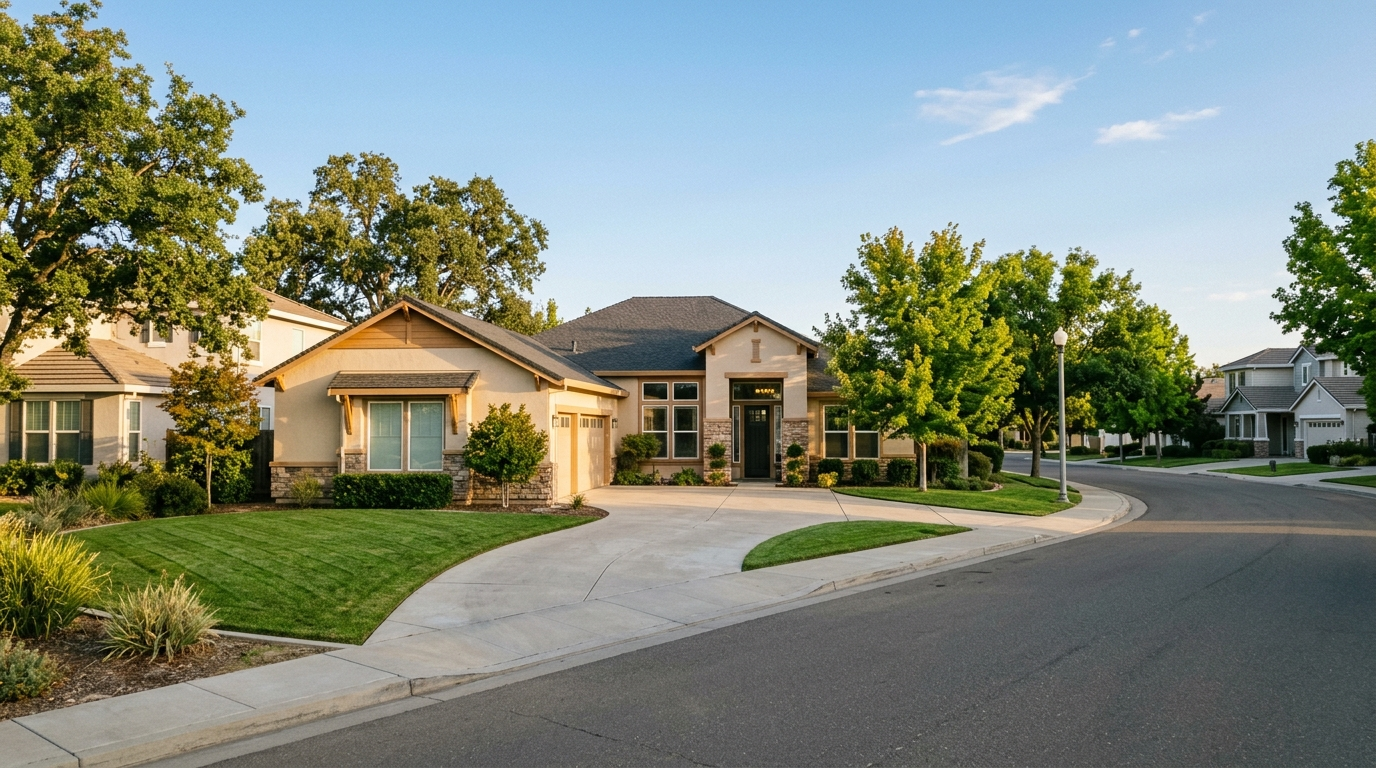
If you're buying a home in Lodi and thinking about waiving the appraisal contingency to make your offer stronger, Jeremiah Patterson's answer is this: only waive it once you know your cash cushion, your lender's real appraisal risk, and whether the home's likely value can absorb a gap. Waiving it can win you the house, but it moves real financial risk onto you, so it should be a calculated decision, not a reflex.
TL;DR: Waiving the appraisal contingency in Lodi means you promise to buy even if the appraisal comes in low, which usually forces you to cover the shortfall in cash. Before you waive, confirm how much gap you can pay, ask your lender how likely a low appraisal is for that home, and consider a partial waiver instead of an all-or-nothing one.
If you're a first-time buyer in a competitive Lodi situation, you're probably worried about two things at once: losing the home to a stronger offer, and getting stuck with a bill you cannot pay. That's the right thing to worry about. Let's walk through exactly what to check so you can compete without gambling money you don't have.
What does waiving the appraisal contingency actually mean?
When you buy with a loan, your lender orders an appraisal to confirm the home is worth what you agreed to pay. The appraisal contingency is the clause that lets you renegotiate or walk away, with your deposit protected, if that appraisal comes in below the purchase price.
Waiving it removes that protection. You're telling the seller you'll close at the agreed price even if the appraisal is low. Because your lender only lends against the appraised value, a low appraisal on a waived contract usually means you make up the difference in cash on top of your down payment.
So the real question is not "should I waive it to win." It's "how much of a gap could I actually cover, and how likely is that gap here."
Why would a Lodi buyer waive it?
In a multiple-offer situation, sellers compare offers on price, terms, and certainty. An offer that can't fall apart over a low appraisal looks more certain, so a waived or limited appraisal contingency can push your offer to the top even against a slightly higher bid.
It matters most when a home is likely to draw several offers over asking, which still happens in stronger Lodi price ranges and desirable pockets. If you want a feel for how competitive things get, our guide on how bidding wars work in the Lodi market walks through what actually moves a seller's decision.
What should you check before you waive it?
Run through this list before you sign anything:
- Your gap cushion. Decide the exact dollar amount you could bring on top of your down payment if the appraisal came in low. If that number is zero, a full waiver is not for you.
- Your lender's read on appraisal risk. A good loan officer can tell you whether recent comparable sales support your offer price. Ask them directly how likely a low appraisal is for this specific home.
- The comps yourself. Have your agent pull recent nearby sales. If your offer is right in line with them, appraisal risk is lower. If you're stretching well past the last comparable sale, the risk is real.
- Your loan's flexibility. Some loan programs and down payment sizes have room to re-shuffle if value comes in a little low. Others don't. Confirm with your lender, not with a guess.
- The rest of your contract. Waiving appraisal does not mean waiving your inspection. Keep the protections that guard your safety and your wallet unless you have a specific reason not to. Our overview of contingencies when buying a home in Lodi explains which ones do what.
How big of a gap can you realistically cover?
This is where buyers get into trouble. It's easy to waive the contingency in the heat of a bidding war and only later do the math.
Work it backward. Start with your total cash available at closing. Subtract your down payment, your buyer closing costs, and a reserve you're not willing to touch. Whatever is left is the largest appraisal gap you can absorb. If your comfortable gap is, say, a few thousand dollars but the home could plausibly appraise well under your offer, a full waiver is too much risk.
The appraisal itself is not a mystery process. It's a licensed appraiser comparing the home to recent sales, adjusting for condition and features. Our explainer on the appraisal process in local home sales shows how the number gets built, which helps you judge how likely a low result really is.
What are safer alternatives to a full waiver?
You rarely have to choose between "full protection" and "no protection." Smarter middle options include:
- A capped or partial waiver. You agree to cover an appraisal gap up to a set dollar amount, and keep your walk-away right beyond that. This gives the seller most of the certainty they want while capping your exposure.
- A larger deposit or faster timelines. Sometimes you can win on certainty in other ways, so you don't have to touch the appraisal clause at all.
- A cleaner overall offer. Strong pre-approval, a realistic closing date, and clear communication from your lender often matter as much as one clause.
A good listing agent on the other side is reading your whole offer for certainty, not just the price. The goal is to look reliable without signing up for a risk you can't cover.
Common mistakes to avoid
- Waiving to win, then panicking at the gap. Decide your maximum gap in advance and put it in writing to yourself before you're emotional about the house.
- Assuming a low appraisal can't happen here. It can, especially when you're offering well over the most recent comparable sale.
- Waiving appraisal and inspection together without meaning to. These are separate protections. Dropping one does not require dropping the other.
- Taking the waiver decision from the internet instead of your lender. Your loan program, down payment, and reserves change the answer. Get it confirmed for your file.
- Forgetting reserves. Draining every dollar to cover a gap can leave you house-rich and cash-poor on day one.
A quick real-world scenario
Picture a first-time buyer who finds a Lodi home priced right at market and expects competition. Their lender pulls comps, confirms the price is well supported, and says appraisal risk is low. The buyer offers a capped appraisal waiver: they'll cover up to a modest gap, no more. Their offer reads as certain, they win, and the appraisal comes in on target anyway. They took a measured risk that matched the data.
Now picture a different buyer who waives the appraisal contingency entirely on a home priced far above the last comparable sale, with no cash set aside for a gap. The appraisal lands low, and suddenly they owe thousands they don't have, with their deposit on the line. Same clause, very different outcome, because one buyer checked the numbers first and the other didn't.
Frequently asked questions
Does waiving the appraisal contingency mean I'm waiving my inspection too? No. The appraisal contingency and the inspection contingency are separate. You can waive one and keep the other, and most buyers should keep their inspection protection unless they have a specific reason to drop it.
If the appraisal comes in low and I waived the contingency, what happens? Your lender still only lends against the appraised value, so you typically have to cover the difference between the appraised value and your purchase price in cash, on top of your down payment.
How do I know if a home is likely to appraise at my offer price? Ask your agent to pull recent comparable sales and ask your lender for their honest read. If your offer lines up with recent nearby sales, appraisal risk is lower. If you're well above them, it's higher.
Is a partial appraisal waiver a real option in Lodi? Yes. You can agree to cover an appraisal gap up to a set dollar amount and keep your walk-away right beyond that. It gives the seller added certainty while capping your risk.
Should a first-time buyer ever waive the appraisal contingency? Only with a real cash cushion and a lender who confirms the appraisal risk is low. If covering a gap would wipe out your reserves, a full waiver is usually the wrong move.
Categories
Recent Posts








GET MORE INFORMATION