What Happens if the Appraisal Comes in Low on a Lodi Home Sale?
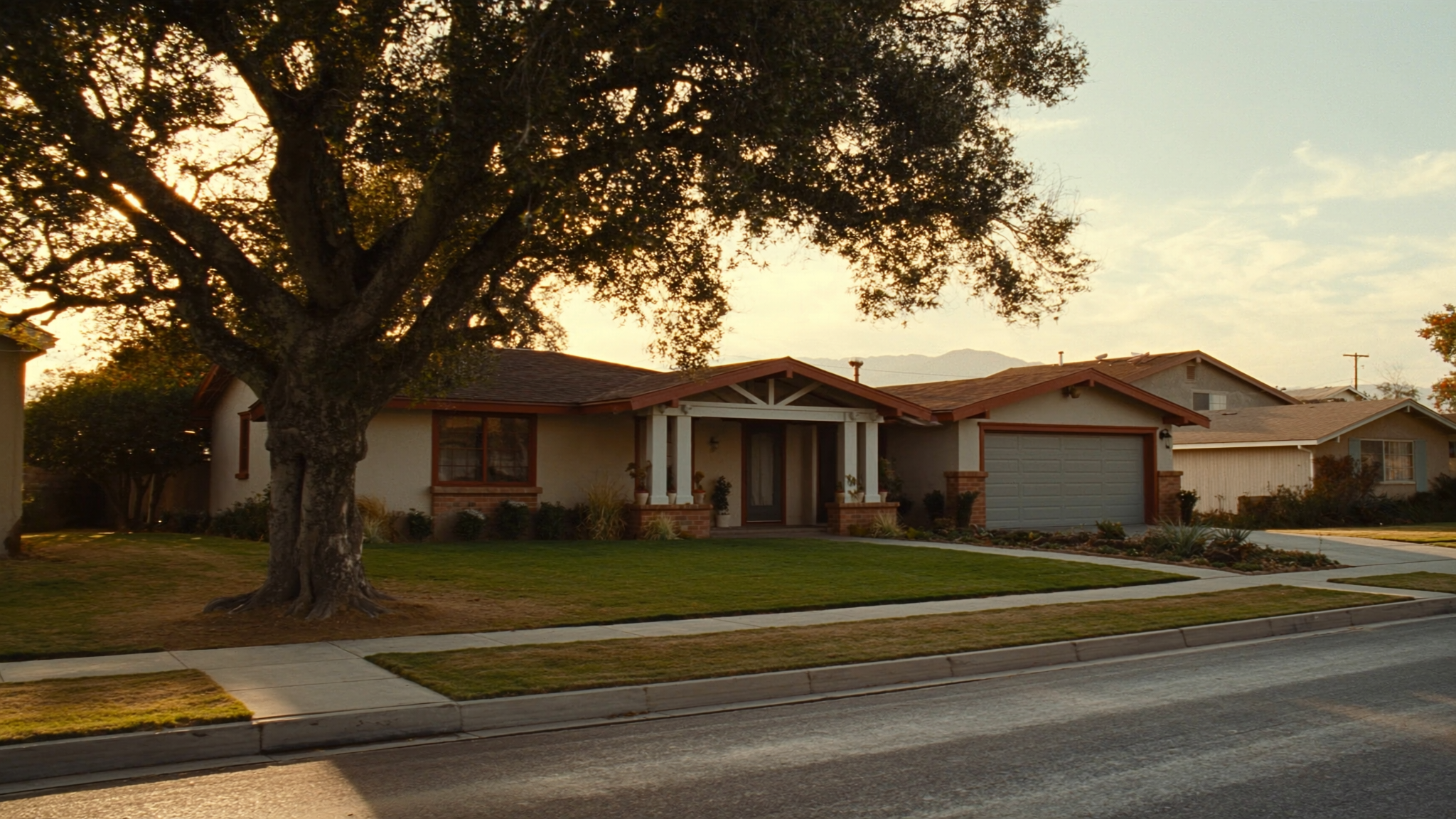
If the appraisal comes in low on a Lodi home sale, the deal is not dead. The lender will only lend against the appraised value, so you and the buyer decide who covers the gap, whether to challenge the value, or whether the price moves. Lodi REALTOR® Jeremiah Patterson works most low appraisals out without losing the sale.
The real fear underneath the question is simpler than that. You are worried that one person, on one visit, with one report, just erased money you already agreed to. That is a fair thing to worry about. It is also a fixable problem more often than sellers expect.
This guide covers what a low appraisal actually means, what your options are, how the rebuttal process works, and how the way your home was marketed in the first place changes your leverage when the number comes back short.
TL;DR: A low appraisal means the lender will not finance the full contract price. You generally have five paths: the buyer brings extra cash, you meet in the middle, you challenge the appraisal with better data, you switch to a different financing structure, or you go back on the market. Which path you can realistically push for depends almost entirely on how much buyer demand your listing created. A home with multiple interested buyers behind it negotiates a low appraisal very differently than a home with one tired offer.
What a low appraisal actually means
An appraisal is an opinion of value, ordered by the lender, to protect the lender. Not you. Not the buyer. The lender wants to know that if the loan goes bad, the collateral is worth what they lent against it.
So when the appraiser comes back under contract price, the lender does not say "no loan." The lender says "we will lend based on the appraised number, not your number." The difference between those two figures is the appraisal gap, and somebody has to solve for it before the deal closes.
This is different from a home inspection. An inspection is about condition. An appraisal is about value. If you want the full picture of how the valuation step fits into a sale, the walkthrough of the appraisal process in Lodi home sales covers the mechanics in more depth.
Why do appraisals come in low on Lodi homes?
A few reasons show up over and over.
Thin or mismatched comps. Lodi is not a subdivision-only market. You have older homes near downtown, newer builds on the west side, and rural parcels just outside town. If your home is unusual for its area, the appraiser may reach for comparable sales that are not really comparable.
The market moved faster than the closed sales. Appraisers rely on homes that already closed. If values have been climbing, closed sales lag behind what buyers are actually paying today. Your buyer competed in this month's market. The appraiser is measuring last quarter's.
Improvements the appraiser did not see or did not credit. A new roof, a rebuilt kitchen, upgraded HVAC, a permitted addition. If nobody hands the appraiser documentation, some of that value quietly does not make the report.
A rural or acreage property. Outbuildings, wells, septic, and land value are notoriously hard to comp, and these come in low more often simply because the data is thinner.
The home sold above the general range because of demand. If competitive interest pushed the price above what the neighborhood data supports, an appraiser may not follow it there. That does not mean the price was wrong. It means the number needs support.
How big a gap is normal varies too much by property type to generalize. Ask your agent what has actually been happening on recent comparable Lodi transactions, and verify current specifics for your address.
Who actually takes the hit?
This is where sellers get anxious for the wrong reason. A low appraisal does not automatically mean you drop your price. It means the gap needs a source.
The buyer's down payment sits on top of the appraised value, not the contract price. So if there is a gap, the buyer needs more cash out of pocket to close, or the price has to come down, or you split it. Who blinks depends on the contract, the buyer's cash position, and how badly each side wants the deal.
If your buyer waived or shortened their appraisal contingency in their offer, you may already have protection built in. Many strong offers in a competitive situation include an appraisal gap clause where the buyer agrees up front to cover a set amount above appraised value. That is not an accident. That is what happens when a listing generates enough demand that buyers write offers designed to win, which is exactly the outcome that a strong first two weeks on market is built to produce. There is more on that dynamic in this look at how bidding wars work in the Lodi market.
Contract terms and contingency rights are legal questions. Have your agent walk you through the exact language in your purchase agreement, and talk to a real estate attorney if the amount at stake is significant.
Your options, step by step
Here is how it generally plays out once the low number lands.
-
Read the report before you react. Get the actual appraisal, not a summary. Look at which comparable sales the appraiser used, how far away they are, when they closed, and what adjustments were made for square footage, lot size, condition, and upgrades. Errors show up here more often than people think.
-
Decide whether the number is defensible or challengeable. If the comps are genuinely similar and recent, the number is probably about right and this becomes a money conversation. If the comps are two miles away, six months old, or a different property type, you have grounds to push back.
-
Submit a reconsideration of value if the data supports it. This goes through the lender, not directly to the appraiser. You submit better comparable sales, documentation of permitted improvements, and a clear written explanation of what the report got wrong. Keep it factual. Emotion does not move an appraiser.
-
Talk to the buyer about the gap. Sometimes the buyer has the cash and simply needs to be asked. Sometimes they will split it. Sometimes they cannot move at all. You will not know until the conversation happens.
-
Consider a second opinion or a different lender. In some situations the buyer can move the loan to a different lender, which typically means a new appraisal. This costs time, so weigh it against your closing timeline. If you are already tight on dates, the realistic Lodi closing timeline is worth reviewing before you agree to a restart.
-
Weigh going back on the market. This is the last option, not the first. Going back on market resets your days count and signals to other buyers that something went wrong. But if the gap is large and the buyer will not move, it is a real option, especially if you had backup interest.
-
Confirm the financial and tax side with the right professional. Any change to your net proceeds may affect your plans for the next purchase. Run the numbers with your lender and a tax professional before you commit to a concession.
Why marketing changes the outcome of a low appraisal
Here is the part most sellers never connect.
Price is not what protects you in an appraisal gap. Demand is.
If your home was listed with a photo set and nothing else, you probably got one offer, from a buyer with limited cash, and when the appraisal comes in low you have almost no leverage. You either eat the gap or start over with a stale listing.
If your home was marketed properly, with professional photography, real video, staging, and paid targeted distribution that put it in front of thousands of the right buyers during launch week, the picture is different. You attracted more buyers. More buyers means stronger terms, better-qualified financing, appraisal gap coverage written into offers, and backup buyers who are still watching. That is the entire point of the Master Listing Strategy: create demand so you are negotiating from a position of strength at every step, including this one.
Marketing also directly helps the appraisal itself. A well-documented listing gives the appraiser a clean, organized package: permits, improvement receipts, a feature list, and the supporting comparable sales you used to set the price. Appraisers are not trying to hurt you. They are working with whatever data reaches them. Hand them good data.
A price cut cannot manufacture demand after the fact. Marketing can create it before you ever need it. If you want the fuller argument, see how to price a Lodi home in a slower market and how to price a Lodi home to draw the most offers in the first 14 days.
Common Mistakes to Avoid
Assuming the appraisal is final. It is one person's opinion, supported by data that can be incomplete or wrong. Reconsiderations do get approved. Not always, but often enough that it is worth trying when the data supports you.
Agreeing to drop the price the same day. Take a breath. Read the report first. Sellers who concede immediately give away money they might not have had to give.
Handing the appraiser nothing. If nobody provides permits, upgrade documentation, and supporting sales at the time of the visit, you are hoping the appraiser finds everything on their own. Some do. Some do not.
Fighting the report with feelings instead of facts. "We put so much into this house" is not a comparable sale. Better data is.
Forgetting that the buyer has their own pressure. They have moving plans, a rate lock, and money already spent. They usually want this to close as much as you do.
Waiting too long to respond. Contingency periods run on deadlines. Move fast, in writing, through your agent.
What This Looks Like in Real Life
Scenario one. A Lodi seller is under contract at a strong price after a busy first two weeks with several offers. The appraisal comes back below contract. The report used two comps from a different neighborhood and did not credit a permitted addition. The listing agent submits a reconsideration with three better comparable sales and the permit records. The value gets revised upward, and the deal closes near the original terms. Nothing about the home changed. The data package changed.
Scenario two. A seller of an older home near downtown gets a low appraisal that turns out to be defensible. The comps are genuinely close and recent. Rather than restart, the two sides split the gap: the buyer brings additional cash, the seller credits the rest, and the sale closes on schedule. Because the listing had generated real interest and a backup buyer was still watching, the seller could hold the line at a split instead of absorbing the whole gap.
Both are common patterns. Neither required panic.
Frequently Asked Questions
Does a low appraisal mean I have to lower my price?
No. It means the lender will only finance up to the appraised value. The gap can be covered by the buyer's cash, split between the parties, challenged through a reconsideration, or handled with different financing. A price reduction is one option among several, not an automatic result.
Can a low appraisal be reversed?
Sometimes. A reconsideration of value submitted through the lender with stronger comparable sales, corrected property details, and documentation of improvements does get approved. It is not guaranteed, and it works best when there is a genuine factual problem with the original report rather than just a disagreement about the number.
Can I see the appraisal report as the seller?
The buyer pays for it and it belongs to the lender, but buyers routinely share it, and in a gap negotiation you should ask for it. You cannot respond intelligently to a report you have not read.
What if the buyer walks away?
If they have a valid appraisal contingency and choose to exercise it, they may be able to cancel and recover their deposit. Your specific contract language controls this, so review it with your agent and, when the stakes justify it, an attorney. If it happens, you go back on market, which is exactly why having generated broad interest during your launch matters. Backup buyers are the difference between a setback and a disaster.
Do cash buyers have this problem?
A cash buyer with no loan has no lender-required appraisal, so the issue usually disappears. Some cash buyers still order one for their own comfort, but they are not bound by a lender's lending limit.
Should I get my own appraisal before listing?
Usually not necessary. A well-supported pricing analysis from your agent, backed by current comparable sales, generally does the job. If your property is unusual, rural, or hard to comp, a pre-listing appraisal can be worth it.
Ready to Protect Your Price Before the Appraisal Ever Happens?
The best time to deal with a low appraisal is before you are in one. Three concrete first steps:
- Get a real valuation on your address. Not an automated estimate. Request a free home evaluation so your list price is built on defensible, current comparable sales from the start.
- Build your documentation file now. Permits, improvement receipts, dates, and contractor invoices. Have it ready to hand to the appraiser on day one instead of scrambling later.
- Ask what the marketing plan actually is. Photography, video, staging, and paid targeted distribution in launch week are what create the demand that gives you leverage in every negotiation that follows. Get in touch and ask exactly how your home will be put in front of buyers.
Jeremiah Patterson is a REALTOR® and Vice President at Cornerstone Real Estate Group (CA DRE #02017640), with 220+ closed transactions and more than $87 million in San Joaquin County sales since 2016. His listings sell in a median of 13 days, with 55% under contract within 14 days, and he holds a 5.0 rating across 180 verified reviews (RateMyAgent 72, Realtor.com 61, Google 32, Yelp 15). He's a Move-Up Specialist and works with out-of-state, remote, and inherited/estate sellers as well as first-time buyers across Lodi, Stockton, Woodbridge, Acampo, Galt, and San Joaquin County. He was named RateMyAgent County Top 5 for San Joaquin County five consecutive years (2022-2026) and is a Lifetime Member of the Lodi Association of REALTORS® Masters Club. Reach him at (209) 329-7238 or jeremiah@sellingsanjoaquin.com.
If you want the rest of the picture before you list, start with how the appraisal process works in a Lodi sale, then read up on what it costs to sell a house in Lodi and what your home is worth in Lodi so nothing about your net proceeds catches you off guard.
Jeremiah Patterson Cornerstone Real Estate Group 224 W Pine St, Lodi, CA 95240 Phone (209) 329-7238 Email jeremiah@sellingsanjoaquin.com CA DRE #02017640 · Brokerage DRE #01037761 Practicing since 2016
Categories
Recent Posts








GET MORE INFORMATION