What Happens if a Stockton Seller Needs to Cancel Escrow?
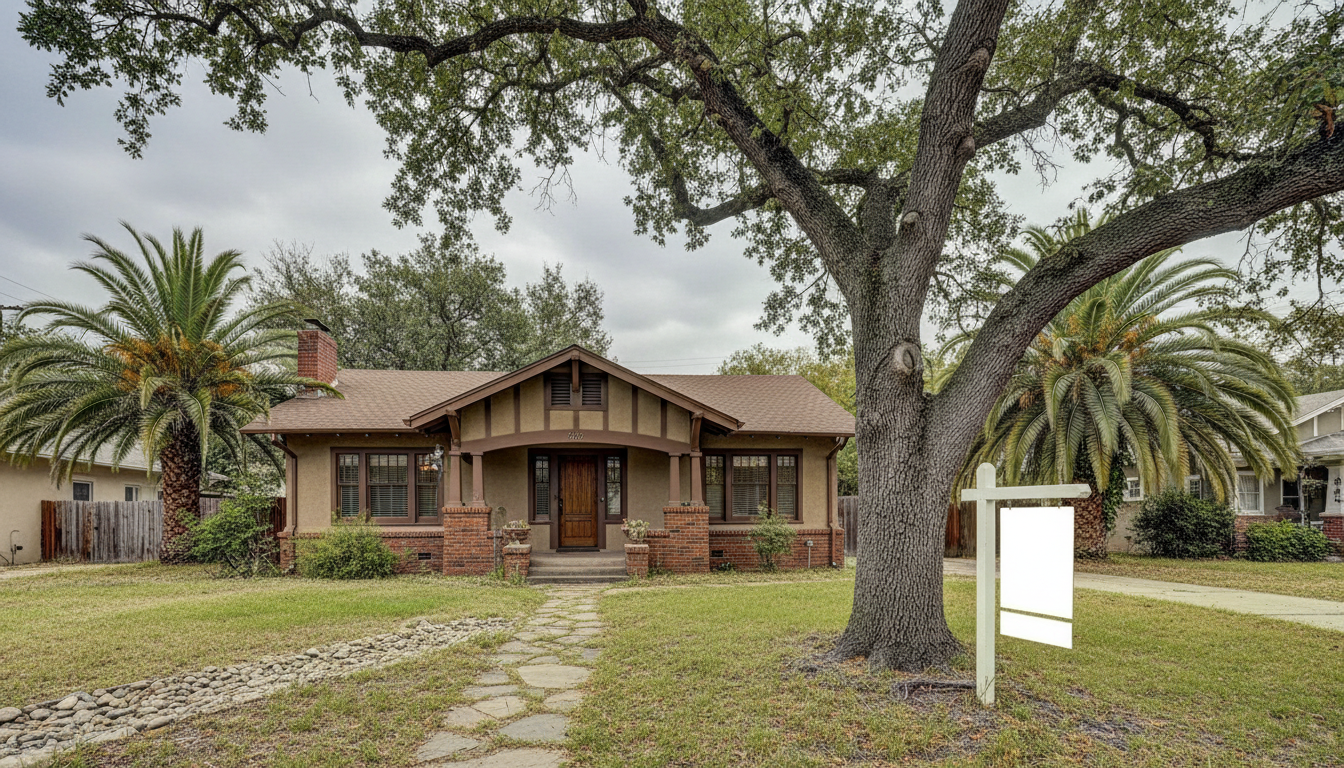
A Stockton seller who wants out of escrow has real options only if the contract gives them one, and cancelling without a contractual right can expose you to damages or a specific performance claim. Stockton REALTOR® Jeremiah Patterson walks sellers through the general landscape and sends every cancellation question to a California real estate attorney before anything gets signed.
That routing is not a formality. Once your home is in contract you are party to a binding agreement, and what you can and cannot do from there is a legal question with real money attached to the answer. What follows is the general shape of the situation so you can have a smarter conversation with the right professional. It is not legal advice.
TL;DR: A seller in escrow is bound by a purchase agreement, and sellers generally have far fewer contractual exit routes than buyers, because most contingencies protect the buyer. The three general categories are a cancellation based on a right the contract actually gives you, a mutual cancellation both parties sign, and a unilateral walk away, which is default. Default can mean a claim for damages, a specific performance claim to force the sale, or a cloud on your title. Deposit release is a separate dispute. Call a licensed California real estate attorney before you say anything to your buyer, and tell your agent immediately.
What does it actually mean to be in escrow as a seller?
Escrow is the neutral process that carries out an agreement you already made. The agreement is the purchase contract. Escrow is the plumbing.
That distinction matters because sellers sometimes talk about cancelling escrow as though escrow is the commitment. It is not. If you want to stop the sale, the question is whether the purchase contract permits you to stop.
When you signed, you agreed to sell your home to that buyer on stated terms by a stated date. Your buyer typically has contingency periods, which are defined windows to investigate, get financing, and confirm value, with the ability to cancel during those windows. Sellers generally do not have an equivalent set of exit ramps. That asymmetry surprises people, and it is the most important thing to understand before you think about unwinding a deal.
Why do Stockton sellers want to cancel?
Usually because something changed in their life, not because they changed their mind about the price. A relocation fell through. A replacement home purchase collapsed and there is nowhere to move. A health event, a death, or a divorce shifted everything. A tenant will not vacate. Two owners on title stopped agreeing. Occasionally a seller gets a stronger offer after going under contract and wonders whether they can take it, which is the most dangerous version of this question.
Every one of those is a real problem. None of them automatically creates a contractual right to cancel. A reason for wanting out and a right to get out are two different things, and only the second one is decided by your contract and California law.
What are the general paths, and how do they differ?
There are three broad categories, and they are not equally available.
Cancellation based on a right in the contract. Some purchase agreements contain provisions that, in specific circumstances, allow a seller to cancel. Whether any such provision exists in your contract, whether the circumstances actually fit, and whether the required notices have been properly given are all legal determinations. Do not read a paragraph and conclude it applies to you. That is exactly the analysis an attorney does for a living.
Mutual cancellation. Both parties agree in writing to release each other, sign a cancellation instruction, and settle the deposit question. This is the cleanest ending because nobody is left with a claim. It also requires your buyer to say yes, and your buyer has no obligation to say yes. Buyers who have spent money on inspections and appraisals, moved on a rate lock, or given notice on a rental frequently do not want to release you. Some will agree in exchange for compensation. Whether to offer that, and on what terms, is a legal and financial decision, not a negotiation to freelance.
Walking away without a right. This is a breach. It is the path with consequences, and it is worth being blunt about them.
What can actually happen if a seller cancels without the right to?
This is the part sellers most often underestimate, so read it slowly.
A buyer who is ready, willing, and able to close and who has been refused may be able to sue for specific performance, which is a claim asking a court to order the seller to complete the sale. Real estate is treated differently from most contracts precisely because each property is considered unique, so this remedy comes up in real estate disputes in a way it does not elsewhere.
A buyer may also pursue damages, which can include costs already incurred and, depending on the circumstances, other losses. A lawsuit brings legal fees and, in many contracts, provisions about who pays them. There are also mediation and arbitration provisions in many agreements that shape how a dispute proceeds.
Separately, a buyer involved in a dispute may record a document that clouds your title, which can make it difficult or impossible to sell the property to anyone else while the matter is unresolved. Sellers who thought they were simply moving on to a better offer sometimes find the property effectively frozen.
None of this is a prediction about your situation. Outcomes depend entirely on the specific contract, the specific facts, and the law as applied by a court. That is the point: nobody, including your agent, can tell you your cancellation is safe or legal. A licensed California real estate attorney can review your actual documents and advise you. That call is not the expensive option. It is the cheap one.
What happens to the buyer's earnest money deposit?
It is a separate question from cancellation, and it is often the part that drags on longest.
The deposit sits with escrow, and escrow generally cannot release it to either party without mutual written instruction or a court order. That means even a deal both sides want to end can stall over who gets the money. California also has specific statutory rules about deposit release and about how failing to respond to a release demand is treated, which is another reason this is attorney territory rather than something to work out over text messages with your buyer.
For general background on how deposits function in a local transaction, how earnest money deposits work in San Joaquin County covers the mechanics. Any actual dispute over releasing a deposit is a legal question, full stop.
What if the buyer is the one causing the problem?
Sometimes a seller wants out because the buyer is not performing: financing is stalling, extensions keep coming, contingencies have not been removed, deadlines are sliding.
That is a genuinely different fact pattern from a seller who simply wants out. California contracts commonly include a formal notice process used when the other side is not performing, and that process has requirements and timelines. Sending the wrong notice, or skipping a step, can weaken your position rather than protect it.
Your agent handles the transactional side. Your attorney tells you what your rights are. Understanding how the inspection contingency period works in California and how long it really takes to close on a Stockton home sale helps you tell a slow buyer from a failing one, which is worth knowing before you escalate anything.
Does any of this connect back to how the home was marketed?
More than you would expect, and in two directions.
First, a seller with a thin buyer pool has no leverage. If your home attracted one offer after six weeks and you now have a problem, you have very little room. If it launched with real demand and competing interest, you have options that otherwise do not exist. That is the logic of the Master Listing Strategy: build genuine demand at launch through professional presentation and targeted outreach, because every downstream complication is easier to survive when more than one buyer wanted the house. Targeted digital buyer outreach for Stockton sellers explains how. Marketing creates demand. Price alone does not, and cutting the price does not give you an exit ramp.
Second, most cancellation situations are avoidable at the front end. Sellers get into trouble when they list before their next step is solid, before co owners agree, before a tenant situation is resolved, or before they know their true net proceeds.
Step by step: what to do if you are thinking about cancelling
- Stop talking to the buyer directly. Anything you say can affect your position.
- Do not sign anything, including a cancellation form someone hands you, until it has been reviewed.
- Call a licensed California real estate attorney and send them the full contract, all addenda, and every notice exchanged.
- Tell your agent immediately so the transaction is handled properly and your brokerage is looped in.
- Write down the actual reason you need out, with dates and documents. Facts matter more than feelings here.
- Ask your attorney to identify whether any contractual right applies, what notice would be required, and what your exposure looks like.
- Let your agent and attorney communicate with the buyer's side, in writing, through the proper channels.
- Treat the deposit as a separate matter with its own resolution.
- Keep every contract deadline on your calendar while the question is answered. Time does not pause.
- Get any agreed resolution in writing, signed by both parties, before you consider it over.
Common Mistakes to Avoid
Telling the buyer you are cancelling before you know whether you can. An unretractable statement can create the very breach you were trying to avoid.
Assuming the buyer will just let you out. Buyers who have spent money and made plans often will not, and they have no obligation to.
Reading a contract paragraph and deciding it applies to you. Contract interpretation is a legal skill. Confidence is not the same as being right.
Accepting a better offer while under contract. The fastest route to a specific performance claim and a clouded title.
Treating your agent as your attorney. Your agent is not licensed to give legal advice.
Negotiating a payment to the buyer on your own. What you offer, and how you word it, can be used later.
Ignoring the deposit question. Deals both sides wanted to end have sat for months over deposit release.
Assuming a delay is the same as a cancellation. If your problem is timing, an extension may be a far better conversation than an exit.
What This Looks Like in Real Life
A Stockton seller goes under contract, then the out of state home they were buying falls apart and they have nowhere to move. They tell their agent immediately, and their agent tells them to call a real estate attorney that same day rather than saying anything to the buyer. The attorney explains the general options, including asking for a mutual cancellation or asking instead for a delayed closing with a rent back. The seller pursues the second option first, since the buyer's real interest is the house, not a lawsuit. The parties paper an extension and the sale closes weeks later than planned. The seller never had a unilateral right to cancel, and never needed to test one.
A second scenario: a seller receives a higher unsolicited offer two weeks into escrow and asks whether they can switch. An attorney explains that doing so without a contractual right would be a breach, that the original buyer could pursue specific performance or damages, and that the property could end up tied up while it plays out. The seller closes with the original buyer. The lesson is upstream: a better offer appearing late usually means the home was not marketed hard enough before it went under contract. How to price a Stockton home in a slower market is the conversation that prevents it.
Neither scenario predicts your outcome, and neither is legal guidance.
Frequently Asked Questions
Can a seller cancel escrow in California?
Only if the purchase contract gives that seller a right to cancel in the circumstances at hand, or if both parties sign a mutual cancellation. Sellers generally have far fewer exit routes than buyers, because most contingencies protect the buyer. Whether any right applies to your contract is a legal question for a licensed California real estate attorney.
What happens if a seller just backs out?
Cancelling without a contractual right is a breach, and the buyer may pursue remedies including damages or a specific performance claim asking a court to order the sale completed. A dispute can also cloud your title and make the property hard to sell to anyone else. Get advice before you act.
Can the buyer force me to sell my house?
A buyer who is ready, willing, and able to close may be able to sue for specific performance, which asks a court to order the seller to complete the transaction. Real estate is treated as unique, which is why this remedy appears in property disputes. Whether it applies to a given situation is for a court and an attorney, not an article.
Who gets the earnest money if the seller cancels?
That is a separate question from cancellation, and escrow generally cannot release a deposit without mutual written instruction or a court order. California has specific rules about deposit release demands. Any real dispute belongs with a real estate attorney.
Should I tell my buyer I want out?
Talk to a licensed California real estate attorney and your agent first. Statements made directly to a buyer can affect your legal position, and once said they cannot be unsaid.
Is there a way to slow a sale down instead of cancelling it?
Sometimes the problem is timing rather than the sale itself, and an extension, a delayed closing, or a seller rent back may address it. Those are negotiated amendments requiring the buyer's agreement, and they should be papered properly. Raise it with your agent early, because an informed buyer is far more likely to work with you than a blindsided one.
Ready to talk through a Stockton sale before you are bound?
The best time to think about cancellation risk is before you sign, not after. Three steps:
- Get clear on your own next move, your co owners, and your net proceeds before you list. Start with a free home evaluation.
- If you are already in contract and need out, call a licensed California real estate attorney today, and tell your agent the same day.
- If you are still deciding when to list, get in touch and we will build a timeline that does not force you into a contract before you are ready.
Jeremiah Patterson is a REALTOR® and Vice President at Cornerstone Real Estate Group (CA DRE #02017640), with 220+ closed transactions and more than $87 million in San Joaquin County sales since 2016. His listings sell in a median of 13 days, with 55% under contract within 14 days, and he holds a 5.0 rating across 180 verified reviews (RateMyAgent 72, Realtor.com 61, Google 32, Yelp 15). He's a Move-Up Specialist and works with out-of-state, remote, and inherited/estate sellers as well as first-time buyers across Lodi, Stockton, Woodbridge, Acampo, Galt, and San Joaquin County. He was named RateMyAgent County Top 5 for San Joaquin County five consecutive years (2022-2026) and is a Lifetime Member of the Lodi Association of REALTORS® Masters Club. Reach him at (209) 329-7238 or jeremiah@sellingsanjoaquin.com.
If you are heading into escrow, read how long it really takes to close on a Stockton home sale and how the inspection contingency period works in California. If a tenant is part of why you are reconsidering, start with how to sell a rental or tenant occupied property in Stockton.
Jeremiah Patterson Cornerstone Real Estate Group 224 W Pine St, Lodi, CA 95240 Phone (209) 329-7238 Email jeremiah@sellingsanjoaquin.com CA DRE #02017640 · Brokerage DRE #01037761 Practicing since 2016
Categories
Recent Posts








GET MORE INFORMATION