What Does a Lodi Seller Need to Handle After Closing to Avoid a Tax Surprise?
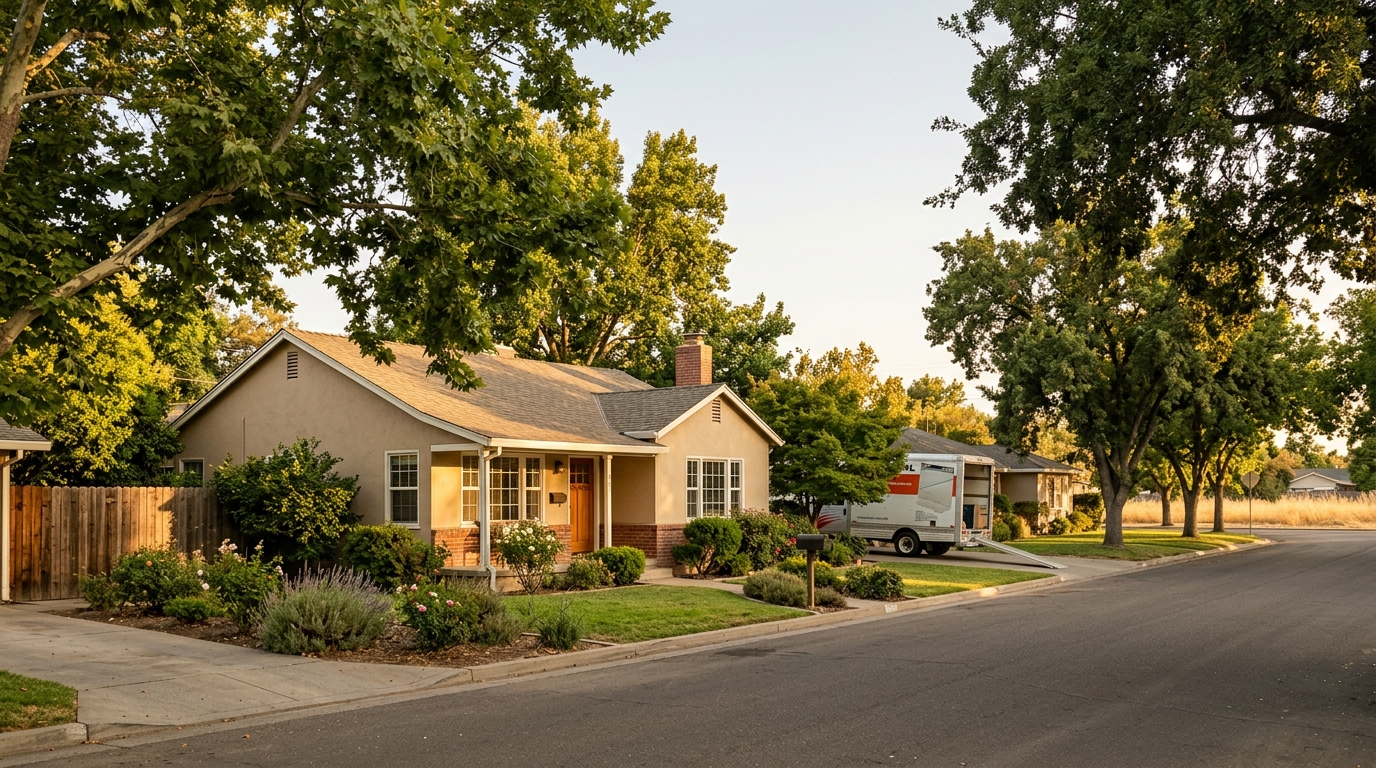
If you just sold a home in Lodi, Jeremiah Patterson's guidance is to handle three things before tax season sneaks up: understand whether your gain is taxable, gather the closing paperwork your tax pro will ask for, and confirm how the sale affects your next property tax bill if you're buying again. Most sellers owe far less than they fear, but the surprises come from waiting until April to find out.
TL;DR: After selling a Lodi home, the tax questions that matter are whether your profit exceeds the capital gains exclusion, whether you kept records of improvements that lower the gain, and how a move-up or downsize changes your property taxes going forward. Save your closing statement, talk to a tax professional early, and don't assume a big check means a big tax bill.
If you're a seller who just handed over the keys, you're probably relieved the sale closed and a little uneasy about what the IRS and the county will want later. That's fair. Let's separate what usually matters from what usually doesn't, so you can close the book on this sale with no ugly spring surprise.
Do I even owe tax on the sale of my Lodi home?
For most homeowners selling a primary residence, the answer is no, or far less than expected. Federal rules let many sellers exclude a large amount of gain on a home they owned and lived in for at least two of the last five years. A single filer and a married couple filing jointly have different exclusion amounts, so the exact figure depends on your situation.
The key word is gain, not sale price. Your gain is roughly what you sold for, minus selling costs, minus your original purchase price and the money you put into qualifying improvements over the years. A home that sold for a lot can still produce a modest taxable gain once all of that is counted.
This is general information, not tax advice, so confirm your specific numbers with a licensed tax professional. Our overview of how to avoid or reduce capital gains tax on a California home is a good starting point for the questions to bring to that meeting.
Which documents should I save now, before I forget?
The single most common post-close mistake is losing the paperwork that lowers your taxable gain. Set these aside now:
- Your final closing/settlement statement from the sale, which lists your sale price and selling costs.
- Your original purchase closing statement from when you bought the home.
- Receipts and records for capital improvements such as a room addition, new roof, remodeled kitchen, or a new HVAC system. Repairs usually don't count, but improvements often raise your cost basis and shrink your gain.
- Records of any selling expenses, including commissions and certain concessions. Our breakdown of the cost to sell a house in Lodi shows which line items typically show up here.
Digitize them into one folder today. Your future self, and your tax preparer, will thank you.
How does selling change my property taxes if I'm buying again?
This is the part sellers forget. When you sell and buy again, your new home is generally assessed at its purchase price, which can mean a very different property tax bill than you had on a home you'd owned for years.
There are exceptions worth asking about. California's Proposition 19 lets some homeowners, including those over 55, transfer their existing property tax base to a replacement home under specific rules. Whether you qualify and how it works depends on timing, age, and the price of the replacement home, so this is a conversation for your tax professional and the county assessor, not a guess. Our guide to property taxes in Lodi and San Joaquin County explains how local assessments generally work.
If you sold in order to move up or down, planning the tax base transfer before you buy is far easier than trying to fix it afterward.
What if the home was a rental or wasn't my primary residence?
The primary-residence exclusion doesn't apply the same way to investment property, and depreciation you took over the years can be recaptured at sale. Sellers of rentals sometimes use a 1031 exchange to defer tax by rolling proceeds into another investment property, but that has strict timelines that start at closing.
If any part of your Lodi home was rented, or you moved out years before selling, flag it for your tax pro right away. The rules are genuinely different, and the deadlines that matter for deferral are short.
When should I actually talk to a tax professional?
Sooner than you think. The best time is right after closing, while the paperwork is fresh and while there's still time to make decisions, such as a base-year transfer or an exchange, that only work if you act before certain deadlines.
Bring your closing statements, your improvement records, and a simple summary of how long you lived in the home and whether it was ever rented. A short, organized meeting now prevents the scramble later.
Common mistakes to avoid
- Assuming a big sale price equals a big tax bill. Tax is on gain, not price, and many primary-residence sellers owe little or nothing.
- Throwing away improvement receipts. Those records can meaningfully lower your taxable gain. Losing them can cost you real money.
- Ignoring the property tax reset on your next home. A move-up purchase can raise your ongoing property taxes. Plan for it, and ask whether a Prop 19 transfer applies.
- Waiting until April. Some tax-saving moves have deadlines that begin at closing. By tax season, the window may be closed.
- Treating a rental like a primary residence. Different rules, different deadlines. Say so up front.
A quick real-world scenario
Imagine a couple who sold their longtime Lodi home to downsize. They panicked when they saw the sale price, sure they'd owe a fortune. But once their tax pro subtracted the original purchase price, decades of documented improvements, and selling costs, the taxable gain fell within the exclusion and they owed nothing on the sale. The lesson was preparation, not luck: they had the receipts.
Now imagine a seller who moved up to a larger home and never asked about the property tax reset. The following year, their tax bill on the new place was far higher than the one they'd budgeted from their old home. A quick conversation about Prop 19 and the county assessment before buying would have set the right expectation, and possibly opened a base transfer they qualified for.
Frequently asked questions
Do most people owe capital gains tax when they sell a primary home in Lodi? Often no, or much less than they expect. Many sellers who owned and lived in the home for at least two of the last five years can exclude a large amount of gain. Your specific numbers should be confirmed with a licensed tax professional.
What records should I keep after selling my Lodi home? Keep your final closing statement from the sale, your original purchase closing statement, receipts for capital improvements, and records of selling costs. These can lower your taxable gain.
Will my property taxes go up when I buy my next home? Usually your new home is assessed at its purchase price, which can change your property tax bill. Some homeowners, including those over 55, may transfer their existing tax base under Proposition 19, so ask your tax pro and the county assessor.
Is the tax different if my Lodi home was a rental? Yes. The primary-residence exclusion works differently for investment property, and depreciation can be recaptured. A 1031 exchange may defer tax, but it has strict deadlines that start at closing, so flag a rental early.
When should I talk to a tax professional after selling? Right after closing. Some tax-saving decisions have deadlines that begin at the sale, so an early, organized meeting is far more useful than waiting until tax season.
Ready to close out your Lodi sale the smart way?
A little organization now prevents a spring headache. Here's where to start:
- Pull together your sale and purchase closing statements plus your improvement receipts into one folder this week.
- Book a short meeting with a licensed tax professional before you buy your next home, especially if a Prop 19 base transfer might apply.
- If you're selling and buying again, plan the timing together. Our guide on selling your house in Lodi and how homes here sell in a median of 13 days can help you line up both sides.
Jeremiah Patterson is a real estate agent in Lodi and Stockton, California (San Joaquin County) helping sellers, downsizers, and move-up families plan a sale that doesn't blindside them at tax time.
Jeremiah Patterson is a REALTOR and Vice President at Cornerstone Real Estate Group (CA DRE #02017640), with 220+ closed transactions and more than $87 million in San Joaquin County sales since 2016. His listings sell in a median of 13 days, with 55% under contract within 14 days, and he holds a 5.0 rating across 180 verified reviews (RateMyAgent 72, Realtor.com 61, Google 32, Yelp 15). He's a Move-Up Specialist and works with out-of-state, remote, and inherited/estate sellers as well as first-time buyers across Lodi, Stockton, Woodbridge, Acampo, Galt, and San Joaquin County. He was named RateMyAgent County Top 5 for San Joaquin County five consecutive years (2022-2026) and is a Lifetime Member of the Lodi Association of REALTORS Masters Club. Reach him at (209) 329-7238 or jeremiah@sellingsanjoaquin.com.
Jeremiah Patterson Cornerstone Real Estate Group 224 W Pine St, Lodi, CA 95240 Phone (209) 329-7238 Email jeremiah@sellingsanjoaquin.com CA DRE #02017640 · Brokerage DRE #01037761 Practicing since 2016
Categories
Recent Posts








GET MORE INFORMATION