What Do the First 72 Hours of Online Activity Tell You About a Lodi Listing?
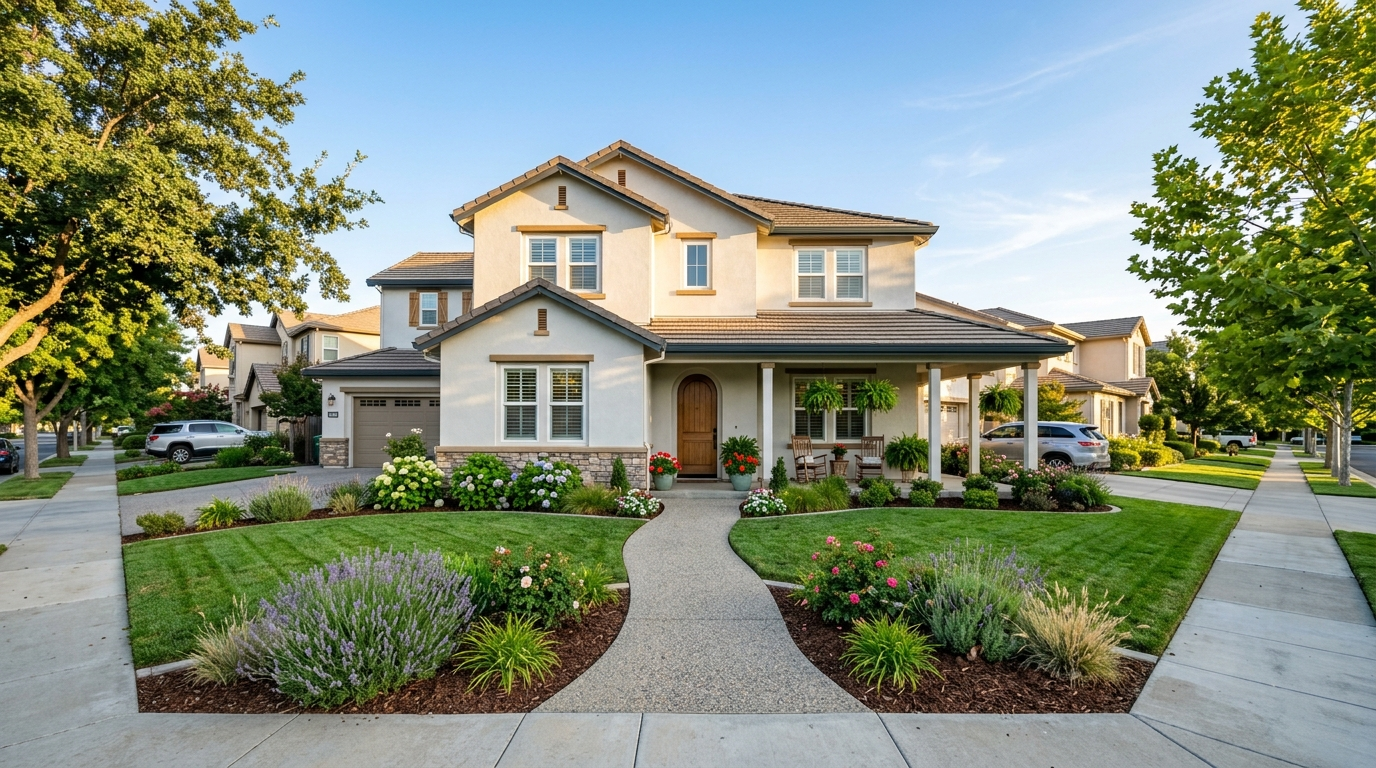
The first 72 hours of online activity tell you whether your Lodi listing has a marketing problem or a price problem, long before days on market will. Lodi REALTOR® Jeremiah Patterson reads launch-week views, saves, shares, and showing requests together, because low views mean nobody found the home, and high views with no showings means the price is wrong.
That distinction is the whole game, and almost nobody makes it. The default advice when a listing is quiet is always the same: cut the price. Sometimes that's correct. Often it's exactly wrong, because a price cut on a listing nobody has seen doesn't create a single new buyer. It just lowers what you collect from whoever eventually finds you.
Your real fear, if we're being direct, is sitting. Watching the days on market number climb while someone tells you the market's just slow, then taking a reduction you can't justify, then another, then selling well under where you started without ever knowing whether the house was priced wrong or simply invisible.
TL;DR: Launch week is the event. A Lodi listing gets its largest surge of attention in the first 72 hours, when it hits every syndication feed as new inventory and lands in front of every buyer with a saved search. That window is diagnostic: view volume tells you whether the marketing reached people, and the ratio of views to saves to showing requests tells you whether the price and presentation held them. Read those together and you fix the actual problem in week one instead of guessing through six weeks of price cuts.
Why Do the First 72 Hours Matter So Much?
Because a listing is only new once, and the entire distribution system is built to reward newness.
When a home goes live it enters the MLS and syndicates to the major portals, triggers new-listing alerts to every buyer with a matching saved search, and shows up in agent hot sheets and the "new" filters serious buyers check daily. All of that happens automatically, all at once, and then it stops. By day four your listing isn't new. It's one of hundreds already sitting in the pool, and visibility now depends on paid reach, deliberate outreach, or a price change that re-triggers a notification.
This is why a listing that goes live half-finished, with a promise to add photos next week, throws away its best asset. Buyers who saw a bad first impression on Tuesday don't come back Friday to check whether it improved. You get one launch. Spend it correctly.
What Are You Actually Measuring in Those Three Days?
Four things, and they only mean something in combination.
Views. How many people opened the listing. A pure reach measurement, telling you whether the marketing put the home in front of humans.
Saves and favorites. How many of those people flagged it to come back to. An interest measurement, telling you whether the photos, the price, and the presentation earned a second look.
Shares and inquiries. Someone forwarding the listing to a spouse or an agent. High-intent signal. People don't forward homes they've dismissed.
Showing requests. The only one that leads to money. Everything upstream exists to produce this.
Each number alone tells you almost nothing. Together they form a funnel, and the place where the funnel breaks tells you what to fix.
How Do You Tell a Marketing Problem From a Price Problem?
Here's the read, and it's simpler than people make it.
Low views, low everything. A marketing problem, full stop. Nobody saw the house. Price cannot possibly be the issue, because price is not something a buyer can react to if they never opened the listing. Cutting price here is like turning down the volume on a radio that isn't plugged in. The fix is reach: better photos, better copy, video, and targeted digital buyer outreach that puts the home in front of the buyers actually hunting in Lodi.
High views, low saves. People found it and rejected it fast. Something in the first three photos or the price line loses them in about two seconds. That's a presentation problem before it's a price problem.
High views, decent saves, no showing requests. Now you have a genuine price signal. People are interested enough to bookmark and not interested enough to spend a Saturday. That gap is usually value: they like the home but not at that number. This is where a price adjustment is the right tool.
Good views, good saves, showings happening, no offers. The problem is at the property or in the showing experience. Condition, smell, deferred maintenance, a floor plan issue, or a neighboring nuisance the photos didn't show.
Only one of those four patterns points at price. Price is one of four failure modes, and the industry treats it as the only one.
Why Does Everyone Reach for a Price Cut Instead?
Because it's easy, it's fast, and it requires nothing from the agent.
Cutting price takes about ninety seconds in the MLS. Building real reach takes a photographer, a videographer, written copy that works, a properly built listing page, and paid distribution to the right audiences. One of those is a phone call to the seller. The other is work. So the default script becomes "the market's speaking, let's adjust." It sounds reasonable, because a price cut usually does produce a sale eventually. It just produces it at a lower number, and nobody finds out what the house would have sold for if it had actually been marketed.
That's what the Master Listing Strategy exists to prevent. Marketing creates demand. Price only harvests demand marketing created. A listing built to reach a broad, targeted audience in its launch window, aiming for something like 10,000+ views in the first 7 days, generates enough data in three days to diagnose accurately. A listing that got a few hundred views generates a guess.
What Should Already Be in Place Before Launch Day?
Everything. The launch isn't the start of the work. It's the end of it.
Professional photography, shot in good light, leading with the exterior and the three strongest interior rooms, because most buyers form an opinion inside the first three images. Professional photography versus phone photos covers what that's worth. Video too, because it holds attention longer than stills and it's what out-of-area buyers rely on, and how video marketing helps a Lodi home sell for more covers the mechanics.
Then listing copy written for a person, not a form. The disclosure package assembled, because a buyer with questions and no answers stalls. Showing access ready from hour one. Paid distribution scheduled to fire on day one, not day nine. And a price set from evidence rather than hope, because launch week is when a stretched price does the most damage. What is my home worth in Lodi is where that starts.
What Does a Healthy Launch Look Like?
Rough shapes, not promises, since every home and price band behaves differently. Views should spike sharply on day one and stay elevated through day three, then taper. A flat line from day one is the warning sign, because it means distribution never actually happened. Saves should be a meaningful fraction of views rather than a rounding error, though ratios vary by portal and price point. And showing requests should start inside the first 48 hours if the home is priced and presented well, because buyers with active saved searches are the fastest movers in the market.
What Should You Actually Do in Week One?
Act on the diagnosis, not the calendar.
If it's a reach problem, fix reach. Expand paid distribution. Re-cut the video. Push directly to buyer agents working that price band. Reconsider the photo order and the lead image, which you can change without touching price.
If it's a presentation problem, reshoot the weak rooms and rewrite the description. Address the thing the photos reveal that you'd stopped noticing.
If it's genuinely price, meaning strong reach, real interest, and no showings, adjust deliberately rather than in small apologetic increments, because a series of tiny reductions teaches the market to wait for the next one. How to price a Lodi home in a slower market covers that properly. And if it's a property problem surfacing at showings, deal with the property, because sometimes the honest answer is a repair rather than a discount. Whether to sell as-is or make repairs first is the right frame for that call.
What you should not do is wait three weeks to look at any of it. By then the launch is spent and your only remaining tool is price.
How It Works: The Step by Step
-
Set the baseline before you go live. Know which portals and channels the listing will hit and where the numbers come from. If nobody can tell you the source, there is no data.
-
Launch fully assembled, early in the week. Photos, video, copy, disclosures, showing access, paid campaigns. All at once, with a full week of runway before a weekend.
-
Check the numbers at 24 hours. Views only. You're confirming distribution actually fired. A weak day one needs fixing immediately, not Friday.
-
Check again at 48 hours and add saves and showing requests. Now you're looking at funnel shape, not just the top of it.
-
Do the full read at 72 hours. Views, saves, shares, showing requests, and agent feedback. Match the pattern to one of the four diagnoses above.
-
Name the constraint out loud. Reach, presentation, price, or property. Vague conclusions produce vague actions.
-
Take one corrective action in week one, aimed at that constraint. Not three at once, or you learn nothing about which one worked.
-
Re-measure across days five through fourteen. Most offers on well-marketed Lodi listings land here, which is why the first fourteen days matter so much.
-
Only then consider price, if the data supports it. Price is the last lever, pulled once with conviction rather than five times with hesitation.
Common Mistakes to Avoid
Going live before the marketing is finished. "We'll add photos next week" burns the largest audience your listing will ever have. There is no second launch.
Reading views alone. Views without saves and showing requests are noise. High views and nothing else can look like success right up until you realize nobody wanted to visit.
Cutting price in week one because it feels quiet. If the view count is low, price is definitively not the problem, because nobody got far enough to have an opinion about it. Fix reach.
Comparing your numbers to a national average. Portal metrics vary by market, price band, and season. The only useful comparison is other listings in Lodi in your own band, right now.
Blaming the market in week one. "Buyers are slow right now" is the most expensive sentence in real estate, because it stops the diagnosis before it starts.
What This Looks Like in Real Life
Scenario one. A Lodi seller launches with a full marketing package and by day three sees a strong view count, a healthy number of saves, and exactly one showing request. That's the price signal, cleanly. People liked the home enough to bookmark it and not enough to visit at that number. Rather than waiting three more weeks, the seller makes one meaningful adjustment in week one while the listing is still fresh, and showing traffic picks up almost immediately. The house sells inside the first month, because the adjustment was made against evidence rather than anxiety.
Scenario two. A different Lodi seller had listed months earlier with eight phone photos, a two-line description, no video, and no paid distribution. Three price reductions later the home hadn't sold, and the standing advice was a fourth cut. When they relaunched with professional photography, video, rewritten copy, and targeted outreach to buyers actively searching the area, the day-one view count came in at a multiple of anything the original listing had produced, and the house went under contract above where the price cuts had already dragged it. Nothing about the house had changed. What changed was how many people saw it.
Frequently Asked Questions
Where do these listing view numbers come from?
Mostly the MLS and the major portals, each of which reports engagement on its own listings, plus whatever your agent's paid campaigns report separately. Ask your agent which sources they pull from and how often. If they can't answer, they aren't measuring, and you're flying without instruments.
Are portal view counts reliable?
Directionally useful, not scientific. Different portals count views differently and none are auditable by you. That's why ratios and trend lines matter more than any single absolute number, and why you compare against listings in your own market and price band rather than anything national.
Should I really change the price in the first week?
Only if the data points there, meaning strong reach and real interest but no showings. If the view count is weak, a price cut treats a symptom that doesn't exist. Reading launch data properly means you make the price decision from evidence, in week one, while the listing still has energy.
What if my home is unusual and doesn't get many views by nature?
That's an argument for more targeted marketing, not less. Distinctive homes have smaller buyer pools, so broad passive exposure works poorly and direct outreach to the right audience works much better. Judge the listing against the size of its realistic buyer pool.
Ready to Launch a Lodi Listing That Actually Gets Seen?
Launch week is the event, and it deserves a plan. Here's where to start.
-
Send me your address and target timeline. I'll put together an honest read on what your home is worth and who the realistic buyer pool is.
-
Let's build the full marketing package before we pick a launch date. Photography, video, listing copy, distribution plan, and disclosures, ready to go live at once.
-
Plan the 72 hour review before we launch. We'll agree on what we're measuring and what each pattern means, so week one is a decision, not a guess.
Start with a free home evaluation, or reach me through the contact page.
Jeremiah Patterson is a REALTOR® and Vice President at Cornerstone Real Estate Group (CA DRE #02017640), with 220+ closed transactions and more than $87 million in San Joaquin County sales since 2016. His listings sell in a median of 13 days, with 55% under contract within 14 days, and he holds a 5.0 rating across 180 verified reviews (RateMyAgent 72, Realtor.com 61, Google 32, Yelp 15). He's a Move-Up Specialist and works with out-of-state, remote, and inherited/estate sellers as well as first-time buyers across Lodi, Stockton, Woodbridge, Acampo, Galt, and San Joaquin County. He was named RateMyAgent County Top 5 for San Joaquin County five consecutive years (2022-2026) and is a Lifetime Member of the Lodi Association of REALTORS® Masters Club. Reach him at (209) 329-7238 or jeremiah@sellingsanjoaquin.com.
For more on launch strategy, read how long it takes to sell a house in Lodi for realistic expectations, and how to sell your house in Lodi, CA for the full process.
Jeremiah Patterson
Cornerstone Real Estate Group
224 W Pine St, Lodi, CA 95240
Phone (209) 329-7238
Email jeremiah@sellingsanjoaquin.com
CA DRE #02017640 · Brokerage DRE #01037761
Practicing since 2016
Categories
Recent Posts








GET MORE INFORMATION