What Are a Stockton Buyer's Options When the Appraisal Is Below the Offer?
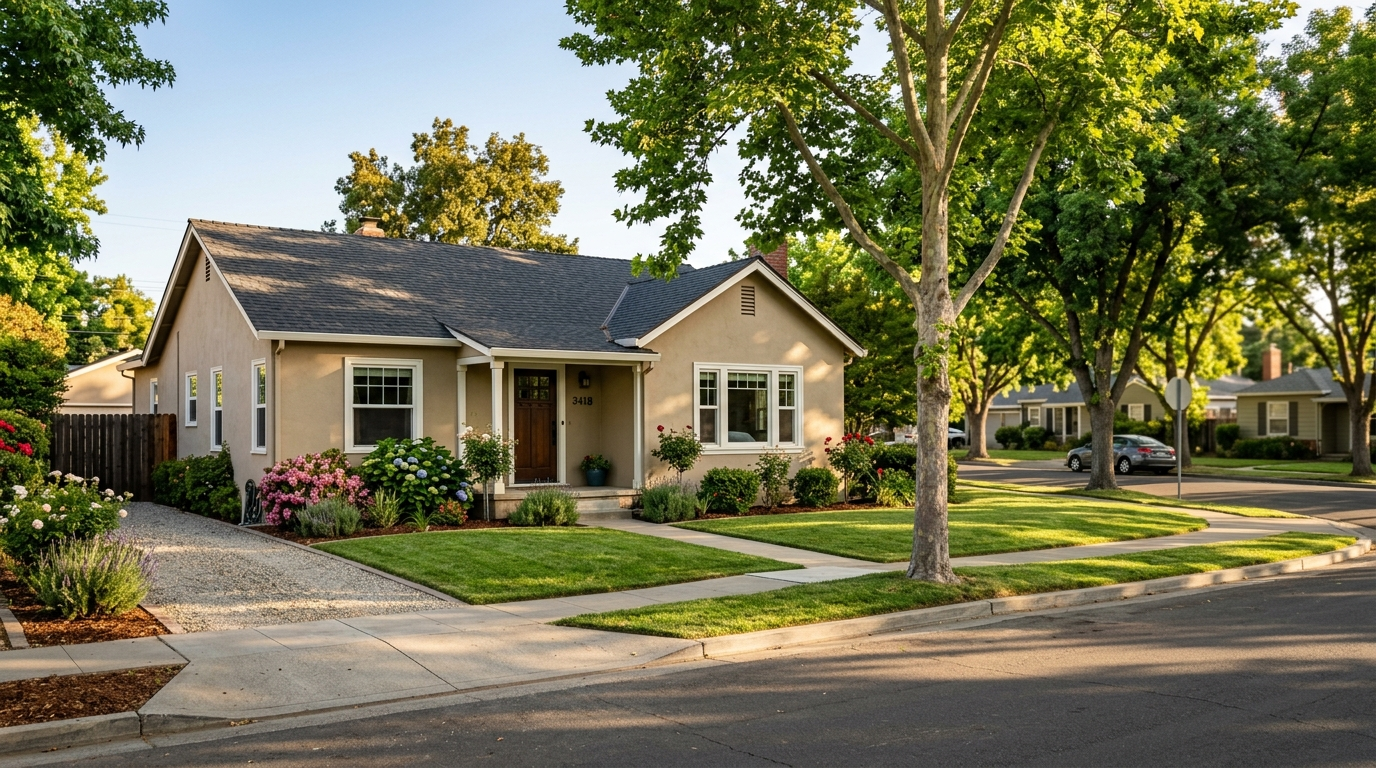
If you're buying a home in Stockton and the appraisal comes in below your offer, Jeremiah Patterson wants you to know you have real options and you're not automatically stuck. You can renegotiate the price, cover the gap in cash, split the difference with the seller, challenge the appraisal with better comps, or walk away if you kept your appraisal contingency. The right move depends on your cash, your contract, and how much you want the home.
TL;DR: A low appraisal in Stockton means your lender will only lend against the lower value, so the options are: ask the seller to lower the price, pay the difference in cash, meet in the middle, dispute the appraisal with stronger comparable sales, or use your appraisal contingency to exit. Knowing your numbers and your contract before you react is what keeps you in control.
If you're a buyer who just got the bad news, you're probably feeling a jolt of panic and doing quick math in your head. Take a breath. A low appraisal is a common bump, not the end of the deal. Let's go through each path so you can choose the one that fits your situation.
What does a low appraisal actually change?
Your lender bases your loan on the appraised value, not on the price you agreed to pay. So if the home appraises below your offer, the lender will lend against the lower number, and the difference has to be resolved somehow before you can close.
That difference, the appraisal gap, is the whole issue. Everything below is a different way to close that gap. Understanding how the number is produced helps you decide whether to accept it or push back; our overview of the appraisal process in local home sales shows how an appraiser builds the value.
Option 1: Ask the seller to lower the price
The cleanest fix is often to bring the price down to the appraised value. Sellers know that if they refuse and you walk, the next buyer's lender is likely to see the same low appraisal. That reality gives you leverage, especially if the home has been sitting or the market has cooled.
Whether this works depends on the seller's motivation and how many other offers they have. In a hot situation, they may hold firm. In a slower stretch, they may prefer to keep your solid, ready-to-close offer rather than start over.
Option 2: Cover the gap in cash
If you kept your appraisal contingency but really want the home, you can pay the difference between the appraised value and the price out of pocket, on top of your down payment. This only makes sense if you have the reserves and still believe the home is worth it to you.
Before you commit, run the real math. Add the gap to your down payment and buyer closing costs, then confirm you're not draining every dollar of your safety cushion. Winning the home and being cash-poor on day one is its own problem.
Option 3: Split the difference
Very often the answer is a negotiation, not an all-or-nothing choice. The seller drops the price part of the way, you cover the rest in cash, and the deal survives. This shared-solution approach keeps both sides moving toward the close and is frequently where low-appraisal situations land.
Your agent's job here is to find the number that works for both of you and to keep the tone collaborative rather than adversarial. A deal that's good for everyone tends to actually close.
Option 4: Challenge the appraisal
Appraisals are professional opinions, and they can miss things. If your agent believes the appraiser used weak or outdated comparable sales, ignored recent upgrades, or overlooked a better comp, you can request a reconsideration of value through your lender with supporting data.
This isn't a guaranteed win, and it takes a well-built case, not just frustration. But when the appraisal genuinely missed strong recent sales, a documented challenge can move the number. It works best when the comps clearly support your price.
Option 5: Use your appraisal contingency to walk away
If you kept your appraisal contingency and none of the above works for you, that clause typically lets you cancel and protect your deposit. Sometimes the smartest move is to walk, especially if covering the gap would stretch you too far or the seller won't budge.
This is exactly why buyers think hard before waiving that contingency in the first place. If you're weighing that decision on a future offer, our guide on understanding contingencies when buying a home explains what each one protects.
Common mistakes to avoid
- Panicking and overpaying. Don't rush to cover a large gap just because you're attached to the home. Run the numbers first.
- Assuming the seller won't negotiate. Many will, because the next buyer will likely face the same appraisal.
- Draining your reserves to close the gap. Keep a safety cushion. A house shouldn't leave you with zero.
- Skipping the challenge when comps support you. If the appraisal used weak comps, a documented reconsideration is worth trying.
- Waiving the appraisal contingency without a cash plan. If you waived it, you may be on the hook for the full gap, so only waive with reserves you can actually spare.
A quick real-world scenario
Picture a Stockton buyer whose appraisal comes in modestly below the offer. They keep calm, and their agent proposes a split: the seller lowers the price partway, the buyer covers a small remainder in cash. Both sides feel it's fair, and the deal closes on time. Nobody got everything they wanted, and that's exactly why it worked.
Now picture a buyer whose agent notices the appraisal leaned on two older, lower sales while ignoring a strong recent comp two streets over. They submit a clean reconsideration of value with the better comps. The value comes up, the gap shrinks, and the buyer closes closer to the original terms. The difference was preparation and good comps, not luck.
Frequently asked questions
Can I get the seller to lower the price after a low appraisal in Stockton? Often yes. Sellers know the next buyer's lender will likely see the same low appraisal, which gives you leverage. Whether they agree depends on their motivation and how many other offers they have.
What happens if I waived my appraisal contingency and the appraisal is low? You generally have to cover the gap between the appraised value and the purchase price in cash, on top of your down payment, or risk losing your deposit. That's why waiving it should only be done with reserves you can spare.
Can a low appraisal be challenged? Yes. If the appraiser used weak or outdated comparable sales or missed upgrades, your agent can request a reconsideration of value through your lender with supporting data. It's not guaranteed, but it can work when the comps support your price.
Is splitting the difference with the seller common? Very. Many low-appraisal situations end with the seller dropping the price partway and the buyer covering the rest in cash, so the deal survives for both sides.
Should I just walk away if the appraisal is low? Sometimes that's the right call, especially if you kept your appraisal contingency and covering the gap would stretch you too far. The contingency typically lets you cancel and protect your deposit.
Categories
Recent Posts








GET MORE INFORMATION