How Does the Williamson Act Affect Selling an Acampo Property?
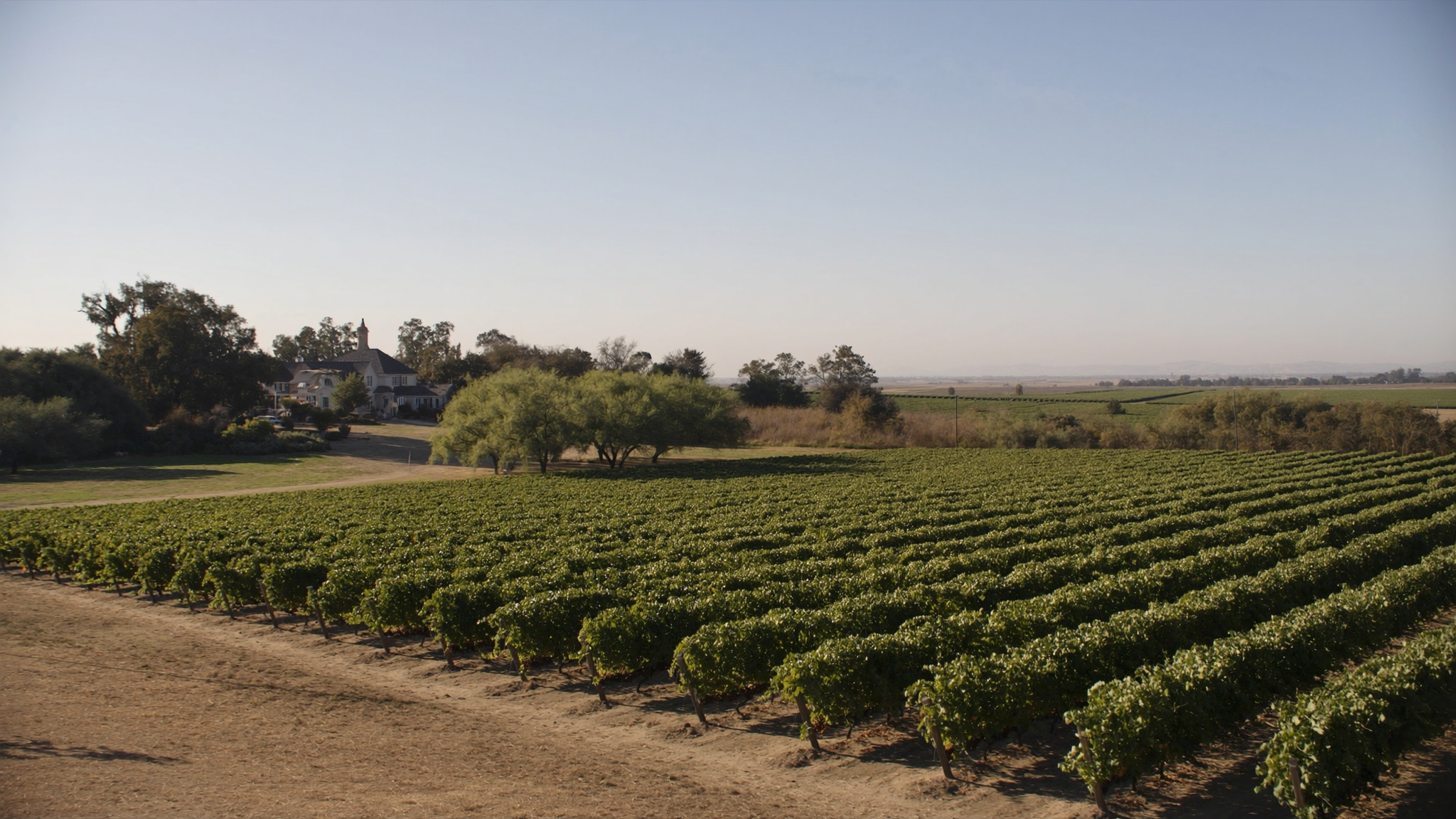
The Williamson Act contract generally runs with the land, not with you, so it usually transfers to your buyer instead of ending at closing. That narrows your buyer pool and changes how the property has to be marketed, which is why Acampo REALTOR® Jeremiah Patterson confirms contract status with San Joaquin County before a listing goes live.
The fear underneath the question is usually simpler than the paperwork. Most owners worry the contract will scare off every buyer, or that they're locked into something they can't undo before they sell. Neither is quite right. What is true is that this is a real land use commitment with real consequences, and it deserves a straight conversation months before anyone talks about price.
TL;DR: The Williamson Act is a California program in which a landowner contracts with the county to keep land in agricultural use in exchange for a reduced property tax assessment. The contract generally runs with the land, so it usually transfers to the buyer rather than ending at your sale. Getting out is a slow, formal process, either non renewal or cancellation, and both carry conditions and financial consequences. Nothing in this article is legal or tax advice, and the specifics for your parcel have to be confirmed with San Joaquin County and your own real estate attorney or CPA. Confirm status early, disclose it plainly, and market to the narrow group of buyers who actually want ag land.
What is the Williamson Act, in plain terms?
The Williamson Act, formally the California Land Conservation Act, is a program that lets a landowner enter into a contract with the county agreeing to keep the land in agricultural or related open space use. In exchange, the property is assessed for tax purposes based on its agricultural use rather than on what it might fetch on the open market. For land in a vineyard region like Acampo, where market value and farming value can be very different numbers, that difference matters to a landowner's annual carrying cost.
The contract is recorded and it's administered locally. San Joaquin County is the party you contracted with, and the county is the only source that can tell you what your specific contract says, when it was recorded, what uses it permits, and what condition your parcel is in right now. Please don't take my word or a neighbor's word for any of that.
I won't quote term lengths, renewal periods, cancellation fee formulas, or tax savings figures here. Those all carry conditions, and getting one wrong in your head can cost you real money. Get them from the county and from a licensed professional looking at your actual contract.
Does the contract end when I sell?
Generally no, and this is the single most misunderstood point.
A Williamson Act contract is an encumbrance on the land itself. It's recorded against the parcel, and it typically continues after title transfers. Your buyer takes the property subject to the contract, inherits the reduced assessment, and inherits the obligation to keep the land in a qualifying use. Selling is not an exit strategy.
That's not automatically bad news. For the right buyer an existing contract is a feature, because it lowers the cost of holding farmland. For the wrong buyer, someone picturing a large custom home with no farming, it can be a deal breaker. Which buyer you attract is a marketing decision, and you make it before the listing goes live.
How do you confirm your parcel's status?
Start with San Joaquin County. The Assessor's records and the county's agricultural preserve program are where the answers live. Your property tax bill and a preliminary title report will also usually reveal a recorded contract, and I'd order both early.
What you want in writing, before you list, is whether the parcel is under contract, what the recorded document says, whether any notice has previously been filed, and whether the parcel sits inside an agricultural preserve. If you inherited the property, assume nothing. Contracts recorded decades ago don't always live in the family filing cabinet.
While you're pulling records, pull zoning too. The two interact, and the zoning and land use basics for Acampo properties covers how county designations shape what a buyer can actually do with your land.
What are your options if you want out?
There are two general paths, and neither is a quick pre listing fix.
Non renewal is a formal notice filed with the county that stops the contract from continuing to renew automatically. It begins a wind down during which the tax assessment gradually steps back toward market value. It's the ordinary, expected way out. It's also slow by design, measured in years rather than months, so it's a decision to make well ahead of a sale rather than during one.
Cancellation is the extraordinary path. It requires the county to make specific findings, it's discretionary, it isn't granted casually, and it carries a fee tied to the property's value. Owners sometimes assume they can simply buy their way out on a timeline that suits escrow. That's not how it works, and I'd want you hearing that from a real estate attorney before you commit to any sale plan that depends on it.
The exact periods, conditions, findings, and fee calculations all have to come from San Joaquin County and from your attorney or CPA. What I can tell you as your agent is the practical part: if exiting the contract is part of your plan, that conversation starts long before we discuss listing dates.
How does it affect price, financing, and the buyer pool?
It cuts both ways, and honest sellers do better when they see both edges.
On the plus side, a reduced assessment lowers the annual cost of owning farmland, and to a working grower or an investor buying acreage that's a genuine, quantifiable benefit that supports value. On the other side, the use restriction shrinks the pool. Buyers who want to build freely, split the land, or convert it to something non agricultural will either walk or need county approvals they may not get.
Financing narrows too. Agricultural and rural land often doesn't fit conventional residential loan products, and an encumbered ag parcel narrows it further. Expect cash buyers, ag lenders, and Farm Credit style institutions to make up much of your realistic pool. How financing works for rural or agricultural property in Acampo walks through what those buyers are actually working with, and it's worth reading before you set expectations on price or timeline.
How should a Williamson Act property be marketed?
This is where I get insistent, because it's the part sellers most often get wrong.
Price alone does not create demand on a restricted ag parcel. Cutting the number doesn't manufacture a vineyard buyer out of thin air. There is a small, specific, findable group of people who want this kind of land, and the job is to reach them deliberately. Generic MLS syndication will put your listing in front of thousands of people who will never buy an encumbered ag parcel, and roughly none of the growers who would.
That's what the Master Listing Strategy is for. On a property like yours it means presenting the ag economics as a selling point rather than burying the contract in the remarks, producing photography and aerial work that shows the acreage, the plantings, the water, and the access rather than just a house, and running targeted outreach to neighboring growers, vineyard managers, ag brokers, exchange buyers, and the lenders who finance them. Neighboring landowners in particular are often your best buyer, because they already farm the ground next door and the contract costs them nothing they weren't already living with.
Your parcel also has a story, and Acampo's is a good one. Wine country and vineyard living in Acampo is the kind of context that makes land legible to a buyer who isn't local.
What do you have to disclose?
Disclose the contract. Plainly, early, in writing, with documents attached.
A recorded Williamson Act contract is material to any buyer's decision, it will surface in title anyway, and a buyer who discovers it late feels misled even when nothing was hidden on purpose. Provide the recorded document, the tax information, and anything the county gives you, and let the buyer's own professionals evaluate it.
The same standard applies to everything else that comes with rural ground. What you should disclose when selling rural property in Acampo is the fuller checklist, and it's worth reading alongside this one.
Step by step: preparing a Williamson Act parcel for sale
- Confirm the contract with San Joaquin County. Written confirmation of status, recorded document, preserve boundaries, and any prior filings. Start here, not with a price opinion.
- Pull a preliminary title report early. It shows what's recorded against the parcel, including items nobody in the family remembers.
- Talk to a real estate attorney and a CPA. They tell you what the contract means for you specifically and what a sale or an exit would do to your tax picture. Do this before you decide anything.
- Decide whether you're selling into the contract or trying to exit. These are completely different timelines. Selling into it can begin now. Exiting takes years.
- Gather the ag file. Crop history, yields, lease or custom farming agreements, water records, well information, irrigation infrastructure, equipment included or excluded.
- Assemble the property package. Parcel maps, aerials, zoning, easements, access, utility locations.
- Build the marketing plan around the actual buyer. Ag lenders, growers, neighbors, exchange buyers. Then set price with a realistic view of that pool.
- Prepare the disclosure package before you go live. Not during escrow.
Common Mistakes to Avoid
Assuming the contract disappears at closing. It generally doesn't. Sellers who market on that assumption end up renegotiating or losing the buyer.
Waiting until escrow to look it up. Discovering a recorded contract while a buyer's inspection clock is running turns a routine disclosure into a crisis of confidence. Look it up before you list.
Quoting numbers you got secondhand. Term lengths, wind down periods, fee percentages, and tax savings all carry conditions. Repeating a neighbor's version to a buyer is how misrepresentation claims start. Send them to the county.
Treating the contract as purely a negative. To a working grower, a reduced ag assessment is money. Presented right, it supports your position rather than undermining it.
Pricing it like a residential home on acreage. Restricted ag land trades on its own logic with its own buyers, and comparable sales have to be genuinely comparable.
Trying to exit on an escrow timeline. Non renewal and cancellation are formal county processes. Neither is fast, and neither should be promised to a buyer.
What This Looks Like in Real Life
An owner with forty acres of wine grapes north of Acampo decides to retire after decades farming the ground. She assumes she has to get out of the contract to sell and starts asking the county about cancellation. Once she understands the contract typically transfers, the plan flips entirely. The property gets marketed to growers and ag investors as a producing vineyard with a favorable carrying cost, the crop and water records go into the package up front, and the recorded contract is disclosed on day one instead of surfacing in title later. The buyer pool is small, but every person in it is a real candidate.
A second case: a family inherits a ranch parcel and wants a clean, fast sale. Title turns up a recorded contract nobody knew about. Because escrow hadn't opened, there was time to get county confirmation and sit down with an attorney and a CPA rather than decide under deadline pressure. That's the whole argument for looking early. If your property came through an estate, selling an inherited home or ranch in Acampo covers the rest of that ground.
Frequently Asked Questions
Does a Williamson Act contract transfer to my buyer?
Generally yes. The contract runs with the land and is recorded against the parcel, so it usually continues after title transfers rather than ending at your sale. Confirm the status and specifics of your own contract with San Joaquin County.
Can I cancel the contract so my property sells faster?
Cancellation is a formal, discretionary county process requiring specific findings and a fee, and it isn't designed to accommodate an escrow timeline. Non renewal is the ordinary path out and it unfolds over years. Talk to a real estate attorney before building any sale plan around either one.
Will the contract hurt my sale price?
It depends entirely on the buyer. It reduces demand from people who want unrestricted development and increases appeal for people who want to farm. A grower may value the reduced carrying cost. The right marketing puts the property in front of that second group.
How do I find out if my Acampo parcel is under contract?
Check with San Joaquin County, including the Assessor and the county's agricultural preserve program, and order a preliminary title report. Your tax bill can also be a clue. Get it in writing rather than relying on family memory.
Do I have to disclose the contract to buyers?
Yes, and early. It's material, it'll appear in title anyway, and late discovery damages trust and deals. Provide the recorded document and let the buyer's own advisors evaluate it.
Can a buyer get a normal home loan on a parcel under contract?
Often not. Agricultural land frequently falls outside conventional residential loan programs, and a recorded use restriction narrows options further. Cash and agricultural lenders are common. Plan your pricing and timeline around that reality.
Ready to sell an Acampo property under a Williamson Act contract?
The contract isn't the problem. Finding out about it late, or misdescribing it to a buyer, is the problem. Three steps:
- Request written confirmation of your parcel's contract status from San Joaquin County, and put the recorded document, zoning, and parcel maps into one file.
- Get your value picture straight with a free home evaluation that accounts for the restriction rather than pretending it isn't there.
- Build the marketing around the buyers who actually purchase ag land. Get in touch and we'll map the Master Listing Strategy for your acreage before anything goes live.
Jeremiah Patterson is a REALTOR® and Vice President at Cornerstone Real Estate Group (CA DRE #02017640), with 220+ closed transactions and more than $87 million in San Joaquin County sales since 2016. His listings sell in a median of 13 days, with 55% under contract within 14 days, and he holds a 5.0 rating across 180 verified reviews (RateMyAgent 72, Realtor.com 61, Google 32, Yelp 15). He's a Move-Up Specialist and works with out-of-state, remote, and inherited/estate sellers as well as first-time buyers across Lodi, Stockton, Woodbridge, Acampo, Galt, and San Joaquin County. He was named RateMyAgent County Top 5 for San Joaquin County five consecutive years (2022-2026) and is a Lifetime Member of the Lodi Association of REALTORS® Masters Club. Reach him at (209) 329-7238 or jeremiah@sellingsanjoaquin.com.
If you're preparing acreage for market, start with the zoning and land use basics for Acampo properties and what you should disclose when selling rural property in Acampo. If your parcel has its own water and waste systems, selling an Acampo property with a well and septic system is the next piece of the file, and how financing works for rural or agricultural property in Acampo explains what your buyer is up against.
Jeremiah Patterson Cornerstone Real Estate Group 224 W Pine St, Lodi, CA 95240 Phone (209) 329-7238 Email jeremiah@sellingsanjoaquin.com CA DRE #02017640 · Brokerage DRE #01037761 Practicing since 2016
Categories
Recent Posts

GET MORE INFORMATION