How Do You Sell a Lodi Home With Solar Panels?
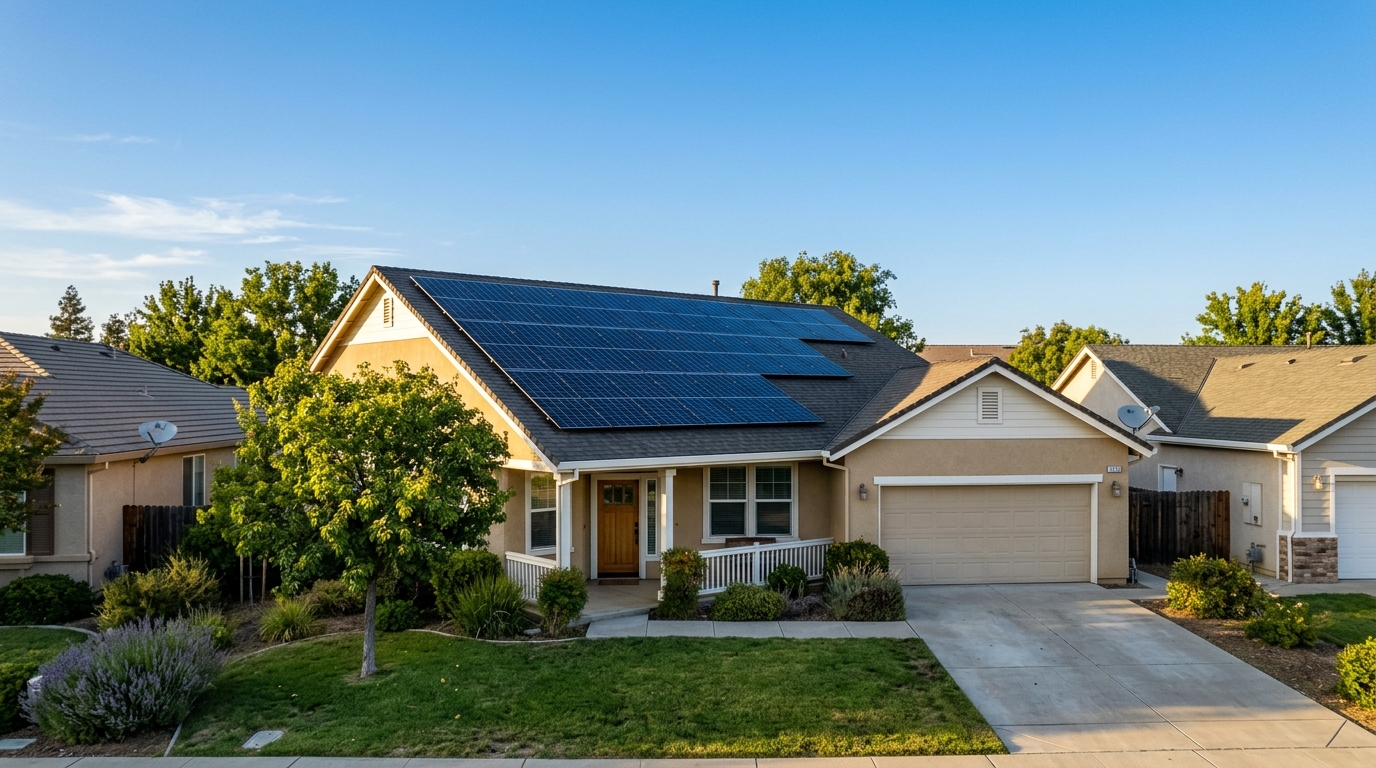
Selling a Lodi home with solar panels generally comes down to one key question early on, whether the system is owned outright, still financed, or leased, since that answer determines what paperwork you'll need and how the panels factor into your sale price. REALTOR® Jeremiah Patterson helps solar-equipped sellers sort this out before listing so it doesn't slow down a buyer's financing.
TL;DR: Owned solar panels can be a genuine selling point and are typically included in the sale like any fixture. Financed systems need the loan addressed, paid off, transferred, or assumed by the buyer, before or at closing. Leased systems require the buyer to qualify for and take over the lease, which adds a step to the transaction. Know which situation applies to you before you list.
Owned, Financed, or Leased: Why Does It Matter So Much?
This distinction shapes almost everything about how solar affects your sale. Owned systems are generally straightforward, they convey with the home like a fixture, similar to central air or a water heater. Financed systems (paid for through a solar loan) come with a lien or loan balance that needs to be resolved, either paid off from your proceeds or, in some cases, transferred to the buyer. Leased systems (where you pay a monthly lease rather than owning the equipment) require the buyer to qualify for and assume that lease, which involves the solar company's approval process and can affect the buyer's financing and their lender's comfort with the transaction.
If you're not entirely sure which category applies to your system, your original solar contract or a recent statement from the solar company should clarify it. Sellers who installed their system years ago sometimes genuinely aren't sure whether they're still paying off a loan or have already paid it in full, which is exactly why confirming this early, rather than assuming, matters so much.
How Does Selling With Owned Solar Panels Work?
If you own your system outright, it's typically treated as a fixture, meaning it conveys with the home just like any other permanently attached improvement. This can be a genuine value-add for buyers thinking about long-term utility costs, though the exact impact on your sale price varies by buyer and market conditions. Be ready to provide system documentation, installation date, warranty information, and production history, since informed buyers often ask for it.
How Does Selling With a Financed Solar Loan Work?
If you're still paying off a solar loan, you have a few general paths: pay off the remaining balance from your sale proceeds at closing (similar to a mortgage payoff), or in some cases, have the buyer assume the loan, if the lender allows it and the buyer qualifies. Either way, you'll need a current payoff or transfer amount from your solar lender early in the process, since it affects your net proceeds and the closing paperwork.
How Does Selling With a Leased Solar System Work?
Leased systems typically require the buyer to apply for and be approved to take over the lease directly with the solar company, a separate process from their mortgage approval. This can add time to your closing timeline, so start it early. Some sellers choose to buy out the lease before selling to simplify the transaction, though that requires upfront cash. Confirm your specific lease terms and transfer process with your solar company.
How Does Solar Affect Marketing and Buyer Perception?
Solar can be a genuine selling point, but how it's presented matters. For owned systems, quantifying the benefit, actual utility bill savings, production history, remaining warranty, gives buyers something concrete rather than a vague claim about "lower energy costs." For leased or financed systems, being upfront about the monthly obligation and transfer process from the very first showing, rather than only in the fine print, tends to build buyer trust and avoid a late-stage surprise that can complicate negotiations. Buyers who are simply unfamiliar with how solar transfers sometimes need a bit of extra explanation, which your agent can help provide during showings.
How Does the Process Work, Step by Step?
- Determine your system's status. Confirm whether your solar panels are owned outright, financed, or leased, and gather the relevant paperwork for each.
- Contact your solar lender or leasing company early. Request a payoff amount (if financed) or transfer/assumption requirements (if leased) well before you plan to close.
- Gather system documentation. Installation date, warranty details, production history, and any transferable warranties help buyers, and their lenders, feel confident.
- Get a home evaluation that accounts for your solar situation. Whether the system is owned, financed, or leased affects how it factors into your listing price and marketing.
- Disclose the system's status clearly in your listing and disclosures. Buyers and their lenders need this information early, not as a surprise during underwriting.
- Coordinate any required transfer or payoff at closing. Your escrow officer, agent, and solar company (if leased) work together to make sure the system's status is resolved as part of closing.
What Should You Ask Your Solar Company Before You List?
A short call to your solar company before listing can prevent delays later. Worth asking directly: what is my system's current status (owned, financed, or leased), what is the exact payoff or lease-transfer process and how long does it typically take, are there any fees associated with a transfer or early payoff, what documentation will you provide to support a sale (production history, warranty details, system specifications), and is the system's remaining warranty transferable to a new owner. If your system is leased, also ask what the buyer's approval process actually involves, since lenders and title companies sometimes need specific information from the solar company directly. Getting clear, written answers to these questions early means you and your agent can set accurate expectations with buyers from the very first showing, rather than discovering complications once you're already under contract.
Common Mistakes to Avoid
Not knowing your own system's status. Some sellers aren't sure whether their panels are owned, financed, or leased. Confirm this early, it changes your entire approach.
Waiting until under contract to contact the solar company. Lease transfers and loan payoffs can take time to process. Start these conversations before you list, or at least immediately after accepting an offer.
Assuming solar panels automatically increase your sale price. The value impact varies by buyer, market, and system type. Don't price in an assumed premium without local data to support it.
Not disclosing lease or loan obligations clearly. Buyers and their lenders need to understand what they're taking on. Ambiguity here can delay or derail financing approval.
Ignoring the buyer's lender requirements around leased systems. Some lenders have specific requirements or restrictions around financed homes with leased solar. Loop in your agent and the buyer's lender early if this applies.
What This Looks Like in Real Life
One common situation is a seller with an owned solar system who highlights lower utility costs and provides production history as part of their listing marketing, appealing to buyers focused on long-term costs. Another common scenario is a seller with a leased system who starts the lease transfer process with the solar company as soon as they accept an offer, giving the buyer enough runway to get approved before the closing date arrives. A third common situation involves a seller who isn't sure of their system's status until they dig up the original paperwork, discovers it's financed rather than owned outright, and requests a payoff figure early enough that it doesn't disrupt their closing timeline.
Frequently Asked Questions
Do solar panels increase my Lodi home's sale price?
It depends on the buyer, the system type, and current market conditions. Owned systems are generally viewed more favorably than leased ones, since there's no ongoing obligation for the buyer to take on. A local market evaluation can give you a realistic sense of the impact for your specific home.
What happens to my solar lease when I sell my home?
The buyer generally needs to apply for and be approved to take over the lease directly with the solar company, a separate process from their mortgage approval. This can add time to closing, so start it as soon as you accept an offer.
Can I pay off my solar loan before I sell?
Yes, and some sellers choose to do this to simplify the sale, either using their own funds or by having the balance paid from sale proceeds at closing, similar to a mortgage payoff. Confirm your loan's payoff process with your solar lender.
Will a leased solar system make my home harder to sell?
Not necessarily, but it does add a step, buyer approval for the lease transfer, that owned systems don't require. Being upfront about the lease terms and starting the transfer process early helps keep things on track.
What documentation should I provide buyers about my solar panels?
Generally installation date, ownership or lease/loan status, warranty information, and production history if available. This helps buyers and their lenders evaluate the system with confidence.
How do I find out if my solar panels are owned, financed, or leased?
Check your original solar contract or a recent account statement from the solar company, which should clearly indicate your system's status. If you're still unsure, contacting the solar company directly can confirm it before you list.
Ready to Sell Your Lodi Home With Solar Panels?
Concrete first steps: confirm whether your system is owned, financed, or leased and gather the paperwork, contact your solar company or lender for a current payoff or transfer requirement, and get a free home evaluation that accounts for your specific solar situation.
Jeremiah Patterson is a REALTOR® and Vice President at Cornerstone Real Estate Group (CA DRE #02017640), with 220+ closed transactions and more than $87 million in San Joaquin County sales since 2016. His listings sell in a median of 13 days, with 55% under contract within 14 days, and he holds a 5.0 rating across 180 verified reviews (RateMyAgent 72, Realtor.com 61, Google 32, Yelp 15). He's a Move-Up Specialist and works with out-of-state, remote, and inherited/estate sellers as well as first-time buyers across Lodi, Stockton, Woodbridge, Acampo, and San Joaquin County. He was named RateMyAgent County Top 5 for San Joaquin County five consecutive years (2022, 2026) and is a Lifetime Member of the Lodi Association of REALTORS® Masters Club. Reach him at (209) 329-7238 or jeremiah@sellingsanjoaquin.com.
Explore the Lodi real estate hub, review what to fix before selling in Lodi, and see the full cost to sell a house in Lodi. When you're ready, reach out to talk through your solar system's specifics.
Jeremiah Patterson Cornerstone Real Estate Group 224 W Pine St, Lodi, CA 95240 Phone (209) 329-7238 Email jeremiah@sellingsanjoaquin.com CA DRE #02017640 · Brokerage DRE #01037761 Practicing since 2016
Categories
Recent Posts






GET MORE INFORMATION