How Do You Handle Two Offers Arriving at Once on a Stockton Home?
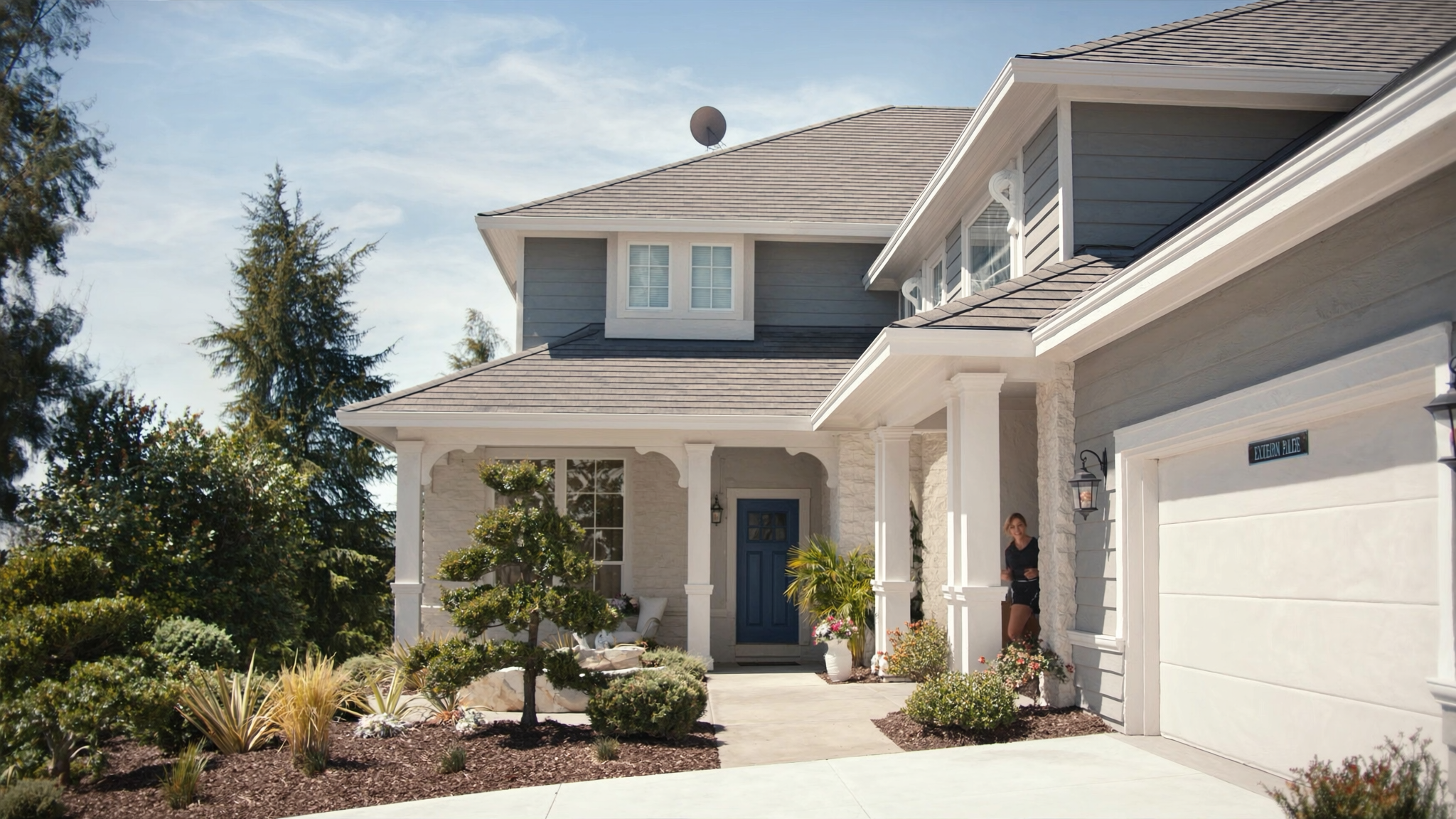
When two offers land at once on your Stockton home, don't pick one and move on. Slow down, acknowledge both in writing, compare them on terms rather than price, then counter one, counter both, or call for highest and best. Stockton REALTOR® Jeremiah Patterson treats this moment as where a good sale becomes a great one.
What you're actually worried about is picking wrong. Taking the higher number and watching it fall apart in escrow, or scaring off the solid buyer by pushing too hard. Here's how to think it through.
TL;DR: Don't respond to either offer in the moment. Set a deadline, tell both agents in writing that multiple offers are in hand, and evaluate on the full package: financing strength, contingencies, deposit size, close timeline, and any seller-friendly terms. The highest price is often not the strongest offer. And remember why you're in this position at all: two offers at once is what happens when marketing created a pool of buyers instead of finding one.
Why do two offers show up at once?
This isn't luck, and it isn't purely a hot market. It's timing and exposure.
Offers cluster when a lot of buyers see a home in the same short window. That's what a real launch does. When a listing goes live with professional photos, a video that actually shows how the home lives, and paid campaigns pushing it to thousands of specific buyers in the first week, you compress attention. Everyone sees it at once, everyone tours it that same weekend, and offers arrive within a day or two of each other.
When a listing goes out passively and just sits on the MLS, buyers trickle in over weeks. One tours Tuesday, another the following Saturday. They never overlap, they never feel competition, and you never get two offers on the same day. You get one offer, eventually, from someone who knows they're the only one.
That's the whole argument for building demand instead of waiting for it. The Master Listing Strategy is designed around this exact outcome, because competition is the single most reliable way to protect your price. If you want the mechanics, read targeted digital buyer outreach for Stockton sellers.
The first rule: don't answer either one yet
The instinct when an offer arrives is to react. Resist it.
Once you respond to one offer, you've changed your position. If you counter offer A, you may have technically taken it off the table depending on how it's structured, and you've spent leverage you didn't need to spend. If you accept, you're done, even if a better offer was thirty minutes behind.
Instead, take a few hours. Have your agent confirm receipt of both in writing, let both agents know that multiple offers are in hand, and set a clear deadline for any revisions. This is standard practice and it's fair to everyone. It's also how you find out which buyer actually wants the house.
Whatever you do, apply the same process to both buyers. Fair housing law is not optional and it is not a formality. Evaluate offers on the terms of the offer, never on anything about the buyer personally. If a buyer letter arrives, talk to your agent about whether to read it at all, because those letters can create real risk. Confirm your obligations with your agent and, if anything is unclear, a real estate attorney.
What to compare, in order
Price is one line on a multi-page contract. Here's what actually determines whether a deal closes.
Financing strength
The single biggest predictor. Is the buyer cash, conventional, or using a government-backed loan? Has the loan been through actual underwriting, or is this a pre-approval letter generated from a phone call? Ask your agent to speak with each lender directly. A conventional buyer who's been fully underwritten is often stronger than a slightly higher offer resting on a thin letter. For context on how financing conditions shape the buyer pool right now, see how interest rates shape the Stockton buyer pool.
Contingencies
Which ones are in, and for how long? Inspection, appraisal, and loan contingencies each represent a door the buyer can walk back through. Shorter periods mean less time in limbo. Waived contingencies mean more certainty, but they also mean a buyer under more pressure, which can create its own friction later.
Deposit size
A larger earnest money deposit generally signals a more committed buyer, because they have more at risk. Deposits generally land in the low single digits as a percentage of price, though it varies widely by deal. How earnest money deposits work in San Joaquin County covers what's typical and what it means.
Appraisal exposure
If a buyer is financing and offers well above what comparables support, the appraisal becomes the risk. Ask whether the offer includes any appraisal gap coverage and how much. A high number with no gap protection can quietly become a renegotiation later.
Close timeline and possession
Does the timeline match what you need? If you're buying next, a buyer who can flex on the close date or give you a rent-back may be worth more to you than a few thousand dollars in price. Put a real value on that.
Everything else
Requested credits, repair requests already built in, personal property, who pays what. These add up. Have your agent net each offer out side by side so you're comparing what actually lands in your pocket, not just headline numbers.
Your options, step by step
- Confirm both offers in writing. Get everything documented and make sure nothing is expiring while you think.
- Notify both agents that multiple offers exist. Same message, same information, same deadline for both.
- Verify the financing on both. Direct lender conversations, not just letters. This is where most surprises live.
- Build a side by side comparison. Net proceeds, contingency timelines, deposit, close date, appraisal exposure. Seeing them next to each other changes what looks best.
- Choose your play. Accept the strongest offer outright. Counter one on specific terms. Counter both. Or call for highest and best by a set deadline.
- Consider a backup offer. If one buyer clearly loses, ask whether they'd sign as backup. This costs you nothing and protects you if the first deal breaks.
- Get everything in writing before you celebrate. Verbal agreement is not agreement. Signed and delivered is agreement.
About calling for highest and best
This works when you have genuine competition and both buyers know it. It can backfire when only one buyer is truly motivated, because the weaker buyer may just walk and the stronger one now knows there was less pressure than advertised. Your agent should read the temperature honestly before you push. Two solid offers usually supports a highest and best call. One solid offer and one weak one usually doesn't.
Common Mistakes to Avoid
Taking the highest number automatically. The highest offer is the strongest offer maybe half the time. Financing and contingencies decide whether you actually close.
Responding to the first offer before the second one is fully reviewed. A few hours of patience is worth more than a fast answer, and moving too quickly can cost you the leverage you just earned.
Countering both without thinking through what happens if both accept. If both buyers sign your counters, you may have created a real problem. Talk with your agent about how to structure counters so this doesn't happen.
Treating buyers differently based on anything personal. Fair housing law applies here without exception. Compare contract terms and nothing else. When in doubt, ask your agent and confirm with an attorney.
Ignoring the appraisal risk on a high offer. A number that can't appraise isn't a number. It's a future negotiation you haven't had yet.
Squeezing too hard. Buyers are people. Push a good buyer past the point of feeling respected and they'll go buy the house down the street, and you'll be back to one offer or none.
Forgetting to ask for a backup. The losing buyer today may be your entire plan B in three weeks. Ask.
What This Looks Like in Real Life
Two offers arrive within a few hours of each other on the same weekend the home launched. One is a few thousand dollars higher with a pre-approval letter the lender can't say much about, standard contingency periods, and a modest deposit. The other is slightly lower but fully underwritten, with shortened inspection and loan periods, a larger deposit, and flexibility on the close date so the seller can line up their next purchase. Once both are netted out and the lender calls are made, the lower offer is clearly the better deal. The seller counters that buyer on a couple of small terms, accepts, and asks the other buyer to sign as backup.
A different version: both offers are financed, both are solid, and both buyers clearly want the home. The agent calls for highest and best with a firm deadline, discloses the same information to both sides, and both come back improved. One adds partial appraisal gap coverage and shortens their contingency timeline. That's the one that gets accepted, and the improvement came from competition that only existed because both buyers saw the home in the same week.
These are illustrations, not predictions. Your market week, your home, and your buyers will be their own thing.
Frequently Asked Questions
Do I have to tell both buyers there are multiple offers?
Practice varies and your agent will advise on the specifics, but disclosing that multiple offers exist is common and is generally how you invite improved terms. The important part is that whatever you disclose, you disclose the same way to everyone.
Can I accept one offer and keep the other as a backup?
Yes. A backup offer in writing puts a second buyer in line if the first deal falls apart, and it costs you nothing. Ask your agent to structure it properly.
Is a cash offer always better?
Cash removes lender risk, which is significant. But cash offers frequently come in lower and cash buyers still carry contingencies. Verify proof of funds and compare the full package rather than reacting to the word.
What if one offer is above asking but the buyer is financing?
Ask about appraisal gap coverage. If the appraisal comes in under contract price and there's no coverage, you're likely heading into a renegotiation. A slightly lower offer with less appraisal exposure can be worth more.
Should I read a letter from a buyer about why they love my home?
Talk to your agent first. These letters can introduce fair housing risk because they often reveal personal characteristics you're not permitted to consider. Many agents advise against reading them at all.
How long should I give buyers to respond to a highest and best call?
Short enough to keep urgency, long enough for a buyer to reach their lender and their agent. Your agent will set the window based on how the day is going. It's usually measured in hours, not days.
What if I get two offers and both are below what I need?
Then you have real market feedback, and it's worth looking at both the number and how the home has been marketed. How to price a Stockton home in a slower market walks through how to read that honestly. It also helps to understand the other side of the table, which how Stockton buyers win multiple offers without overpaying lays out.
Ready to put your Stockton home in a position to get multiple offers?
Competition doesn't just happen. It gets built. Three first steps:
- Ask what the launch plan actually is, specifically what happens in the first seven days. That week is where multiple offers come from.
- Get a clear read on your home's value and positioning before you list. Start with a free home evaluation.
- Make sure there's a plan for evaluating offers on terms, not just price, before the offers arrive. Reach out and we'll build it out.
Jeremiah Patterson is a REALTOR® and Vice President at Cornerstone Real Estate Group (CA DRE #02017640), with 220+ closed transactions and more than $87 million in San Joaquin County sales since 2016. His listings sell in a median of 13 days, with 55% under contract within 14 days, and he holds a 5.0 rating across 180 verified reviews (RateMyAgent 72, Realtor.com 61, Google 32, Yelp 15). He's a Move-Up Specialist and works with out-of-state, remote, and inherited/estate sellers as well as first-time buyers across Lodi, Stockton, Woodbridge, Acampo, Galt, and San Joaquin County. He was named RateMyAgent County Top 5 for San Joaquin County five consecutive years (2022-2026) and is a Lifetime Member of the Lodi Association of REALTORS® Masters Club. Reach him at (209) 329-7238 or jeremiah@sellingsanjoaquin.com.
To go deeper on the offer stage, read how earnest money deposits work in San Joaquin County and how Stockton buyers win multiple offers without overpaying, which shows you exactly how the other side is thinking. Then look at targeted digital buyer outreach for Stockton sellers to understand how competition gets created in the first place, and how long it really takes to close on a Stockton home sale for what comes next.
Jeremiah Patterson Cornerstone Real Estate Group 224 W Pine St, Lodi, CA 95240 Phone (209) 329-7238 Email jeremiah@sellingsanjoaquin.com CA DRE #02017640 · Brokerage DRE #01037761 Practicing since 2016
Categories
Recent Posts








GET MORE INFORMATION