Who Pays for Termite Repairs When You Sell a Stockton Home?
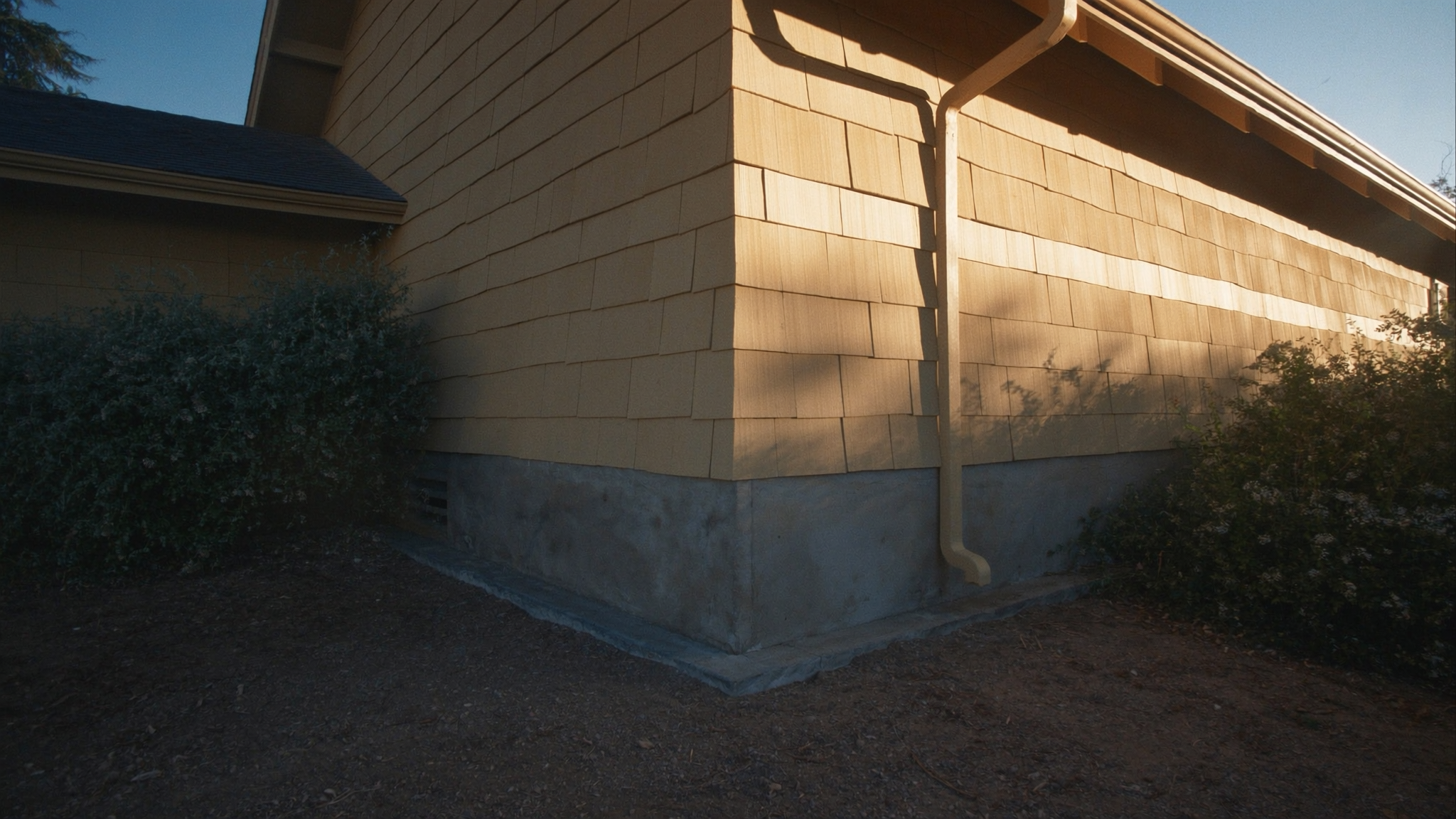
When a termite report comes back during escrow, nobody automatically owes anything. In California, who pays for termite repairs is negotiable, not fixed by law. Stockton REALTOR® Jeremiah Patterson treats it as part of the contract conversation, using the inspection report, the buyer's loan type, and your leverage in the deal to decide what gets done and who covers it.
The fear underneath the question is almost always the number. You picture a report full of findings, a contractor with an open checkbook, and a buyer who expects you to fund a full restoration. That is not usually how it goes, but the outcome depends heavily on how early you saw the report.
Here is how termite work actually gets handled on a Stockton sale.
TL;DR: California does not require sellers to pay for termite repairs. It is a negotiated term. Sellers commonly handle active infestation and rot while buyers take on preventive items, but that split is a habit, not a rule. Get the property inspected before you list so you read the findings on your schedule instead of the buyer's, cap any repair you agree to in writing, and treat the termite report as one line in a larger negotiation rather than a bill you were handed.
Does California law require the seller to pay for termite repairs?
No. There is no statute that assigns termite repair costs to the seller in a standard resale.
What people are remembering is an older era when lenders and local custom made a clear termite report a near automatic condition of closing. That custom softened considerably. Today the California Residential Purchase Agreement leaves wood destroying pest inspection and repair as items the parties fill in and negotiate, and plenty of transactions close without the seller paying for any of it.
Still, "not required" is not the same as "not going to happen." Buyers ask. Lenders sometimes ask. The right frame is not "do I have to" but "what does this cost me, what does it buy me, and what happens if I say no."
What is the difference between a Section 1 and a Section 2 finding?
This is the vocabulary that runs the whole negotiation.
A licensed wood destroying pest inspector generally sorts findings into two buckets. Section 1 items are active problems: live infestation, existing fungus or dry rot, current damage. Section 2 items are conditions that could lead to a problem later: earth to wood contact, a leaking hose bib near a wall, poor crawlspace ventilation, wood debris under the house.
The customary split in California deals is that the seller handles Section 1 and the buyer handles Section 2, because one is a current problem and the other is future maintenance. Plenty of transactions land there, but nothing forces it. On a home with strong demand you may do less. On a home that has been sitting, you may do more.
Worth knowing: the inspector who writes the report is often the same company that bids the repair. That is normal, and it is also a good reason to get a second bid before you agree to a dollar figure.
Who usually ends up paying in San Joaquin County?
Three patterns show up over and over.
The seller completes Section 1 work and provides a clearance. Common when the buyer's financing or the buyer's nerves want a clean report. A licensed operator does the work during escrow and a completion notice goes into the file.
The seller gives a credit instead of doing the work. Faster and cleaner. The buyer takes a closing cost credit and handles the work after close with their own contractor. Sellers often prefer this because it caps the exposure at a known number.
Nobody pays and the price stays where it is. More common than people expect, particularly when the home was priced correctly, marketed to a deep buyer pool, and the buyer knows someone is behind them.
Which one you land in has less to do with the report than with the position you built before escrow started.
Does the buyer's loan type change the answer?
Sometimes, yes, and it is worth asking early.
Conventional loans generally do not require a termite clearance as a matter of course. Government backed loans can be different. FHA and VA appraisals include property condition standards, and an appraiser who notes visible evidence of active infestation or structural damage can trigger a requirement that it be handled before the loan funds. VA rules around who may pay for pest inspection and repair have changed over the years, so do not rely on what was true a few years ago.
Ask the buyer's lender directly, in writing, what their file requires. The answer shapes whether a credit is even an option, because a credit does not satisfy a lender who needs the work completed before funding. That conversation belongs in the first week of escrow, not the last. Termite work needs a licensed operator, a schedule, and a completion notice, so build room for it. How long it really takes to close on a Stockton home sale covers the sequence.
What if the damage turns out to be worse than the report suggested?
It happens. An inspector notes rot at a corner of the deck, the contractor opens it up, and the damage runs further than anyone could see. Two rules keep that from becoming a crisis.
Never agree to an open ended repair. Agree to a scope and a dollar cap, in writing, in the addendum. If the work exceeds the cap, the parties come back to the table.
And if the opened area reveals something structural, stop and bring in the right professional. A pest operator treats pest damage. Framing, foundations, and anything requiring a permit belong to a licensed general contractor and, where applicable, the City of Stockton or San Joaquin County building department. Anything you discover that materially changes the condition of the home should be disclosed in writing to the buyer. What you should disclose when selling a Stockton home covers the obligation. This is not legal advice, and if you are unsure how far a disclosure reaches, ask a real estate attorney.
How does timing inside escrow change your leverage?
Enormously, and this is the part most sellers underestimate.
A termite request that arrives during the contingency period is a negotiation between two parties who both still have options. The buyer can walk. You can decline. How the 17 day inspection contingency works in California explains that window and why what happens inside it sets the tone for the rest of the deal.
A request that arrives after the buyer has released contingencies is a different animal, because their deposit is now at risk and the balance shifts toward you. How earnest money deposits work in San Joaquin County covers what is actually on the line for them.
The strongest position of all is the one you build before any of this: a pre listing inspection, quotes already gathered, and a decision already made. When the buyer's report says what you already knew, you are responding from a plan instead of reacting to a surprise.
How does marketing before escrow protect you during escrow?
This is the piece sellers skip, and it decides how much the report actually costs you.
A buyer who was one of several interested parties negotiates differently than a buyer who was the only person to walk through in three weeks. That difference is created by marketing, not by price. When a listing is professionally photographed, presented properly, and pushed to a targeted audience of qualified Stockton buyers rather than passively syndicated and left to sit, you get depth in your buyer pool. Depth is leverage, and leverage is what lets you say "we will handle Section 1 and that is where we land" without the deal falling apart.
That is the premise of the Master Listing Strategy: create demand up front so every negotiation downstream, including the termite conversation, happens from strength. Targeted digital buyer outreach for Stockton sellers covers how that demand gets built. Marketing creates demand. Price alone does not.
Step by step: handling termite findings on a Stockton sale
- Get a wood destroying pest inspection before you list, so you read the report on your calendar with time to act.
- Collect two bids on anything meaningful. The inspecting company's bid is a starting point, not a market rate.
- Decide your position in advance: what you will complete, what you will credit, what you will decline.
- Ask the buyer's lender what the file requires, in writing, in the first week of escrow.
- Respond inside the contingency window with a specific counter, not a vague willingness to work with them.
- Put the agreement in a written addendum with a defined scope and a dollar cap.
- Schedule the licensed operator immediately and confirm the completion notice lands before your closing date.
- Disclose anything new the work reveals, in writing, as you learn it.
- Keep every invoice and completion notice in the file.
Common Mistakes to Avoid
Assuming you are legally required to pay. You are not. Starting there gives away money before anyone has asked for it.
Agreeing to repairs with no dollar cap. Open scope plus open budget is how a small finding turns into a large invoice.
Waiting for the buyer's inspection to learn the condition of your own house. The information is the same either way. The difference is whether you get it with time to plan or on a deadline with a nervous buyer watching.
Taking the inspecting company's repair bid as the price. Get a second quote and verify for your specific address.
Ignoring the loan type. A credit is worthless if the lender requires the work completed before funding. Find out in week one.
Failing to disclose what the repair uncovered. Discovering more damage and staying quiet is how a closed sale turns into a dispute later. Confirm your obligations with your agent or an attorney.
Negotiating from a thin buyer pool. If only one buyer ever showed interest, every request they make lands harder. That fix happens before listing, not during escrow.
What This Looks Like in Real Life
A seller lists a mid century Stockton home and orders a pest inspection before going live. The report shows active dry rot at two exterior door thresholds and a fascia section, plus a few preventive items about earth to wood contact. Because the report exists before the listing goes out, the seller gets two bids, completes the thresholds, and lists with the paperwork ready to hand over. When the buyer's inspector flags the same fascia, the seller is not negotiating a surprise. They are pointing at documentation and closing out a known item.
A second scenario: a seller skips the pre listing inspection. The buyer's report arrives late in the contingency period with a repair request attached, and the seller has a few days to respond to findings they have never seen. No time for a second bid, so they either accept a number they have not verified or push back blind. Same house, same termites, very different position.
Neither outcome predicts yours. Every home and every report is different. But the pattern holds: information gathered early is leverage, and information gathered late is pressure.
Frequently Asked Questions
Is a termite inspection required to sell a home in California?
Not by law in a standard resale. It is commonly ordered because buyers request it and some lenders effectively require the work to be complete, but there is no blanket requirement. Ask the buyer's lender what their file needs.
How much do termite repairs cost?
It depends entirely on scope, access, and contractor, so any number quoted without seeing your property is a guess. Get at least two written bids for your specific address.
Can I give the buyer a credit instead of doing the repairs?
Often yes, and many sellers prefer it because it caps the exposure. The exception is when the buyer's lender requires the work completed before funding. Confirm that with the loan officer first.
Do I have to disclose a past termite treatment?
Prior treatment and prior damage are generally material facts that belong on your disclosures. Report what you know and provide the paperwork you have. If you are unsure how far the obligation reaches, ask a real estate attorney.
What if the buyer wants every item on the report done?
That is a request, not an entitlement. Counter with the scope you are willing to complete, in writing, with a dollar cap. Section 1 items are the usual negotiating ground.
Should I fix termite damage before listing or sell as is?
It depends on severity and on how the home shows. Visible rot at the entry reads very differently than a note about crawlspace debris. Whether to sell a Stockton home as is or make repairs first walks through how to decide.
Ready to get ahead of the termite conversation on your Stockton sale?
The sellers who pay the least are the ones who saw the report first. Three steps:
- Order a wood destroying pest inspection before you list, so you read the findings on your schedule.
- Get a realistic value picture for the property as it stands. Start with a free home evaluation.
- Build the marketing plan before launch so you have buyer depth when the repair request arrives. Get in touch and we will map out the prep, the inspection, and the campaign.
Jeremiah Patterson is a REALTOR® and Vice President at Cornerstone Real Estate Group (CA DRE #02017640), with 220+ closed transactions and more than $87 million in San Joaquin County sales since 2016. His listings sell in a median of 13 days, with 55% under contract within 14 days, and he holds a 5.0 rating across 180 verified reviews (RateMyAgent 72, Realtor.com 61, Google 32, Yelp 15). He's a Move-Up Specialist and works with out-of-state, remote, and inherited/estate sellers as well as first-time buyers across Lodi, Stockton, Woodbridge, Acampo, Galt, and San Joaquin County. He was named RateMyAgent County Top 5 for San Joaquin County five consecutive years (2022-2026) and is a Lifetime Member of the Lodi Association of REALTORS® Masters Club. Reach him at (209) 329-7238 or jeremiah@sellingsanjoaquin.com.
If you're heading into escrow, read how the 17 day inspection contingency works in California and what you should disclose when selling a Stockton home. Then look at targeted digital buyer outreach for Stockton sellers, because buyer depth is what protects your number when repair requests land.
Jeremiah Patterson Cornerstone Real Estate Group 224 W Pine St, Lodi, CA 95240 Phone (209) 329-7238 Email jeremiah@sellingsanjoaquin.com CA DRE #02017640 · Brokerage DRE #01037761 Practicing since 2016
Categories
Recent Posts








GET MORE INFORMATION