How Do You Sell a Stockton Home With a Pool That Needs Work?
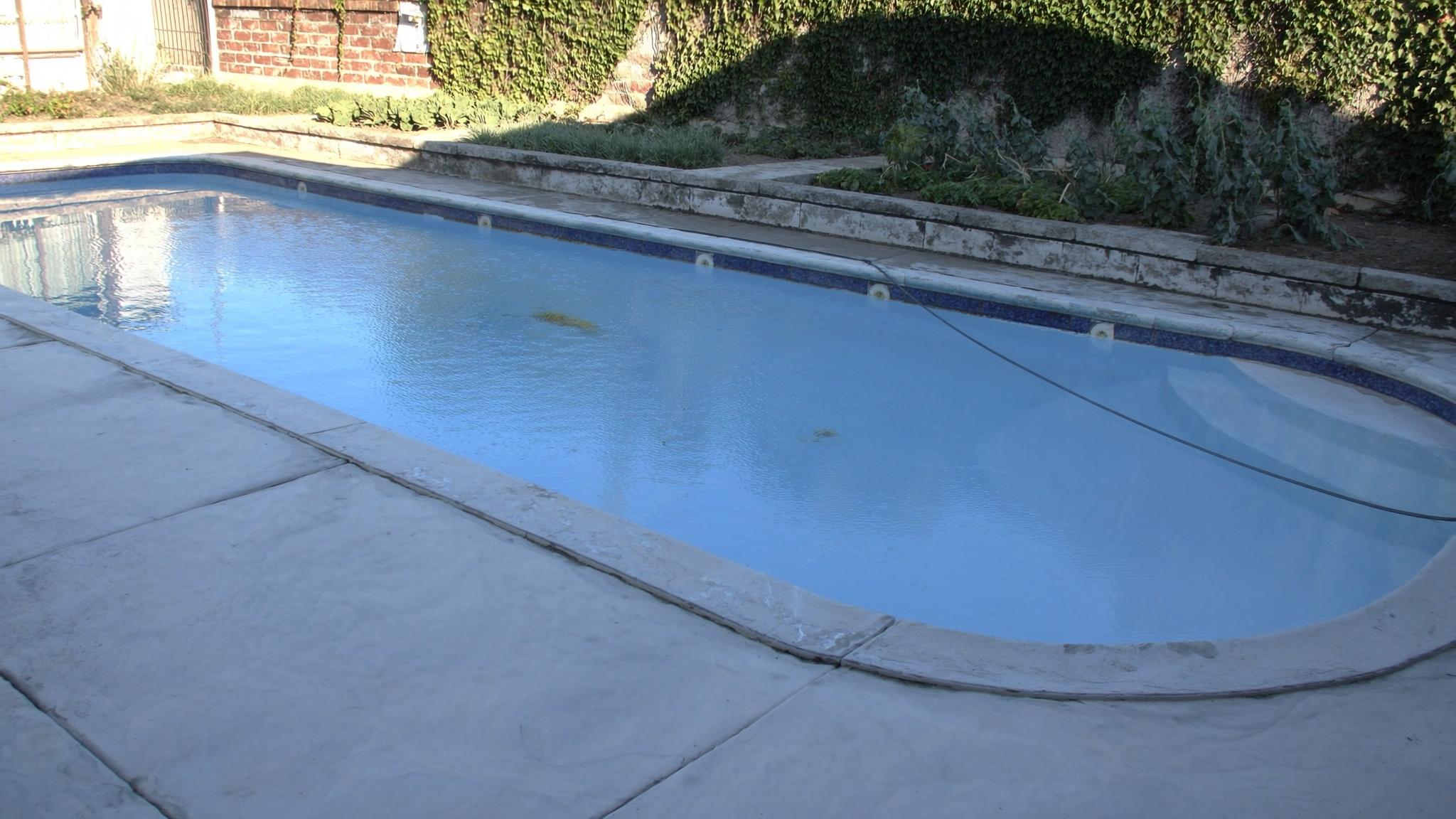
You have three real choices: repair the pool before listing, sell it as is with full disclosure and a contractor bid in hand, or price it in and market to buyers who want a pool project. Stockton REALTOR® Jeremiah Patterson helps sellers pick between those by getting a real pool inspection first, then targeting the buyers who actually want a pool.
The fear is that the pool costs you twice: once to fix, and again in a discount from a buyer who uses it as leverage anyway. That double hit is avoidable, but only if you decide deliberately instead of hoping nobody looks at the equipment pad.
Here is how to make that call.
TL;DR: Start with a professional pool inspection so you know whether you are dealing with cosmetic wear, aging equipment, or a structural problem, because those are three different sales. Cosmetic and equipment issues often justify repair before listing. Structural issues usually get disclosed, bid, and priced in. Either way, disclose what you know, get written quotes rather than guessing at cost, route safety and barrier questions to the right authority, and market to the Stockton buyers who genuinely want a pool. In this valley heat that pool is a feature to a real segment of buyers, and your job is to reach them.
Does a pool that needs work actually kill your sale?
No, but it splits your buyer pool in a way that punishes passive marketing.
Every pool listing divides buyers into three groups: those who actively want a pool, which in Stockton summers is a meaningful group; those who are neutral and will take it if the rest of the home is right; and those who do not want a pool at all.
A pool in poor condition pushes the neutral group toward the negative column and makes the pool wanting group nervous about what they are inheriting. It does not eliminate demand, it concentrates it, and concentrated demand has to be reached deliberately rather than waited for.
A pool problem is a targeting problem before it is a price problem.
What kind of "needs work" are we actually talking about?
This determines everything else, and you cannot answer it by looking at the water.
Cosmetic. Stained plaster, dated tile, worn coping, faded decking. Ugly, not broken. Often the cheapest category to improve and the biggest payoff in photos.
Equipment. Old pump, failing heater, dying filter, a control system nobody makes parts for. Replacement is a defined project with a defined cost, which is the kind of problem buyers handle well.
Plumbing and circulation. Leaks in the lines, a suction issue, a return that does not return. Have a professional test it rather than assuming.
Structural. Cracks in the shell, movement, a gunite problem. The serious category, and it needs a licensed pool contractor.
Empty or non functional. Empty pools can develop problems, photograph badly, and signal neglect even when the shell is fine.
Get a licensed pool professional to inspect and put the findings in writing before you decide anything. You are not just buying a diagnosis, you are buying a document you can hand to a buyer.
Should you repair the pool before listing?
It depends on the category.
Usually worth doing: cosmetic work with a strong visual return, and equipment replacement when the equipment is at the end of its life. New plaster and clean tile photograph beautifully, and photos decide whether a buyer books a showing. Working equipment turns "what am I inheriting" into "it works."
Usually not worth fronting: major structural repair. Large expense, uncertain timeline, and you may not recover it. The stronger play is a written scope and bid from a licensed contractor, disclosed to the buyer, so they see a defined number instead of imagining a worse one.
Judgment call: everything in the middle. Weigh the cost against what it unlocks in buyer confidence and photo quality, and against how long it delays the listing.
Get two written quotes for anything meaningful. Pool work varies enormously in scope, access, and materials, so no general figure means anything for your address. Whether to sell a Stockton home as is or make repairs first walks through the broader trade, and the pool is often the biggest line item in it.
What do you have to disclose about the pool?
Everything material that you know. California sellers have broad disclosure obligations covering facts that affect value or desirability, and a pool with problems is squarely in that category.
Practically, that means writing down:
- Known leaks, repairs, and their history
- Age and condition of equipment
- Any structural issue you are aware of
- How long since the pool was resurfaced
- Whether it has been drained or out of service
- Any past insurance claim related to the pool
- Safety features present or absent
- Whether pool related work was permitted
The Seller Property Questionnaire used in San Joaquin County asks about improvements, repairs, and known defects, and pool items belong there. What the SPQ disclosure is and how it works in San Joaquin County explains the form, and what you should disclose when selling a Stockton home covers the broader obligation.
Add the inspection report and the contractor bids to the file. A buyer holding a professional report and a written quote negotiates from facts. A buyer holding nothing negotiates from fear, and fear costs more. If any part of your obligation is unclear, ask a real estate attorney. This is not legal advice.
What about pool safety requirements and permits?
Do not guess at this, and do not let anyone tell you the rules from memory.
California has statutes addressing residential swimming pool safety features and requirements have changed over the years. Local jurisdictions also have rules about barriers, fencing, gates, and alarms, and whether a specific requirement applies can depend on when the pool was built and what permits have been pulled since.
For anything involving barriers, permits, or code compliance at your address, contact the City of Stockton building department if you are inside city limits, or San Joaquin County if you are unincorporated. They are the authority. Your agent is not, and a blog post definitely is not. If a prior owner did pool work without permits, that is a disclosure item, so pull the permit history and see what the record says.
How does a pool affect the appraisal and the buyer's insurance?
Two separate questions and both matter.
On the appraisal, pools generally contribute less value than they cost to build, and a pool in poor condition contributes less still. Appraisers look at what comparable sales with pools in your area actually did and adjust from there. Build your price from a real comparable analysis, not from what you paid for the pool. How to price a Stockton home in a slower market covers the method.
On insurance, some carriers have requirements or restrictions around pools, particularly fencing, diving boards, and slides. That can affect the buyer's ability to bind coverage, which can affect their loan. The buyer should verify with their own insurance agent early.
How do you market a home with a pool that needs work?
This is the part that decides whether the pool costs you money or makes you money.
Make it look like a pool, not a liability. Clean water, tidy equipment area, swept decking, staged furniture. A pool that is full, blue, and inviting reads as an asset even when the plaster is dated. A green pool or an empty shell reads as a problem in every photo, and no caption undoes that.
Shoot it properly. Golden hour, the right angle, elevated perspective if the yard supports it. The back yard is often the emotional center of a Stockton home in summer and deserves the same investment as the kitchen. Professional photography versus phone photos and the listing math explains why this is not a place to economize.
Be direct in the copy. "Pool in original condition, inspection report and contractor bid available" signals a seller with nothing to hide, and it pre qualifies the buyers who contact you. Vagueness invites suspicion.
Target buyers who want a pool. This is the leverage, and the reason a narrow pool does not have to mean a low price. Families who spend the summer outside, buyers relocating from cooler areas, buyers who entertain, buyers who see a project rather than a burden. They exist in the Stockton market and they will not find you by accident. Targeted digital buyer outreach for Stockton sellers covers how to reach them on purpose.
That is the Master Listing Strategy on a pool home: rather than discounting until someone tolerant shows up, build demand among the buyers for whom the pool is the reason they want the house. Marketing creates demand. Price alone does not.
Step by step: taking a pool home to market
- Get a licensed pool inspection in writing before you decide anything. Category first, price second.
- Get two written bids on any repair you are seriously considering.
- Sort the findings into cosmetic, equipment, plumbing, and structural.
- Do the cosmetic and equipment work that photographs well if the numbers support it.
- Bid and disclose the structural work rather than fronting it, in most cases.
- Check permits and safety requirements with the City of Stockton or San Joaquin County.
- Get the pool visually perfect for photo day: clean, full, balanced, staged.
- Complete disclosures fully, attaching the inspection report and the bids.
- Build a targeted campaign aimed at buyers who want a pool, before the listing goes live.
- Price from comparable pool home sales, not from what the pool cost to install.
Run the 14 day pre listing prep checklist for Stockton sellers alongside the pool work so the property presents as one cared for home, not a nice house with a problem out back.
Common Mistakes to Avoid
Listing with a green or empty pool. Every photo tells the buyer the home was neglected, and that impression bleeds into how they see the roof, the HVAC, and everything else.
Guessing at repair costs. Pool work varies wildly by scope and access. Get written quotes for your address and never quote a number you have not been given.
Fronting a major structural repair without checking the math. Large pool projects often do not return what they cost. A bid plus disclosure frequently serves you better than a check.
Hiding a known leak. The buyer's inspector tests the pool. Defects that surface late do more damage than they would have as an up front disclosure.
Assuming the pool adds what it cost. Appraisers work from comparable sales, not your invoice.
Skipping the safety and permit questions. Barrier and permit requirements are jurisdiction specific. Ask the City of Stockton or San Joaquin County.
Marketing to everyone. Broad exposure puts your pool home in front of people who do not want a pool, and their reaction becomes your feedback.
Reducing price before checking the campaign. If showings are slow, check whether you are reaching pool wanting buyers before you touch the number.
What This Looks Like in Real Life
A seller has a Stockton home with a pool that still runs but has rough, stained plaster, dated tile, and a pump well past its expected life. The inspection confirms the shell is sound and the issues are cosmetic and mechanical. The seller replaces the pump and does a resurfacing and tile refresh, which is where the money shows up in photographs. The photos are shot late in the day with the yard staged for summer, the campaign targets families and buyers relocating into the valley, and the pool becomes the lead image rather than photo twenty. It stops being a question and becomes the reason people book showings.
A second scenario: a seller has a crack in the shell and a licensed contractor's assessment that the repair is significant. Fronting it does not fit their timeline or budget. Instead they disclose the finding, attach the report and two written bids, and price the home with the condition accounted for. The listing says plainly that the pool needs structural work and documentation is available. The buyers who come read that and wanted the house anyway, some planning to do the work themselves. The negotiation is short because there is nothing left to discover.
Neither predicts your result. Every pool is different. But the pattern holds: diagnose it professionally, document it honestly, present it beautifully, and take it to the people who want it.
Frequently Asked Questions
Does a pool add value to a Stockton home?
It can, especially in a valley climate where outdoor living matters, but pools generally contribute less than they cost to install and a pool in poor condition contributes less than a maintained one. Base your expectation on comparable sales of pool homes in your area, not on your original investment.
Should I fill in the pool before selling?
Rarely a good first move. Removal is expensive, it can create its own disclosure and soil issues, and it eliminates the buyers who wanted a pool. If you are considering it, get professional advice on the process and the disclosure implications first.
Do I have to disclose a pool leak?
A known leak generally belongs on your disclosures. Report what you know, attach any inspection or repair records, and confirm the scope with your agent or a real estate attorney if you are unsure.
Will a buyer's lender or insurer care about the pool?
They can. Some carriers have requirements around fencing, diving boards, and slides, and a coverage problem can affect the buyer's loan. The buyer should check with their own insurance agent early.
Is it better to repair the pool or give a credit?
Repair the things that photograph well and restore function. Bid and disclose what is large and structural. A credit works when the buyer wants control over the contractor, but it does nothing for the listing photos, and the photos are what get buyers through the door.
What if my pool has been empty for years?
Have a licensed pool professional evaluate it before you do anything, including refilling it, because pools that sat empty can have their own issues. Then disclose the history.
Ready to sell your Stockton home with a pool that needs work?
Diagnose first, decide second, market third. Three steps:
- Get a licensed pool inspection in writing so you know which category of problem you have.
- Get a realistic value picture for the home as it stands today. Start with a free home evaluation.
- Build a campaign aimed at buyers who want a pool before the listing goes live. Get in touch and we will walk the property, sort the repair list, and map the launch.
Jeremiah Patterson is a REALTOR® and Vice President at Cornerstone Real Estate Group (CA DRE #02017640), with 220+ closed transactions and more than $87 million in San Joaquin County sales since 2016. His listings sell in a median of 13 days, with 55% under contract within 14 days, and he holds a 5.0 rating across 180 verified reviews (RateMyAgent 72, Realtor.com 61, Google 32, Yelp 15). He's a Move-Up Specialist and works with out-of-state, remote, and inherited/estate sellers as well as first-time buyers across Lodi, Stockton, Woodbridge, Acampo, Galt, and San Joaquin County. He was named RateMyAgent County Top 5 for San Joaquin County five consecutive years (2022-2026) and is a Lifetime Member of the Lodi Association of REALTORS® Masters Club. Reach him at (209) 329-7238 or jeremiah@sellingsanjoaquin.com.
Before you list, work through the 14 day pre listing prep checklist and whether to sell a Stockton home as is or make repairs first. Then read targeted digital buyer outreach for Stockton sellers, which is how you reach the buyers who want the pool instead of the ones who merely tolerate it.
Jeremiah Patterson Cornerstone Real Estate Group 224 W Pine St, Lodi, CA 95240 Phone (209) 329-7238 Email jeremiah@sellingsanjoaquin.com CA DRE #02017640 · Brokerage DRE #01037761 Practicing since 2016
Categories
Recent Posts







GET MORE INFORMATION