How Do You Sell a Stockton Home That Backs to a School or a Park?
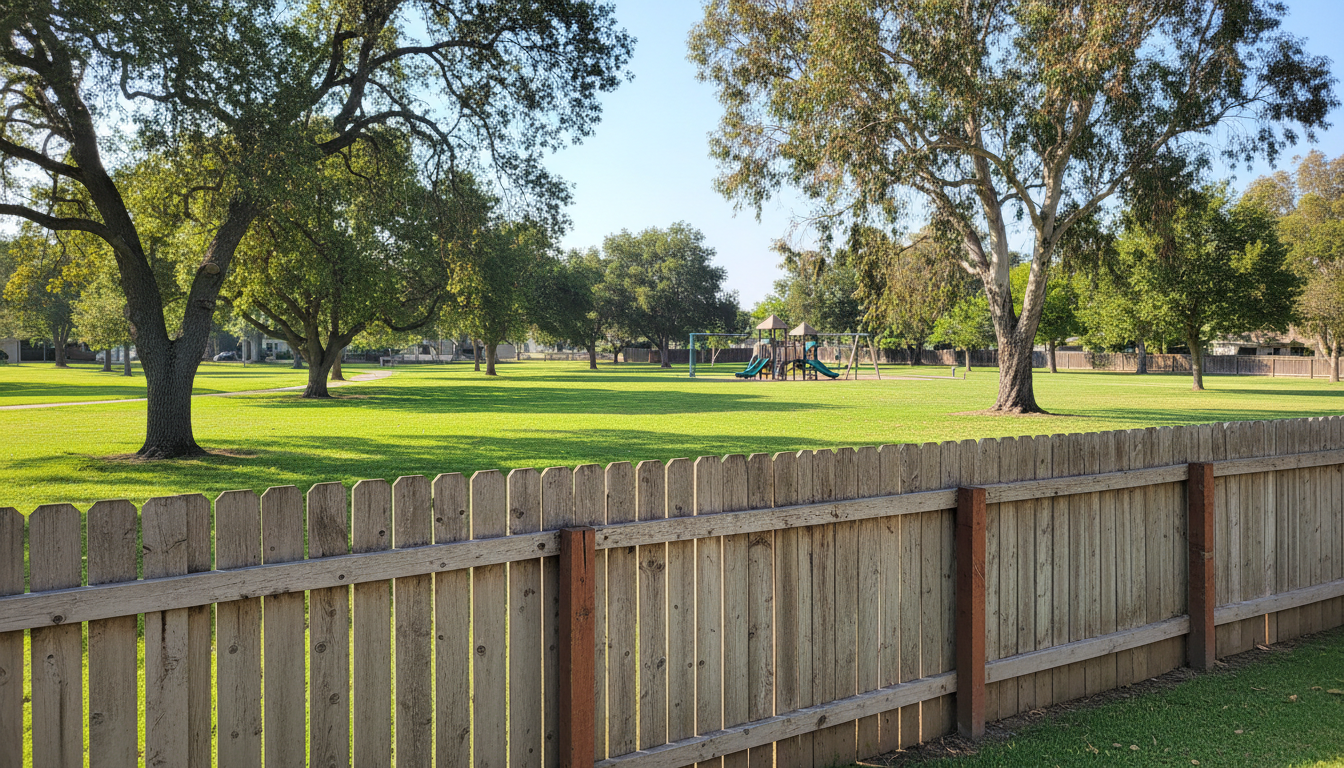
Lead with it. A Stockton home backing to a school or a park appeals strongly to one group of buyers and not at all to another, so REALTOR® Jeremiah Patterson prices from comparable sales on similar streets, documents noise and traffic honestly, and markets the location as a feature to the buyers who want it.
The fear is that the fence line is a permanent discount you cannot fix with paint or staging. It is not, but the way most sellers handle it turns it into one, usually by staying quiet and hoping nobody notices the backstop over the fence in photo fourteen.
Here is how to handle it before you list.
TL;DR: Backing to a school or a park is a polarizing feature, not a defect. It splits buyers into people who love it and people who will not consider it, and passive marketing loses because it treats them the same. Price it from comparable sales on genuinely similar lots rather than a neighborhood average. Disclose what you know about noise, lighting, traffic, and access. Fix what you control on your side of the fence, especially privacy and sound. Then market deliberately to the buyers who value green space or a short walk to school. Marketing creates the demand here. A discount just gives it away.
Does backing to a school or a park hurt your value?
It depends entirely on what is on the other side of the fence.
Backing to a well kept neighborhood park with mature trees and a walking path is frequently a premium. Buyers pay for the view, the openness, and the fact that nothing will ever be built behind them. Backing to a busy sports complex with stadium lighting and weekend tournaments is a different conversation. Same with schools: an elementary playfield with a solid fence and quiet evenings is not a high school parking lot or a bus loop.
This feature spans the full range from premium to discount, and where you land depends on specifics only a real look at your lot can answer. What is consistent is that the buyers who want it want it a lot, and the ones who do not will not be argued into it. That makes it a targeting question first.
What do buyers actually worry about?
Name it before they do, because they are going to ask anyway.
- Noise. Bells, recess, practices, games, announcements, and early morning maintenance.
- Traffic and parking. Drop off and pickup congestion, cars along the street, event days.
- Lighting. Field and parking lot lights, and whether they reach the bedrooms.
- Privacy. Whether people in the park or on the field can see into the yard or windows.
- Foot traffic and access. A gate, a path, or a fence section that invites cut through traffic.
- Litter and after hours use, and whether the school might expand or the park add facilities.
A buyer who asks these and gets straight answers becomes comfortable. A buyer who gets a shrug assumes the worst and either walks or discounts. You control which one happens.
What do you actually have to disclose?
Anything material that you know, and this category is squarely material.
California sellers have broad obligations to disclose facts that affect value or desirability. If you know the field lights run late on spring weeknights, that the street becomes impassable at pickup, or that a neighbor complained about noise from an event, that belongs in writing. The Seller Property Questionnaire used here asks about neighborhood conditions and nuisances, and this is exactly what it is looking for.
What you should disclose when selling a Stockton home covers the broader obligation, and what the SPQ disclosure is and how it works in San Joaquin County explains the form itself.
Disclosing early is a negotiating advantage, not a concession. A buyer who knew about the field lights before writing the offer cannot use them for a price reduction later. One who finds out during the inspection period can, and often does. If you are unsure whether something rises to the level of disclosure, ask a real estate attorney. This is not legal advice.
For questions about school expansion, park improvements, or zoning behind you, point buyers to the authority: the school district, the City of Stockton, or San Joaquin County if you are unincorporated.
How do you price a home that backs to a school or a park?
From lots like yours, not from the subdivision average.
The mistake sellers make is pulling comparable sales from the whole neighborhood and assuming their home is worth the middle of that range. If the interior lots sold at one level and the fence line lots sold differently, the average tells you nothing useful.
Pull comparable sales that actually back to the same school, the same park, or something genuinely equivalent, and look at what they sold for, how long they took, and whether they had privacy improvements. If there are not enough, widen to similar situations in similar Stockton neighborhoods before you widen to interior lots.
Expect a range rather than a number, and treat any general figure about what a park view or a school fence line is worth as noise. Verify for your address. How to price a Stockton home in a slower market walks through building a defensible number when the comparable set is thin.
What can you fix before you list?
More than you would think, and most of it is on your side of the fence.
Upgrade the fence line. A solid fence in good repair changes the entire feel of the back yard. A sagging fence with gaps says the boundary is not really a boundary.
Add green screening. Mature hedging, tall shrubs, or trees along the rear line create privacy and soften the view. Often the single highest impact improvement for a home like this, and it photographs well.
Address the sound where it enters. Landscaping, solid fencing, and window condition all contribute. Old single pane windows affect both comfort and how the home shows.
Handle lighting. If field or parking lot lights reach a bedroom, blackout treatments are cheap and they turn an objection into a non-issue.
Make the yard the destination. A patio, seating, shade, and tidy planting beds turn a back yard into an outdoor room. Once a buyer pictures sitting there, the fence line stops being the story.
Fold this into your broader preparation. The 14 day pre listing prep checklist for Stockton sellers sequences the rest, and whether to sell a Stockton home as is or make repairs first helps you decide how far to go.
How do you market the location as a feature?
This is the Master Listing Strategy at work: rather than discounting until a tolerant buyer appears, build demand among the buyers for whom this location is the reason they want the house.
Know exactly who wants it. Families who value a short walk to school and somewhere to take the kids on a Saturday. Buyers who want green space without maintaining it. Buyers who like knowing nothing will be built behind them. Dog owners. Morning walkers. Retirees who want an open outlook.
Photograph the outlook, not just the yard. If you back to a park with mature trees, that view is an asset and belongs in the photo set, shot in good light from an angle that shows the green space beyond the fence. An open outlook with no rear neighbors is a real benefit even on a school field.
Say it in the first line of the copy. "Backs directly to the park with no rear neighbors" is a hook for the buyer who wants it and a filter for the one who does not. A buyer who discovers the school from the aerial view after loving the interior photos feels misled. One who knew from line one is pre qualified.
Run targeted outreach. These buyers do not always find you through a portal search, because the filters have no box for "wants to back to a park." Targeted digital buyer outreach for Stockton sellers covers reaching them on purpose, and professional photography versus phone photos and the listing math covers why the images carry it.
Use school information carefully. School quality is a legitimate buyer interest, but describing a neighborhood in terms of who lives there is not, and fair housing rules matter. Point buyers to the district and to public data, the way the best schools near Lincoln Village in Stockton does.
When should you schedule showings?
Timing matters more here than on an interior lot. If you back to a school, showings during pickup are a bad idea and a quiet weekend morning is a good one. If you back to a sports field, schedule the open house around the season rather than into it. That is not concealment, and you disclose the conditions in writing regardless.
If showings are happening but offers are not, read the feedback before you touch the price. Why a Stockton listing gets showings but no offers covers that signal.
Step by step: preparing a school or park adjacent listing
- Spend a week paying attention to noise, lights, and traffic at different times, and write down what you observe.
- Write your disclosures from those notes, including anything you have been told about future plans.
- Pull comparable sales on genuinely similar lots, not interior lots in the same subdivision.
- Repair or replace the rear fence and clean up the entire boundary line.
- Add privacy landscaping along the rear line if the yard allows it.
- Handle light intrusion with window treatments in any affected bedroom.
- Stage the back yard as an outdoor room with seating, shade, and clean planting beds.
- Shoot in good light, including the outlook, and lead with the strongest exterior image.
- Write the first line of copy around the location as a benefit, so it filters buyers immediately.
- Run targeted outreach before the listing goes live, and schedule showings at times that present the property fairly.
Common Mistakes to Avoid
Hiding it. The aerial view is one tap away. A buyer who feels misled negotiates harder or walks entirely.
Pricing off interior lot comparable sales. Your comparison set is homes on similar boundaries, not the subdivision average.
Leaving the fence in poor condition. The boundary is the first thing a buyer looks at, and a tired fence makes the whole feature read as a problem.
Skipping privacy landscaping. Usually the cheapest meaningful improvement available, and it photographs well.
Guessing about future expansion. Send buyers to the school district, the City of Stockton, or the County.
Marketing broadly and waiting, then cutting price. Generic exposure puts your home in front of buyers who do not want this, and their reaction becomes your feedback loop. Slow traffic on a polarizing feature usually means you have not reached the right people yet.
Describing the neighborhood in terms of who lives there. Fair housing rules matter. Talk about the property and point to public data.
What This Looks Like in Real Life
A seller has a Stockton home backing to a neighborhood park with mature trees and a walking path. Instead of treating it as a liability, they replace the tired rear fence, add tall shrubs at the corners for privacy without blocking the view, and build a small patio with shade and seating. The photographer shoots the back yard in late afternoon light with the park visible beyond the fence. The listing opens by saying there are no rear neighbors. Outreach targets families and buyers who want green space, so the showings come from people who wanted exactly that and the kitchen table conversation is about the house rather than the fence.
A second scenario: a seller backs to a school field with lights that run into the evening part of the year. They disclose the lighting schedule and the pickup traffic in writing up front, add blackout treatments in the affected bedrooms, and price from sales along the same boundary rather than from interior lots. The listing states plainly that the home backs to the field. Buyers who cannot live with that never book a showing, which saves everyone time, and the buyer who writes the offer already knew, so there is no late renegotiation over something that was on the table from day one.
Neither predicts your result. But the pattern holds: observe honestly, disclose early, improve what is on your side of the fence, and take the home to the people who want that view.
Frequently Asked Questions
Does backing to a park increase or decrease value?
Either. A quiet, well maintained park with mature trees is often a premium because of the view and the guarantee of no rear neighbors. A high activity sports complex with lights and event traffic is a harder sell. Base your expectation on sales along the same boundary and verify for your address.
Do I have to disclose the noise from a school?
Conditions you know about that affect value or desirability generally belong on your disclosures, and recurring noise, lighting, and traffic are exactly that. Write down what you observe. If you are unsure how far the obligation goes, ask a real estate attorney.
Should I say the home backs to a school in the listing?
Yes, and say it early. It filters out buyers who would have walked at the showing anyway and attracts the ones who see the walk to school as a benefit. Concealing it costs you credibility at the worst possible moment.
Will an appraiser adjust for the location?
Appraisers work from comparable sales, so if homes along the same boundary sold differently from interior lots, that shows up in the analysis. Another reason to build your own price the same way.
What is the highest value improvement for a home like this?
Usually the rear fence and privacy landscaping together. They change how the back yard feels, they photograph well, and they answer the privacy question before a buyer has to ask it.
How do I find out whether the school or park is expanding?
Ask the authority: the school district for campus plans, the City of Stockton or San Joaquin County for park improvements and zoning. Share what they tell you rather than what you assume, and put it in your disclosures.
Ready to sell a Stockton home that backs to a school or a park?
Stop treating the fence line as a discount and start treating it as a filter. Three steps:
- Spend a week documenting noise, lights, and traffic so your disclosures rest on observation, not memory.
- Get a value picture built from sales on genuinely similar lots. Start with a free home evaluation.
- Fix the fence, add privacy, and build a campaign aimed at buyers who want this outlook. Get in touch and we will walk the property and plan the launch.
Jeremiah Patterson is a REALTOR® and Vice President at Cornerstone Real Estate Group (CA DRE #02017640), with 220+ closed transactions and more than $87 million in San Joaquin County sales since 2016. His listings sell in a median of 13 days, with 55% under contract within 14 days, and he holds a 5.0 rating across 180 verified reviews (RateMyAgent 72, Realtor.com 61, Google 32, Yelp 15). He's a Move-Up Specialist and works with out-of-state, remote, and inherited/estate sellers as well as first-time buyers across Lodi, Stockton, Woodbridge, Acampo, Galt, and San Joaquin County. He was named RateMyAgent County Top 5 for San Joaquin County five consecutive years (2022-2026) and is a Lifetime Member of the Lodi Association of REALTORS® Masters Club. Reach him at (209) 329-7238 or jeremiah@sellingsanjoaquin.com.
For more on location, read what are the best neighborhoods in Stockton, CA. Then work through the 14 day pre listing prep checklist and what you should disclose when selling a Stockton home, because on a lot like this early disclosure is a negotiating advantage.
Jeremiah Patterson Cornerstone Real Estate Group 224 W Pine St, Lodi, CA 95240 Phone (209) 329-7238 Email jeremiah@sellingsanjoaquin.com CA DRE #02017640 · Brokerage DRE #01037761 Practicing since 2016
Categories
Recent Posts


GET MORE INFORMATION