How Do You Sell a Stockton Home on a Busy Street or Corridor?
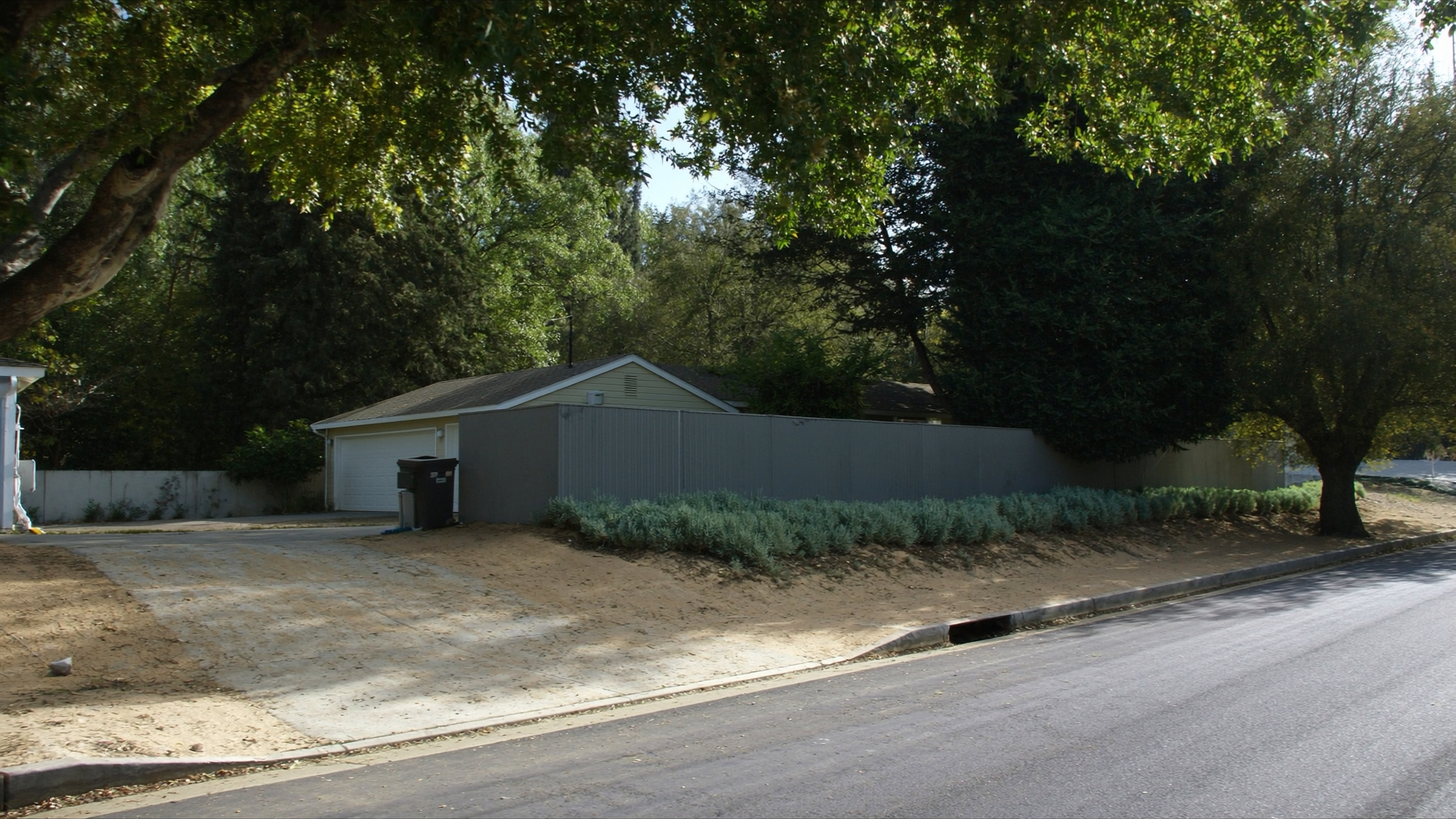
You sell a home on a busy Stockton street by narrowing your target instead of lowering your price. A busy road doesn't make the home worth less to every buyer, only to some. Stockton REALTOR® Jeremiah Patterson finds the buyers it doesn't bother, using targeted marketing, honest disclosure, and a few smart moves on the property itself.
The fear underneath the question is usually this: everyone's going to walk in, hear a truck, and knock twenty thousand off in their head. That happens when the marketing is passive and the only people touring are whoever wandered by. It happens a lot less when the right buyers are the ones showing up.
Here's how to position a busy-street home before it ever goes live.
TL;DR: A busy street shrinks your buyer pool, it doesn't erase your value. The lazy answer is to price low enough that anyone will take it. The better answer is to identify who genuinely doesn't mind the location, reach them directly with paid targeted marketing, mitigate the noise you can actually mitigate, disclose what you're required to disclose, and price against real comparable data for similar streets rather than against fear. Do the marketing work first and the price conversation gets much easier.
Why does a busy street affect price at all?
Because it removes buyers, not because it removes value.
Think about who's shopping. A family with small kids may rule out a corridor for safety reasons before they ever look at the photos. A light sleeper may rule it out on noise. Those buyers are gone regardless of what you do, and no amount of marketing changes their mind. Fine.
Now think about who's still in. Buyers who commute and value the fast access. Investors and buy-and-hold owners who care about the numbers, not the ambiance. Buyers who grew up on a busy road and genuinely don't register it. Buyers moving from a denser city where this street would count as quiet. Buyers who want more house than they could get on an interior street and are willing to trade for it. Buyers who work nights and sleep during the day when traffic is actually lighter than the evening rush.
That's a real pool. It's just a smaller one, and it's harder to reach passively. Which is exactly the problem, and exactly what marketing is for.
The core mistake: pricing for a pool you never reached
Here's what happens on most busy-street listings. The home goes on the MLS. It gets syndicated. The agent waits. The buyers who show up are whoever was already browsing that price band, and a large chunk of them were never going to accept the location. They tour, they mention the road, they pass.
After a few weeks of that, someone says the price needs to come down.
But look at what actually happened. The listing was shown to a general audience, a big slice of which was disqualified by the location before they walked in. Then the seller reduced the price based on feedback from people who were never their buyer. That's not market feedback. That's sampling error, and it costs real money.
The right move is to stop broadcasting and start targeting. Paid, segmented campaigns can put your home specifically in front of commuters, investors, and buyers relocating from denser areas. That's the entire premise of targeted digital buyer outreach for Stockton sellers, and it matters more on a busy-street home than on almost any other kind of listing, because your buyer is out there but they are not going to stumble into you.
Marketing creates demand. Price alone does not. On a corridor home, that's not a slogan, it's the difference between selling near your number and giving away the difference to the first buyer who tolerates the road.
What you can actually fix before listing
Some of this is cheap and moves the needle more than people expect. Get honest quotes for your address rather than assuming, and confirm anything structural with the appropriate licensed professional.
Address the sound you can address. Weatherstripping, door sweeps, and sealing gaps do more than people think. Window upgrades are a bigger investment and worth pricing out to see whether the return justifies it for your specific home. Get a real quote before you decide.
Use landscaping as a buffer. Dense hedging, a fence line, or mature planting along the street side reduces both the sound and, just as importantly, the visual reminder. A buyer who can't see the road thinks about it less.
Make the back yard the star. If the rear of the property is quieter and more private, that's your selling feature. Invest there. A great back yard reframes the whole home from "on a busy street" to "private retreat with easy access."
Fix the entry sequence. The first thirty seconds set the tone. If the buyer's first impression is standing on a loud front step while someone fumbles with a lockbox, you've started in a hole. Think about where tours begin and how they flow.
Handle parking and access. If street parking is difficult, have a plan for showings. Nothing sours a tour like a stressful arrival.
Beyond that, run through the 14-day pre-listing prep checklist for Stockton sellers like you would for any home. And if there are larger repair items, whether to sell as-is or make repairs first is worth thinking through, because on a busy-street home condition carries more weight. You have less margin for a buyer to overlook things.
What you have to disclose
Do not try to hide the street. It's the fastest way to lose a deal in escrow and create a problem you don't want.
In California, sellers generally have broad disclosure obligations covering material facts that affect value or desirability, and noise and traffic conditions can fall into that category. The Seller Property Questionnaire asks about neighborhood noise and nuisances directly. What the SPQ disclosure is and how it works in San Joaquin County explains the form, and what you should disclose when selling a Stockton home covers the broader picture.
This is not legal advice and your situation may have specifics that matter. Confirm your obligations with your agent and, if there's any question, a real estate attorney.
The practical upside of full disclosure: a buyer who knows about the street before they write is a buyer who isn't going to renegotiate over it later. Surprises kill deals. Known facts don't.
How to market a busy-street home properly
Lead with the trade, not the apology
Every home is a trade. Buyers know that. The homes that sell well on corridors are the ones that name the trade confidently: more square footage, a bigger lot, a better school-adjacent location, faster access to everything, a price point that wouldn't exist two streets over. Say what the buyer gets. Don't pretend the road isn't there and don't grovel about it either.
Shoot it right
Photography and video decide whether your buyer shows up motivated or skeptical. Shoot at times of day when the light is best and the corridor is calmest. Compose so the property, the yard, and the interior carry the story. Use video to walk the buyer through the flow of the home and out into the private outdoor space, because video is how a buyer decides they want to see it in person. The gap between good media and bad media is enormous on any listing and it's wider on a home that needs to overcome an objection. Professional photography versus phone photos and the listing math covers why.
Target, don't broadcast
This is the piece that actually changes the outcome. Rather than hoping the right buyer finds the listing, run paid campaigns aimed at the segments who genuinely don't mind the location. That's the core of the Master Listing Strategy: build demand by going to the buyer instead of waiting to be found. On a busy-street home, the difference between broad exposure and targeted exposure is the difference between a discount and a sale.
Control the showing experience
Schedule around traffic patterns where you can. Have music on. Start the tour in the part of the home that sells it. Small things, and they compound.
Step by step: how to take a busy-street home to market
- Get an honest read on the street. Traffic volume, time of day patterns, noise at the times buyers will actually tour.
- Define your buyer segments in writing. Commuters, investors, relocating buyers, night-shift workers. Name them, because you'll target them.
- Get quotes on the mitigation that's worth doing. Weatherstripping and landscaping first. Bigger items only if the numbers justify them.
- Invest in the back yard and the private spaces. That's your counterweight.
- Complete your disclosures fully and early. Have them ready for buyers up front, not at the last minute.
- Price against the right comparables. Not interior-street sales. Look at what similarly situated homes on comparable roads actually did. How to price a Stockton home in a slower market walks through the method.
- Build the targeted campaign before launch day. The campaign is the plan, not an afterthought.
- Launch hard in week one and measure views, saves, and showing requests to see whether you're reaching the right pool.
Common Mistakes to Avoid
Discounting before you've targeted. If you reduce the price before you've actually reached commuter and investor buyers, you've paid for a marketing failure with your equity.
Comparing to interior-street sales. Your neighbor two blocks in on a quiet cul-de-sac is not your comp. Using them sets an expectation you can't hit and guarantees a reduction later.
Hiding the street in the photos. Buyers show up, see it immediately, and now they distrust everything else in the listing. Frame the home honestly and confidently.
Skipping disclosure and hoping. This creates escrow risk and potential liability. Disclose and confirm your obligations with your agent.
Spending on the wrong mitigation. Full window replacement is a large expense that may or may not return. Do the cheap high-impact items first and get real quotes before the big ones.
Assuming nobody wants it. Homes on busy streets sell all the time. They sell to people who evaluated the trade and took it. Your job is to find those people, not to convince everyone else.
Treating a slow first two weeks as a price signal. On a targeted listing, the first thing to check is whether the campaign is actually reaching your intended segments. Check the marketing before you touch the number.
What This Looks Like in Real Life
A seller has a larger-than-typical home on a corridor with a deep, private back yard. The instinct from a couple of people was to price it below the neighborhood and get it over with. Instead, the prep focused on landscaping along the street side, sealing the front of the house, and making the rear yard genuinely beautiful. Photography and video led with the yard and the interior space. The paid campaign targeted commuters and buyers relocating from denser metro areas rather than blasting a general audience. The buyers who toured had already seen the location in the video and come anyway, which meant every showing was a real showing rather than a polite walk-through.
A second scenario: a smaller home on a busy street where the numbers made more sense to an investor than to an owner-occupant. Rather than fight that, the marketing was aimed at buy-and-hold buyers, with the materials speaking to what that audience actually cares about. Different buyer, different message, same principle. The pool was narrow, so it had to be reached deliberately.
Neither of these predicts your outcome, and every street and every home is different. But the pattern is consistent: define the pool, then go get it.
Frequently Asked Questions
How much does a busy street reduce a home's value?
There's no fixed percentage, and anyone who gives you one without looking at your specific street is guessing. It depends on traffic volume, the type of road, how the home sits on the lot, and what mitigation exists. Get a real comparable analysis for your address rather than applying a rule of thumb.
Should I just price it low and get it over with?
Generally no, not as a first move. Pricing low is what you do after targeted marketing has failed to reach the right buyers, not before you've tried. Otherwise you're subsidizing a marketing gap out of your own equity.
Do I have to disclose road noise?
Noise and traffic conditions can be material facts, and the Seller Property Questionnaire asks about neighborhood noise directly. Disclose fully and confirm your specific obligations with your agent and, if needed, a real estate attorney.
Are soundproofing upgrades worth it before selling?
The inexpensive ones usually are. Weatherstripping, door sweeps, sealing gaps, and landscaping buffers tend to return more than they cost in buyer perception. Window replacement is a much larger investment. Get quotes for your address and weigh it against what it realistically unlocks.
Will a busy street affect the appraisal?
It can, since appraisers generally account for location factors when selecting and adjusting comparables. That's another reason to price against genuinely similar properties from the start rather than against interior-street sales.
What kind of buyer actually wants a home on a busy road?
Commuters who value the access, investors focused on returns, buyers coming from denser cities, buyers who want more home for the money, and people who simply don't notice traffic. It's a real pool, it's just smaller and it has to be reached on purpose.
Does the neighborhood still matter if the street is busy?
Yes, a lot. Buyers are still buying an area, schools, and access, and a busy street inside a desirable pocket behaves very differently than one in a less sought-after area. The best neighborhoods in Stockton is useful for understanding how buyers weigh that.
Ready to sell your Stockton home on a busy street for what it's worth?
Don't lead with a discount. Lead with a plan. Three first steps:
- Get a comparable analysis built from genuinely similar streets, not from quiet interior sales. Start with a free home evaluation.
- Name your buyer segments and build a targeted campaign around them before the listing goes live.
- Get quotes on the low-cost mitigation and decide what's worth doing in the two weeks before launch. Get in touch and we'll walk your property and map it out.
Jeremiah Patterson is a REALTOR® and Vice President at Cornerstone Real Estate Group (CA DRE #02017640), with 220+ closed transactions and more than $87 million in San Joaquin County sales since 2016. His listings sell in a median of 13 days, with 55% under contract within 14 days, and he holds a 5.0 rating across 180 verified reviews (RateMyAgent 72, Realtor.com 61, Google 32, Yelp 15). He's a Move-Up Specialist and works with out-of-state, remote, and inherited/estate sellers as well as first-time buyers across Lodi, Stockton, Woodbridge, Acampo, Galt, and San Joaquin County. He was named RateMyAgent County Top 5 for San Joaquin County five consecutive years (2022-2026) and is a Lifetime Member of the Lodi Association of REALTORS® Masters Club. Reach him at (209) 329-7238 or jeremiah@sellingsanjoaquin.com.
If you're preparing a busy-street listing, read the 14-day pre-listing prep checklist and what you should disclose when selling a Stockton home first. Then look at how to price a Stockton home in a slower market and targeted digital buyer outreach for Stockton sellers, which is where the real leverage lives on a home like this.
Jeremiah Patterson Cornerstone Real Estate Group 224 W Pine St, Lodi, CA 95240 Phone (209) 329-7238 Email jeremiah@sellingsanjoaquin.com CA DRE #02017640 · Brokerage DRE #01037761 Practicing since 2016
Categories
Recent Posts








GET MORE INFORMATION