Does a Swimming Pool Help or Hurt When You Sell a Lodi Home?
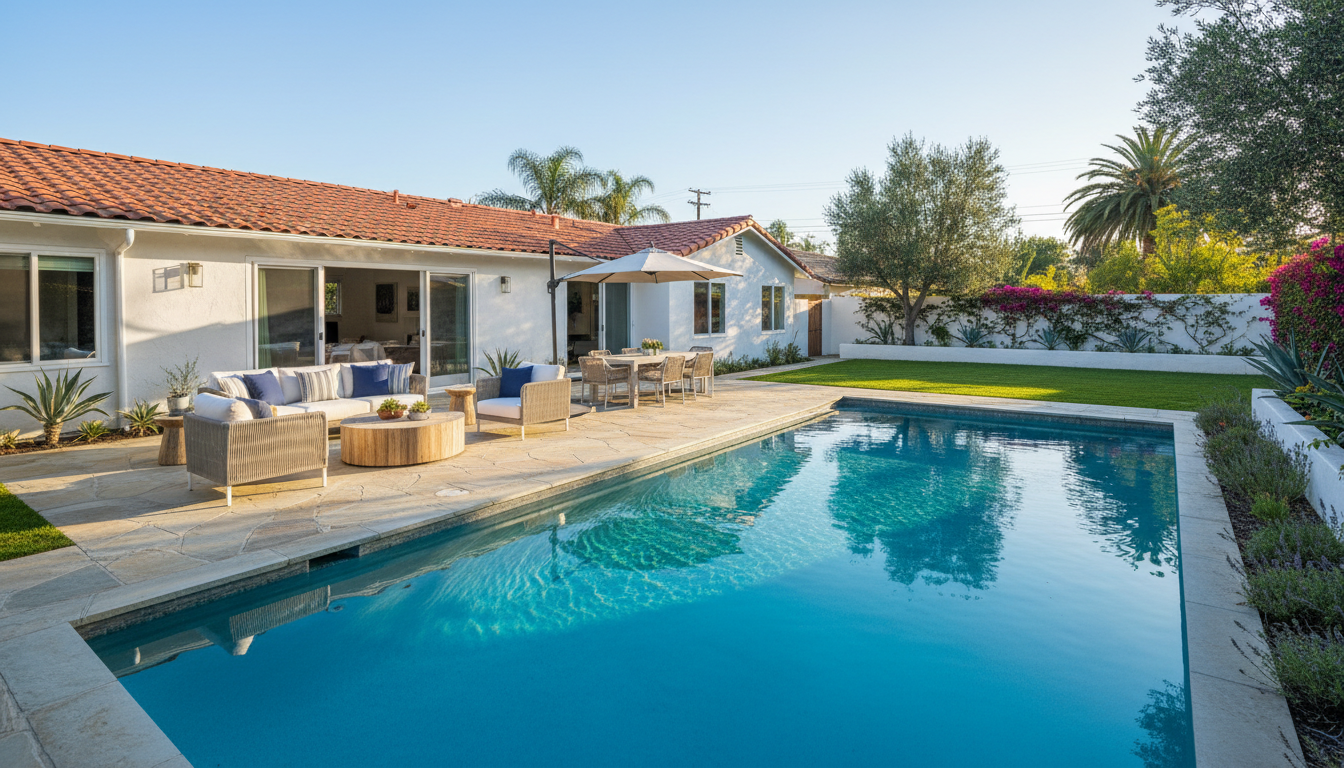
A swimming pool helps or hurts a Lodi home sale depending on its condition, how much yard it leaves behind, and how it's marketed. In Lodi's hot summers a well maintained pool is genuinely desirable, and Lodi REALTOR® Jeremiah Patterson markets it as a feature with service records and equipment documentation rather than leaving buyers to guess at the cost.
Guessing is what sinks pool homes. A buyer standing at the edge of your pool is doing math in their head, and every number they invent is worse than the real one. They're imagining a resurfacing bill, a heater replacement, a monthly service cost, and an insurance conversation. None of those numbers are accurate, and all of them are working against your price.
So the real question isn't whether pools help or hurt. It's whether your pool reaches the market as a documented asset or as an open question.
TL;DR: In Lodi, a clean, functional, well documented pool is generally an asset, because summers here are long and hot. A neglected pool, an oversized pool on a small lot, or a pool with no service history is generally a liability. Condition matters, but documentation and marketing matter just as much. Most pool discounts are paid for uncertainty, not for the pool itself.
Does a Pool Add Value in Lodi?
Sometimes yes, sometimes no, and anyone quoting you a flat percentage is making it up.
What's true about this market: Lodi summers are long and hot. A pool here gets used from late spring through early fall, which is a meaningfully different proposition than a pool somewhere you'd swim six weekends a year.
What's also true: a pool narrows your buyer pool. Some buyers want one, some are neutral, and some rule out pool homes entirely over young children, maintenance, or insurance. That narrowing is the biggest reason pools are complicated to price.
An honest answer for your home requires looking at your lot, your pool's condition, your price band, and your competition. That's the conversation behind what your home is worth in Lodi, and a pool is one of the features where a generic online estimate is least reliable.
Who Actually Wants a Pool in Lodi, and Who Doesn't?
This matters more than the value question, because your marketing has to find the first group.
Buyers who want it: families with kids past toddler age, entertainers, people moving from the Bay Area who see a Lodi pool home as an upgrade they could never afford where they came from, and anyone who's owned a pool and knows the real cost.
Buyers who're neutral: plenty of move-up buyers who'd take it or leave it and will pay for it if the rest of the home is right.
Buyers who'll rule you out: parents of toddlers, retirees who don't want the maintenance, and anyone whose insurance conversation went badly.
The mistake sellers make is pricing for that third group. You don't price for buyers who won't buy your house. You market to the ones who will. That's the idea behind a Master Listing Strategy: demand comes from reaching the right buyers with the right message, not from lowering the number until someone indifferent shows up. A pool home marketed generically gets a generic response.
When Does a Pool Genuinely Hurt You?
Being honest about this is more useful than cheerleading. A pool hurts when:
It's neglected. Green water, stained plaster, cracked coping, a filter that hasn't run in months. That doesn't just cost you the pool's value, it makes buyers wonder what else you've neglected.
It eats the entire yard. No lawn, no play space, no room for a table means you've traded away the feature most family buyers prioritize. On a smaller Lodi lot that's a real issue.
The equipment is at the end of its life. An old heater, old pump, aging filter, and a surface past its useful life add up to a number buyers will inflate.
There's no documentation. No service records, no equipment ages, no resurfacing date. Now the buyer is guessing, and they guess high.
Safety features are missing or unclear. Fencing, barriers, and gate hardware get noticed immediately.
Four of those five are fixable or answerable before you list. That's the point.
What Do Buyers Inspect on a Pool?
A dedicated pool inspection is common here and separate from the general home inspection. Expect a buyer to look at the surface, coping and decking cracks, the pump, filter and heater and their ages, plumbing and leak evidence, electrical bonding at the pad, gate hardware, and whether the pool holds water.
If you don't know those answers, the buyer's inspector will, and the buyer will price them. The difference between a pre-listing inspection and a buyer's inspection in Lodi explains why owning the information first is worth the cost.
Should You Repair, Resurface, or Sell As-Is?
It depends on the gap between what it costs you and what a buyer will discount for it.
Fix the cheap, visible things. Always. Clear water, balanced chemistry, working lights, a tidy pad, clean decking. These cost little relative to their impact and they change the buyer's emotional read entirely.
Resurfacing is a bigger call. Full resurfacing is a real expense and doesn't always return dollar for dollar. If the surface is genuinely failing, buyers discount more than the job costs, so doing it can make sense. If it's cosmetically tired but sound, disclosure plus an honest bid in hand often works better.
Aging equipment usually favors disclosure over replacement. Tell buyers the heater's age, provide the model and a current replacement quote, and let them price a known number instead of an imagined one. Known numbers are almost always smaller.
Selling as-is is legitimate for a badly deteriorated pool, especially targeting a cash buyer, though you'll narrow your pool further and the discount will exceed the repair. Whether to sell a Lodi home as-is or make repairs first covers how to run that comparison, and what to fix before selling in Lodi covers where prep dollars return something.
One thing I'd never recommend: filling in a functional pool to widen your appeal. It's expensive, it creates permit and disclosure complications, and it permanently removes a feature a meaningful share of Lodi buyers actively want.
Do You Have to Disclose Pool Problems, and What About Safety Requirements?
Yes on disclosure. Known material facts about the property include the pool. Leaks, cracks, equipment failures, prior repairs, leak detection work, and anything a pool service company has told you all belong in your disclosures.
Sellers worry that disclosing will scare buyers. The opposite happens more often. A seller who discloses a slow leak, provides the detection report, and includes a repair bid looks credible. A seller whose leak turns up in the buyer's inspection looks like they were hiding it, and the buyer starts questioning everything else. What you should disclose when selling a Lodi home covers the framework, and if you're unsure whether something rises to a material fact, ask a licensed California real estate attorney.
On safety requirements I want to be careful, because that's a code question and I'm not a code official. California has state law governing residential pool safety features, and local jurisdictions add their own. What applies depends on when your pool was built, whether it's been modified, and what your jurisdiction requires now. Inside city limits, ask the City of Lodi building department. For an unincorporated property, ask San Joaquin County.
How Do You Market a Pool Home So It Doesn't Get Discounted?
Every discount on a pool home is paid for one of two things: deferred maintenance, or uncertainty. You can eliminate the second entirely.
Show the pool at its best time of day. Twilight photography isn't a luxury on a pool home. Lit water at dusk is the shot that stops the scroll.
Show the lifestyle, not an empty hole. Furniture on the deck, umbrella up, towels folded. Buyers need to picture a July afternoon.
Lead with the maintenance story in the copy. "Serviced weekly by the same company for six years. Pump and filter replaced in 2022. Resurfaced in 2018." Three sentences that answer the buyer's entire internal monologue.
Prepare a pool packet. Service records, equipment ages and models, resurfacing date, warranties, recent water chemistry. Ready on day one.
Target the right buyers with real distribution. Families and entertainers, reached through deliberate paid placement, not just whoever happens to browse. This is where marketing creates demand rather than waiting for it, and pricing a Lodi home to get the most offers in the first 14 days covers why concentrating demand early matters so much.
For what your buyers are being told on the other side of the table, what to know about buying a home in Lodi with a pool is likely the checklist their agent is using.
How It Works: The Step by Step
-
Get the pool serviced and balanced now, before photos and before showings. Clear water is non-negotiable.
-
Assemble your equipment inventory. Pump, filter, heater, automation. Brand, model, age.
-
Find your records. Service invoices, resurfacing date, repair history, warranties, pool permits.
-
Order a pool inspection before listing, separate from the general home inspection.
-
Call the City of Lodi or San Joaquin County about safety requirements rather than assuming.
-
Fix the cheap and visible items, then get bids on anything major and compare the cost against the discount you'd otherwise absorb.
-
Complete your disclosures thoroughly, shoot it properly at both daytime and twilight, and launch with a targeted campaign aimed at the buyers who want a pool instead of hoping they find you.
Common Mistakes to Avoid
Listing with a green or cloudy pool. The most expensive shortcut in the process. One photo of murky water costs more than a season of service.
Photographing only the water. Buyers need to see what's left of the yard. If the answer is "not much," that's a marketing challenge to solve deliberately, not to hide.
Having no idea how old the equipment is. "I think the heater's original" invites the buyer to assume the worst and price accordingly.
Ignoring the fence and gates. A gate that doesn't latch is a small fix that signals a large problem to a buyer with kids.
Hiding a known leak. Leaks always surface, and mid-escrow you lose far more than the repair would have cost.
Assuming pool buyers will just find your listing. They won't, not reliably. Passive listing is how good pool homes end up sitting while the seller wonders whether to cut the price.
What This Looks Like in Real Life
Scenario one. A seller in a Lodi neighborhood built in the 1990s has a pool that's structurally fine but visually tired, with an older heater and no service records because they've maintained it themselves. Before listing they hire a pool service for a deep clean and a written condition report, build an equipment sheet with ages and models, and get a heater replacement quote for the packet. The listing goes out with twilight photography and a staged deck. Two of the three offers cite the pool as a reason they wrote, and nobody asks for a pool credit.
Scenario two. A different seller lists in July with a pool that hasn't been serviced in two months. The lead photo shows cloudy water and empty decking, showings are slow, and the seller's instinct is to cut the price. Instead the pool gets serviced, the property is rephotographed at dusk with furniture on the deck, and the description is rewritten to lead with the outdoor living space. Activity picks up within the week at the same price. The discount would have been permanent. The service call was not.
Frequently Asked Questions
How much value does a pool add to a Lodi home?
There's no reliable fixed figure, and be skeptical of anyone who quotes one. It depends on your pool's condition, how much usable yard remains, your price band, and your competition. In Lodi's climate a well maintained pool is generally viewed favorably, but it has to be marketed to the buyers who want one.
Should I fill in my pool before selling in Lodi?
Generally no. Removal is expensive, creates permit and disclosure complications, and eliminates a feature a meaningful share of Lodi buyers actively want. The exception is a pool that's structurally failed beyond reasonable repair, and even then get bids on both paths first.
Does a pool make my home harder to insure or sell to certain buyers?
It can narrow your buyer pool, and insurance considerations are real for some buyers. Insurance questions belong with a licensed insurance agent. From the sales side, market deliberately to the buyers who want a pool rather than pricing for the ones who don't.
Do I need to resurface before listing?
Only if the surface is genuinely failing. If it's dated but sound, disclosing the age with a current bid in hand often costs less than the job itself. Compare the number against the discount you'd otherwise absorb.
What pool records should I have ready for buyers?
Service invoices, equipment brands, models and ages, the last resurfacing date, any leak detection or repair reports, warranties, and permits for pool work. Assemble the packet before the first showing.
Are pool safety fence requirements the seller's responsibility?
Requirements come from state law and local ordinance, and what applies depends on your property and when the pool was built or modified. Contact the City of Lodi building department for a home inside city limits, or San Joaquin County for an unincorporated property. I can't give you code guidance, but I can tell you buyers notice gates and barriers immediately.
Ready to Market Your Pool as an Asset Instead of a Question?
If you're planning to list a Lodi pool home, prep matters more here than on almost any other property type. Start with these three.
-
Get the pool serviced and send me a condition report, before any photography happens. I'll tell you what's worth fixing and what's worth disclosing.
-
Let's build the pool packet together. Equipment ages, service history, resurfacing date, and any bids. This one document prevents most pool related price negotiations.
-
Book a call to plan the visual and targeting strategy. Twilight photography, staged outdoor living, and paid distribution to buyers actually looking for a pool home in Lodi.
Reach me through the contact page, or if you want to know where your pool home stands first, start with a free home evaluation.
Jeremiah Patterson is a REALTOR® and Vice President at Cornerstone Real Estate Group (CA DRE #02017640), with 220+ closed transactions and more than $87 million in San Joaquin County sales since 2016. His listings sell in a median of 13 days, with 55% under contract within 14 days, and he holds a 5.0 rating across 180 verified reviews (RateMyAgent 72, Realtor.com 61, Google 32, Yelp 15). He's a Move-Up Specialist and works with out-of-state, remote, and inherited/estate sellers as well as first-time buyers across Lodi, Stockton, Woodbridge, Acampo, Galt, and San Joaquin County. He was named RateMyAgent County Top 5 for San Joaquin County five consecutive years (2022-2026) and is a Lifetime Member of the Lodi Association of REALTORS® Masters Club. Reach him at (209) 329-7238 or jeremiah@sellingsanjoaquin.com.
For more on preparing a Lodi home for market, read how to sell my house in Lodi, CA for the full sequence, and the cost to sell a house in Lodi so pool prep fits into a realistic net proceeds picture.
Jeremiah Patterson Cornerstone Real Estate Group 224 W Pine St, Lodi, CA 95240 Phone (209) 329-7238 Email jeremiah@sellingsanjoaquin.com CA DRE #02017640 · Brokerage DRE #01037761 Practicing since 2016
Categories
Recent Posts

GET MORE INFORMATION