What's the Difference Between a Pre-Listing Inspection and a Buyer's Inspection in Lodi?
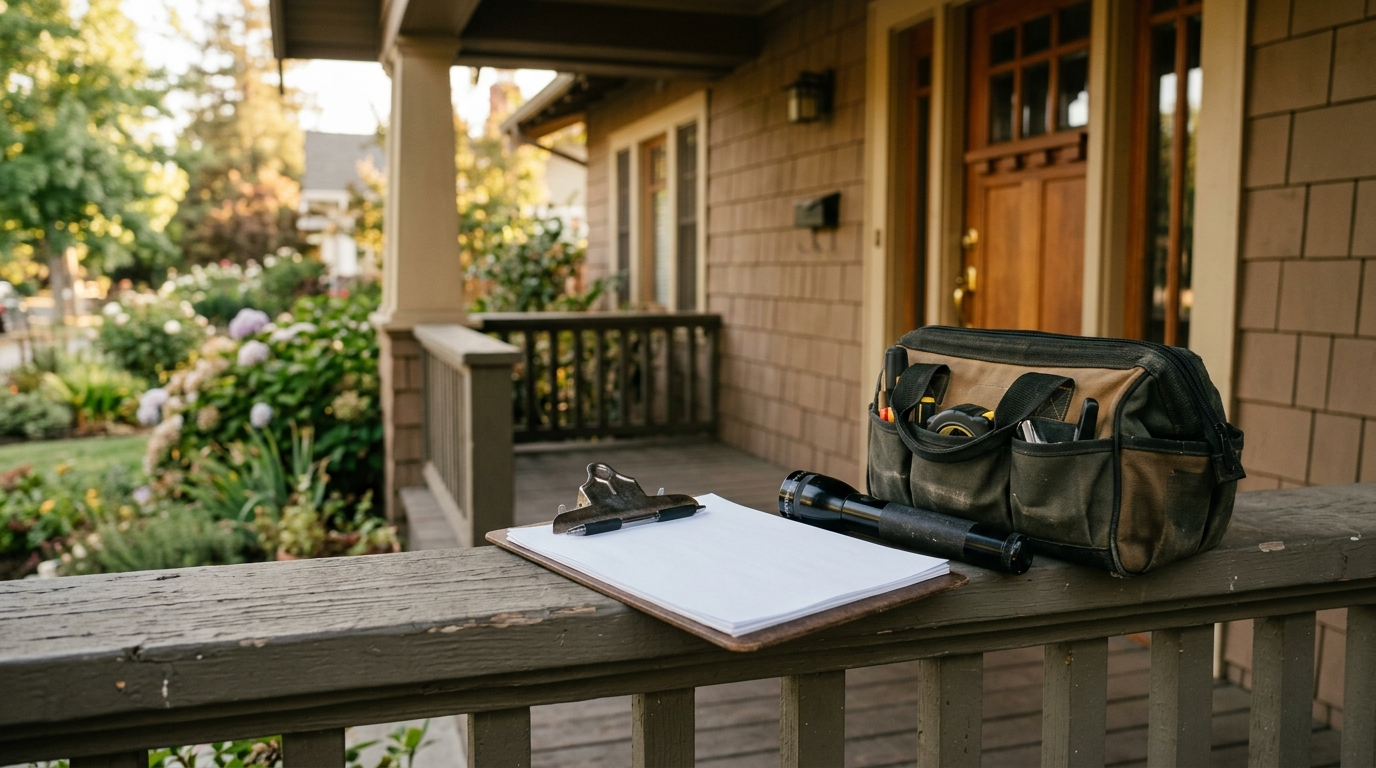
A pre-listing inspection in Lodi is one you order and pay for before listing, giving you control over what repairs to make or disclose ahead of time, while a buyer's inspection happens after you're under contract and is paid for by the buyer to protect their decision to purchase. REALTOR® Jeremiah Patterson recommends sellers understand both before deciding whether a pre-listing inspection makes sense.
TL;DR: Both are general home inspections, the difference is timing, who orders it, and who it protects. A pre-listing inspection helps you avoid surprises and negotiate from strength; a buyer's inspection happens later and can become a negotiating point or even threaten your deal if it uncovers something significant. Many Lodi sellers benefit from a pre-listing inspection specifically to avoid that mid-escrow risk.
What Is a Pre-Listing Inspection?
A pre-listing inspection is a general home inspection you order before your home ever goes on the market. You choose the inspector, you receive the report first, and you decide what to do with the findings, fix it, disclose it, or price around it. It's entirely optional in California, but it gives you information and control at the one point in the process when you have the most of both.
What Is a Buyer's Inspection?
A buyer's inspection happens after you accept an offer, typically during a set inspection period defined in the purchase contract. The buyer selects and pays for their own inspector, and the results are theirs first. If the inspection turns up issues, the buyer can request repairs, ask for a price credit, or in some cases walk away from the deal, depending on the contract's inspection contingency terms.
How Do the Two Actually Compare?
Timing and control
Pre-listing inspections happen on your timeline, before any buyer is involved. Buyer's inspections happen on the buyer's timeline, after you're already under contract and financially and emotionally invested in the deal closing.
Who it protects
A pre-listing inspection protects you as the seller, letting you address or disclose issues on your terms. A buyer's inspection protects the buyer, giving them a chance to walk away or renegotiate if something significant turns up.
Negotiating leverage
Knowing your home's condition in advance, through a pre-listing inspection, lets you price accurately and preempt objections, sometimes even sharing the report with buyers to build confidence. Without one, you're often reacting to whatever the buyer's inspector finds, sometimes mid-negotiation and under time pressure.
Deal risk
A surprise finding during a buyer's inspection, with no advance warning, is one of the more common reasons deals fall apart or get renegotiated at the last minute. A pre-listing inspection reduces that risk considerably.
What Types of Inspections Might Be Involved?
Beyond the general home inspection, either seller-ordered or buyer-ordered, additional specialized inspections sometimes come into play depending on the property: a roof inspection for older roofs, a sewer lateral or septic inspection for certain properties, a pest and wood-destroying organism inspection (common in California transactions), or an HVAC-specific evaluation for older systems. Whether a pre-listing inspection should include any of these specialized add-ons depends on your home's age, systems, and known history, which is worth discussing with your agent before you decide what to order.
How Does the Process Work, Step by Step?
- Decide whether a pre-listing inspection makes sense for your home. Older homes, homes with unknown history, or homes you haven't lived in (like an inherited property) often benefit most.
- Hire a licensed, reputable inspector. Your agent can recommend inspectors experienced with Lodi-area homes.
- Review the findings and decide your approach. Fix what makes sense, disclose what you're not fixing, and price accordingly.
- List with confidence. Buyers, and their inspectors, are less likely to derail a deal over something you've already addressed or disclosed.
- Expect the buyer's inspection anyway. Even with a pre-listing inspection done, buyers will almost always still order their own. That's normal and expected.
- Negotiate from a position of knowledge. Since you already know your home's condition, buyer's inspection findings rarely catch you off guard.
Should You Be Present During Either Inspection?
For a pre-listing inspection, being present is often genuinely useful, you can ask the inspector questions directly, get context on findings in real time, and better understand what's worth addressing versus what's minor. For the buyer's inspection, the norm is different: sellers typically are not present, giving the buyer and their inspector space to move through the home freely and ask candid questions without the seller in the room. Your agent may or may not be present depending on local practice and the specific transaction. If you're an out-of-state or otherwise unavailable seller, neither inspection requires your physical presence, your agent or a trusted local contact can provide access, and you'll review any written findings afterward either way.
Common Mistakes to Avoid
Assuming a pre-listing inspection replaces the buyer's inspection. It doesn't. Buyers will still do their own; a pre-listing inspection just means fewer surprises for you.
Hiding a pre-listing inspection report that reveals issues. In most cases, once you know about a material defect, you have disclosure obligations regardless of whether you address it. Confirm your specific obligations with a real estate attorney.
Skipping a pre-listing inspection on an older or unfamiliar property. These are exactly the homes where advance knowledge matters most, especially for inherited properties you haven't lived in.
Not budgeting time to address findings before listing. If your pre-listing inspection turns up real issues, build in time to fix, price around, or properly disclose them before your listing goes live.
Choosing an inspector based on price alone. A thorough, experienced inspector is worth more than the cheapest option, since the whole point of a pre-listing inspection is catching things a rushed or less experienced inspection might miss.
What This Looks Like in Real Life
One common situation is a seller with an older home near Lodi's historic core who orders a pre-listing inspection, discovers a manageable electrical issue, fixes it before listing, and avoids what could have been a mid-escrow surprise and renegotiation. Another common scenario is a seller confident in their home's condition who skips a pre-listing inspection, and the buyer's inspection comes back clean anyway, no drama, just the standard process playing out as expected. A third common situation involves a seller of an inherited property who never lived in the home and has no personal knowledge of its condition; a pre-listing inspection here provides critical information the seller simply wouldn't otherwise have before listing.
Frequently Asked Questions
Do I have to get a pre-listing inspection before selling my Lodi home?
No, it's optional in California. Many sellers choose to do one anyway because it reduces the chance of surprises during the buyer's inspection period and supports more confident pricing and negotiating.
Does a pre-listing inspection replace the buyer's own inspection?
No. Buyers almost always order their own inspection regardless of whether you've had a pre-listing inspection done. A pre-listing inspection mainly helps you know what to expect and address issues in advance.
Do I have to disclose problems found in a pre-listing inspection?
Generally, yes, once you know about a material defect, you typically have an obligation to disclose it, whether or not you fix it. Confirm your specific disclosure requirements with a real estate attorney.
Who pays for the buyer's inspection?
The buyer typically pays for and orders their own inspection during the inspection period defined in the purchase contract. This is separate from any pre-listing inspection the seller may have ordered.
Is a pre-listing inspection worth the cost?
For many sellers, yes, particularly for older homes, inherited properties, or homes with unknown maintenance history. It reduces the risk of a mid-escrow surprise that could delay or derail your sale. Whether it's worth it for your specific home is worth discussing with your agent.
Should I get specialized inspections beyond the general home inspection?
It depends on your home's age and systems. Roof, sewer lateral, septic, or pest inspections are common add-ons for certain properties. Your agent can help you decide which, if any, make sense for your specific home before you list.
Ready to Decide on a Pre-Listing Inspection for Your Lodi Home?
Concrete first steps: talk with us about whether a pre-listing inspection fits your home's age and history, get a free home evaluation to pair with any inspection findings, and ask for a referral to a trusted local inspector.
Jeremiah Patterson is a REALTOR® and Vice President at Cornerstone Real Estate Group (CA DRE #02017640), with 220+ closed transactions and more than $87 million in San Joaquin County sales since 2016. His listings sell in a median of 13 days, with 55% under contract within 14 days, and he holds a 5.0 rating across 180 verified reviews (RateMyAgent 72, Realtor.com 61, Google 32, Yelp 15). He's a Move-Up Specialist and works with out-of-state, remote, and inherited/estate sellers as well as first-time buyers across Lodi, Stockton, Woodbridge, Acampo, Galt, and San Joaquin County. He was named RateMyAgent County Top 5 for San Joaquin County five consecutive years (2022, 2026) and is a Lifetime Member of the Lodi Association of REALTORS® Masters Club. Reach him at (209) 329-7238 or jeremiah@sellingsanjoaquin.com.
Explore the Lodi real estate hub, review what inspections buyers typically order, and see what to fix before selling in Lodi. When you're ready, reach out to talk through your options.
Jeremiah Patterson Cornerstone Real Estate Group 224 W Pine St, Lodi, CA 95240 Phone (209) 329-7238 Email jeremiah@sellingsanjoaquin.com CA DRE #02017640 · Brokerage DRE #01037761 Practicing since 2016
Categories
Recent Posts








GET MORE INFORMATION