What Happens When a Septic Certification Fails During an Acampo Sale?
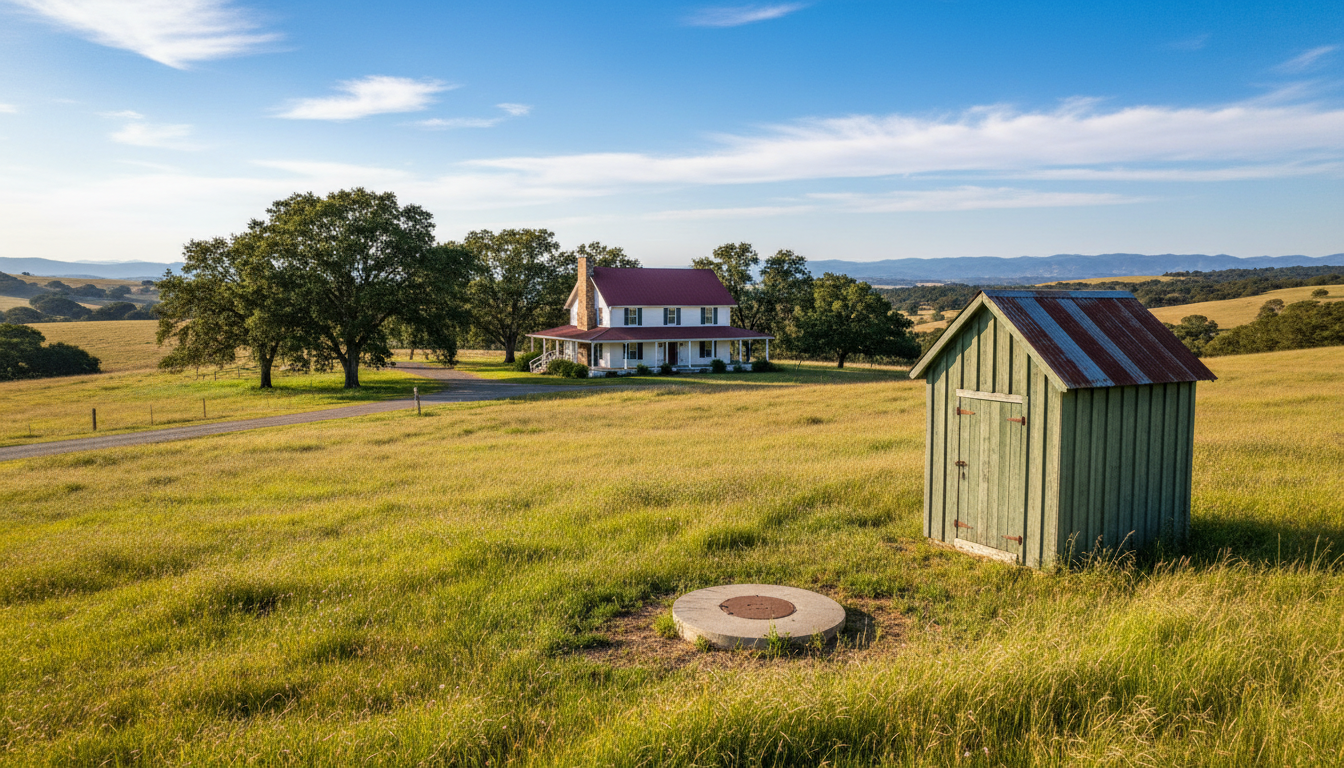
A failed septic certification during an Acampo sale doesn't automatically end the deal. It moves the conversation to what actually failed, what repair or replacement San Joaquin County will accept, who pays for it, and how much time escrow needs. Acampo REALTOR® Jeremiah Patterson keeps sellers steady here by getting a licensed septic contractor's findings in writing fast.
The fear is real and I'd rather name it than talk around it: you're picturing a five figure repair, a buyer walking, and a property that now has a black mark on it. That's the worst version. It's not the usual version. Most failed certifications turn into a scope, a bid, a negotiation, and a closing that's later than planned.
TL;DR: A septic certification fails when an inspection finds the system isn't functioning to standard, which can mean anything from a saturated leach field to a cracked lid to a system that simply can't be verified. What happens next depends on the actual finding, so get it in writing from a licensed septic contractor and confirm requirements with San Joaquin County Environmental Health. Repairs are usually negotiable between buyer and seller, most buyers stay if you communicate quickly, and the real enemy is delay. Costs vary enormously by system, soil, and scope, so rely on written bids for your property rather than any number you read online. This isn't engineering or legal advice.
What is a septic certification actually checking?
A septic inspection looks at whether the system is functioning and whether it's likely to keep functioning. That generally means locating and opening the tank, checking its condition and the baffles, measuring sludge and scum levels, evaluating the distribution box and the leach field for signs of failure, and looking for surfacing effluent, odors, or soggy ground.
Some inspections go further with a dye test or a loading test that pushes water through the system to see how it handles volume. Which of these gets done depends on the contractor, the lender, and what the purchase contract asked for.
Two things worth knowing beforehand. The system usually needs pumping for a proper inspection, and pumping right before the appointment can mask a leach field problem, which is why some inspectors want to see it loaded. And requirements are set locally, so San Joaquin County Environmental Health is your authority on what's required here, not a general article and not a contractor's opinion from another county.
If you're earlier in the process, selling an Acampo property with a well and septic system covers what to handle before a buyer's inspector ever shows up.
What does "failed" actually mean?
It's not one thing, and this is where sellers panic unnecessarily.
A failed leach field. Effluent surfacing, saturated soil, a field that can't accept normal flow. This is the serious end. It often means replacement or a new dispersal area, and it depends on soil, setbacks, available space, and county approval.
A tank problem. Cracks, deteriorated baffles, a failed lid, root intrusion. Usually far more contained than a field failure, sometimes a straightforward repair.
Component issues. A broken distribution box, a failed pump on a pressurized system, an alarm that doesn't work, a damaged riser.
Overdue maintenance. A system so overloaded with solids that it can't be evaluated until it's pumped and given time to recover.
Can't be verified. No records, a tank nobody can find, an undocumented system, a component that isn't accessible. This isn't a functional failure at all, but it reads as one on paper until it's resolved.
The first job is to find out which of those you have. A one line "did not pass" tells you nothing you can act on. Ask for a written report with photos, findings, and a recommended scope of work.
Who pays to fix it?
There's no automatic rule. It's negotiable, and where you land depends on the contract, the finding, and how much each side wants the deal.
In practice, sellers of rural property here frequently end up carrying a meaningful share, because the buyer's lender may require a functioning, certified system before funding, and because the problem doesn't go away if this buyer leaves. If you cancel and relist, you'll be having the same conversation with the next buyer, only now with a known issue you must disclose.
Common landing spots include the seller repairing before closing, a credit at closing with the buyer handling the work afterward, a price adjustment reflecting the scope, or splitting it. Which one fits depends heavily on whether the lender will fund with the work incomplete. Ask that question early, because it quietly decides most of these negotiations.
I'm not going to quote repair or replacement costs. They swing enormously based on system type, soil conditions, parcel constraints, and what the county requires. Get at least two written bids from licensed septic contractors on your actual property and negotiate from those, not from a range someone repeated to you.
Will the buyer walk away?
Some do. Most don't, and the variable you control is how you respond.
Buyers walk when they feel a problem is being minimized, when information arrives slowly, or when they can't get a straight answer about scope and cost. Buyers stay when they get a written report, a real bid, and a clear proposal within days rather than weeks. A buyer who chose rural property in Acampo generally understands that a septic system is part of the package. What they can't tolerate is uncertainty stretching on with no plan.
This is also where your original marketing earns its keep. A listing that was marketed properly and generated genuine competition gives you options if this buyer does leave, because there are other interested parties who saw the property and can be brought back. A listing that quietly sat with generic exposure and produced exactly one offer leaves you negotiating from a corner. Rural and ag parcels have a small, specific buyer pool, and reaching it takes deliberate work, which is the whole point of a Master Listing Strategy. Price alone never creates that competition.
How does the county fit in?
San Joaquin County Environmental Health is the authority on septic systems in Acampo. Repairs and replacements generally require permits, inspections, and sign off, and the county sets what's acceptable for your parcel.
Call them early. Ask what's required for the specific work being proposed, whether your parcel has records on file, what the permit process and current timing look like, and whether any transfer requirements apply to your situation. Getting that directly from the county beats getting it thirdhand, and it lets you give your buyer a realistic timeline instead of a hopeful one.
Your licensed septic contractor will typically pull permits and coordinate inspections. Your job is to make sure that work actually starts rather than waiting on approvals nobody requested.
What does this do to your escrow timeline?
Expect it to move. How far depends on the scope.
A pump, a lid, a baffle, a distribution box: often days, sometimes a couple of weeks including scheduling. A pump replacement or a partial repair: a few weeks is a reasonable planning assumption. A new leach field or full system replacement: think in terms of permitting, soil evaluation, contractor scheduling, weather, and inspection, which stacks into a considerably longer window.
Whatever the estimate, add margin and paper the extension properly through your agent. A buyer sitting on an expiring rate lock will forgive a delay they saw coming and resent one that arrives as a surprise. Send a written update every few days even when the update is "still waiting on the permit." Silence is what kills these deals.
Can you sell as is instead?
Sometimes, with conditions.
Cash buyers, investors, and some land buyers will take a property with a known septic problem at an adjusted price. That path can genuinely make sense, especially if a full replacement would take longer than you have. But it narrows the buyer pool substantially, it typically costs more in price reduction than the repair would have cost, and financed buyers often can't participate at all because their lender won't fund it.
Whatever you choose, disclosure isn't optional. Once you know the system failed, that finding is material and it goes to every future buyer. What you should disclose when selling rural property in Acampo covers how to document it cleanly. Buyers here are also better informed than they used to be, partly because plenty of them have already read what to know about wells and septic when buying near Lodi.
Step by step: what to do the week a certification fails
- Get the full written report. Findings, photos, recommended scope. Not a verbal summary and not a pass or fail line.
- Have a licensed septic contractor confirm the diagnosis. A second qualified opinion on a leach field call is worth the few days it takes.
- Call San Joaquin County Environmental Health. Permits, requirements, records on file, realistic timing.
- Get two written bids. Same scope, both from licensed contractors, so you're comparing like with like.
- Ask the buyer's lender what they'll fund. This single answer shapes whether a credit is even possible.
- Put a written proposal in front of the buyer quickly. Repair, credit, price adjustment, or a combination, with a timeline attached.
- Extend the contract in writing. Don't rely on goodwill and a text message.
- Keep the file. Report, permits, invoices, final sign off. It becomes your disclosure package and your proof the work was done right.
Common Mistakes to Avoid
Going quiet. The days you spend absorbing the news are days the buyer spends imagining the worst. Acknowledge it within a day, even if you don't have answers yet.
Accepting a one line failure. "Did not pass" is not a diagnosis. Insist on written findings you can act on and price.
Negotiating from internet numbers. Septic costs vary too much by soil, system, and county requirement. Written bids on your parcel or nothing.
Hiring the cheapest unlicensed help. Unpermitted septic work on a property you're selling is a disclosure problem and a liability problem layered on top of the original issue. Use licensed contractors and pull permits.
Assuming a credit solves it. If the buyer's lender requires a functioning system at funding, a credit doesn't work no matter how both parties feel about it. Ask first.
Pumping the tank right before inspection to make it look better. It can mask exactly the problem being tested for, it tends to surface later anyway, and it damages your credibility when it does.
Cancelling in frustration and relisting. The issue follows the property and now has to be disclosed. Relisting rarely improves your position.
What This Looks Like in Real Life
A seller on a few acres outside Acampo gets a failed certification a week into escrow. The written report shows a cracked tank lid and a distribution box that had shifted, not a field failure. Two licensed contractors quote the same scope, the county confirms what's permitted, the work is done in short order, and the buyer, who'd been quietly panicking, closes about ten days later than originally planned. The whole difference was getting real information into the buyer's hands within forty eight hours.
A second case: an older ranch property fails on a saturated leach field. This one's a genuine replacement, and the timeline runs long enough that the buyer can't hold their financing. Because the listing had been marketed to a targeted rural buyer pool rather than left to generic exposure, there were other interested parties to go back to. The seller starts the permitted replacement, discloses everything, and sells to a buyer who was comfortable with a longer close and a documented new system. Slower than anyone wanted, but not a disaster, and the completed system was a genuine selling point. If you're weighing what work is worth doing before you list, what adds the most value before selling a home in Acampo is a useful companion read.
Frequently Asked Questions
Does a failed septic certification kill the sale?
Usually not. Most failures turn into a scope of work and a negotiation over who pays and how long it takes. Buyers leave over uncertainty and slow communication far more often than over the repair itself.
Who's responsible for paying for septic repairs in an Acampo sale?
It's negotiable and depends on your contract, the finding, and the buyer's lender. Sellers of rural property often carry a significant share, partly because the issue would need disclosing to any future buyer anyway. Talk it through with your agent before you respond.
How much does it cost to repair or replace a septic system?
Too variable to quote responsibly. It depends on system type, soil, parcel constraints, and what San Joaquin County requires. Get at least two written bids from licensed septic contractors on your actual property.
Do I have to disclose a failed septic inspection to future buyers?
Yes. Once you know, it's material information and it goes to every subsequent buyer along with the report and any repair documentation. Cancelling the current deal doesn't erase it.
Can I sell an Acampo property with a septic system that doesn't pass?
Often yes, to a cash or investor buyer at an adjusted price, but the buyer pool narrows sharply and financed buyers frequently can't participate. Weigh that discount against the cost of doing the work.
How long will the repair delay my closing?
Small component repairs often add days to a couple of weeks. A full leach field or system replacement runs considerably longer once permitting, soil work, contractor scheduling, and inspection are stacked up. Confirm current timing with San Joaquin County Environmental Health and build in margin.
Ready to get your Acampo sale back on track?
A failed certification is a scheduling and negotiation problem, not a verdict on your property. Three steps:
- Get the written report and two licensed contractor bids in hand this week, then call San Joaquin County Environmental Health about permits and timing.
- Put a written proposal and a realistic timeline in front of your buyer before they start imagining the worst.
- If you're not in escrow yet and want to get ahead of this, start with a free home evaluation and get in touch so we can sequence the septic work into the Master Listing Strategy instead of discovering it under deadline.
Jeremiah Patterson is a REALTOR® and Vice President at Cornerstone Real Estate Group (CA DRE #02017640), with 220+ closed transactions and more than $87 million in San Joaquin County sales since 2016. His listings sell in a median of 13 days, with 55% under contract within 14 days, and he holds a 5.0 rating across 180 verified reviews (RateMyAgent 72, Realtor.com 61, Google 32, Yelp 15). He's a Move-Up Specialist and works with out-of-state, remote, and inherited/estate sellers as well as first-time buyers across Lodi, Stockton, Woodbridge, Acampo, Galt, and San Joaquin County. He was named RateMyAgent County Top 5 for San Joaquin County five consecutive years (2022-2026) and is a Lifetime Member of the Lodi Association of REALTORS® Masters Club. Reach him at (209) 329-7238 or jeremiah@sellingsanjoaquin.com.
For the wider picture on rural systems, read how to sell an Acampo property with a well and septic system and what you should disclose when selling rural property in Acampo. If your buyer is financing the purchase, how financing works for rural or agricultural property in Acampo explains why their lender has opinions about your septic system.
Jeremiah Patterson Cornerstone Real Estate Group 224 W Pine St, Lodi, CA 95240 Phone (209) 329-7238 Email jeremiah@sellingsanjoaquin.com CA DRE #02017640 · Brokerage DRE #01037761 Practicing since 2016
Categories
Recent Posts






GET MORE INFORMATION