Small Vineyard and Estate Properties Around Lodi: What Buyers Should Know
If you're eyeing a small vineyard or estate property around Lodi, here's the honest headline: the lifestyle is wonderful, but the homework is bigger than a standard home purchase. Water and wells, septic, rural zoning, access, insurance, and financing all need a closer look before you fall for the view.
Lodi sits in a respected wine region, the Lodi AVA, and the idea of owning a bit of land with vines, privacy, and room to breathe is genuinely appealing. It can also be a fantastic move. But buying acreage isn't the same as buying a house in town, and the buyers who love it most are the ones who did their due diligence up front. This guide walks through what to check, so you go in clear-eyed and confident.
TL;DR: Small vineyard and estate properties around Lodi offer privacy, land, and wine-country living, but they come with extra due diligence. Check water rights and well condition, the septic system, agricultural and rural zoning in San Joaquin County, road access and easements, and insurance considerations for rural and fire risk. Financing can differ too, rural, ag, or jumbo loans have their own rules, so confirm with a licensed lender. Keep every specific verified with the right professionals before you commit.
The Appeal: Why Buyers Want Land Around Lodi
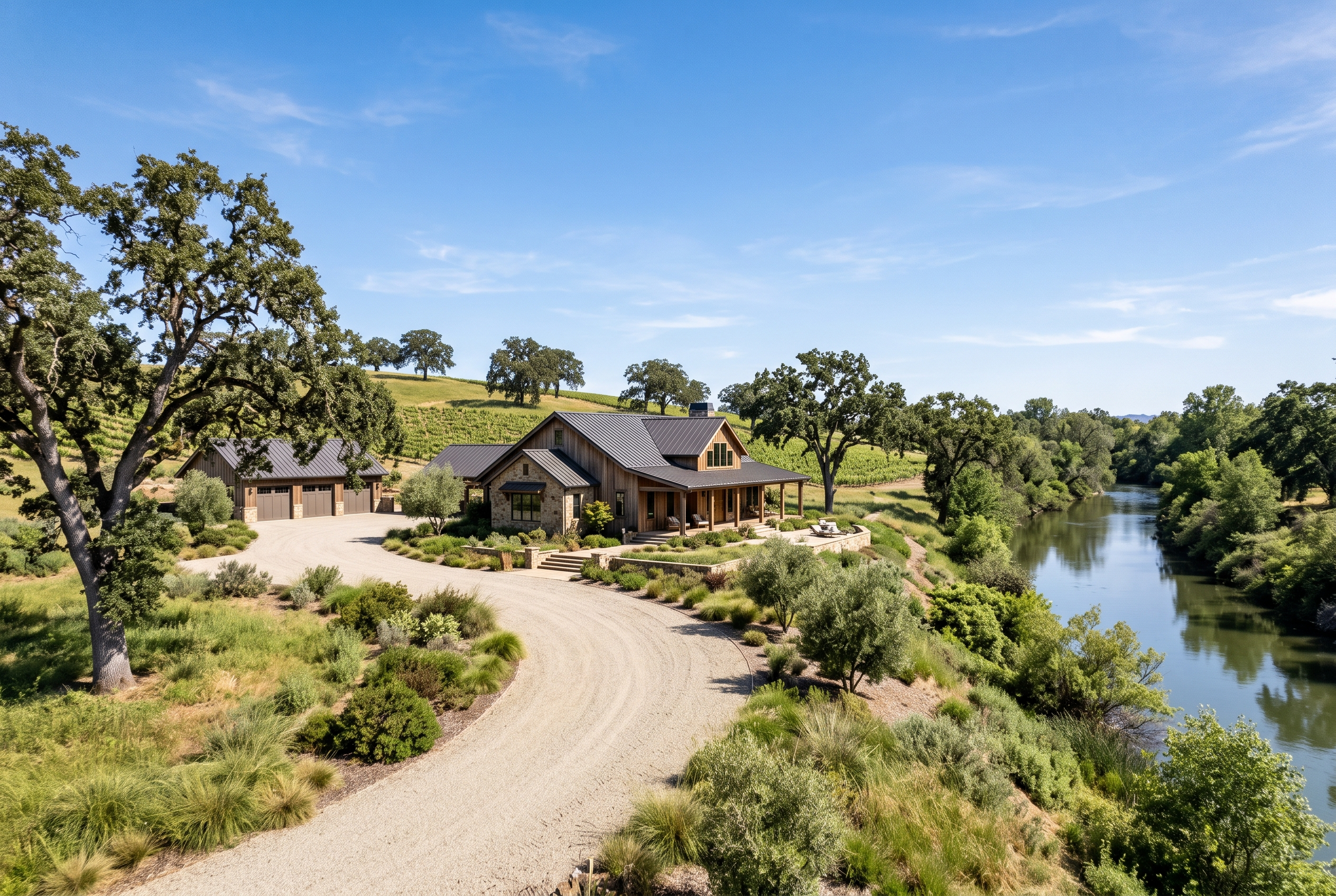
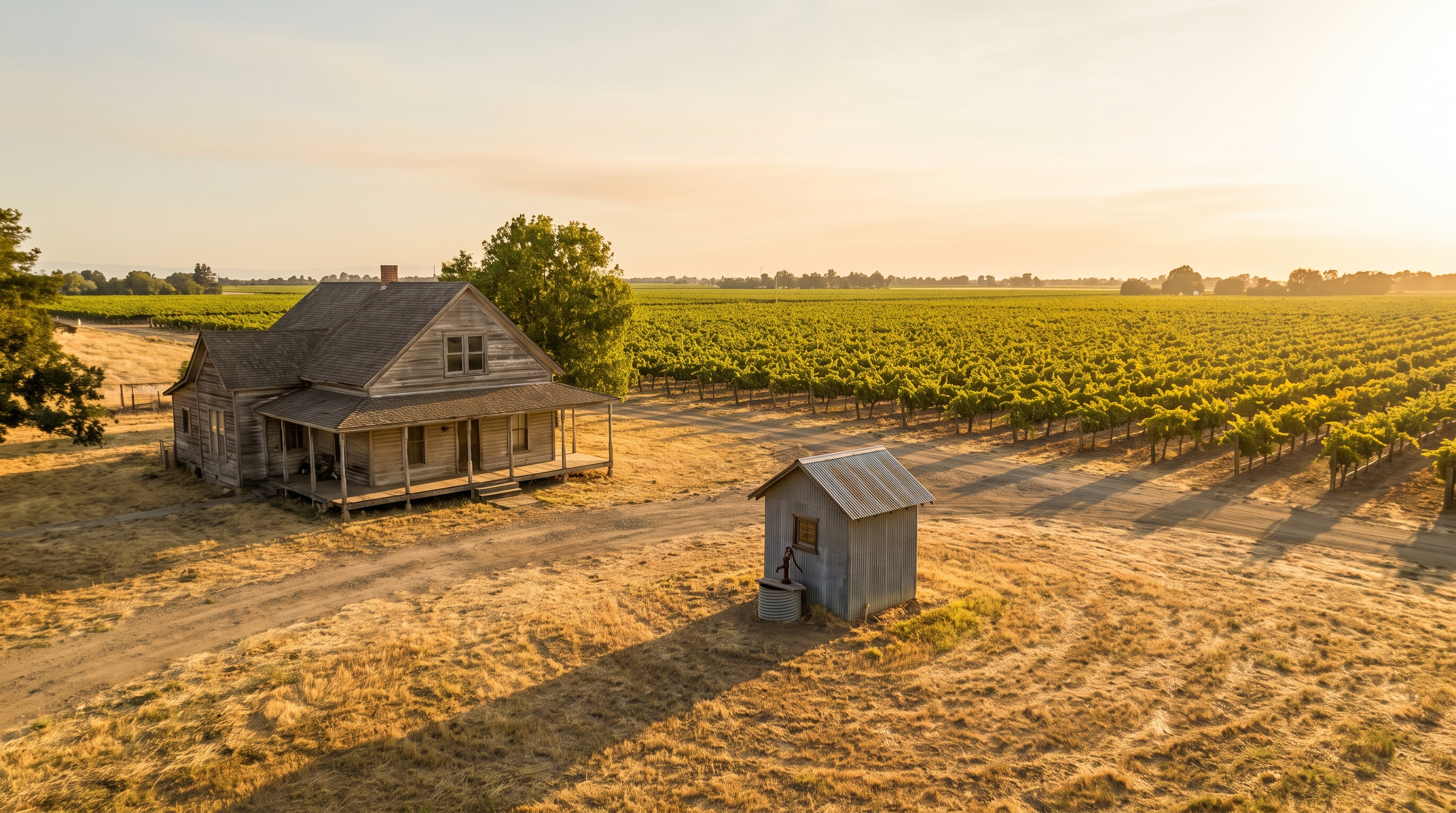
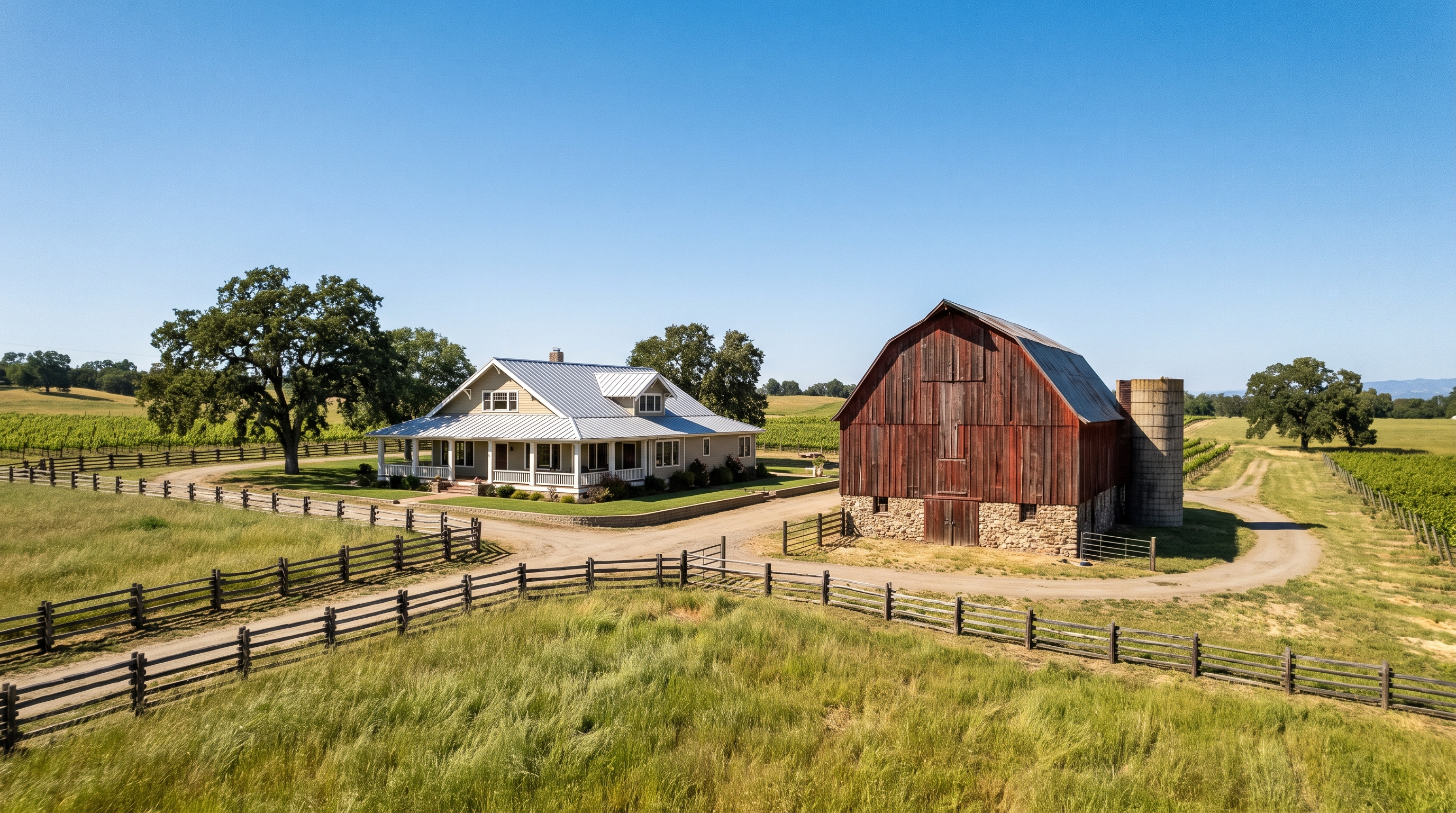
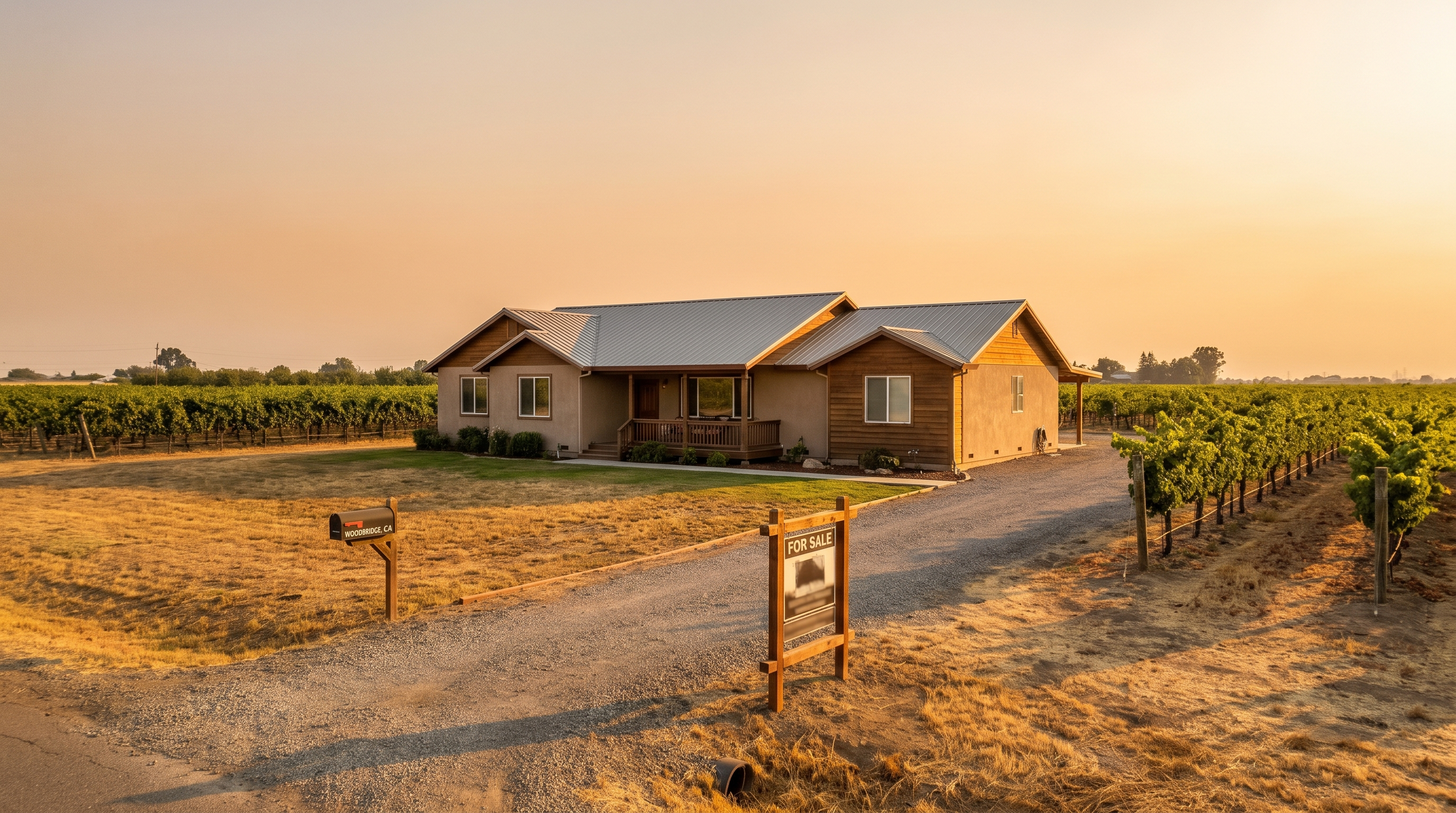
Let's start with why this is so tempting, because the pull is real. Owning a small vineyard or estate near Lodi means space, quiet, and a front-row seat to wine country. You might have room for a few rows of vines, a big garden, animals, a workshop, or just distance from your nearest neighbor. For a lot of people, that's the dream.
There's a lifestyle to it too. Morning coffee looking out over the land, harvest season in the air, and a slower rhythm than town living. If you want a broader sense of the area's upsides and trade-offs, this honest look at the pros and cons of living in Lodi, CA is worth reading first.
The catch is simple: land comes with responsibilities that a city lot doesn't. None of it is scary once you understand it, but you do need to look before you leap. So let's go through the checklist.
Water and Wells: Start Here
On rural property, water is everything, so make it your first question, not your last. Many properties around Lodi rely on a private well rather than city water, and a well's depth, condition, output, and water quality all matter.
Before you buy, you'll want the well inspected and the water tested, and you'll want to understand water rights for the property. Ask how the well has performed over time, especially in dry years. This isn't a place to guess or assume, get it checked by qualified professionals and read the reports carefully.
If there are existing vines, water needs go up, irrigation matters, and how the land is watered can affect both cost and yield. Again, verify the specifics with the right experts rather than taking anyone's word for it.
Septic Systems
Most rural homes aren't on city sewer, they're on a septic system. That's completely normal out here, but it means you'll want the septic inspected and pumped as part of your due diligence, and you'll want to understand its age, condition, and capacity.
A healthy septic system is quietly reliable. A neglected one can be a costly surprise. So build the inspection into your plan, and ask a qualified septic professional what maintenance to expect going forward.
Zoning and Land Use in San Joaquin County
Here's a big one people overlook: what you're actually allowed to do with the land. Rural and agricultural properties around Lodi fall under San Joaquin County zoning, and the rules can affect whether you can plant a commercial vineyard, build an additional structure, keep certain animals, or run a small business from the property.
Don't assume the land can do what you're picturing. Zoning designations, parcel size rules, and permitted uses vary, and they change. Confirm the current zoning and allowed uses directly with San Joaquin County, and if anything is complicated, a licensed attorney or land-use professional can help you understand it.
Property taxes can also work differently on rural and agricultural land, and certain programs may apply in some cases. This overview of property taxes in Lodi and San Joaquin County is a helpful starting point, but confirm your specific situation with a licensed tax pro, since these rules are detailed and change over time.
Access, Roads, and Easements
On acreage, how you get to and around the property matters more than you'd think. Is the access road public or private? If it's private, who maintains it, and is that spelled out? Are there shared driveways or easements that let others cross the land, or that you rely on to reach yours?
These details live in the title and related documents, so review them carefully during escrow. A clear understanding of access and easements up front saves headaches later. If anything looks tangled, ask a licensed title or legal professional to walk you through it.
Insurance and Rural Risk
Insuring a rural or estate property isn't always the same as insuring a home in town. Distance from fire services, wildfire risk in some areas, outbuildings, and the land itself can all affect coverage and cost.
The smart move is to talk to a licensed insurance agent early, before you're deep into a deal, so you understand what coverage will look like and what it'll cost. You don't want insurance to be an afterthought that changes your budget at the last minute. Get a real quote, in writing, from a licensed insurance professional.
Financing a Vineyard or Estate Property
Financing land and estate properties can be different from a standard home loan. Depending on the property, its acreage, and how it's used, you might be looking at a rural loan, an agricultural loan, or a jumbo loan, each with its own rules, down payment expectations, and appraisal quirks.
Bare land, working vineyards, and large parcels can also appraise and finance differently than a typical single-family home. This is not a place for assumptions. Talk to a licensed lender who understands rural and estate properties early on, and confirm your options, terms, and what the property will actually qualify for. Financing terms change, so verify current specifics with the lender directly.
How Buying an Estate Property Usually Works
Here's the general rhythm of a purchase like this, keeping in mind every property is different:
- Get pre-approved with the right lender. Start with a licensed lender experienced in rural or estate financing so you know your budget and loan options up front.
- Tour with land in mind. Look past the house at the well, septic, outbuildings, access, and how the land is used.
- Write an offer with room for due diligence. Build in time and contingencies to inspect the well, septic, and systems, and to confirm zoning.
- Do the deeper inspections. Well, water quality, septic, and any structures, plus a careful title and easement review.
- Confirm zoning, insurance, and financing. Verify allowed uses with the county, get an insurance quote, and lock down loan terms with your lender.
- Close with clarity. Go in understanding exactly what you're buying and what it'll take to maintain.
This measured approach is the whole idea behind the Carefree Home Buying Process, precision beats panic. With land, that patience pays off.
A Quick, Real-World Picture
Picture a couple who falls for a few acres with existing vines. They love the view, but during due diligence they test the well, inspect the septic, confirm the zoning with the county, and get an insurance quote. A couple of items need attention, so they negotiate accordingly and go in knowing exactly what they're taking on. Now picture a buyer who skips those steps and closes fast, then discovers the well underperforms in dry months. Same dream, very different mornings. The difference was homework, not luck.
Common Mistakes When Buying Vineyard and Estate Properties
Skipping the Well and Water Testing
Water is the lifeblood of rural property. Never assume the well is fine, test it, check output, and understand water rights before you commit.
Assuming You Can Do Anything With the Land
Zoning limits what's allowed, from commercial vines to extra structures to animals. Confirm current uses with San Joaquin County before you plan around them.
Overlooking Access and Easements
Private roads and shared driveways come with responsibilities and rights. Review the title and easements carefully so there are no surprises later.
Treating Insurance as an Afterthought
Rural coverage can cost more and vary by location and risk. Get a real quote from a licensed insurance agent early, not at the last minute.
Using the Wrong Loan Assumptions
Rural, agricultural, and jumbo loans have different rules than a standard mortgage. Talk to a licensed lender who knows estate properties before you're under contract.
Falling for the View Before the Facts
The land's beauty is real, but it shouldn't outrun your due diligence. Do the checks first, then enjoy the view with peace of mind.
Frequently Asked Questions
What should I check before buying a vineyard property around Lodi?
Start with water and the well, then septic, zoning and allowed uses, road access and easements, insurance, and financing. Each of these can affect cost and what you're able to do with the land, so verify every specific with the right professionals, well and septic inspectors, the county, a licensed insurance agent, and a licensed lender, before you commit.
Do most rural properties near Lodi have wells and septic?
Many do, rather than city water and sewer. That's normal out here, but it means you'll want the well tested and the septic inspected as part of your due diligence, and you'll want to understand their condition and long-term upkeep. Have qualified professionals check them and read the reports closely.
How does zoning work for agricultural land in San Joaquin County?
Rural and agricultural parcels fall under San Joaquin County zoning, which governs uses like commercial vineyards, additional structures, and animals. The rules vary and change, so confirm current zoning and permitted uses directly with the county, and lean on a licensed attorney or land-use pro for anything complex.
Is financing a vineyard or estate property different?
It often is. Depending on acreage and use, you might need a rural, agricultural, or jumbo loan, each with its own rules and appraisal considerations. Talk to a licensed lender experienced with these properties early, and confirm current terms directly, since financing rules change.
Will property taxes be higher on rural or estate land?
Property taxes on rural and agricultural land can work differently, and certain programs may apply in some cases. This guide to property taxes in Lodi and San Joaquin County is a good starting point, but confirm your specific situation with a licensed tax pro.
Ready to Explore Estate Properties Around Lodi?
If a small vineyard or estate property is your dream, here are three smart first steps:
- Talk to a licensed lender who understands rural, ag, and jumbo financing so you know your real options.
- Book a discovery call to define your must-haves, acreage, vines, privacy, and start a focused search.
- Plan a due-diligence-first approach, well, septic, zoning, access, and insurance, so you buy with confidence.
Jeremiah Patterson is a real estate agent in Lodi and Stockton, California (San Joaquin County) helping buyers navigate vineyard, estate, and acreage properties with clarity and care. With experience since 2016, a 5.0 rating across 180 verified reviews, and Lifetime Member status in the Lodi Association of REALTORS® Masters Club, he knows how to guide a land purchase the right way. He lives in Lodi and serves Lodi, Woodbridge, Acampo, Stockton, and Galt. His wife is an interior designer with a great eye for a property's potential, and his approach comes down to one belief: your dream life is closer than you think, and precision beats panic.
Jeremiah Patterson Cornerstone Real Estate Group 224 W Pine St, Lodi, CA 95240 Phone (209) 329-7238 Email jeremiah@sellingsanjoaquin.com CA DRE #02017640 · Brokerage DRE #01037761 experience since 2016
Categories
Recent Posts

GET MORE INFORMATION