Is Lodi a Safe Place to Live? What Buyers Should Research
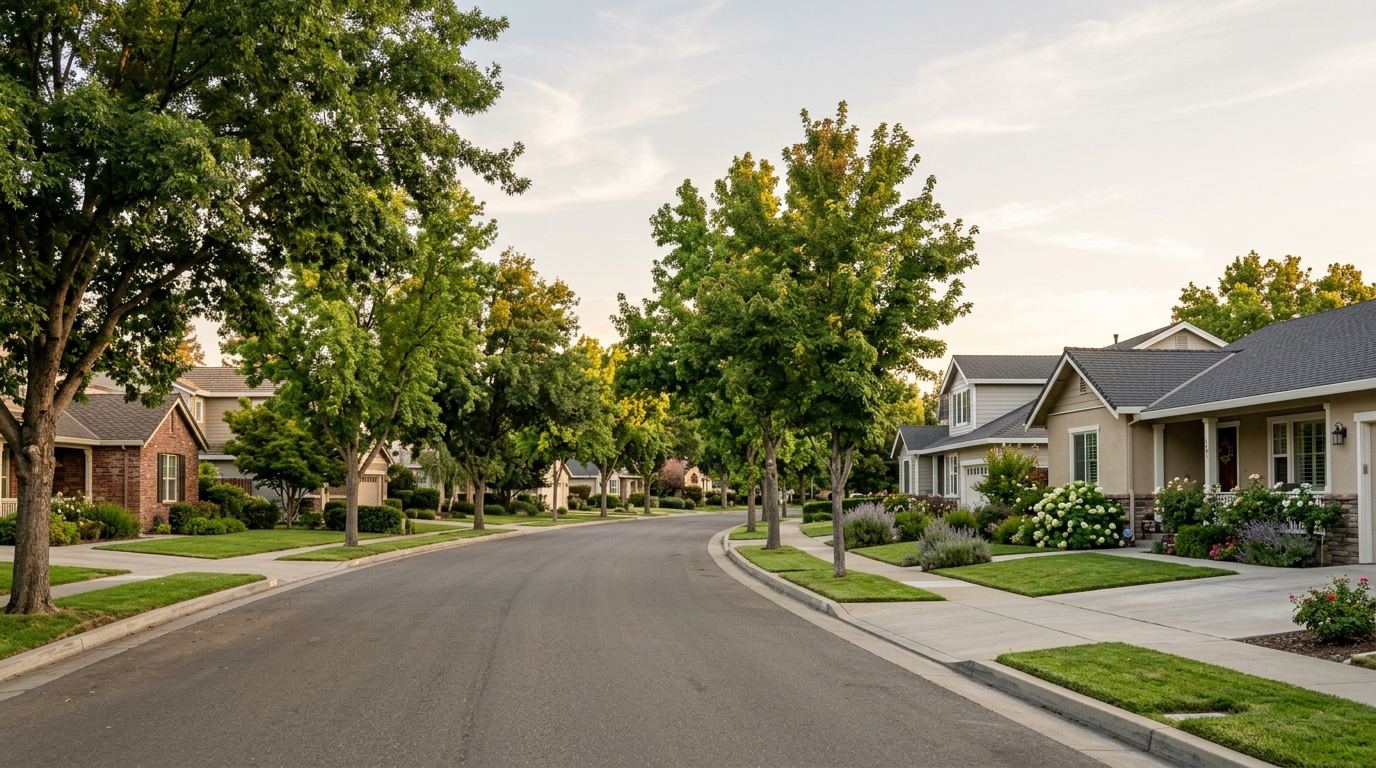
If you're asking whether Lodi is a safe place to live, here's the honest answer: safety is personal and neighborhood-specific, so the best thing I can do isn't hand you a rating, it's show you how to research it responsibly for yourself. This guide walks you through where to find official information, how to get a feel for an area in person, and how a good agent helps you gather facts rather than opinions.
We'll cover public and official data sources, visiting at different times, talking to neighbors, checking with local authorities, and how to pull it all together. I won't be quoting crime statistics or rating neighborhoods here, because those numbers change and deserve to come straight from official sources you can verify yourself.
TL;DR: Instead of relying on someone's opinion, research safety yourself: check official and public crime data, visit neighborhoods at different times and days, talk to people who live there, and contact local authorities like the Lodi Police Department. Your agent can help you find and organize this information, not judge it for you. Always verify current details from official sources, since conditions and data change over time.
Why "Is It Safe?" Doesn't Have a One-Word Answer
It's a completely fair question, and it's one of the most common ones buyers ask. But "is Lodi safe?" is a little like asking "is a city good?" It depends on the specific neighborhood, the specific block, and what matters most to you and your family.
Perceptions also differ from person to person, and they can be shaped by rumor or outdated impressions. That's why the responsible approach is to gather current, official information and to see places for yourself, rather than lean on a single opinion, mine included. My job is to help you find reliable facts so you can make your own confident decision.
How to Research Neighborhood Safety, Step by Step
Here's a practical process you can follow for any neighborhood you're considering, in Lodi (ZIP codes 95240 and 95242), Stockton, or anywhere nearby.
1. Start with official and public data sources
Go to primary sources rather than random websites. The Lodi Police Department and the City of Lodi may publish community information, and some areas offer public crime-mapping tools or reports. County and state resources can also be useful. When you look at any data, note the date and the source, since numbers change over time and older figures may not reflect today.
Read data carefully. Raw counts, rates, and categories can be easy to misread, so look at how a source defines things and over what time period. If something is unclear, that's a good reason to ask the source directly.
2. Visit at different times and days
Numbers only tell part of the story. Spend time in a neighborhood in person, and do it more than once. Visit on a weekday morning, a weekday evening, and a weekend. A street can feel completely different at 10 a.m. than it does at 9 p.m. Notice how the area feels to you, how well-kept homes and common areas are, and whether it matches the lifestyle you want.
3. Talk to people who live there
Neighbors are a goldmine. If you can, chat with a few people who actually live in the area. Ask open questions: What do you like about living here? What would you want a newcomer to know? People are usually happy to share, and you'll get a grounded, real-life perspective you can't get from a screen.
4. Contact local authorities
If you have specific questions, reach out to local authorities directly. The Lodi Police Department, for example, may be able to point you to community resources or answer general questions about how to access public information. Going straight to the source beats secondhand impressions.
5. Consider your own priorities
Safety means different things to different people. For some it's traffic and walkability with young kids; for others it's peace and quiet, lighting, or proximity to services. Make your own list of what matters, then evaluate each area against it. This keeps your research grounded in your life rather than a generic score.
6. Pull it together and revisit
Gather what you've found from data, visits, and conversations, and look at the whole picture. If a place still feels right after all that, wonderful. If something nags at you, dig a little more. Take your time; this is a big decision and you're allowed to be thorough.
How an Agent Helps (Facts, Not Opinions)
A good agent's role here is to help you gather and organize information, not to hand you a verdict on whether a neighborhood is "good" or "bad." In fact, there are fair-housing reasons agents avoid steering buyers toward or away from areas based on subjective safety claims. What I can do is point you to official sources, help you set up visits, connect the dots on the practical details of a home and neighborhood, and make sure you're the one making an informed choice.
If you're getting to know specific parts of town, neighborhood guides can help you understand the character and layout of an area as you do your own homework. For example, here's a look at what it's like to live in West Lodi (95242), and a broader read on the pros and cons of living in Lodi. These give you context, not safety ratings, so pair them with your own research.
Getting a feel for the community's daily life helps too. Spending time in areas like downtown Lodi and School Street lets you experience the vibe firsthand, which is exactly the kind of in-person impression that complements official data.
Common Mistakes to Avoid
Relying on a single online "safety score"
One website's rating is not the full story. Methods vary and data can be dated. Use official sources and your own visits, and treat any single score with caution.
Visiting only once, at one time of day
A single daytime drive-by tells you very little. Go back at different times and days to get an honest feel for an area.
Trusting rumors over facts
Secondhand impressions can be outdated or exaggerated. Verify things with official sources and firsthand experience before you draw conclusions.
Not defining what safety means to you
Without your own priorities, it's easy to get lost in generic data. Decide what matters most to your household first, then research against it.
Asking your agent for a verdict instead of sources
Agents help you find facts, not rate neighborhoods. Ask for the sources and tools to research, then make the call yourself.
Skipping the official channels
If you have a specific concern, contact local authorities like the Lodi Police Department. Going straight to the source beats guessing.
A Couple of Real-World Scenarios
Imagine a family relocating from out of state. They can't easily visit often, so they start with official and public data, then plan one focused trip where they walk a few candidate neighborhoods on both a weekday evening and a weekend morning. They chat with a couple of neighbors and jot down impressions. By the end, they feel confident because their decision rests on their own research, not someone's opinion.
Now picture a local buyer moving across town. They already know the area a bit, but they still check current public information, revisit their top neighborhood at different times, and confirm a few questions with local authorities. The extra diligence turns a hunch into an informed, comfortable choice.
Frequently Asked Questions
Is Lodi a safe place to live?
Safety depends on the specific neighborhood and on what matters to you, so it's best to research it yourself rather than rely on a rating. Check official and public data, visit at different times, talk to neighbors, and contact local authorities. Verify current details from official sources.
Where can I find official crime data for Lodi?
Start with primary sources like the Lodi Police Department and the City of Lodi, plus any public crime-mapping tools or county and state resources they point you to. Always note the date and source, since data changes over time.
How do I get a real feel for a neighborhood?
Visit in person more than once, at different times and days, and talk to people who live there. Notice how the area feels and whether it fits your lifestyle. In-person impressions complement official data.
Can my real estate agent tell me if a neighborhood is safe?
Agents help you find and organize information rather than give a subjective safety verdict, partly for fair-housing reasons. Ask your agent to point you to official sources and help you research so you can decide for yourself.
What ZIP codes cover Lodi?
Lodi, California is served by ZIP codes 95240 and 95242. When researching, you can look up information by ZIP code or by specific neighborhood, and confirm boundaries and details with official sources.
Ready to Research Lodi Neighborhoods With Confidence?
If you want to make an informed, comfortable decision, here are a few first steps:
- List what safety and lifestyle mean specifically for your household.
- Pull current information from official sources and plan visits at different times.
- Reach out and I'll help you find the right sources and organize what you learn.
Jeremiah Patterson is a Lodi and Stockton REALTOR® practicing since 2016, with a 5.0 rating across verified client reviews. (209) 329-7238 · jeremiah@sellingsanjoaquin.com
Jeremiah Patterson Cornerstone Real Estate Group 224 W Pine St, Lodi, CA 95240 Phone (209) 329-7238 Email jeremiah@sellingsanjoaquin.com CA DRE #02017640 · Brokerage DRE #01037761 Practicing since 2016
Categories
Recent Posts





GET MORE INFORMATION