Does an ADU Add Value When You Sell a Lodi Home?
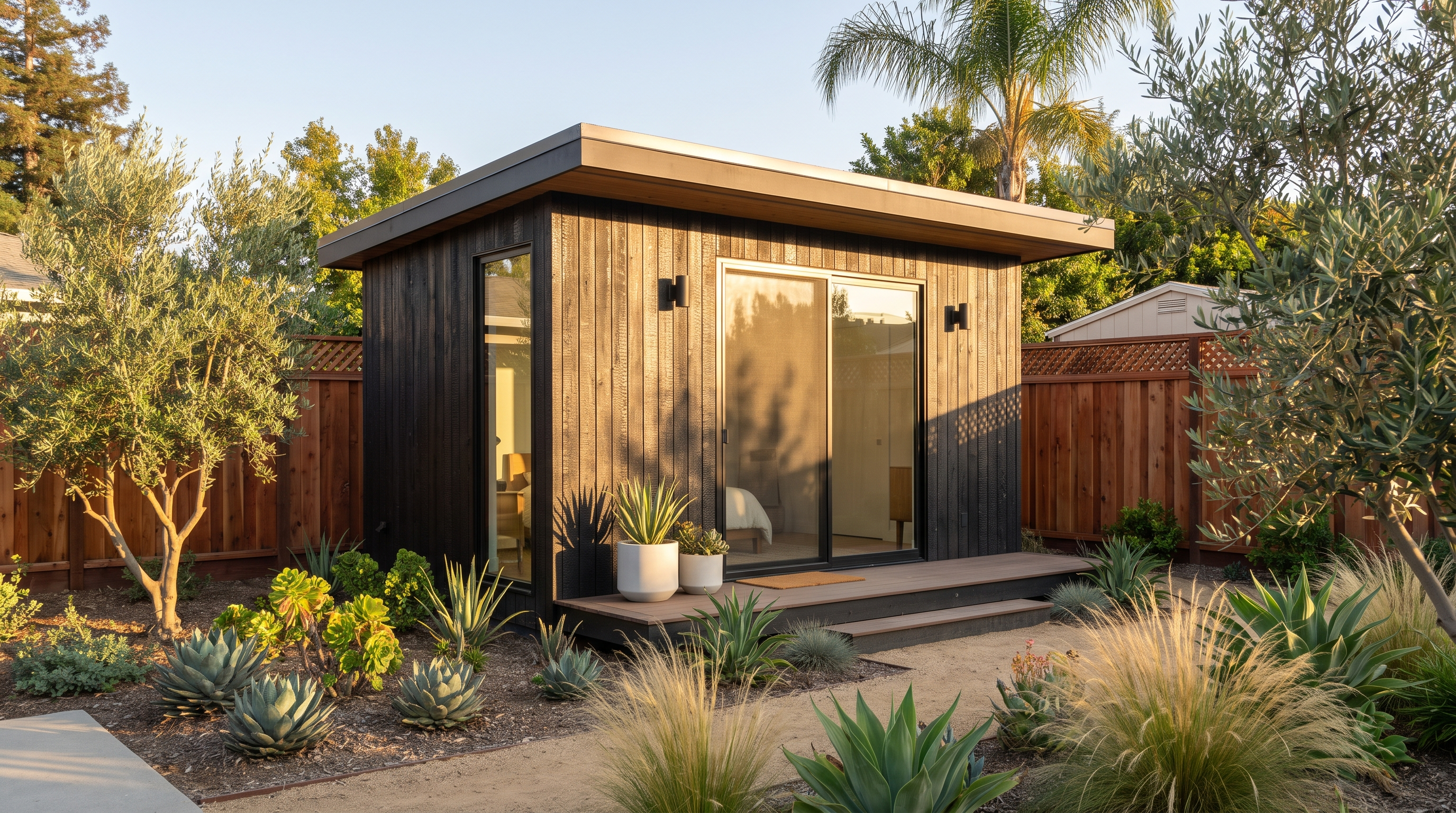
Yes, an ADU can add value when you sell a Lodi home, but how much depends on whether it is permitted, how well it is built, and how the market values the extra space. Jeremiah Patterson tells Lodi, CA sellers the biggest driver is permits: a legal, well-finished accessory dwelling unit adds real value, while an unpermitted one can create as much hesitation as upside.
TL;DR: A permitted, quality ADU usually adds value to a Lodi home by expanding usable, income-capable space. An unpermitted or rough conversion adds much less and can complicate financing and disclosure. Permits, condition, and how the space is marketed decide how much of that value you actually capture.
What Counts as an ADU in Lodi
An ADU, or accessory dwelling unit, is a second, smaller living space on the same lot as the main home. In Lodi it might be a detached backyard cottage, a converted garage, or an attached in-law suite with its own entrance, kitchen, and bath. The city and state have made ADUs easier to build in recent years, and you will see them across Lodi neighborhoods from older east-side lots near Downtown to newer tracts off Lower Sacramento Road. Rules on size, setbacks, and parking change over time, so confirm the current standards with the City of Lodi planning department before you rely on any specific detail.
The key distinction for value is simple: is it permitted or not? A unit built and finalized with permits is a documented, legal living space. A garage someone quietly turned into a rental is not, and buyers, lenders, and appraisers treat the two very differently.
How a Permitted ADU Adds Value
A legal ADU adds value in a few concrete ways:
- Extra square footage of finished, livable space, which supports a higher price.
- Rental income potential, which appeals to investors and to buyers who want help with the mortgage.
- Flexibility for multigenerational living, a home office, or a guest space, which widens your buyer pool.
Appraisers may value a permitted ADU through comparable sales of homes with similar units, and in some cases by considering the potential rental income. The cleaner your permits and documentation, the easier it is for an appraiser to credit the space. That is also why keeping records matters, and why it fits naturally with a broader plan for what to fix and document before selling a Lodi home.
Why an Unpermitted ADU Adds Less
An unpermitted unit can still be a selling feature, but it carries friction. Some lenders will not count unpermitted space toward value, appraisers may give it little or no credit, and buyers may worry about future costs to bring it up to code. You also have to disclose it. In California you are required to share what you know about additions and their permit status, so hiding it is not an option and trying to only invites trouble later.
You generally have three paths with an unpermitted ADU: sell it as is with full disclosure and let the market price the uncertainty, pursue permits before listing if that is realistic, or market it as flexible bonus space rather than a legal second unit. Which one is smart depends on your timeline and the specific unit, and it is worth weighing the same way you would weigh whether to sell a Lodi home as is or make repairs first.
Marketing the ADU So It Actually Pays Off
Marketing creates demand; the space alone does not. An ADU only adds the value the market is willing to pay, and that depends on how well the story is told. Photograph and describe the unit clearly, name its best use (rental, in-law suite, office, guest quarters), and target the buyers who want it. A home with room for an ADU or guest house is a strong draw for the right buyer, so the listing should speak directly to that person rather than bury the unit in a caption. When the flexible space is marketed to the buyer who values it most, more of its value shows up in the final price.
Common Mistakes With an ADU When Selling
- Assuming any ADU adds full value. Permitted and unpermitted units are valued very differently by lenders and appraisers.
- Failing to disclose an unpermitted conversion. California requires it, and hiding it creates legal and deal risk.
- Skipping documentation. Missing permits and records make it hard for an appraiser to credit the space.
- Marketing the unit as an afterthought. If the ADU is a real asset, it deserves its own photos and a clear description.
- Over-improving a rough conversion right before listing instead of weighing permits or an as-is sale.
- Guessing at current city rules. Lodi's ADU standards change, so verify with the City of Lodi before you rely on specifics.
Real-World Scenarios
Scenario one: A Lodi seller near Downtown had a permitted detached cottage with full documentation. Because the paperwork was clean, the appraiser could credit the space, and the home drew both an investor and a family who wanted room for aging parents, which strengthened the seller's position.
Scenario two: Another seller had converted a garage without permits. Rather than rush permits, they disclosed the conversion fully and marketed it as flexible bonus space. The right buyer valued the extra room, and honest presentation kept the deal clean through escrow.
Frequently Asked Questions
Does an ADU always add value to a Lodi home? Not always the same amount. A permitted, well-built ADU usually adds meaningful value through extra livable space and rental potential. An unpermitted or rough unit adds less and can complicate financing, so the permit status matters a great deal.
Do I have to disclose an unpermitted ADU when selling? Yes. California requires you to disclose known additions and their permit status. Trying to hide an unpermitted unit creates legal exposure and can unravel the sale, so full, honest disclosure is the right path.
How do appraisers value an ADU? Often through comparable sales of homes with similar permitted units, and sometimes by considering potential rental income. Clean permits and documentation make it much easier for an appraiser to credit the space.
Should I get permits before selling? Sometimes. If permitting is realistic in your timeline, it can unlock more value and smoother financing. If not, disclosing fully and marketing the space as flexible bonus room is a reasonable alternative. It depends on the unit and your schedule.
Who buys homes with an ADU in Lodi? Investors, multigenerational families, buyers who want rental help with the mortgage, and people needing a home office or guest space. Marketing the unit to the buyer who values it most is how you capture its value.
Ready to Get Full Value for Your Lodi Home and Its ADU?
If your Lodi home has an ADU and you want it to add to your price, start here:
- Confirm the unit's permit status and gather every record you have.
- Get a current read on what your home is worth with the ADU included.
- Build a listing that markets the space to the buyer who values it most.
Jeremiah Patterson is a real estate agent in Lodi and Stockton, California (San Joaquin County) who helps Lodi sellers position homes with ADUs, guest houses, and flexible space for top dollar. Start with a clear answer on what your home is worth in today's market, prioritize your prep with a plan for what to fix before selling, and see how buyers value a Lodi home with room for an ADU or guest house so you can market yours the same way.
About Jeremiah Patterson
Jeremiah Patterson is a REALTOR and Vice President at Cornerstone Real Estate Group (CA DRE #02017640), with 220+ closed transactions and more than $87 million in San Joaquin County sales since 2016. His listings sell in a median of 13 days, with 55% under contract within 14 days, and he holds a 5.0 rating across 180 verified reviews (RateMyAgent 72, Realtor.com 61, Google 32, Yelp 15). He's a Move-Up Specialist and works with out-of-state, remote, and inherited/estate sellers as well as first-time buyers across Lodi, Stockton, Woodbridge, Acampo, Galt, and San Joaquin County. He was named RateMyAgent County Top 5 for San Joaquin County five consecutive years (2022-2026) and is a Lifetime Member of the Lodi Association of REALTORS Masters Club. Reach him at (209) 329-7238 or jeremiah@sellingsanjoaquin.com.
Jeremiah Patterson Cornerstone Real Estate Group 224 W Pine St, Lodi, CA 95240 Phone (209) 329-7238 Email jeremiah@sellingsanjoaquin.com CA DRE #02017640 · Brokerage DRE #01037761 Practicing since 2016
Categories
Recent Posts




GET MORE INFORMATION