Buying a Home in Lodi With Room for an ADU or Guest House
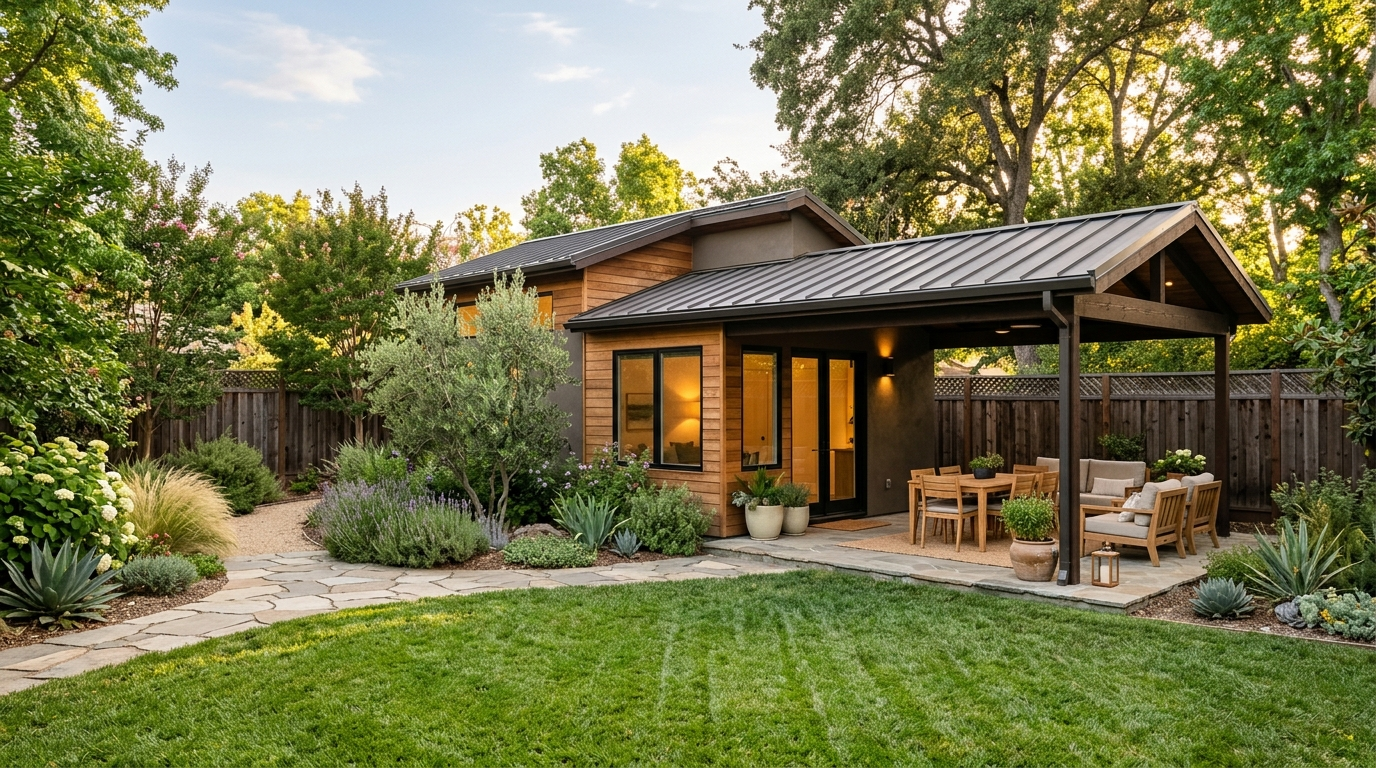
If you're buying a home in Lodi with room for an ADU or guest house, the smart move is to focus on lot size, existing structures, and access, and to verify the rules before you count on anything. An accessory dwelling unit (ADU) can be a great fit for rental income or multigenerational living, but what's allowed depends on the specific property and current regulations, which you should confirm with the City of Lodi or San Joaquin County.
This guide covers what makes a lot ADU-friendly, how existing structures can help or complicate things, and the honest reality that permit and zoning rules vary. Nothing here is legal or permitting advice, so always verify with the right authorities and licensed professionals.
TL;DR: Buyers wanting an ADU or guest house in Lodi should look for a larger lot, good access, and existing structures that might convert. But whether you can actually build or convert depends on zoning, setbacks, utilities, and current rules, which change over time and differ by property. Before you buy with an ADU in mind, verify feasibility with the City of Lodi or San Joaquin County and talk to licensed professionals. Don't assume; confirm.
Why buyers want an ADU or guest house
There are two big reasons buyers look for ADU potential in Lodi. The first is rental income. A separate unit can help offset a mortgage, though rules around renting an ADU vary, so confirm what's allowed. The second is multigenerational living. A guest house or ADU can give aging parents, adult kids, or extended family their own space while staying close.
Both goals are completely reasonable, and Lodi's mix of older homes on larger lots and newer builds means there are properties worth exploring. The key is knowing what to look for and, just as important, what to verify.
What to look for in an ADU-friendly property
You can't tell for certain whether a property supports an ADU just by looking, but a few features make it more promising. Use these as a starting point, then verify.
Lot size and shape
A larger lot generally gives you more room to work with, both for the structure itself and for required setbacks and access. Older Lodi neighborhoods sometimes have deeper lots, while some newer subdivisions have smaller yards. Lot shape matters too; a long, usable backyard is often easier to work with than a tight or oddly shaped one.
Existing structures
Sometimes the easiest path to a second unit is converting something that's already there, like a detached garage or an older outbuilding. A conversion can be simpler than building from scratch, but not always, and it still needs proper permits. Have a professional assess whether an existing structure is a realistic candidate.
Access and utilities
A workable ADU usually needs reasonable access, plus a way to connect to water, sewer, and power. Properties where utilities are nearby and access is straightforward tend to be more feasible. This is another area to confirm with the appropriate professionals.
Parking and layout
Depending on the rules in effect, parking can be part of the equation. How the existing home sits on the lot also affects where a second unit could go. An agent and the relevant city or county staff can help you think this through.
The most important part: verify the rules
Here's the honest truth about ADUs. The rules around them, at the state, county, and city level, have changed over the years and can keep changing. What was allowed for a neighbor a few years ago may be different today, and what applies to one property may not apply to another.
So please don't treat any listing's claim of "ADU potential" as a guarantee. Before you buy a home counting on adding an ADU or guest house, verify the current rules and the specific property's feasibility with the City of Lodi (for homes inside city limits) or San Joaquin County (for unincorporated areas). Confirm zoning, setbacks, size limits, parking, utility connections, and any permitting requirements. It's also wise to loop in a licensed contractor, architect, or land-use professional early.
This isn't meant to discourage you. It's meant to protect you. Buyers who verify first avoid expensive surprises and disappointment. Precision beats panic, especially here.
How to approach an ADU purchase: step by step
- Get pre-approved. Talk to a licensed lender so you understand your budget, including any construction or renovation financing you might need.
- Define your goal. Rental income and multigenerational living can point to different layouts and priorities. Know which one you're after.
- Screen properties for potential. Look for larger lots, useful existing structures, and good access, then shortlist the ones worth a closer look.
- Verify feasibility before you commit. For any property you're serious about, confirm current rules and feasibility with the City of Lodi or San Joaquin County and the right licensed professionals.
- Budget realistically. Construction, permits, and utility work add up. Get real estimates rather than guessing.
Handled this way, an ADU search stays exciting instead of stressful. If you're also weighing new versus existing homes for this kind of project, our comparison of new construction versus resale homes in Lodi is worth a look.
Common Mistakes
Assuming "ADU potential" means approved
A listing can suggest potential, but only the proper authorities can tell you what's actually allowed. Verify before you rely on it.
Underestimating the cost to build or convert
Even a garage conversion involves permits, labor, and utility work. Get real estimates so your budget matches reality.
Skipping the utility and access check
Water, sewer, power, and access can make or break an ADU project. Confirm these early with professionals before you fall in love with a plan.
Forgetting that rules change
ADU regulations have shifted over the years. Don't rely on what a neighbor did a while ago; confirm the current rules for your specific property.
Overlooking how an ADU affects financing and taxes
A second unit can touch your financing, insurance, and property assessment. Confirm these with a licensed lender and tax professional rather than guessing.
Not involving an agent early
An experienced local agent can help you spot promising properties and steer you toward the right people to verify feasibility, saving you time and headaches.
What this looks like in real life
Imagine a family that wants space for grandparents nearby but not under the same roof. They focus their search on larger lots and find a home with a detached garage that might convert. Before making an offer, they confirm feasibility with the appropriate authorities and get a contractor's estimate. Because they verified first, they move forward with a clear plan instead of a hopeful guess.
Now picture a buyer hoping to add a rental unit for extra income. After checking current rules and utility access on a promising property, they learn the project is more involved than expected. That knowledge lets them adjust their budget and timeline before committing, rather than after. In both cases, verifying up front made all the difference.
Frequently Asked Questions
Can I build an ADU on any Lodi property?
Not necessarily. Whether an ADU is allowed depends on zoning, lot size, setbacks, utilities, and current rules. Verify feasibility for a specific property with the City of Lodi or San Joaquin County before you count on it.
Is it cheaper to convert a garage than to build new?
Often, but not always. A conversion can save on some costs, but it still requires permits and may involve utility and structural work. Get a professional estimate for the specific structure.
Can I rent out an ADU in Lodi?
Rules around renting ADUs vary and can change. Confirm what's currently allowed with the City of Lodi or San Joaquin County, and check any financing or tax implications with the right professionals.
How do ADU rules differ inside city limits versus unincorporated areas?
Homes inside Lodi city limits generally fall under City of Lodi rules, while unincorporated areas fall under San Joaquin County. Confirm which applies to a specific property and check current requirements with that authority.
Will adding an ADU raise my property taxes?
New construction or improvements can affect a property's assessment, but the specifics depend on current rules. Confirm any tax questions with a licensed tax professional or the county assessor.
How do I know if a lot is big enough for an ADU?
Lot size is only one factor; setbacks, access, and utilities matter too. A larger, usable lot is a good starting point, but only the appropriate authorities and licensed professionals can confirm feasibility.
Ready to find a Lodi home with ADU potential?
If an ADU or guest house is part of your plan, here are three simple first steps:
- Get pre-approved with a licensed lender so you know your budget, including any renovation or construction financing.
- Make a short list of must-haves, like lot size, existing structures, and access, so we can target the right properties.
- Reach out to start your search, and we'll help you line up the verifications you need with the City of Lodi or San Joaquin County.
Your dream setup, whether it's income or room for family, is closer than you think when you approach it with a clear, careful plan.
Jeremiah Patterson is a REALTOR® and Vice President at Cornerstone Real Estate Group in Lodi, California (CA DRE #02017640). Practicing since 2016, he is a Move-Up Specialist and out-of-state/remote seller specialist serving Lodi, Stockton, Woodbridge, Acampo, Galt, and San Joaquin County. He holds a 5.0 rating across verified client reviews, was named RateMyAgent County Top 5 for San Joaquin County five consecutive years (2022, 2026), and is a Lifetime Member of the Lodi Association of REALTORS® Masters Club. Reach him at (209) 329-7238 or jeremiah@sellingsanjoaquin.com.
Jeremiah Patterson Cornerstone Real Estate Group 224 W Pine St, Lodi, CA 95240 Phone (209) 329-7238 Email jeremiah@sellingsanjoaquin.com CA DRE #02017640 · Brokerage DRE #01037761 Practicing since 2016
Categories
Recent Posts




GET MORE INFORMATION