Woodbridge vs. West Lodi: Which Fits You Better?
If you are weighing Woodbridge against West Lodi, you are really choosing between two different versions of the same area. They sit only a few minutes apart, both put you in Lodi wine country, and buyers often tour homes in both on the same afternoon. But they are not interchangeable, and the differences show up in your daily life more than in the listing photos.
Here is the short version. Woodbridge suits buyers who want space, quiet, and a rural or semi-rural setting, and who are willing to take on well and septic and a few extra minutes of driving. West Lodi suits buyers who want a conventional neighborhood home on city services, with schools, shopping, and freeway access close by. Neither is better. They are built for different lives.
What Woodbridge actually is
Woodbridge is a small unincorporated community in San Joaquin County, just northwest of Lodi, sitting along the Mokelumne River. Unincorporated matters more than people expect. It means county rules rather than city rules govern zoning, permits, and land use, and it means services can differ property to property rather than being uniform across the neighborhood.
It is genuinely small. The Census Bureau puts the population around 4,140 (U.S. Census Bureau, ACS 2024). That scale is the point for most people who choose it. You get open space, larger parcels in many spots, vineyards nearby, and a pace that feels a long way from a subdivision even though Lodi is minutes away.
The trade is that you take on more responsibility as an owner. Many Woodbridge properties run on a private well and a septic system rather than city water and sewer, and those need inspection before you buy and upkeep after. That is not a reason to avoid the area. It is a reason to budget and inspect properly, and it is covered in more detail in my guide to rural and semi-rural properties around Woodbridge.
What West Lodi actually is
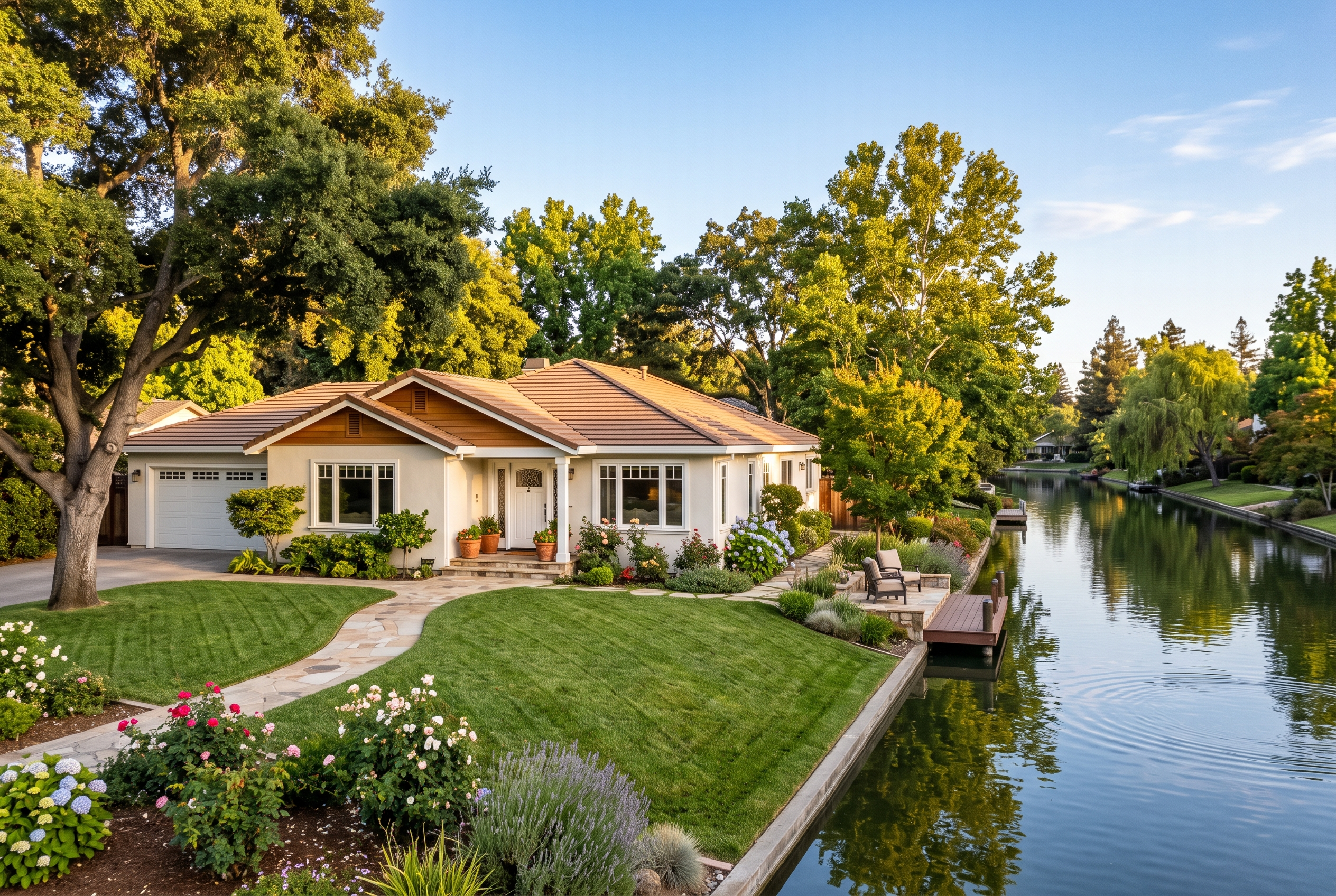
West Lodi is inside Lodi city limits, largely in ZIP 95242, and it is the more conventional of the two. Homes are mostly in established subdivisions, on city water and sewer, with the ordinary city services that come with that: municipal utilities, city permitting, and street maintenance handled for you.
For a lot of buyers, that predictability is worth real money. You are not budgeting for a well pump or a septic pump-out. You are not driving fifteen minutes for a gallon of milk. Shopping, schools, and Highway 99 are close, and the housing stock is easier to compare apples to apples because so much of it was built to similar standards in similar eras.
If you want a fuller picture of that side of town, I have written separately about what it is like to live in West Lodi.
Lot size and home style
This is where the two diverge most sharply.
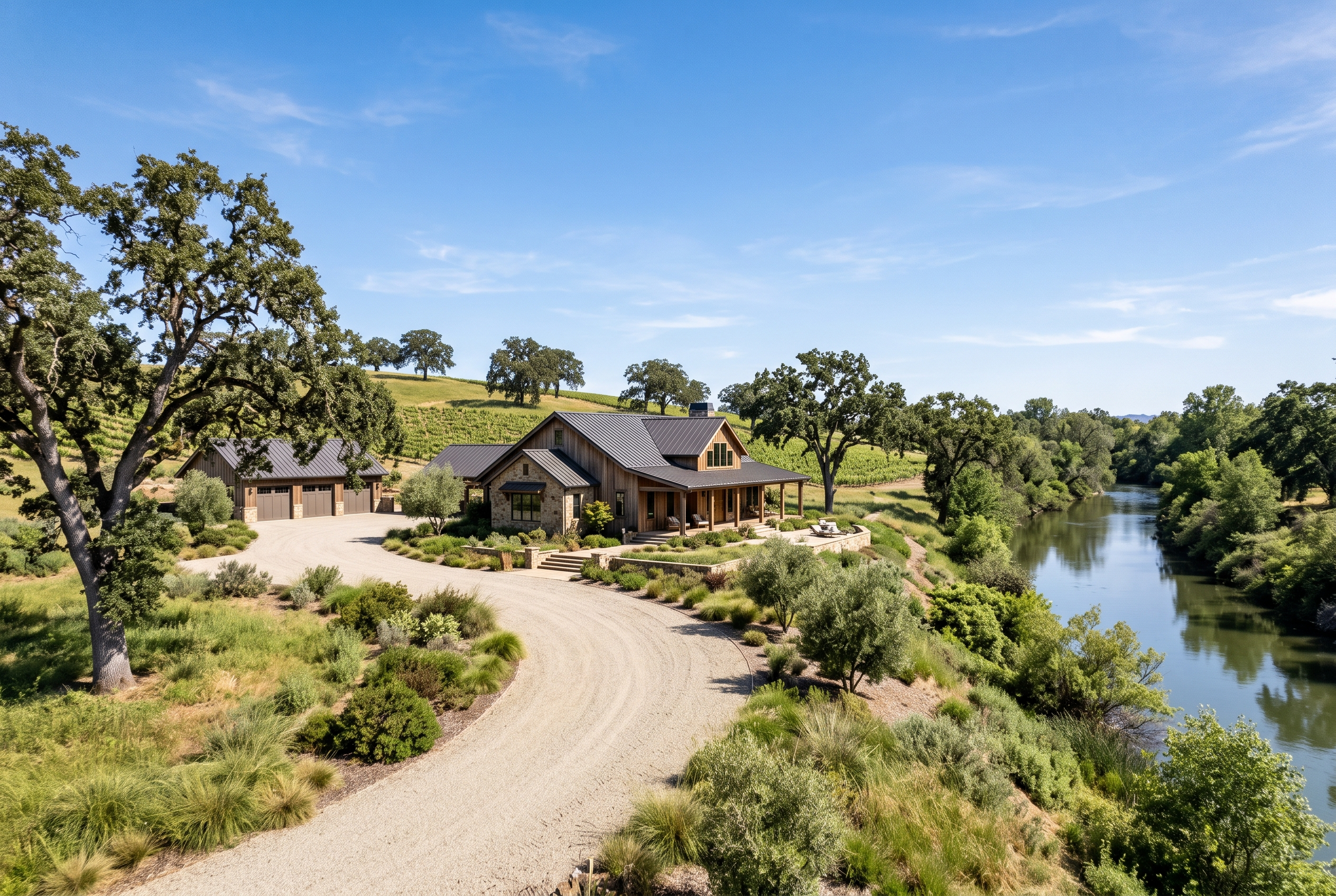
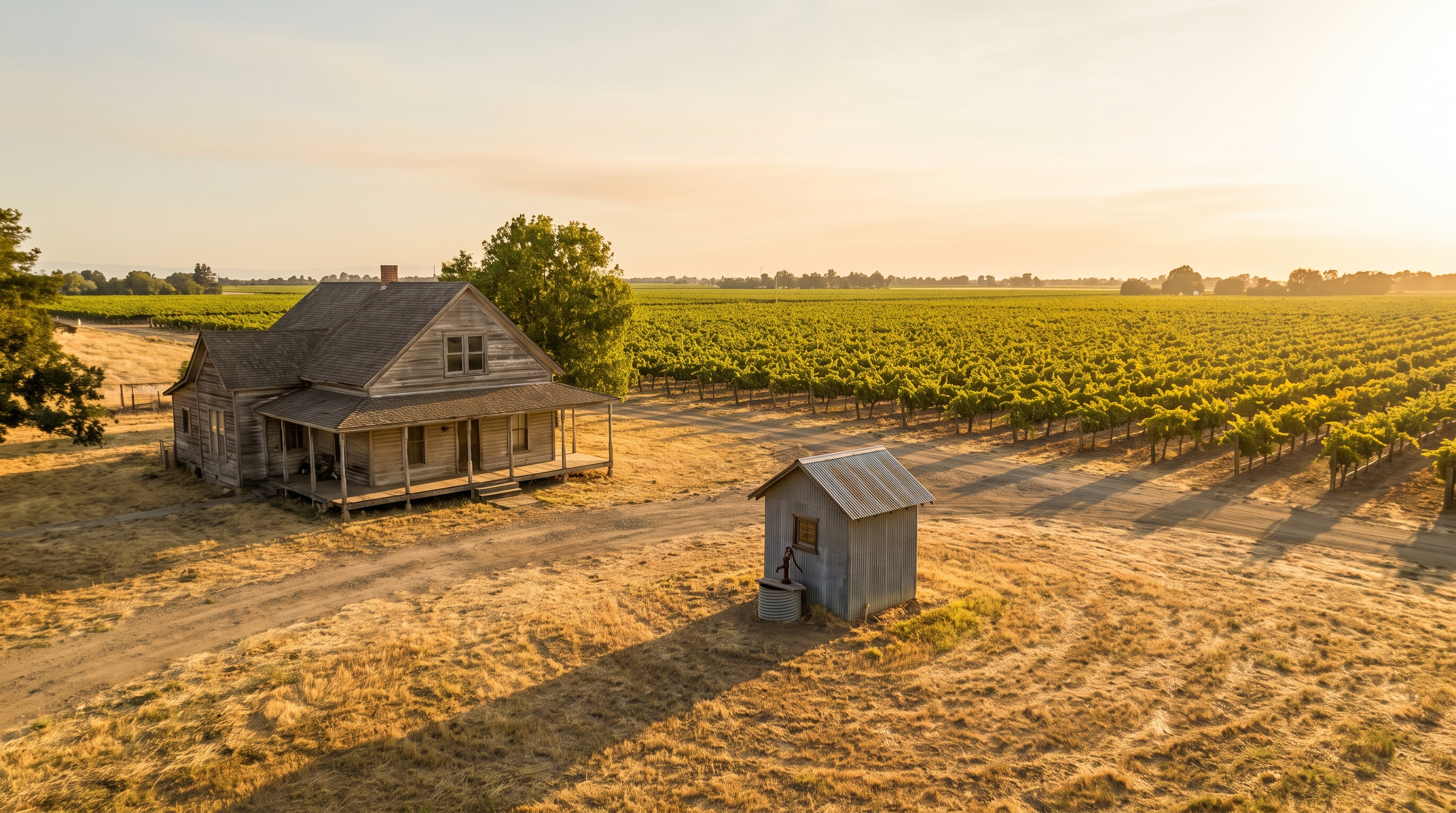
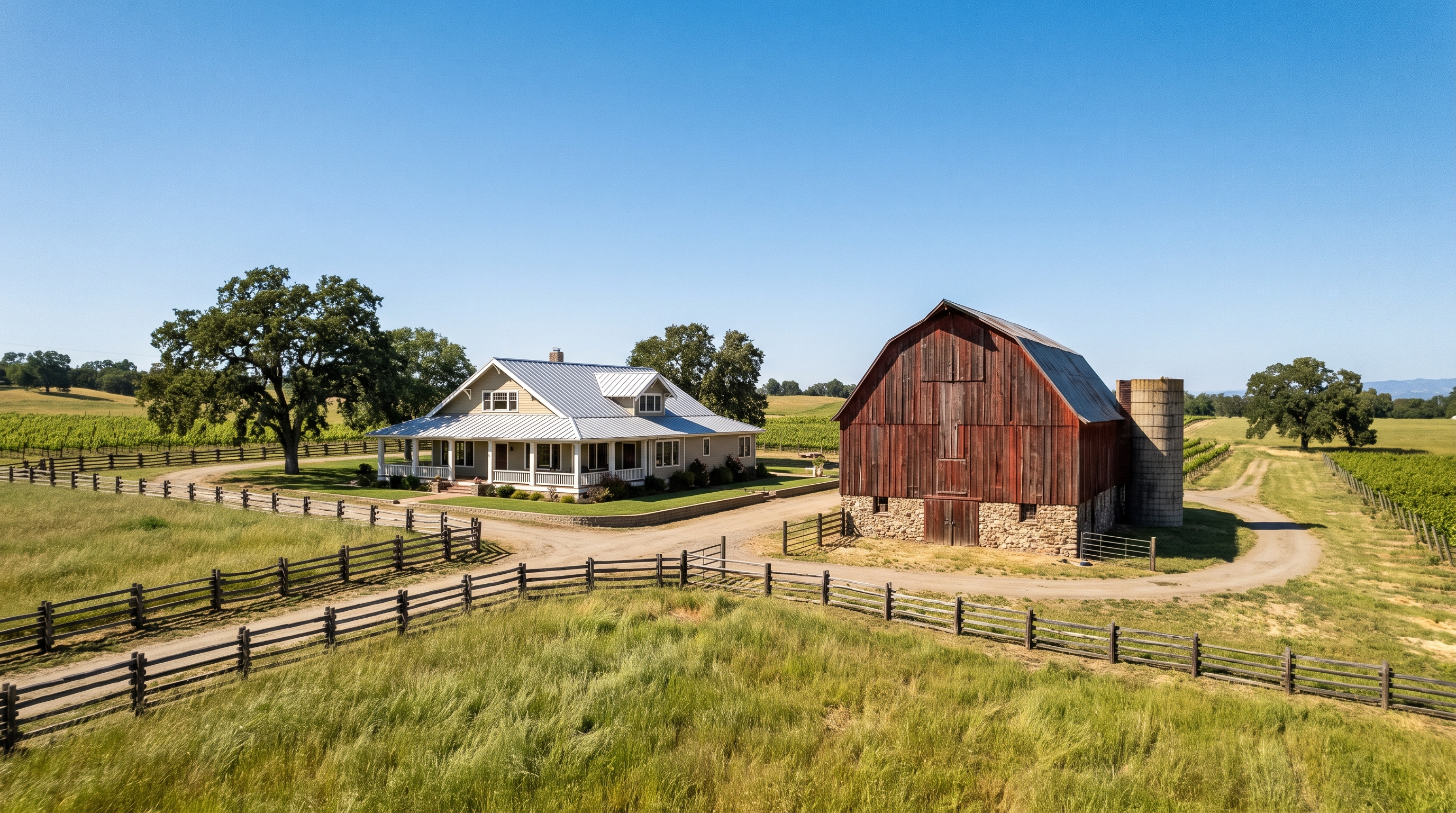
In Woodbridge, parcels are frequently larger, sometimes substantially so, and the housing stock is more varied. You will find older homes, custom builds, ranch properties, and homes with real acreage attached. If you want room for a shop, a garden, animals, or simply distance from your neighbors, Woodbridge is where that becomes realistic.
In West Lodi, lots are generally the size you would expect in a planned neighborhood, and homes are more consistent in style and age. That consistency cuts both ways. It makes value easier to establish and homes easier to compare, and it means fewer surprises in an inspection. It also means less room to spread out.
Neither pattern is universal. There are compact lots in Woodbridge and larger ones in West Lodi, which is exactly why you should look at specific properties rather than assume the area decides it for you.
Schools
Both areas fall within Lodi Unified School District, but the assigned school for any given address is set by attendance boundaries, not by which community you say you live in. Two homes a few streets apart can be assigned to different schools, and boundaries change over time as enrollment shifts.
If schools matter to your decision, confirm the current assignment for the exact address with Lodi Unified before you write an offer, ideally in writing. Do not rely on a listing site. I go into more detail on what the schools are like in Woodbridge.
Commute
West Lodi generally has quicker access to Highway 99, which matters most if you drive to Stockton or Sacramento regularly. Woodbridge adds a few minutes to reach the freeway, and the main connector west is Highway 12.
For Bay Area commuters the difference between the two is small compared to the Altamont Pass, which dominates that drive regardless of which side of Lodi you live on. If you are commuting over the hill, test your real route at your real departure time before you buy. I have written up the details in what the commute is like from Woodbridge to Sacramento and the Bay Area.
Price and value
I am not going to quote you a price comparison, because it would be misleading. Woodbridge pricing swings widely with acreage, outbuildings, well and septic condition, and how recently a property has been updated. A five acre parcel and a half acre parcel in the same community are not the same market.
For context on the wider area, the Census Bureau puts the median home value in Woodbridge around $559,800 and median household income around $93,900, against roughly $517,600 and $88,500 in Lodi (U.S. Census Bureau, ACS 2024). Treat those as background for the community, not as a valuation of any particular home. What a specific property is worth depends on that property.
So which one fits you?
Choose Woodbridge if you want land and privacy, you like the idea of vineyards and the river nearby, you are comfortable owning well and septic systems, and a few extra minutes of driving is a fair price for space.
Choose West Lodi if you want city services and predictability, you value walkable-ish errands and quick freeway access, you would rather not maintain rural infrastructure, and you want a home that is straightforward to compare and to resell.
If you are still leaning toward the area itself rather than a specific house, the honest starting point is whether Woodbridge suits how you actually want to live, because that question decides more than lot size does.
The practical next step is simple: drive both at the hour you would actually be commuting, and walk a property in each. Fifteen minutes in person usually settles what a week of listing photos cannot.
Frequently Asked Questions
Is Woodbridge part of Lodi? No. Woodbridge is a separate unincorporated community in San Joaquin County, just northwest of Lodi. West Lodi is inside Lodi city limits. That distinction affects zoning, permitting, and which services apply to a property.
Do Woodbridge homes have well and septic? Many do, though it varies property to property. Private wells and septic systems are common in the area. Always confirm water quality and flow, and the septic condition, for the exact parcel with qualified inspectors before you buy.
Are Woodbridge and West Lodi in the same school district? Both are generally served by Lodi Unified School District, but the assigned school depends on the specific address, not the community name. Confirm the current assignment directly with the district.
Which one has a shorter commute? West Lodi usually has quicker Highway 99 access. Woodbridge adds a few minutes and leans on Highway 12 heading west. For Bay Area trips the Altamont Pass matters far more than which of the two you pick.
Is Woodbridge more expensive than West Lodi? It depends entirely on the property. Woodbridge pricing varies widely with acreage, outbuildings, and system condition, so community-level comparisons are not reliable. Look at specific homes.
Which is better for buyers who want a larger lot? Woodbridge, generally. Larger parcels are more common there, and acreage properties exist in a way they mostly do not inside West Lodi subdivisions. Confirm zoning for any specific use you have in mind.
Categories
Recent Posts

GET MORE INFORMATION