What Should You Know About Flood Zones When Selling a Woodbridge Home?
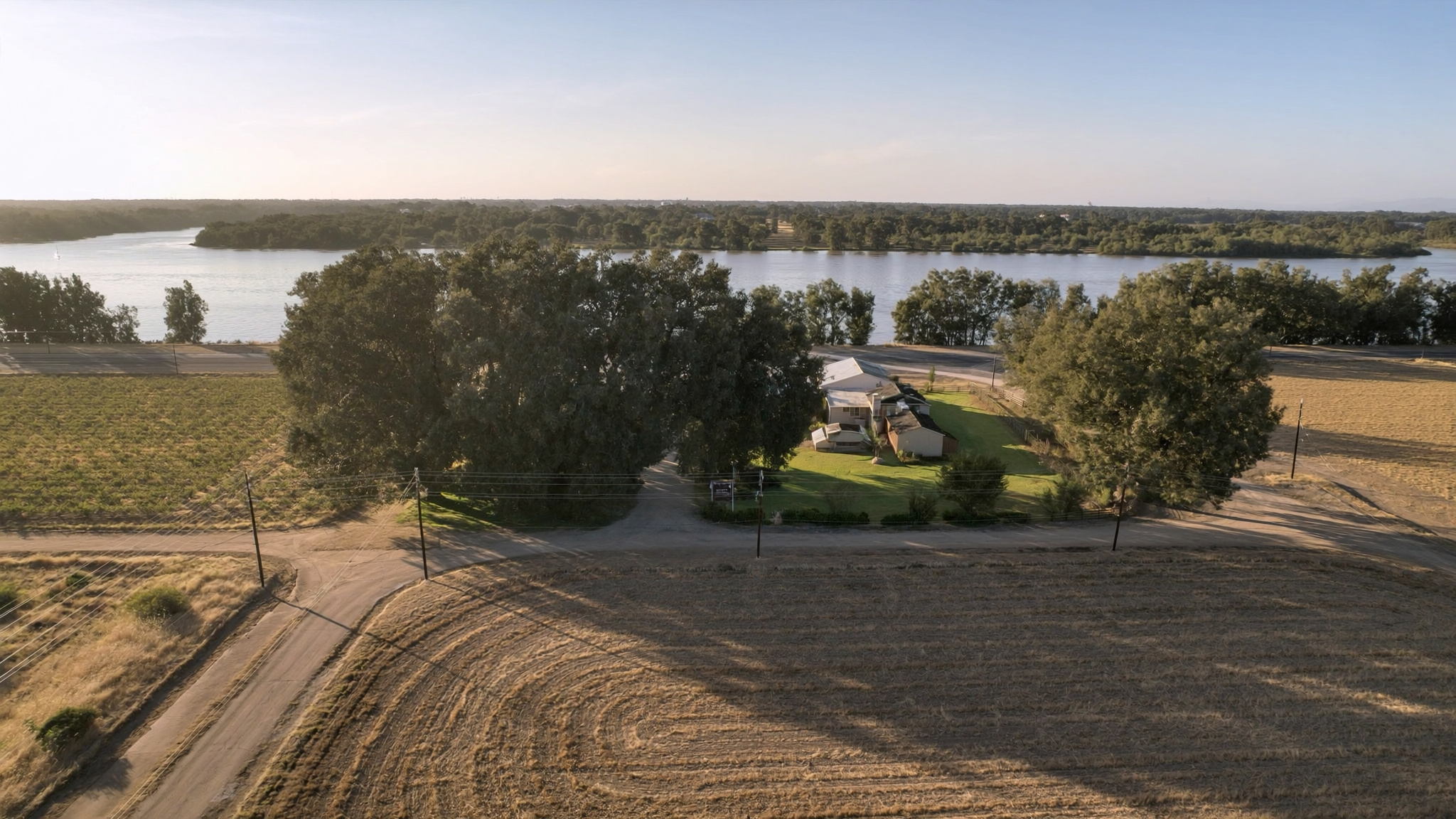
You need to know your property's current flood map status, whether a lender will require flood insurance, and what you have to disclose in writing. Woodbridge REALTOR® Jeremiah Patterson helps sellers pull the flood map information early, get an insurance quote in hand, and market the home to the right buyers before the question turns into a surprise.
The fear underneath all of this is simple. You worry that the words "flood zone" will cost you a buyer, or knock the price down by an amount nobody can explain. That fear is reasonable, and it is also largely a marketing and documentation problem rather than a value problem.
Here is how to get ahead of it.
TL;DR: Confirm your property's current flood map status through FEMA's Flood Map Service Center and your title company, because what you remember from years ago may not match today's map. Get a written flood insurance quote from a licensed insurance agent so buyers see a real number instead of imagining one. Disclose what you know in writing, including past water intrusion and any prior claim. Then market deliberately to buyers who understand river country. Never state a zone, elevation, or premium as fact for your address.
Why does flood zone status come up so often in Woodbridge?
Because of geography, not because of any particular problem with the housing stock.
Woodbridge sits just west of Lodi along the Mokelumne River in San Joaquin County, in a part of the valley shaped by river channels, sloughs, levees, and generations of agricultural water management. Any community built near a river system has parcels that map differently from one another, sometimes dramatically, sometimes across a single property line.
That means two neighbors on the same road can have completely different flood map status, different lender requirements, and different insurance conversations. It also means you cannot assume anything about your parcel based on what a neighbor told you, or based on what was true when you bought.
Flood mapping also gets updated. Levee accreditation status changes and studies get revised, so the map that applied when you purchased is not automatically the map that applies today.
How do you actually find out your property's flood status?
You look it up, and then you have someone else confirm it.
FEMA's Flood Map Service Center is the official public source for flood map information by address. Free, and the map lenders and insurers work from.
Your title company typically produces a flood determination as part of a transaction. That is the document a lender responds to.
A licensed insurance agent can tell you what coverage would actually cost for your specific structure, which is the number buyers care about.
San Joaquin County and the applicable reclamation or drainage district can speak to levee status, local drainage, and district specific requirements.
Notice what is not on that list: your agent, your neighbor, your memory, and this article. What I can do is make sure the right documents are in the file before a buyer ever asks. Do not state a zone designation, an elevation, or a premium as fact for your address unless it came from one of those sources in writing.
Does a flood zone actually reduce what a Woodbridge home sells for?
Not automatically, and this is where sellers most often talk themselves into an unnecessary discount.
What affects value is not the label. It is three practical things:
Cost. If flood insurance is required, that premium becomes part of the buyer's monthly payment, which affects what they qualify for and what they will pay. A written quote makes it a known, financeable number. An unknown becomes a worst case assumption.
Financing friction. Federally backed loans generally require flood insurance when a structure sits in a designated special flood hazard area. A process step, not a deal killer, but it has to be handled early.
Buyer psychology. A buyer who hears "flood zone" for the first time during escrow reacts very differently from one who saw it in the marketing and decided to proceed anyway.
Sellers who get quoted early and disclose plainly tend to hold their price. Sellers who let the buyer discover it during the inspection period tend to renegotiate.
What do you have to disclose about flooding?
Everything material that you know, in writing, before you are asked.
California sellers carry broad disclosure obligations covering conditions that affect the value or desirability of the property. There is also a statutory natural hazard disclosure process that addresses flood hazard areas, typically prepared by a third party report company as part of the transaction.
Practically, put the following in the file:
- Any past water intrusion in the home, the garage, outbuildings, or the shop
- Any flooding on the land, including standing water that recurs seasonally
- Any prior flood insurance claim
- Any drainage work, grading, pumps, or French drains you installed
- Any levee, canal, ditch, or district facility near or crossing the property
- Any repairs made after a water event, and whether they were permitted
- Any correspondence you have received from a district or the county about drainage
Write it down even if it seems minor and even if it happened long ago. What you should disclose when selling a Woodbridge home covers the broader obligation and how the forms fit together. If any part of it is unclear, ask a licensed California real estate attorney. This is not legal advice.
What about insurance, and who should be answering those questions?
A licensed insurance agent, and nobody else.
Flood insurance is its own product, separate from a standard homeowners policy. Pricing depends on factors specific to the structure, including elevation relative to the mapped flood level, construction type, and coverage selected. Rating methods have changed over the years, so anything you heard five years ago may no longer be accurate.
Two things are worth doing before you list:
Get a quote for your own property. If insurance is required the buyer will need it, and a real quote in the listing file removes the guesswork.
Ask whether an elevation certificate would help. In some situations one prepared by a licensed surveyor changes the insurance picture meaningfully. Whether it is worth obtaining is a question for a licensed insurance agent and a licensed surveyor.
If the property has a shop, barn, or detached structure, ask specifically how those are treated. They are frequently a separate conversation.
One more question worth asking your agent in writing: whether your existing policy could be assigned to a buyer. Depending on the policy and program that is sometimes possible, and where it applies it is a genuine marketing asset. Do not promise it in advertising until your agent confirms it.
How do you market a Woodbridge home in a mapped flood area?
Deliberately, and to a narrower group of people than a tract home in town needs.
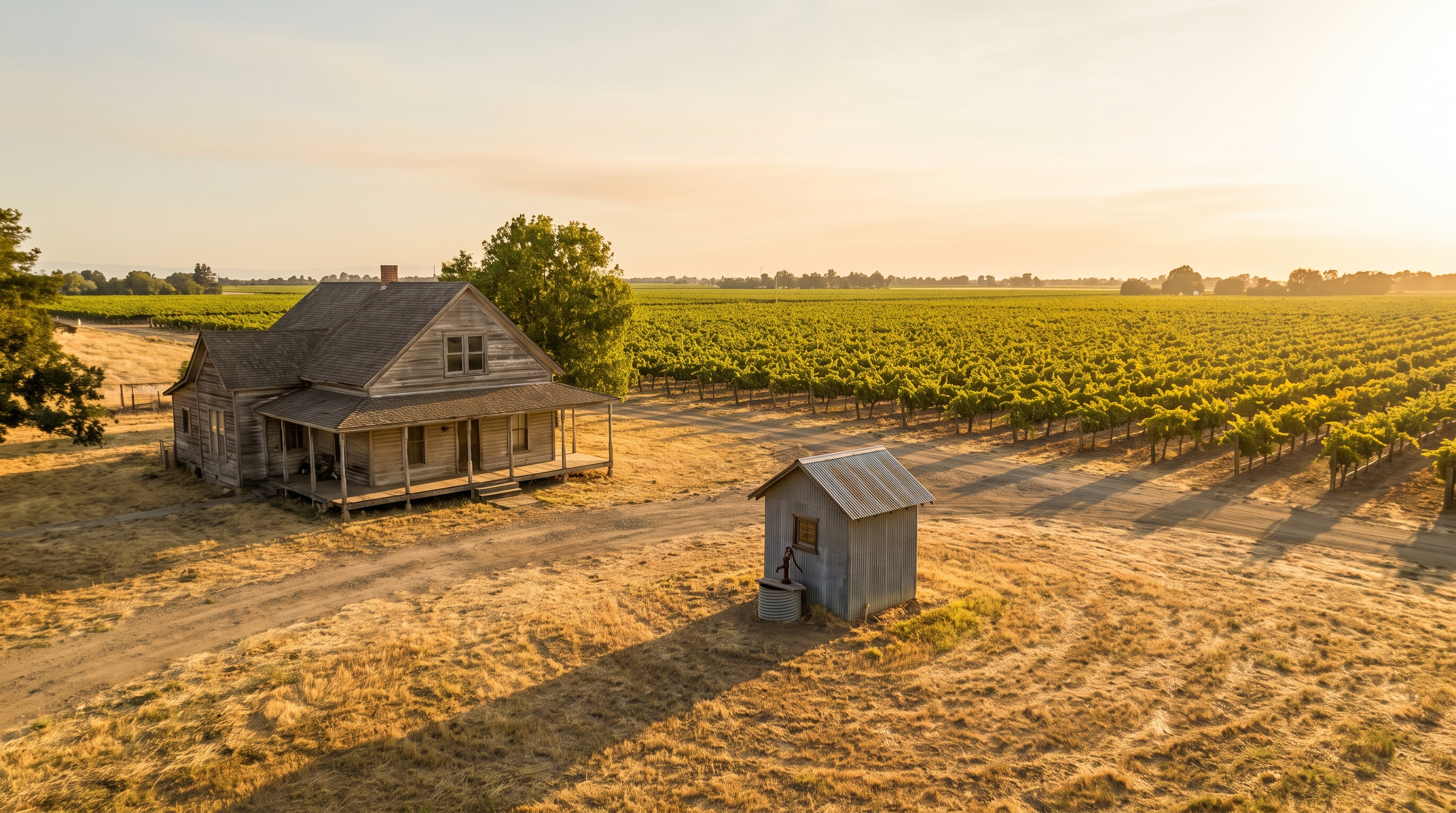
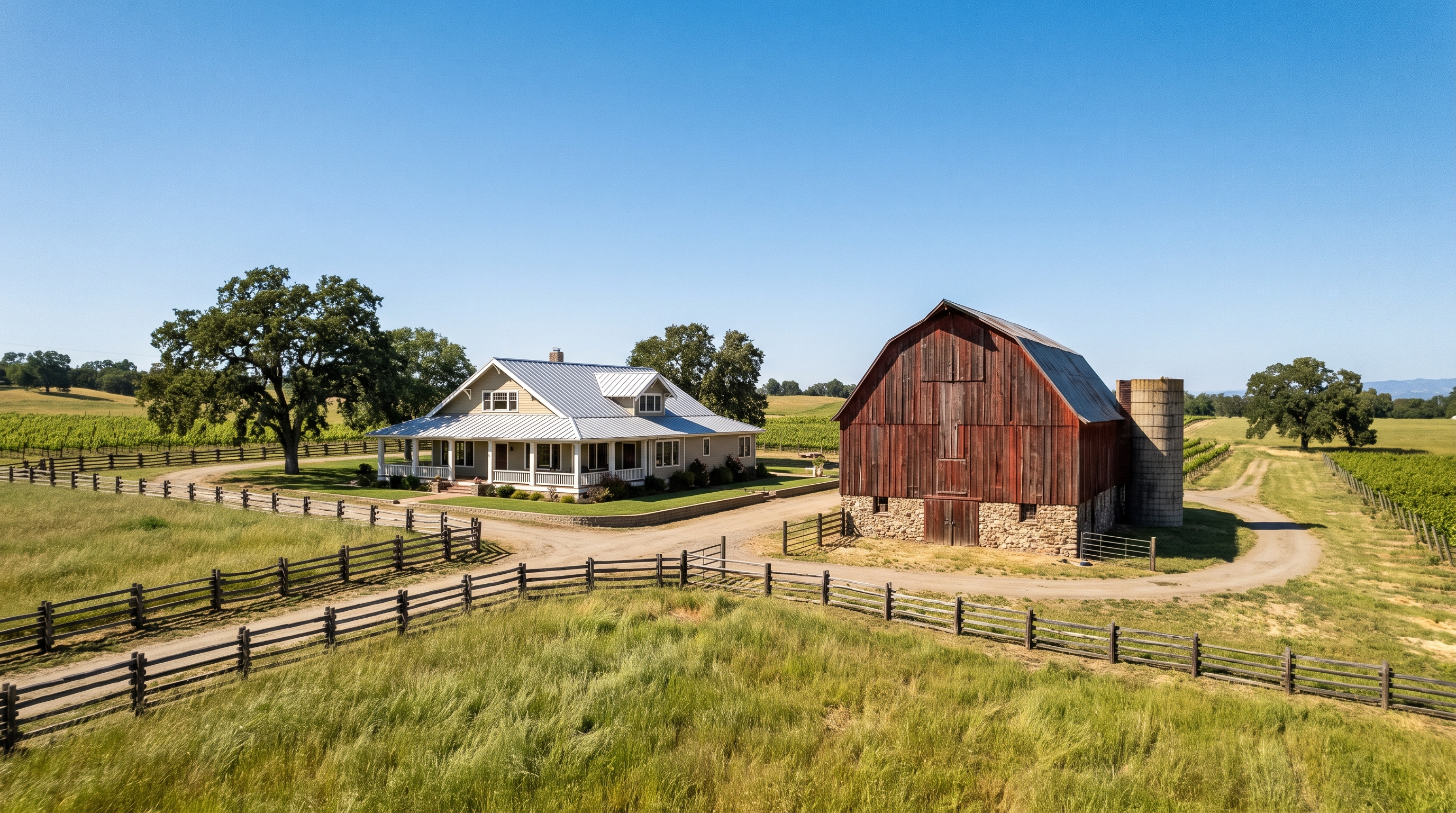
This is the part that decides whether the flood map costs you money. Woodbridge and the surrounding rural stretches attract a specific buyer: someone who wants land, river proximity, quiet, room for animals or equipment, and distance from a subdivision. That buyer pool is smaller and more specific than the pool for a standard suburban listing, and generic exposure will not find them. Posting the home to the MLS and waiting is not a strategy out here. It is a hope.
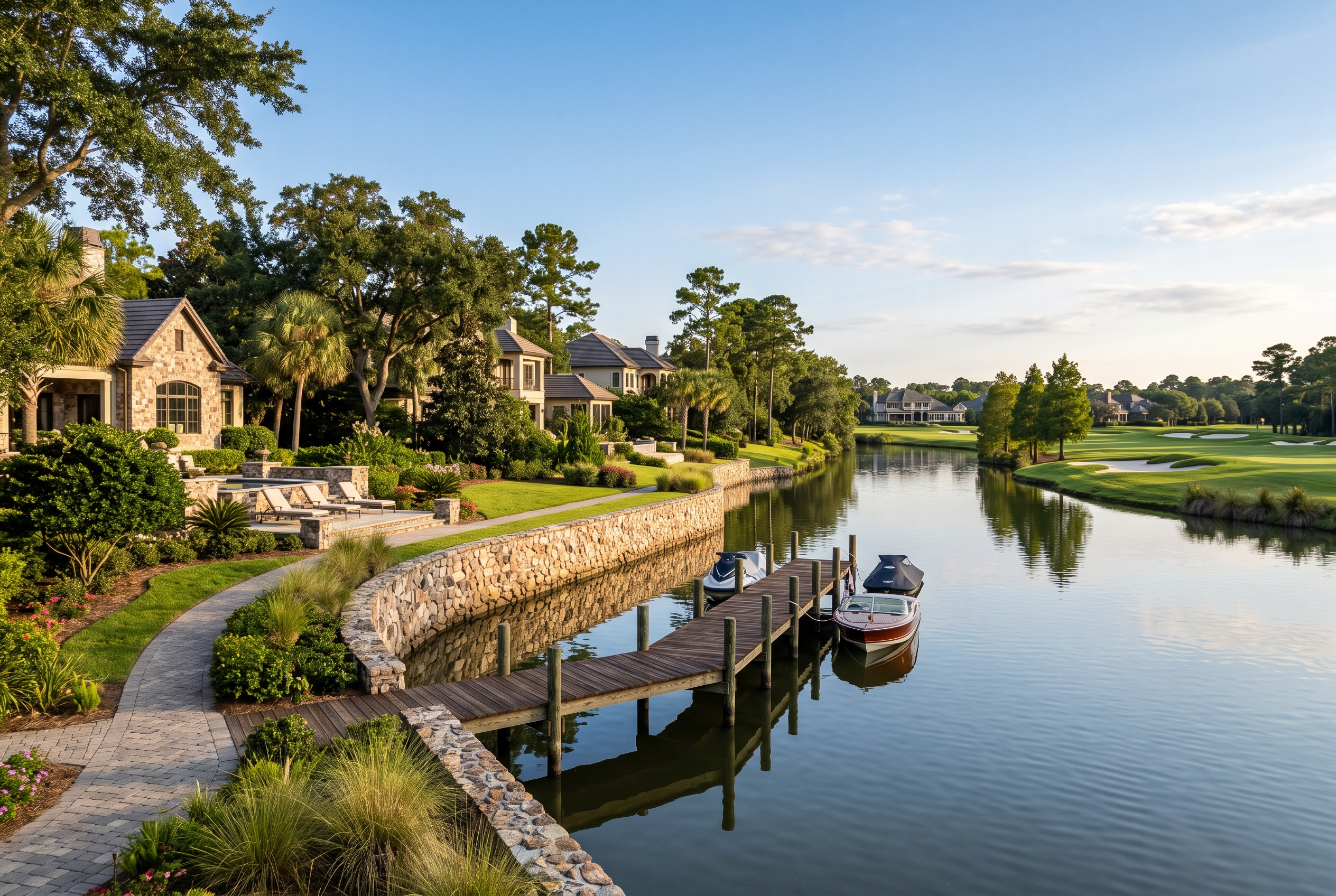
Lead with the lifestyle, then answer the question. People who want to live near the Mokelumne want it for real reasons. Living near the Mokelumne River in Woodbridge is the case those buyers already believe in.
Put the documentation in the marketing. "Flood determination, insurance quote, and disclosure package available on request" tells a buyer you are organized, not that you are hiding something. Vagueness invites suspicion.
Target rather than broadcast. Buyers who already own rural property, buyers moving out from Sacramento or the Bay Area who specifically want acreage, buyers who understand levees because they grew up around them. They will not stumble onto your listing by accident.
Do not let a lender surprise you. Raise financing early with any buyer's agent, so a buyer with the wrong loan product is not the one you go into escrow with.
That is the Master Listing Strategy applied to a mapped property: instead of discounting until a tolerant buyer wanders by, build demand among the buyers for whom river country is the whole point. Marketing creates demand. Price alone does not.
Step by step: taking a mapped Woodbridge property to market
- Pull your address on FEMA's Flood Map Service Center and save what you find.
- Order a flood determination through your title company so the lender facing document exists.
- Get a written flood insurance quote from a licensed insurance agent for your structures.
- Ask your insurance agent about policy assignability and whether an elevation certificate would help.
- Contact San Joaquin County and the applicable reclamation or drainage district about levees, drainage, and district requirements at your parcel.
- Write your disclosures completely, including water history, repairs, and claims, and assemble a packet with the determination, quote, and any surveys.
- Fix the visible drainage issues that make a property look wet: standing water, poor grading near the foundation, clogged culverts, stained siding.
- Build a targeted marketing campaign aimed at rural and river adjacent buyers before the listing goes live.
- Price from comparable sales of similar mapped properties, not from a generic discount someone told you about.
Work through what adds the most value before selling a home in Woodbridge at the same time, so the property presents as one cared for place rather than a nice house with a question attached.
Common Mistakes to Avoid
Quoting a zone from memory. Maps change, and repeating an outdated designation in marketing creates a problem you did not need. Pull the current information.
Guessing at the insurance premium. Rating depends on specifics you cannot eyeball. Get a written quote and let that be the only number anyone uses.
Waiting for the buyer to discover it. A flood determination surfacing in week two of escrow is a renegotiation. The same information in the listing file is a footnote.
Leaving old water damage undisclosed. A stained subfloor or a repainted garage wall gets found, and discovered problems always cost more than disclosed ones.
Assuming the whole parcel maps the same way. On acreage, mapping can vary across a single property, and the location of the structures is what usually drives the lender requirement.
Listing with visible standing water. A photograph of a wet yard tells every buyer a story regardless of what the map says. Address drainage before photo day.
Discounting before checking the marketing. If showings are slow, find out whether the right buyers ever saw the listing before you touch the price.
What This Looks Like in Real Life
A seller owns a Woodbridge home on a few acres near a slough. They assume the property is a hard sell because a neighbor mentioned flood insurance years ago. Before listing, they pull the current map information, order a determination through title, and get a written quote from an insurance agent. The quote turns out to be a manageable monthly figure. That number goes into the listing packet along with the disclosures and a note about the drainage work the seller did five years ago. Buyers see a documented, understood cost rather than an unknown risk. The property sells to a buyer who wanted river proximity and never treated the insurance line as an obstacle.
A second scenario: a seller has an older home with a garage that took water once during an unusually wet winter. They disclose it plainly, attach the repair invoices, and note the grading was corrected afterward. The buyer's inspector finds evidence of the old event, reads the disclosure, sees the invoice, and moves on. Nothing to renegotiate, because nothing was left to discover.
Neither scenario predicts your outcome. Every parcel out here is different. But the pattern is consistent: verify it, document it, disclose it, and market to the people who want to live there anyway.
Frequently Asked Questions
How do I find out if my Woodbridge property is in a flood zone?
Look your address up on FEMA's Flood Map Service Center, then confirm with a flood determination through your title company. A licensed insurance agent can tell you what that status means for cost at your specific structure. Do not rely on memory or on what a neighbor believes.
Will a flood zone stop a buyer from getting a loan?
Generally no, but it adds a requirement. Federally backed loans typically require flood insurance when a structure sits in a designated special flood hazard area. The buyer's lender is the authority on their specific loan.
Do I have to disclose flooding that happened years ago?
If you know about it and it is material, it generally belongs on your disclosures regardless of when it happened. Attach any repair records, and ask a licensed California real estate attorney if you are unsure.
Can I get my property removed from a flood zone?
There is a formal process for map amendments and revisions, and whether it applies depends on elevation and other technical factors. That is a question for a licensed surveyor or civil engineer and for FEMA, and it takes time.
Does flood insurance cost the same for everyone in the area?
No. Rating depends on factors specific to your structure, including elevation relative to the mapped flood level, construction, and coverage chosen. Two homes on the same road can price very differently.
Should I pay for an elevation certificate before listing?
Sometimes it helps and sometimes it changes nothing. Ask a licensed insurance agent whether it would affect the rating for your structure, and use a licensed surveyor to prepare it if you move forward.
Ready to sell your Woodbridge home with confidence about the flood question?
Verify first, document second, market third. Three steps:
- Pull your address on FEMA's Flood Map Service Center and get a written flood insurance quote from a licensed insurance agent so the number is real, not imagined.
- Get a realistic value picture for the property as it stands today, mapping included. Start with a free home evaluation.
- Build a targeted campaign aimed at buyers who want river country before the listing goes live. Get in touch and we will walk the property, assemble the documentation packet, and map the launch.
Jeremiah Patterson is a REALTOR® and Vice President at Cornerstone Real Estate Group (CA DRE #02017640), with 220+ closed transactions and more than $87 million in San Joaquin County sales since 2016. His listings sell in a median of 13 days, with 55% under contract within 14 days, and he holds a 5.0 rating across 180 verified reviews (RateMyAgent 72, Realtor.com 61, Google 32, Yelp 15). He's a Move-Up Specialist and works with out-of-state, remote, and inherited/estate sellers as well as first-time buyers across Lodi, Stockton, Woodbridge, Acampo, Galt, and San Joaquin County. He was named RateMyAgent County Top 5 for San Joaquin County five consecutive years (2022-2026) and is a Lifetime Member of the Lodi Association of REALTORS® Masters Club. Reach him at (209) 329-7238 or jeremiah@sellingsanjoaquin.com.
Before you list, read what you should disclose when selling a Woodbridge home and the guide to rural and semi rural Woodbridge properties covering wells, septic, and acreage. Then read living near the Mokelumne River in Woodbridge, the case your best buyer already believes.
Jeremiah Patterson Cornerstone Real Estate Group 224 W Pine St, Lodi, CA 95240 Phone (209) 329-7238 Email jeremiah@sellingsanjoaquin.com CA DRE #02017640 · Brokerage DRE #01037761 Practicing since 2016
Categories
Recent Posts





GET MORE INFORMATION