Relocating to Stockton From the Bay Area: Where the Higher-End Buyers Look
If you're relocating to Stockton from the Bay Area and want a higher-end home, the short answer is that most move-up and relocating buyers concentrate their search in a handful of established, amenity-rich pockets: Brookside and Spanos Park West on the northwest side (ZIP 95219), Spanos Park East (95209), Morada just north of the city (95212), and the Quail Lakes / Lincoln Village corridor (95207). These are the areas that tend to combine newer or well-kept homes, water and golf, larger lots, gated or master-planned settings, and reasonable access to the freeways that carry you back toward the Tri-Valley and the Bay.
Which one is right for you comes down to your priorities: schools, water and golf frontage, land and privacy, or the shortest possible commute. The rest of this guide walks through why Bay Area buyers make this move, what the commute really looks like, and how each of those neighborhoods matches a different set of priorities, plus the logistics of touring, offering, and timing a move when you're doing it from 60 or 80 miles away.
TL;DR: Bay Area buyers relocating to Stockton for more house and more space tend to land in Brookside/Spanos Park West (95219), Spanos Park East (95209), Morada (95212), and Quail Lakes/Lincoln Village (95207). Brookside offers gated, water-and-golf living near I-5; Spanos Park East leans toward newer family neighborhoods; Morada is the choice for larger lots and semi-rural land; Quail Lakes/Lincoln Village offers an established, lake-oriented setting close to the I-5 spine. Commutes to the Tri-Valley commonly run in the neighborhood of an hour or so each way and to the core Bay Area longer, so most buyers who make it work are hybrid, remote, or commuting to the East Bay/Tri-Valley, often paired with the ACE train from nearby Lathrop/Manteca or Tracy. Tour in focused trips, lean on video and remote-offer tools, and plan the two-home timing carefully. Jeremiah Patterson, a San Joaquin County agent who focuses on relocation and move-up buyers, helps out-of-area buyers do exactly this.
Why Bay Area Buyers Relocate to Stockton
The move from the Bay Area to Stockton is, for most people, a trade of commute and density for space and value. It's worth being honest about both sides of that trade before you fall for a specific house.
The pull factors tend to be consistent:
- More house for the money. The single biggest driver. A budget that buys a modest older home in much of the Bay Area can, in general, stretch to a larger, newer, or more updated home in Stockton's stronger neighborhoods, more square footage, bedrooms, and lot size for what you were spending closer to the coast. Actual prices move over time, so treat this as a direction, not a promise, and run current numbers for the specific home you want.
- Space, inside and out. Larger lots, real yards, three-car garages, room for a pool, and floor plans built for families and multigenerational living are far more available here. For households that feel, in their own words, like they're "bursting at the seams," that space is the whole point.
- A different daily pace. Waterways and lakes, golf, parks, and a slower rhythm appeal to buyers who want their weekends back. The Delta is at the doorstep, the Sierra foothills are a manageable drive east, and Tahoe and Yosemite are weekend-trip range.
- Keeping Northern California. Many relocating buyers aren't leaving the region or their jobs. They're repositioning within it, staying within reach of Bay Area employers, family, and airports.
The trade-off, of course, is distance from the coast and a longer commute if your job is still physically in the Bay. That's the piece worth pressure-testing hardest, so it gets its own section next.
The Commute Reality
Commuting is the factor that most often decides whether a Stockton relocation works for a given household, so be precise about it rather than optimistic.
The freeway picture. Stockton sits at the junction of Interstate 5 and Highway 99, the two big north, south valley routes. To reach the Bay Area you'll generally head west and south:
- I-5 to I-205 to I-580 through the Altamont Pass is the main artery toward the Tri-Valley (Livermore, Pleasanton, Dublin) and on to the East Bay and South Bay.
- Highway 99 to I-205 is an alternate feeding the same corridor from the south side of the county.
Here's the honest part: the Altamont is one of Northern California's busiest commute corridors, and drive times swing widely with time of day. As a rough planning range, reaching the Tri-Valley from Stockton often runs around an hour or so each way in normal conditions, and getting deeper into the East Bay, Peninsula, or South Bay commonly stretches to well over an hour and a half, sometimes more at peak, with evening returns the worst part. These are ballparks; your real number depends on your route and departure time, so drive it at rush hour before you commit.
The ACE train. The Altamont Corridor Express (ACE) runs commuter rail from the San Joaquin area through the Altamont to Pleasanton, Fremont, and San Jose. The closest boarding stations to Stockton are in the Lathrop/Manteca and Tracy areas, so many commuters drive a portion, then let the train handle the pass. Schedules and stations change, so confirm current service, but for the right commuter, ACE turns a white-knuckle drive into time you can work or decompress.
Hybrid and remote is the unlock. The buyers for whom this move pencils out most cleanly are hybrid or fully remote. Driving to a Bay Area office two or three days a week instead of five changes the math dramatically. You capture the space and value without paying the daily commute toll. If you must be in a South Bay office five days a week, be very honest with yourself about doing that drive long term.
A practical note: where you buy within Stockton affects your commute. Neighborhoods with quick I-5 or Highway 99 access can shave real minutes off a long trip, which is one reason the northwest-side and freeway-adjacent areas are popular with commuting relocators.
Where the Higher-End Relocating Buyers Look
There's no single "nice part of Stockton". There are several distinct pockets, and they attract move-up and relocating buyers for different reasons. Here's how the main ones tend to match up to priorities. Neighborhood character and inventory shift over time, so use this as a starting map and verify current specifics for any home you're serious about.
Brookside & Spanos Park West, 95219 (water, golf, gated living near I-5)
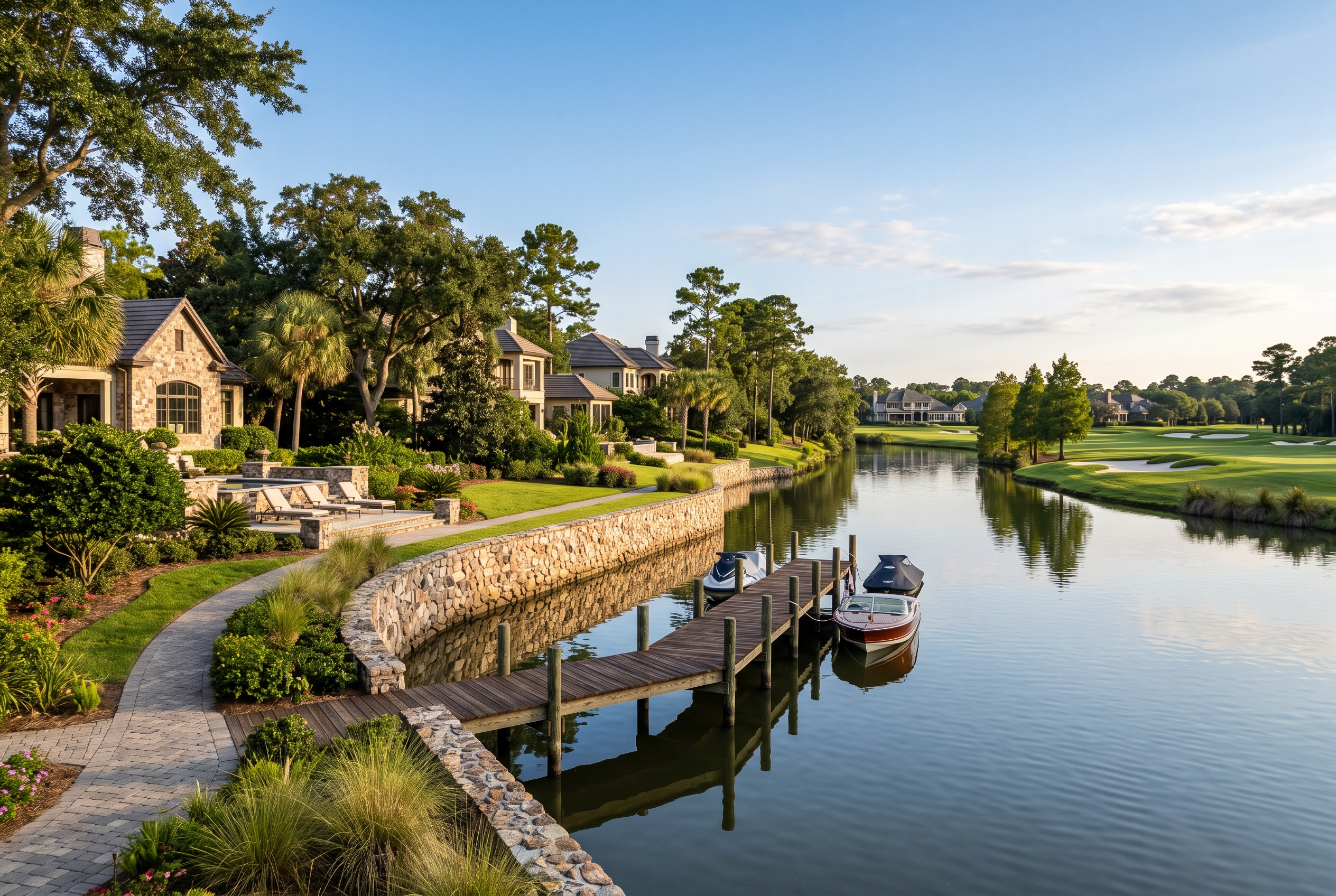
On the northwest side, Brookside and Spanos Park West are among the first places relocating buyers hear about, and for good reason. This area is known for master-planned, often gated communities built around lakes, waterways, and golf, with a mix of newer construction and well-maintained homes. Several neighborhoods here feature water frontage or golf-course proximity, and the setting tends to feel polished and self-contained.
- Best for: buyers who want an amenity-rich, lock-and-leave lifestyle (water or golf views, community feel, newer homes) and value quick I-5 access for a commute.
- Priorities it matches: water/golf, newer homes, commute (I-5 is right there), a "resort-adjacent" daily feel.
- Keep in mind: gated and waterfront communities often carry HOA dues, and some carry Mello-Roos or similar special assessments; ask for the specific numbers on any home so your monthly budget is accurate.
Spanos Park East, 95209 (newer family neighborhoods)
Across I-5 on the east side, Spanos Park East reads as a newer, family-oriented set of neighborhoods, generally with tidy streets, parks, and homes from more recent construction eras. It tends to appeal to move-up families who want a newer home and a neighborhood built for kids and daily routines, without necessarily needing the gated/waterfront premium of the west side.
- Best for: move-up families prioritizing newer construction, parks, and a straightforward family-neighborhood feel.
- Priorities it matches: schools and family life, newer homes, everyday practicality.
- Keep in mind: as with any Stockton neighborhood, school assignments vary by address; confirm the exact assigned schools before you make an offer rather than assuming.
Morada, 95212 (land, lots, and semi-rural space)
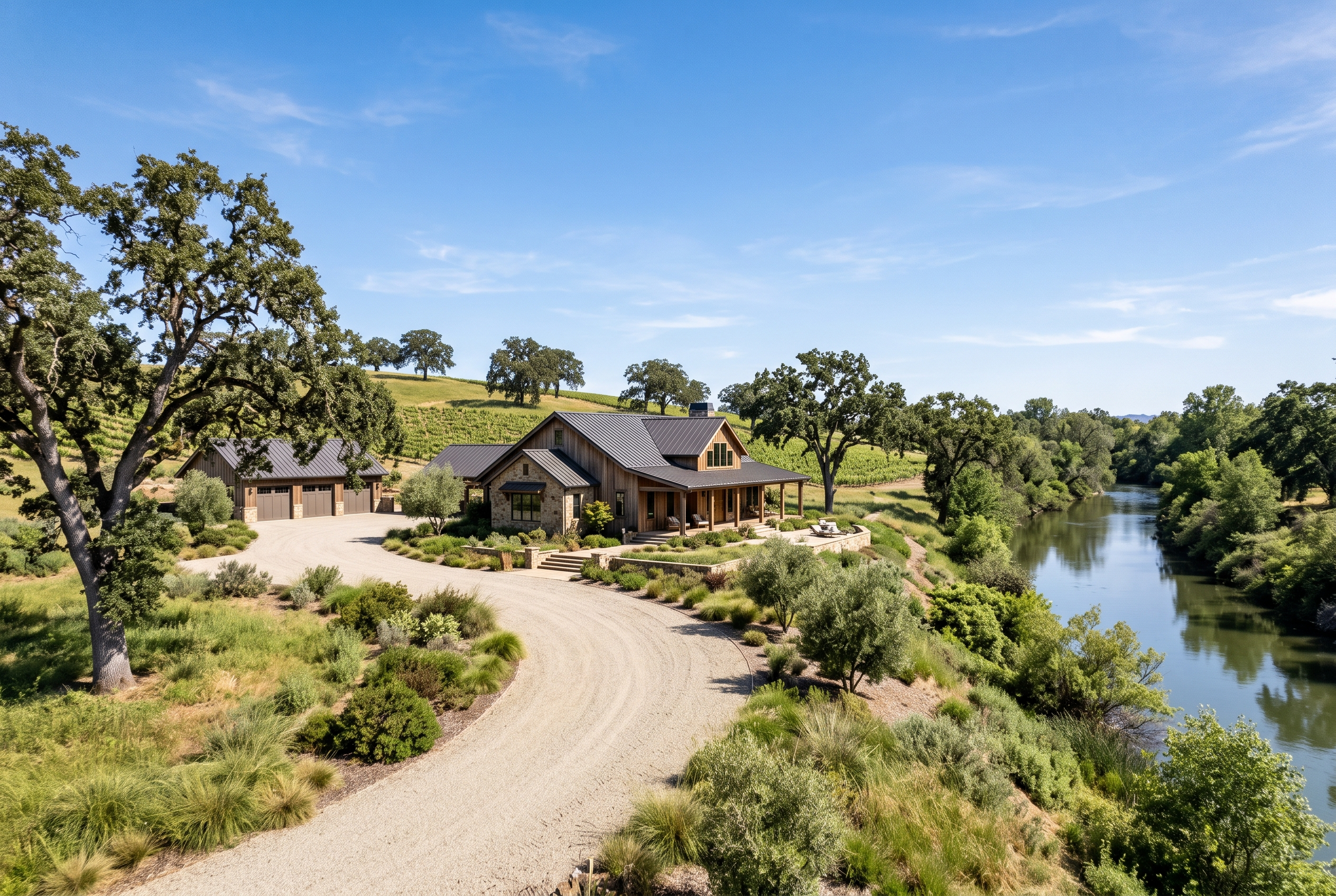
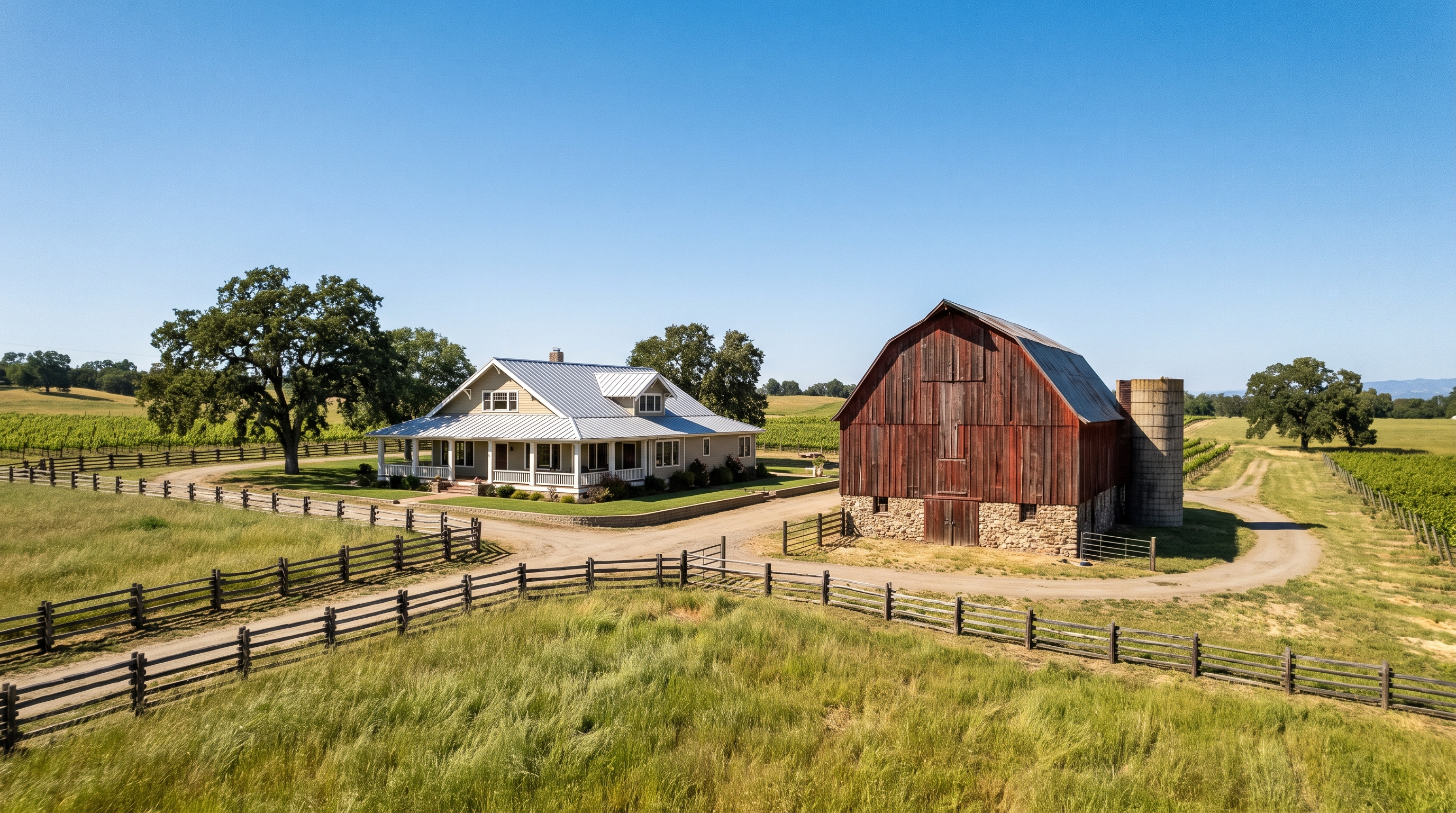
Just north of the city, Morada is the answer for buyers whose top priority is land. It's known for larger lots and a semi-rural feel (room for a shop, a pool, RV or boat parking, sometimes a bit of acreage) while still being close to Stockton's services and freeway access up Highway 99 and to I-5.
- Best for: buyers who want space and privacy (a bigger lot, elbow room, and a quieter setting) over a dense subdivision layout.
- Priorities it matches: land and lot size, privacy, room for toys and projects.
- Keep in mind: larger and semi-rural properties can come with well/septic considerations, different insurance factors, and longer drives to some services; get those details on the specific parcel early.
Quail Lakes & Lincoln Village, 95207 (established, water-oriented, central)
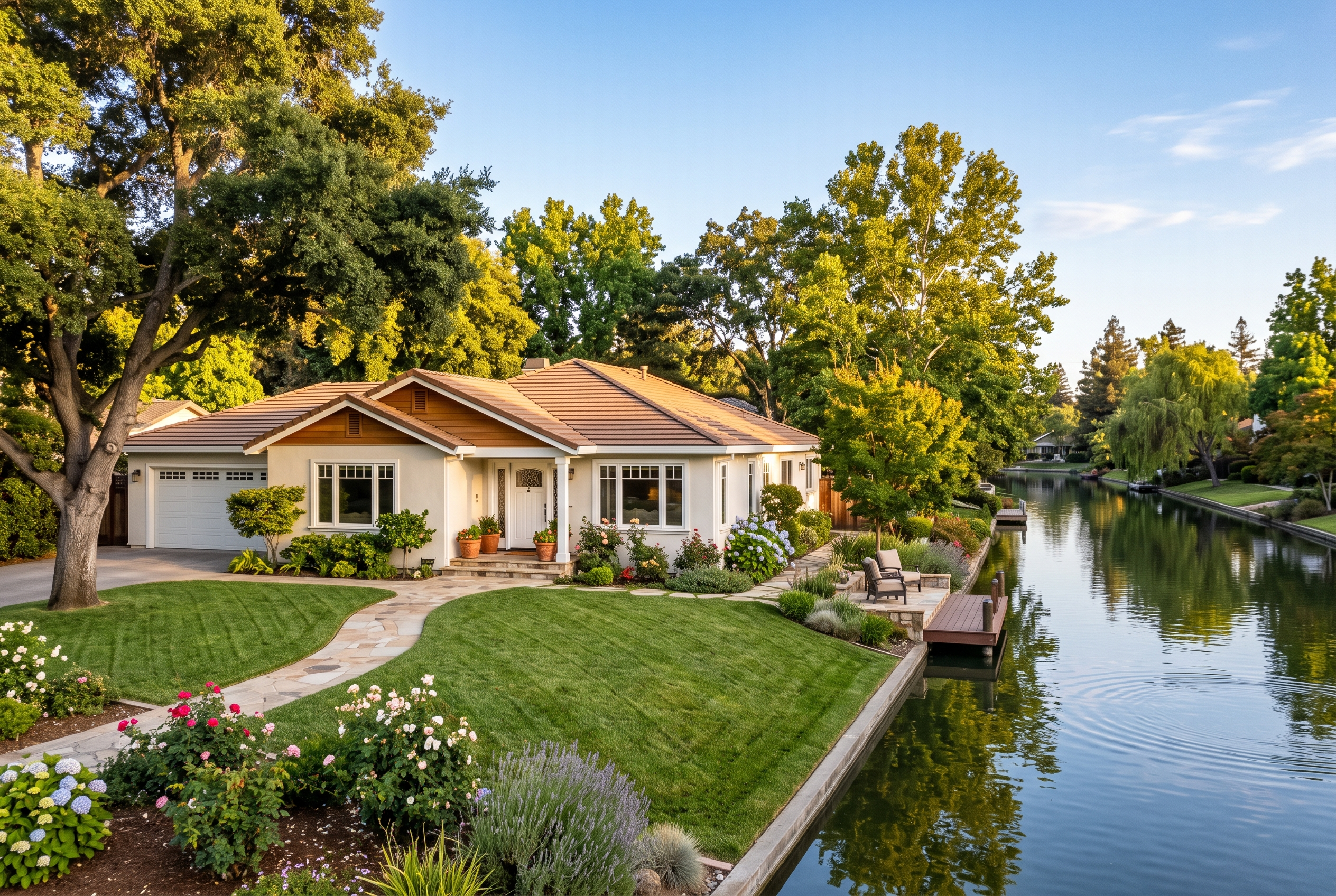
More central, along the I-5 spine, Quail Lakes and the Lincoln Village area offer an established, mature setting, tree-lined streets, lake and waterway frontage in parts of Quail Lakes, and a location that's convenient to shopping, medical facilities, and the freeway. It tends to draw buyers who want a settled, water-adjacent neighborhood with character rather than brand-new construction.
- Best for: buyers who value an established, centrally located, water-oriented neighborhood with mature landscaping and convenience.
- Priorities it matches: water access, central location and commute convenience, established-neighborhood feel.
- Keep in mind: homes here can span a wide range of ages and updates; a home inspection and a clear-eyed look at systems and roof age matter, especially buying from a distance.
Matching neighborhoods to priorities, a quick cross-reference
- Schools and family routine first: Spanos Park East, with Brookside/Spanos Park West also in the mix, always verify the specific school assignment for the address.
- Water and/or golf: Brookside/Spanos Park West and parts of Quail Lakes.
- Land, privacy, and a big lot: Morada.
- Shortest, most convenient commute and central access: Quail Lakes/Lincoln Village and the I-5-adjacent parts of Brookside/Spanos Park West.
This kind of neighborhood-to-priority matching is exactly where a local agent earns their keep, because the right answer depends on your specific must-haves and the homes actually available when you're buying.
Out-of-Area Buyer Logistics
Buying from 60 or 80 miles away, or from out of state, is a different process than buying in your own backyard. The good news is that it's a well-worn path, and with the right structure it's very manageable. Jeremiah Patterson focuses on relocation and out-of-area buyers, so this section reflects how that process tends to run best.
Touring efficiently
You generally won't have the luxury of casually seeing 20 homes over a month. So make your trips count:
- Cluster your tours. Plan focused visits that hit multiple homes and neighborhoods in a day, ideally across a weekend, so you can compare areas back to back while impressions are fresh.
- Use video and virtual tours between visits. Live walkthroughs, 3D tours, and detailed photo sets let you screen homes remotely and spend in-person time only on serious contenders. Ask your agent to walk a home on a live video call and point the camera where you'd point your own eyes, the street, the neighbors, the deferred maintenance.
- See the neighborhood, not just the house. Drive the streets at different times and check the actual commute on-ramp, the daily reality, not just the listing.
Making remote offers
Offering from a distance is routine in California:
- Electronic signatures handle the paperwork wherever you are.
- Get fully pre-approved early so you can move quickly when the right home appears, in a relocation, speed and certainty often matter more than shaving the last dollar.
- Lean on inspections and disclosures. When you can't stand in the house daily, a thorough home inspection, a careful review of the seller's disclosures, and any specialized inspections (roof, pool, well/septic where relevant) become your eyes. Consult the professionals handling your transaction on what's appropriate for the specific property.
Timing a two-home move
The hardest logistical piece is usually owning or renting in two places at once, selling or leaving your Bay Area home while buying in Stockton.
- Line up the sequence in advance. Whether you sell first, buy first, or use a rent-back or interim rental, decide the strategy early so you're not forced into a rushed decision mid-transaction.
- Understand your financing options for carrying or bridging between homes, and get real guidance from your lender before you're under contract.
- Build in a buffer. Moving households and, often, changing jobs or work arrangements at the same time is a lot; a little schedule cushion prevents small delays from becoming crises.
This is precisely the kind of coordination that separates a smooth relocation from a stressful one. As Jeremiah puts it, precision beats panic, when a move feels calm, that's usually because the sequencing was planned two steps ahead.
How a Relocation-Focused Agent Helps
Relocating and move-up buying is Jeremiah Patterson's core focus, which matters more here than in a typical local purchase, because so much of the outcome rides on logistics and local knowledge you don't have from the outside.
Jeremiah Patterson is a real estate agent based in San Joaquin County who since 2016 has been helping buyers relocate, move up, and settle into the right neighborhood across Lodi, Woodbridge, Acampo, Stockton, and Galt. He has earned a 5.0 rating across verified client reviews and Masters Club Lifetime Member recognition, and he has personally lived the move-up process, trading up from a smaller fixer to a larger updated home, so the financial stretch and emotional weight of a big move aren't abstractions to him.
His approach is built for exactly this situation. He calls it the Carefree Home Buying Process: thinking two steps ahead, getting buyers pre-approved early, arranging inspections up front, and aligning the sell-and-buy timing in advance, including quiet pre-marketing to his own buyer pool, so that by the time the right home appears, the stressful hurdles are already cleared. His wife, an interior designer, often helps buyers see a home's real potential rather than just its current finishes. For an out-of-area buyer deciding from a distance, that preparation is the whole game.
Common Mistakes Bay Area Buyers Make Relocating to Stockton
Underestimating the Altamont commute
A drive that feels fine on a quiet Sunday can be punishing on a Tuesday at 7 a.m. If you'll commute to the Bay, test your actual route at rush hour, both directions, before you commit, and seriously consider whether ACE or a hybrid schedule is part of your plan.
Assuming every "nice" Stockton neighborhood is the same
Brookside, Spanos Park East, Morada, and Quail Lakes each live differently, gated waterfront, newer family streets, semi-rural lots, established lakeside. Match the neighborhood to your daily life and priorities, not just the house to your wish list.
Ignoring HOA dues and special assessments
Master-planned and gated communities often carry HOA fees, and some homes carry Mello-Roos or similar special assessments that meaningfully change your monthly cost. Ask for the specific figures on any home before you fall in love with it.
Buying without truly seeing the area
Screening by photos is fine; buying by photos alone is risky. Even on a relocation, try to spend real time in the neighborhoods, or lean hard on live video and a trusted local agent who'll show you the honest picture, not just the flattering angles.
Skipping inspections to "win" from a distance
In a relocation you may feel pressure to move fast and waive things. Be careful. When you can't monitor a home in person, thorough inspections and a careful disclosure review are your protection. Get guidance from the professionals on your transaction rather than cutting corners to compete.
Poorly sequencing the two-home move
Trying to sell, buy, and move, sometimes with a job change layered on, without a clear sequence is where relocations get stressful. Decide your buy-first, sell-first, or rent-back strategy early, with your agent and lender, so you're never forced into a rushed call.
Frequently Asked Questions About Relocating to Stockton From the Bay Area
Which Stockton neighborhoods do higher-end and relocating buyers usually choose?
Move-up and relocating buyers most often concentrate in Brookside and Spanos Park West (95219), Spanos Park East (95209), Morada (95212), and Quail Lakes/Lincoln Village (95207). Each suits a different priority (water and golf, newer family neighborhoods, larger lots, or an established central location) so the right pick depends on what matters most to you.
How long is the commute from Stockton to the Bay Area?
It varies a lot by destination and time of day. As a rough range, the Tri-Valley (Livermore/Pleasanton) commonly runs around an hour or so each way, while the deeper East Bay, Peninsula, and South Bay often run well over an hour and a half at peak. Drive your actual route at rush hour before deciding, and look at the ACE train as an alternative to driving the Altamont.
Can I take the train instead of driving over the Altamont?
Many commuters do. The Altamont Corridor Express (ACE) runs from the San Joaquin area through the pass toward Pleasanton, Fremont, and San Jose, with the nearest boarding stations in the Lathrop/Manteca and Tracy areas. Schedules and stations change, so confirm current service for your specific commute.
Do I get more house for my money in Stockton than in the Bay Area?
Generally, yes. That's the main reason buyers make the move. Budgets tend to stretch further here in square footage, lot size, and newer construction than in much of the Bay Area. Prices change over time, though, so run current numbers for the specific home and neighborhood you're targeting rather than assuming a fixed ratio.
Which neighborhood is best for larger lots or land?
Morada (95212), just north of the city, is the area most associated with larger lots and a semi-rural feel, room for a shop, pool, or extra parking. Larger and semi-rural properties can come with well/septic and insurance considerations, so review those details on the specific parcel early.
How do I buy a home in Stockton if I'm still living in the Bay Area or out of state?
It's a routine process: get fully pre-approved early, screen homes with live video and 3D tours, cluster in-person visits into focused trips, and use electronic signatures for remote offers. A thorough inspection and disclosure review stand in for the daily in-person eyes you don't have. An agent who specializes in relocation coordinates the pieces so you can decide with confidence from a distance.
How do I time selling my Bay Area home and buying in Stockton?
Decide your strategy early (sell first, buy first, or use a rent-back or interim rental) with your agent and lender, and understand your options for carrying or bridging between homes. Building in a schedule buffer keeps small delays from becoming emergencies, especially if a job change is happening at the same time.
Ready to Find Your Spot in Stockton?
If you're relocating from the Bay Area, you don't have to figure out the neighborhoods, the commute, and the two-home timing on your own, or commit to buying just to get clear answers. A good first step is three things:
- An honest look at your real commute options and a monthly budget that includes HOA dues and any special assessments.
- A focused tour plan that matches Brookside, Spanos Park East, Morada, or Quail Lakes to your actual priorities, schools, water and golf, land, or commute.
- A move sequence that lines up selling your current home and buying the next one around your timeline.
Jeremiah Patterson is a real estate agent in San Joaquin County who helps buyers relocate, move up, and settle into the right neighborhood across Lodi, Woodbridge, Acampo, Stockton, and Galt. With experience since 2016, a 5.0 rating across verified client reviews, and Masters Club Lifetime Member recognition, his whole philosophy comes down to one idea: your dream life is closer than you think, and getting there calmly starts with a plan.
Jeremiah Patterson Cornerstone Real Estate Group Phone (209) 329-7238 Email jeremiah@sellingsanjoaquin.com CA DRE #02017640 experience since 2016
Categories
Recent Posts


GET MORE INFORMATION