Living Near Lodi Wine Country: Vineyard-Adjacent Homes
If you've ever driven past the vineyards on the edge of Lodi and thought, "I'd love to live out here," you're not alone. Living near Lodi wine country means more space, more privacy, and those long rows of vines right outside your window, all just minutes from town. The trade-off is that these rural, vineyard-adjacent homes come with a few practical things you'll want to check before you buy.
This guide covers the lifestyle, what land living is really like, and the specific things smart buyers verify, so you can enjoy the dream without the surprises.
TL;DR
Lodi sits in the Lodi AVA, a well-known wine region, and homes on the rural fringe near the vineyards offer privacy, views, and land. The lifestyle includes tasting rooms, downtown Lodi's food and wine scene, and seasonal events. Before you buy, verify the water source (often a well), septic system, zoning, road access, and insurance, and confirm financing with a licensed lender. General ranges are fine to start, but every rural property is its own story.
What "Lodi Wine Country" Actually Means
Lodi is part of the Lodi AVA (American Viticultural Area), a recognized wine-growing region known especially for old-vine Zinfandel and a friendly, unpretentious tasting culture. When people talk about living near Lodi wine country, they usually mean homes on the rural edges of town, where neighborhoods give way to vineyards, open land, and country roads.
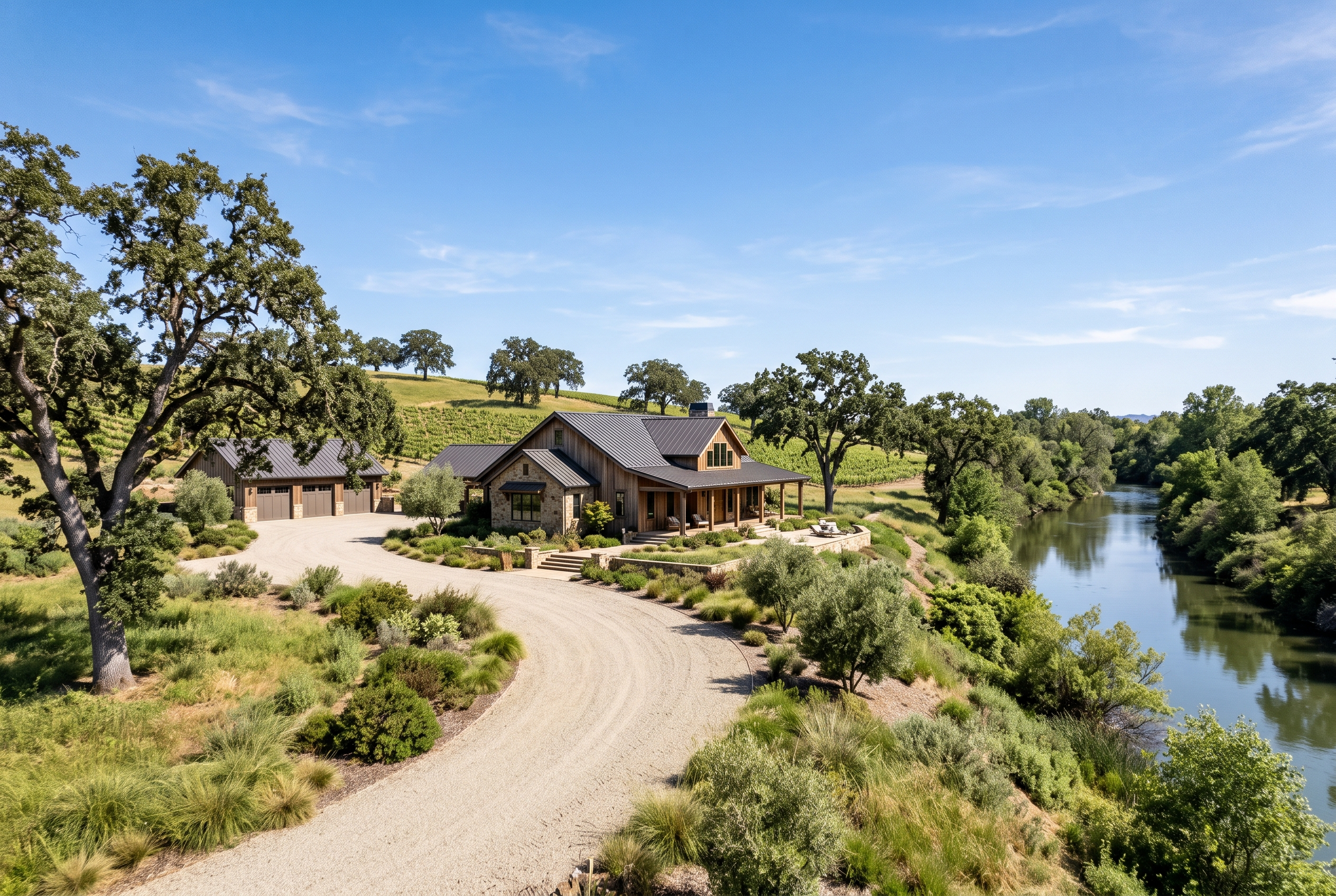
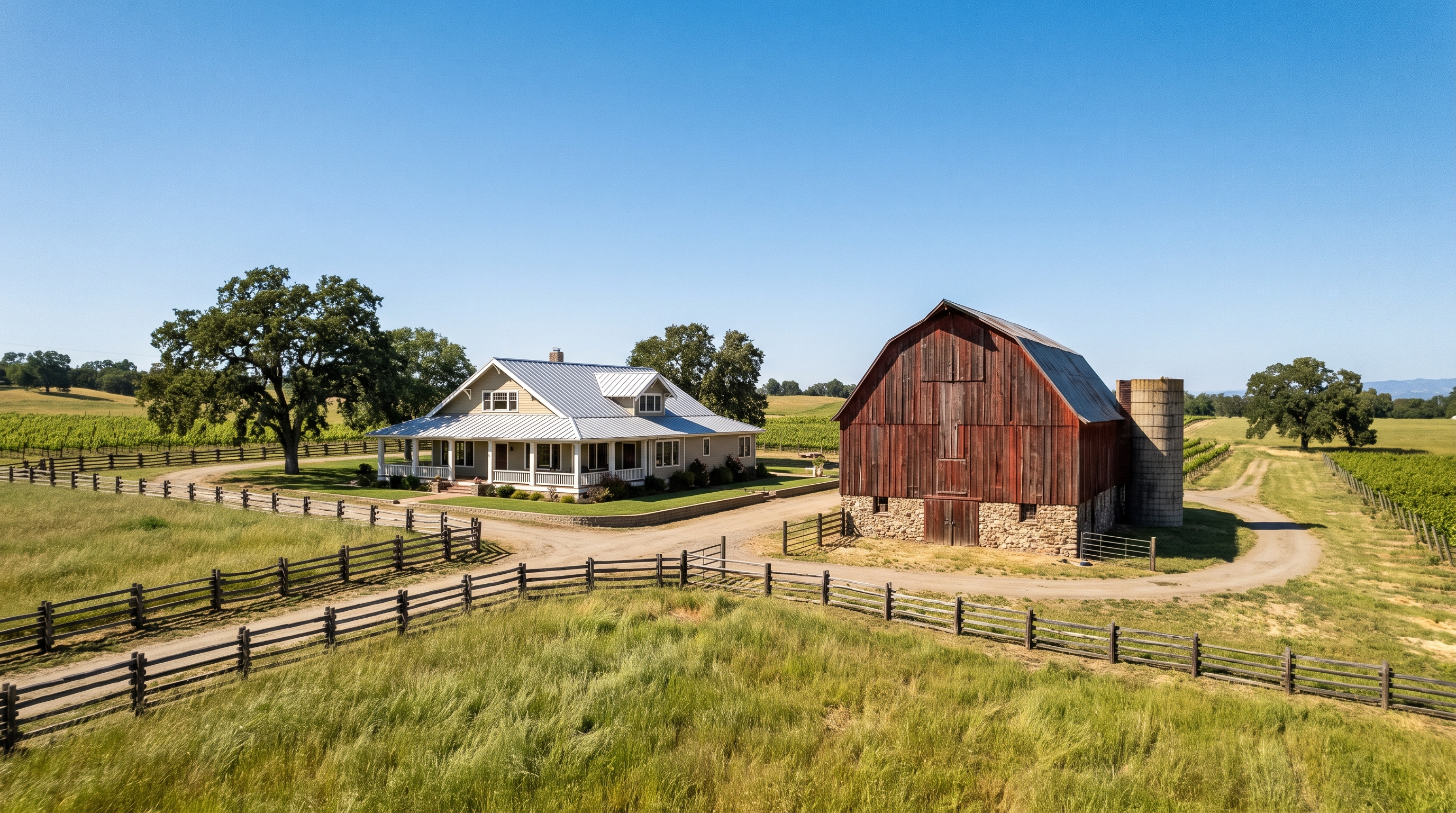
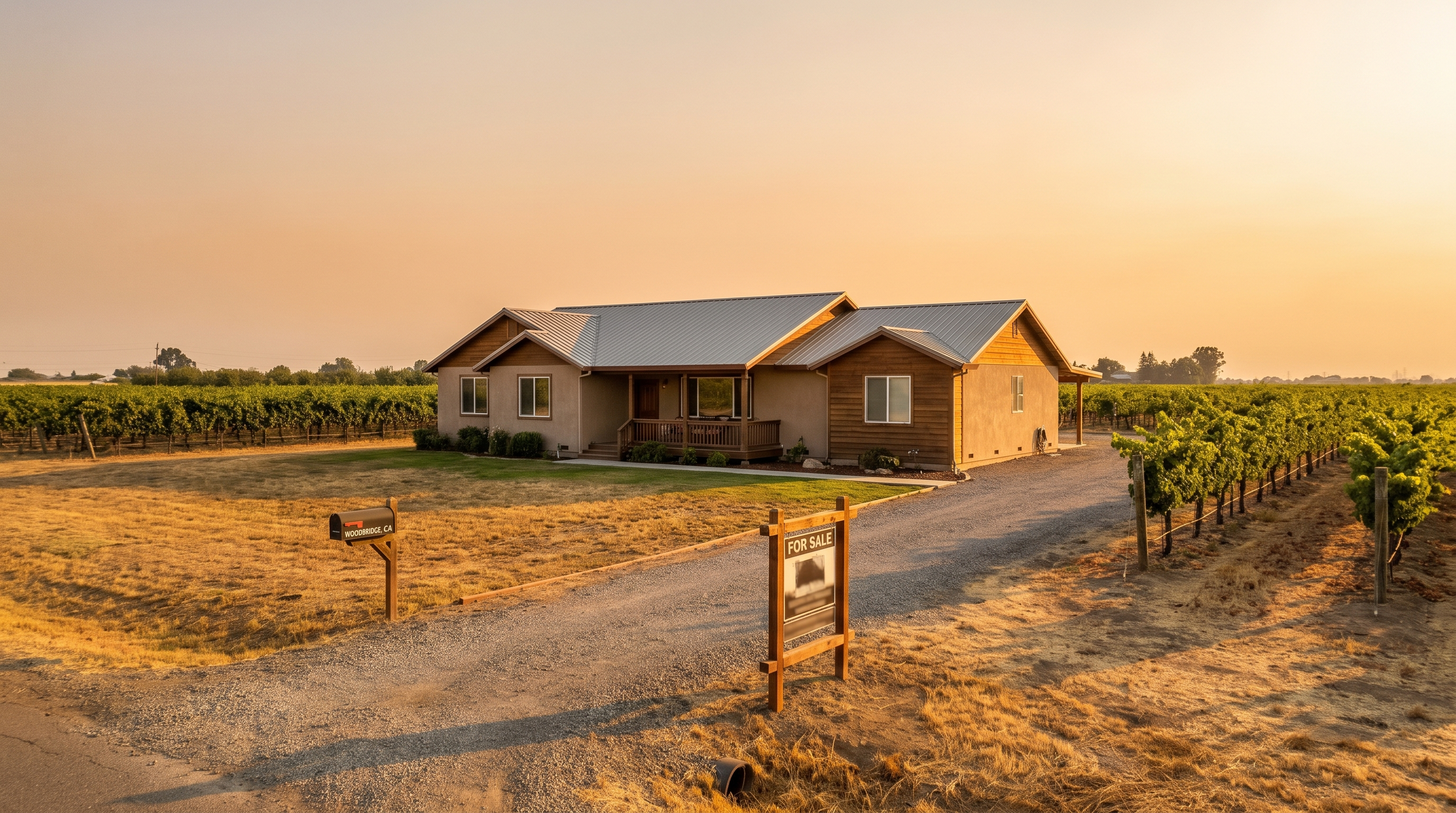
These vineyard-adjacent homes aren't all the same. Some are ranch-style homes on an acre or two. Some are larger properties with real acreage. A few sit right up against working vineyards. What they share is a slower, more private feel than a typical in-town street.
The Lifestyle Near the Vineyards
Let's start with the good part, because it's genuinely lovely.
Privacy, views, and room to breathe
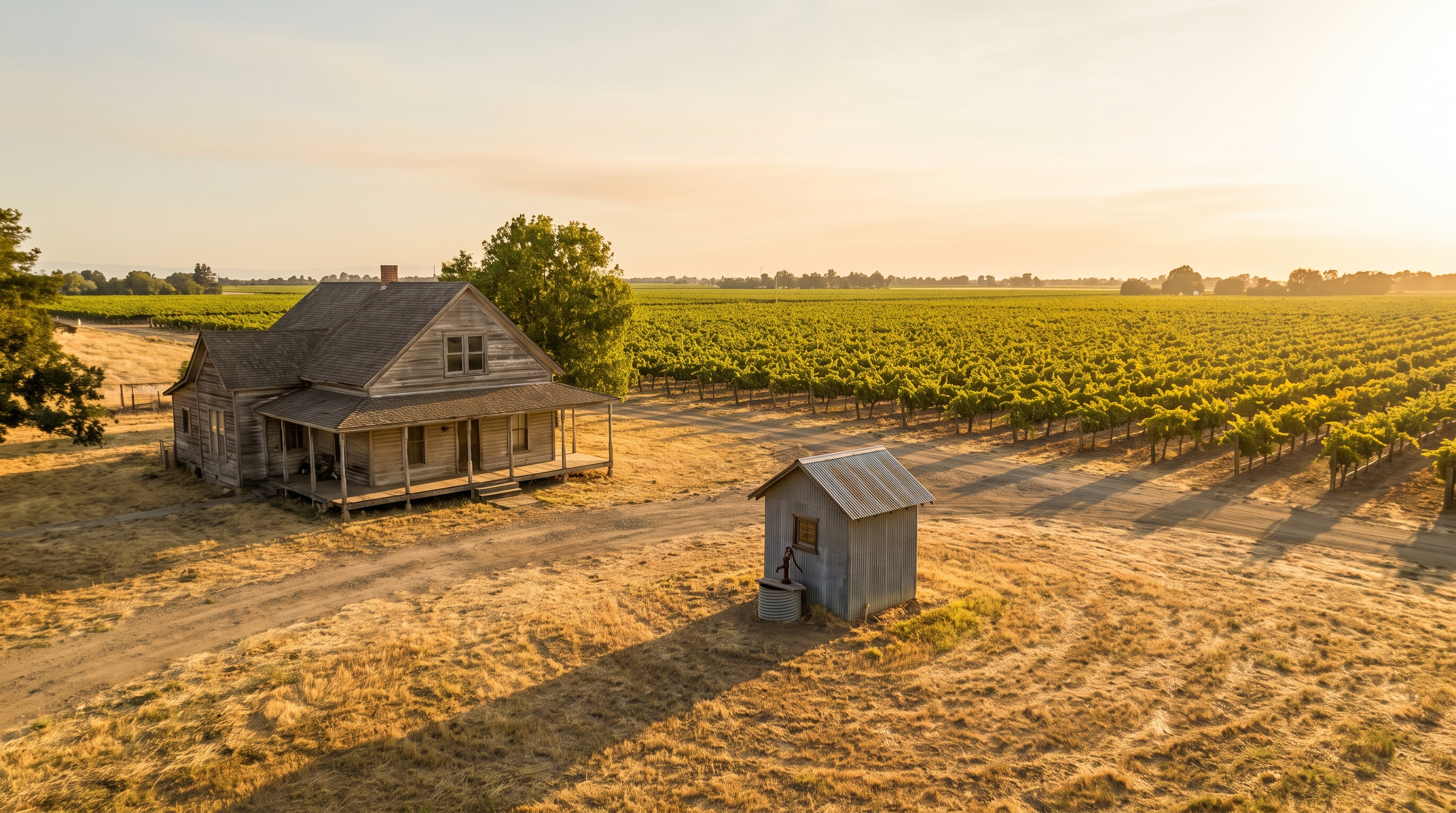
The biggest draw is space. Vineyard-adjacent homes tend to have bigger lots, more distance between neighbors, and views that change with the seasons, green in spring, golden at harvest, bare and quiet in winter. If you've been craving a place where you can hear yourself think, this is it.
The wine and food scene
You're minutes from dozens of tasting rooms and a downtown that's grown into a real food-and-wine destination. Weekend afternoons can mean a tasting flight, a farmers market, or dinner on School Street. If you want a feel for the heart of town, our guide on what downtown Lodi and School Street are like is a nice companion to this one.
Events and seasons
Lodi leans into its wine identity with seasonal events and festivals throughout the year. Living nearby means you're close to all of it without fighting cross-town traffic. And when you want green space and water instead of vines, living near Lodi Lake is a short drive away.
Still connected to town
Here's what surprises people: rural doesn't mean far. Many vineyard-adjacent homes are only a few minutes from grocery stores, schools, and the freeway. You get country quiet with town convenience, which is a rare combination. If you commute, our overview of the commute from Lodi to Sacramento and the Bay Area will help you plan.
What Buyers Should Verify Before Buying Rural
This is the part that separates a happy purchase from a headache. Rural and vineyard-adjacent homes come with systems and rules that in-town homes usually don't. None of these are dealbreakers, they're just things to check.
Water: wells and water rights
Many rural homes near Lodi rely on a private well rather than city water. That means you'll want to understand the well's condition, depth, output, and water quality. Get it tested and inspected, and ask about maintenance history. If a property has agricultural water or shared water arrangements, confirm exactly how that works.
Septic systems
Instead of a city sewer, most of these homes use a septic system. Ask when it was last inspected and pumped, where the leach field is, and whether it's sized for the home. A septic inspection is well worth it.
Zoning and agricultural use
Rural parcels often carry agricultural or mixed zoning, which affects what you can and can't do, from building to keeping animals to running anything commercial. Confirm the zoning with the county and don't assume you can change the land's use.
Road access and easements
Some properties are reached by shared or private roads, and some have easements that let others cross the land. Find out who maintains the road and read any easement details carefully so you know your rights and responsibilities.
Insurance and financing
Insuring a rural property can differ from insuring a standard in-town home, especially around fire risk and outbuildings. Talk to a licensed insurance agent early. Financing can differ too, particularly if there's acreage or agricultural zoning, so loop in a licensed lender before you get attached to a specific parcel.
Please treat all of the above as things to confirm with the right licensed professionals. I'm happy to help you line up the inspections and questions, but water, zoning, insurance, and financing details should always be verified by a licensed pro for your specific property.
How the Buying Process Usually Works
Buying a vineyard-adjacent home follows the same bones as any purchase, with a few extra checkpoints. Here's the general flow.
- Talk to a licensed lender first, and mention that you're looking rural so they can flag anything about acreage or zoning.
- Get clear on your must-haves, like acreage, well vs. city water, or proximity to specific vineyards.
- Tour properties and walk the land, not just the house. Look at outbuildings, fences, and how the lot drains.
- Order the right inspections, including well, septic, and a standard home inspection.
- Verify zoning, easements, and insurance with the county and a licensed insurance agent.
- Write an informed offer once the big questions are answered.
That's the precision-beats-panic mindset. When you check the important things up front, the rest of the process stays calm.
Common Mistakes to Avoid
Skipping the well and septic inspections
These are the two systems most likely to surprise you. Inspect them before you're emotionally committed.
Assuming you can change the zoning
Agricultural zoning exists for a reason. Confirm what's allowed before you dream up a plan the county won't approve.
Overlooking road and easement details
Who maintains the driveway or shared road? Who has the right to cross the land? Read it in writing.
Forgetting to price out insurance
Rural insurance can differ from a city policy. Get a quote from a licensed insurance agent early so it doesn't reshape your budget later.
Not confirming financing for acreage
Some loans handle acreage and ag zoning differently. Talk to a licensed lender before you fall for a specific property.
Treating a rural home like an in-town home
Bigger lots mean more upkeep, from wells to landscaping to fences. Go in with eyes open and it's a joy, not a chore.
A Quick Real-World Scenario
Imagine a family that's tired of tight lots and wants room for a garden and a couple of chickens, with vineyard views to boot. They find a ranch-style home on a couple of acres near the edge of the Lodi AVA. It's perfect, until we look closer and realize the property is on a well and septic, with a shared driveway. None of that is a problem, but it changes the inspection list. We test the well, check the septic, read the driveway agreement, and get an insurance quote. Everything checks out, they buy with confidence, and now they've got their garden and their view. The difference was doing the homework before the offer, not after.
Frequently Asked Questions
What does living near Lodi wine country actually cost?
It varies widely by lot size, condition, and acreage, so there's no single number. Start with general ranges, then verify current pricing and any special considerations with a local agent and a licensed lender.
Do vineyard-adjacent homes have city water?
Often not. Many rely on a private well. Always confirm the water source and get the well tested and inspected before buying.
Can I plant my own vineyard or keep animals?
Maybe, depending on zoning and lot size. Confirm the parcel's zoning and any restrictions with San Joaquin County before you count on it.
Is it hard to get a loan on a rural property?
It can work differently than a standard in-town loan, especially with acreage or agricultural zoning. Talk to a licensed lender early so you know your options.
Is insurance more expensive out there?
It can differ, particularly around fire risk and outbuildings. Get a quote from a licensed insurance agent early in your search.
How far is a vineyard home from downtown Lodi?
Often just a few minutes. Many rural-edge homes are surprisingly close to grocery, schools, and the freeway, giving you country quiet with town convenience.
Ready to Find Your Vineyard-Adjacent Home?
If living near the vines sounds like your kind of life, here are three simple first steps:
- Get pre-approved with a licensed lender who knows you're shopping rural, so acreage and zoning are handled up front.
- Make a list of your land must-haves, from acreage to well vs. city water to how close you want to be to town.
- Reach out and let's walk a few properties together, with the right inspections and questions lined up so there are no surprises.
Jeremiah Patterson is a real estate agent in Lodi and Stockton, California (San Joaquin County) helping buyers find rural and vineyard-adjacent homes that fit their life. With experience since 2016, a 5.0 rating across verified client reviews, and Masters Club Lifetime Member status, Jeremiah lives in Lodi and serves Lodi, Woodbridge, Acampo, Stockton, and Galt. His wife is an interior designer, and his whole philosophy is simple: your dream life is closer than you think, and precision beats panic. It's the heart of his Carefree Home Buying Process.
Jeremiah Patterson Cornerstone Real Estate Group 224 W Pine St, Lodi, CA 95240 Phone (209) 329-7238 Email jeremiah@sellingsanjoaquin.com CA DRE #02017640 · Brokerage DRE #01037761 experience since 2016
Categories
Recent Posts

GET MORE INFORMATION