Living in Morada, Stockton (95212): Larger Lots and Estate Homes
If you want more land, more privacy, and room for the things a standard subdivision can't hold (RVs, a shop, a few animals, a big garden) Morada is one of the first places people look in the Stockton area. Tucked into the northeast edge of Stockton along the 95212 ZIP code and reaching up toward Lodi, Morada is a semi-rural, estate-style pocket known for larger lots, custom and ranch-style homes, and a quieter, more spread-out feel than the city's typical neighborhoods. For buyers who feel boxed in by a small lot and an HOA, it can feel like a different world only minutes from Highway 99.
Whether Morada is right for you comes down to how you weigh space against services. Many homes here sit on well and septic rather than city water and sewer, lots are big, and the lifestyle leans rural even though you're close to shopping and freeways. This guide walks through the honest picture, the character of the area, the homes, the trade-offs, and the specific things to check before you buy.
TL;DR: Morada is an unincorporated, semi-rural community on the northeast side of Stockton in the 95212 ZIP code, sitting between the city and Lodi's wine country. It's known for larger lots (often a third of an acre up to a few acres), custom and ranch-style estate homes, and room for RVs, animals, workshops, and hobbies that don't fit a normal subdivision. Many properties rely on private wells and septic systems instead of city utilities, and some areas fall under county rather than city services. The appeal is space, privacy, and a country feel with quick Highway 99 access and Lodi wine country nearby. The trade-offs are the responsibilities that come with acreage and private systems, which is exactly why inspections and verification matter more here than in a standard tract home.
The Quick Answer for Space-Seeking Buyers
If you're deciding whether Morada fits, here's the short version.
Morada tends to be a strong fit if you:
- Want a larger lot, room for an RV, boat, trailer, shop, or garden
- Like the idea of a few animals, a hobby orchard, or simply more distance from your neighbors
- Prefer a custom or ranch-style home over a cookie-cutter subdivision layout
- Value privacy and space, and are comfortable maintaining a bigger property
- Want a country feel while staying close to Highway 99, Stockton shopping, and Lodi
Morada may be a weaker fit if you:
- Want city water and sewer and prefer not to manage a well or septic system
- Prefer low-maintenance living with a small yard and someone else handling the grounds
- Need to be within walking distance of stores, transit, or dense amenities
- Aren't comfortable budgeting for the upkeep that acreage and private systems require
Most of what follows is about helping you figure out which list you land on, and, if it's the first one, how to buy here with your eyes open.
Where Morada Is (and Why the Location Shapes the Lifestyle)
Morada sits on the northeast side of Stockton in San Joaquin County, largely within the 95212 ZIP code. It's an unincorporated area, which means parts of it are governed by the county rather than the city of Stockton, and that distinction can affect which services and rules apply to a given property. A few reference points:
- Just northeast of Stockton's city core, off Highway 99
- Roughly a 15-to-20-minute drive south of Downtown Lodi, depending on where you start
- Close to the wineries and open country of the Lodi American Viticultural Area to the north
- Near the Calaveras River corridor and the more rural stretches east of the city
Location is the whole story here. Morada gives you a semi-rural, spread-out setting (bigger parcels, mature trees, quieter roads) while keeping you minutes from freeway access, grocery stores, and the amenities of a mid-sized city. For a lot of buyers, that blend of "country enough to breathe, close enough to be practical" is the entire reason they look here instead of deeper into the county.
Because it's an unincorporated pocket, the exact boundaries of what people call "Morada" can be fuzzy, and two homes a mile apart can have different service arrangements. That's not a problem. It just means you verify the specifics for the actual address rather than assuming the whole area works one way.
The Semi-Rural, Estate Character
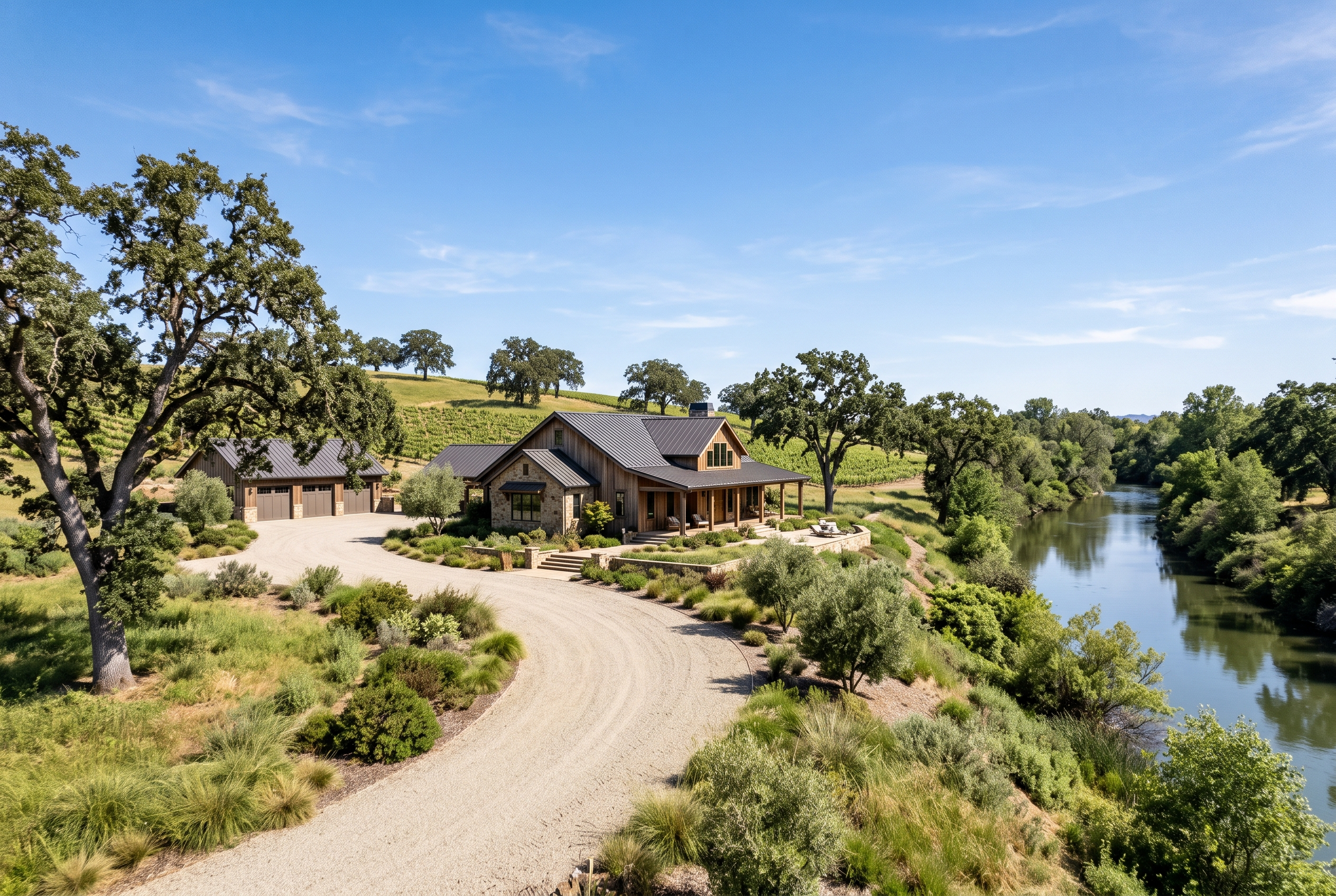
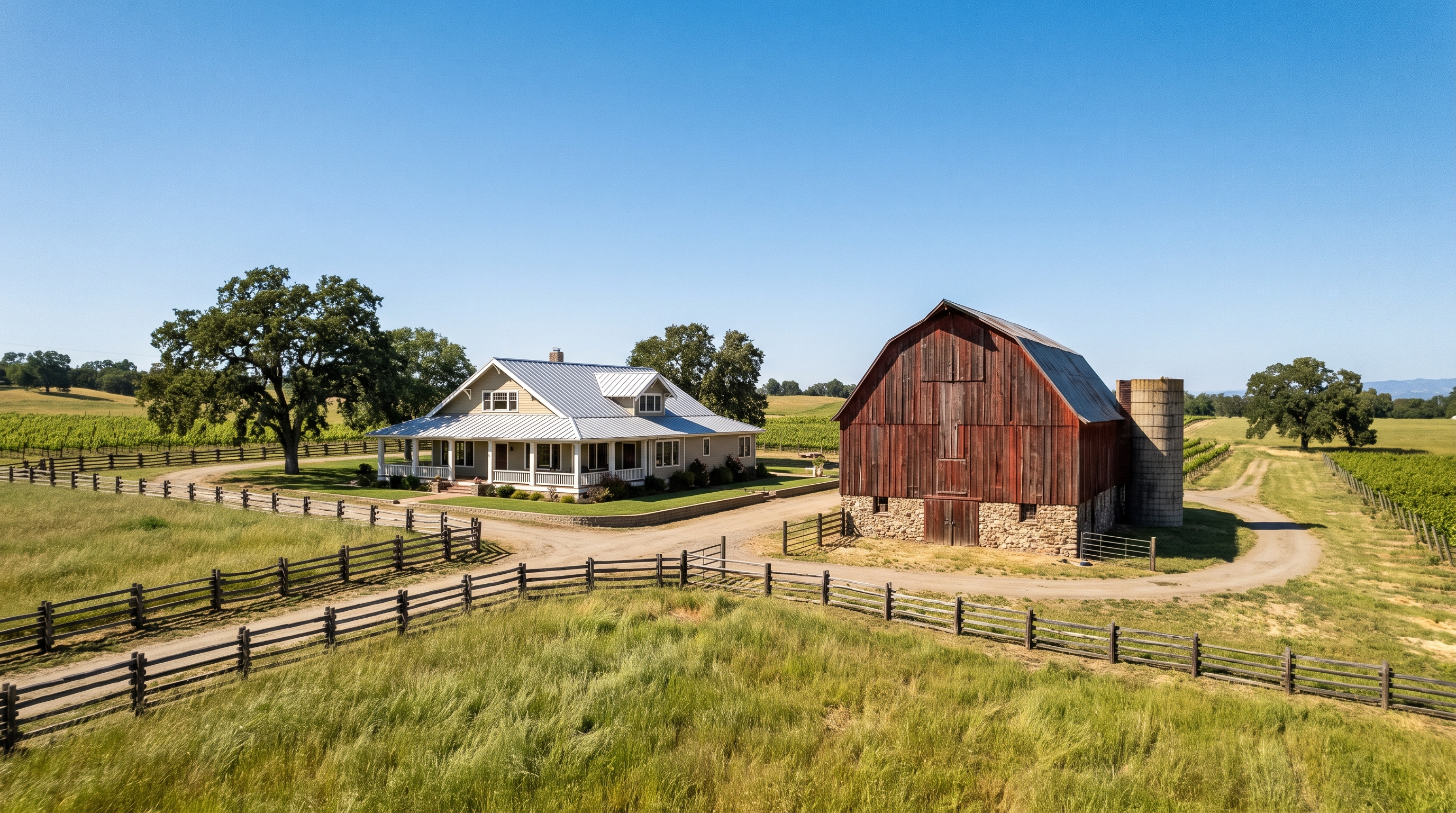
Morada reads as country before it reads as city. Instead of sidewalks, streetlights, and rows of similar rooflines, you tend to find larger parcels, longer driveways, mature landscaping, and homes set back from the road. The pace is slower and the spacing is wider, which is exactly what draws people who have grown tired of hearing their neighbors through the fence.
What tends to define the feel:
- Space between homes. Lots are generally larger, so you're not shoulder-to-shoulder with the next house.
- A mix of home ages and styles. You'll find established ranch homes alongside newer custom builds, rather than one uniform subdivision look.
- Room to do things. Many properties have space for a workshop, a barn or outbuilding, RV and boat parking, a garden, or a few animals.
- A quieter soundscape. Less through-traffic and more distance generally means a calmer everyday environment.
For buyers relocating from a denser area, or moving up from a smaller Stockton or Lodi lot, the change is usually the first thing they mention. It tends to feel less packed-in and more like a place you can spread out and settle into. Whether that reads as "peaceful" or "too far from things" is personal, and it's worth driving the area at a few different times before deciding.
Larger Lots and Custom, Ranch-Style Homes
The headline reason people buy in Morada is land. Lot sizes here commonly run larger than a standard city parcel, often from roughly a third of an acre up to a couple of acres or more, depending on the street and the property. That extra ground is what makes the rest of the lifestyle possible.
The homes themselves tend to reflect the setting:
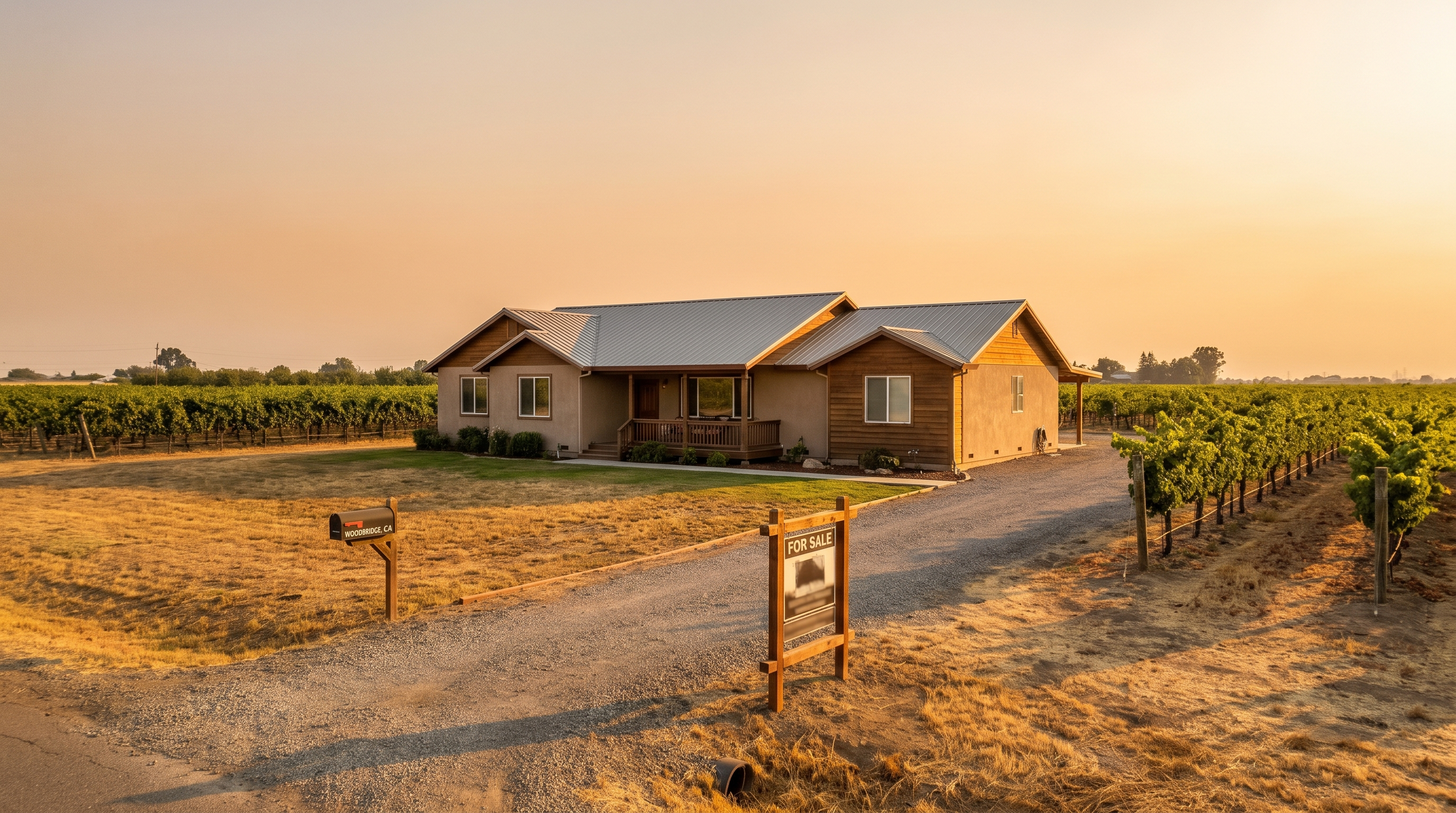
- Ranch-style and single-story layouts are common, matching the spread-out, horizontal feel of the area.
- Custom and semi-custom builds show up more than in tract neighborhoods, so floor plans and finishes vary from house to house.
- Outbuildings (detached shops, garages, barns, and storage structures) are a frequent and prized feature.
- Mature trees and established landscaping are typical, since many properties have been in place for years.
Because homes here are less standardized, comparing one to another takes more nuance than in a subdivision where every third house is the same model. Two properties on similar-sized lots can differ a lot in usable space, outbuilding quality, well and septic condition, and how the land actually functions day to day. This is one of the areas where working through the details carefully, not just the listing price, really pays off.
Room for RVs, Animals, and a Shop
For a certain kind of buyer, Morada solves a specific frustration: the standard subdivision has nowhere to put the stuff that matters to you. Here, the land often makes room for it.
Depending on the property and its zoning, larger lots in and around Morada may support:
- RV, boat, and trailer parking on your own land instead of a storage yard
- A detached shop or garage for projects, tools, or a home-based hobby
- A garden, orchard, or space to grow at a real scale
- A limited number of animals, horses, chickens, or other livestock in some areas
The important caveat: what you're allowed to do depends on the parcel's zoning and any applicable county rules, and it varies from property to property. Keeping horses, running a home business out of a shop, or adding an outbuilding are all things that hinge on the specific zoning and permits for that address. Don't assume, confirm what a given property actually allows before you count on it. A good agent will help you ask the county the right questions rather than guessing.
Well and Septic vs. City Services
This is the single most important practical difference between Morada and a typical Stockton neighborhood, so it's worth slowing down on.
Many properties in Morada rely on private wells for water and septic systems for wastewater rather than city water and sewer. Some areas may have different arrangements, and service boundaries in an unincorporated pocket like this aren't uniform, which is exactly why you verify per property rather than assuming.
Here's the honest framing. Wells and septic aren't a problem; millions of homes run on them well. They're simply a different set of responsibilities than flipping on a city tap:
- A private well means you're responsible for the pump, the water quality, and periodic testing. Water output (often described as flow rate or gallons per minute) and water quality can vary, so both are generally worth testing during your inspection period.
- A septic system means your wastewater is handled on-site in a tank and leach field, which need periodic pumping and maintenance and have a finite service life. A septic inspection can tell you the system's condition and rough remaining life.
- No monthly water/sewer bill, but you take on the maintenance and eventual repair or replacement costs yourself, which is a trade to budget for.
- Service and utility questions (trash, and in some cases which agency handles what) can differ in unincorporated areas, so confirm what applies to the specific address.
None of this should scare off a prepared buyer. It should simply be planned for. The buyers who are happiest on well and septic are the ones who went in knowing exactly what they were taking on, because they inspected and verified up front instead of finding out later. Confirm the current status and any local health-department requirements for the property you're considering, and lean on the professionals handling your transaction for specifics.
Privacy and Space: The Real Appeal
Strip away the technical details and the reason people love Morada comes down to two words: privacy and space. After years in a tight lot (sharing fences, backing up to neighbors, negotiating street parking) a larger parcel can feel like exhaling.
What that space tends to buy you day to day:
- Distance from neighbors, which many people find calming and private
- Room for your life to expand, projects, hobbies, gardening, kids and pets with space to roam
- Quiet, thanks to less through-traffic and more setback from the road
- A sense of ownership over your surroundings, not just your four walls
For move-up buyers especially, this is often the emotional core of the decision. The people who thrive here aren't chasing "bigger" for its own sake. They want right: enough room to stop feeling boxed in, in a setting that fits how they actually want to live. That's a very different goal than simply upgrading square footage, and it deserves a home search built around it.
Commuting and Getting Around
Morada's location keeps it practical despite the country feel. Highway 99 runs along the area's western edge, which is the main artery for getting almost anywhere in the region.
A realistic read on getting around:
- Highway 99 access puts Stockton's core, shopping, and services within a short drive.
- Lodi is close, commonly around 15 to 20 minutes to Downtown Lodi, making it easy to enjoy wine country, dining, and events.
- Sacramento is reachable up Highway 99 for work or bigger-city trips, often in the range of 45 minutes to an hour depending on traffic and your destination.
- The Bay Area is a longer haul, as it is from anywhere in San Joaquin County; if that's your daily commute, run your actual door-to-door time before committing.
The practical point for buyers: Morada tends to work best when you value space and can accept a car-dependent, spread-out lifestyle. This is not a walk-to-the-store neighborhood, you drive for most things, but the freeway access keeps those drives short for regional trips. Where you buy within the area can shave time off a commute, so factor your specific route into the search.
Proximity to Lodi Wine Country
One underrated perk of Morada is how close it sits to the Lodi wine region. Head a short distance north and you're into the vineyards and tasting rooms of the Lodi AVA, known for its old-vine Zinfandel and dozens of small, family-run wineries.
For residents, that proximity tends to show up as lifestyle:
- Easy weekend access to tasting rooms and harvest-season events
- The open, agricultural landscape of the Lodi countryside close at hand
- Downtown Lodi's walkable dining and shopping only a short drive away
- A rural setting that connects naturally to the wine-country feel to the north
If part of the appeal of leaving a dense neighborhood is being closer to open land and a slower, more scenic pace, Morada's position between Stockton and Lodi delivers a lot of that without giving up city convenience.
Who Morada Tends to Suit
Pulling it together, Morada tends to be a good fit for:
- Space and estate buyers who specifically want a larger lot, outbuildings, and room for RVs, animals, or projects
- Move-up buyers who've outgrown a smaller home and want the next one to be a long-term place with room to grow
- Buyers relocating to the area who want land and privacy near, but not inside, a city
- Hobbyists and hands-on owners, car and toy collectors, gardeners, small-scale animal keepers, home-shop tinkerers
- People who value privacy and quiet and are comfortable trading some convenience and services for it
It tends to be a harder fit for someone who wants low-maintenance living, a small easy-care yard, city utilities without the well-and-septic responsibilities, or a walkable, amenity-dense neighborhood. There's no wrong answer here. It just means matching the property type to how you actually want to spend your time and energy.
The Trade-Offs to Weigh Honestly
Every location asks you to trade something. In Morada, the trade is usually convenience and simplicity for space and privacy. Weigh these openly:
- More land means more maintenance. Bigger lots, landscaping, and outbuildings take time and money to keep up.
- Private systems mean private responsibility. Wells and septic put water and wastewater upkeep on you rather than a city utility.
- Country living is car-dependent. Expect to drive for most errands; this isn't a walkable neighborhood.
- Homes are less standardized. Custom properties are wonderful but harder to compare apples-to-apples, so due diligence matters more.
- Unincorporated rules vary. Zoning, permits, and services differ by parcel, so what one property allows may not match its neighbor.
None of these are dealbreakers. They're simply the honest cost of the lifestyle. The buyers who love Morada long-term are the ones who understood the trade-offs before they signed, not after.
Buyer Tips: How to Buy Smart in Morada
Because homes here come with land and often private systems, the inspection and verification phase carries more weight than in a standard subdivision. A calm, thorough process up front prevents surprises later. A few specifics worth building into your plan:
- Inspect the well. Test water quality and check the flow rate and pump condition. Ask for records of past testing and any treatment systems in place.
- Inspect the septic system. Get a dedicated septic inspection to learn the tank and leach-field condition, when it was last pumped, and its rough remaining service life.
- Verify zoning and permitted uses. If keeping animals, adding an outbuilding, running a home shop, or parking an RV matters to you, confirm the parcel's zoning and any county rules for that address before you count on it.
- Confirm which services apply. In an unincorporated area, check what's city vs. county (water, sewer or septic, trash, and who handles what) for the specific property.
- Check permits on outbuildings and additions. Shops, barns, and additions should have proper permits; unpermitted work can create issues down the road.
- Budget for acreage upkeep. Factor in landscaping, well and septic maintenance, and the eventual repair or replacement costs that come with owning private systems.
- Compare properties on more than price. Usable land, outbuilding quality, and system condition can make two similarly priced homes very different values.
This is the kind of preparation that separates a smooth purchase from a stressful one. Precision beats panic: when you know the well's flow rate, the septic's condition, and exactly what the zoning allows before you write an offer, you're buying with confidence instead of crossing your fingers.
How a Local Agent Helps in a Market Like This
Estate and semi-rural properties reward local knowledge in a way tract homes don't. The details that matter (wells, septic, zoning, outbuilding permits, and how a specific pocket of an unincorporated area actually functions) aren't printed on the listing.
Jeremiah Patterson is a real estate agent who lives in Lodi and serves the surrounding communities, including Stockton and the Morada area. Since 2016 in real estate he has earned a 5.0 rating across verified client reviews and Masters Club Lifetime Member recognition. He focuses on move-up buyers, relocations, and out-of-state moves, the exact situations where a buyer is trading a smaller home for more land and needs someone to help them weigh the real trade-offs, not just the asking price.
His approach comes down to a simple idea: precision beats panic. Rather than rushing you toward a property, the goal is to help you test what actually matters, the condition of the well and septic, what the zoning allows, whether the land truly fits your plans, and a budget that accounts for acreage upkeep, so the move feels right five years from now, not just on move-in day. That preparation is the heart of what he calls the Carefree Home Buying Process: thinking two steps ahead so that by the time you find the right property, the stressful hurdles are already cleared. Having personally moved up from a smaller home to a larger one, he understands the mix of excitement and nerves that comes with stretching for more space.
Common Mistakes Buyers Make in Morada
Treating Well and Septic as an Afterthought
The most common misstep. Buyers focused on the house sometimes skim past the water and wastewater systems, then face a surprise repair. Inspect and test both during your contingency period, and budget for their upkeep from day one.
Assuming You Can Do Anything on a Big Lot
Land does not automatically mean freedom. Keeping horses, building a shop, or parking an RV can hinge on the parcel's zoning and county rules. Confirm permitted uses for the specific address before you count on your plans.
Overlooking the City-vs-County Distinction
Because Morada is largely unincorporated, services and regulations can differ from the city of Stockton and even from one property to the next. Don't assume city services or city rules apply, verify what governs the exact home you're considering.
Underestimating Acreage Maintenance
A larger lot, mature trees, and outbuildings are wonderful, but they take real time and money to maintain. Buyers used to a small subdivision yard sometimes underestimate the ongoing work and cost of a semi-rural property.
Skipping Permit Checks on Outbuildings
That great shop or converted barn adds value only if it was built and permitted properly. Unpermitted structures and additions can create headaches at resale or with the county, so confirm the permits before you fall in love with them.
Comparing Custom Homes as if They Were Identical
In a subdivision, comps are easy. In Morada, two homes on similar lots can differ dramatically in usable land, system condition, and outbuildings. Judge each property on its full picture, not just price per square foot.
Frequently Asked Questions About Living in Morada, Stockton (95212)
Where is Morada located?
Morada is an unincorporated, semi-rural community on the northeast side of Stockton in San Joaquin County, largely in the 95212 ZIP code. It sits between Stockton and Lodi, with Highway 99 along its western edge and Lodi wine country a short drive to the north.
Why are the lots in Morada larger than in typical Stockton neighborhoods?
Morada developed as a more rural, estate-style area rather than as standard city subdivisions, so parcels tend to be bigger, commonly from about a third of an acre up to a couple of acres or more. That extra land is what gives the area its room for RVs, shops, gardens, and, in some areas, animals.
Do homes in Morada have city water and sewer or well and septic?
Many properties in Morada rely on private wells and septic systems rather than city water and sewer, though arrangements vary by property. Because it's an unincorporated area, service details aren't uniform, so it's important to verify the exact setup for any specific home you're considering.
Can I keep animals or park an RV on a Morada property?
Often yes, but it depends on the parcel's zoning and any applicable county rules, which vary from property to property. If keeping horses, chickens, or parking an RV or boat matters to you, confirm the permitted uses for that specific address before making an offer.
How far is Morada from Lodi and Sacramento?
Downtown Lodi is commonly about 15 to 20 minutes away, and Sacramento is reachable up Highway 99, often in the range of 45 minutes to an hour depending on traffic and your destination. The Bay Area is a longer commute, as it is from anywhere in San Joaquin County.
What should I inspect before buying an estate property in Morada?
At a minimum, test the well's water quality and flow rate, get a dedicated septic inspection, verify zoning and permitted uses, confirm which services are city vs. county, and check that outbuildings and additions were properly permitted. This due diligence matters more here than in a standard subdivision.
Is Morada a good fit for move-up buyers?
For many, yes. Buyers who've outgrown a smaller home and want land, privacy, and room to grow, without moving far from the city, often find Morada appealing. The key is going in prepared for the responsibilities that come with a larger, semi-rural property.
Ready to Explore Morada?
If you're drawn to more land, more privacy, and a home with room for the life you actually want to live, Morada is worth a serious look, and you don't have to commit to buying just to get clear answers. A good starting point is three things:
- An honest look at what you want the extra space to do, RVs, a shop, animals, a garden, or simply distance from neighbors
- A tour of properties with a careful eye on wells, septic, zoning, and outbuildings, not just the house itself
- A plan that lines up your move, including a move-up or out-of-state one, around your timeline and budget
Jeremiah Patterson is a real estate agent in the Lodi and Stockton area who helps buyers move up, relocate, and settle into the right property across Lodi, Woodbridge, Acampo, Stockton, and Galt. With experience since 2016, a 5.0 rating across verified client reviews, and Masters Club Lifetime Member recognition, his whole philosophy comes down to one idea: your dream life is closer than you think, and getting there calmly starts with a plan.
Jeremiah Patterson Cornerstone Real Estate Group Phone (209) 329-7238 Email jeremiah@sellingsanjoaquin.com CA DRE #02017640 experience since 2016
Categories
Recent Posts

GET MORE INFORMATION