How Do You Sell a Rental or Tenant-Occupied Property in Lodi?
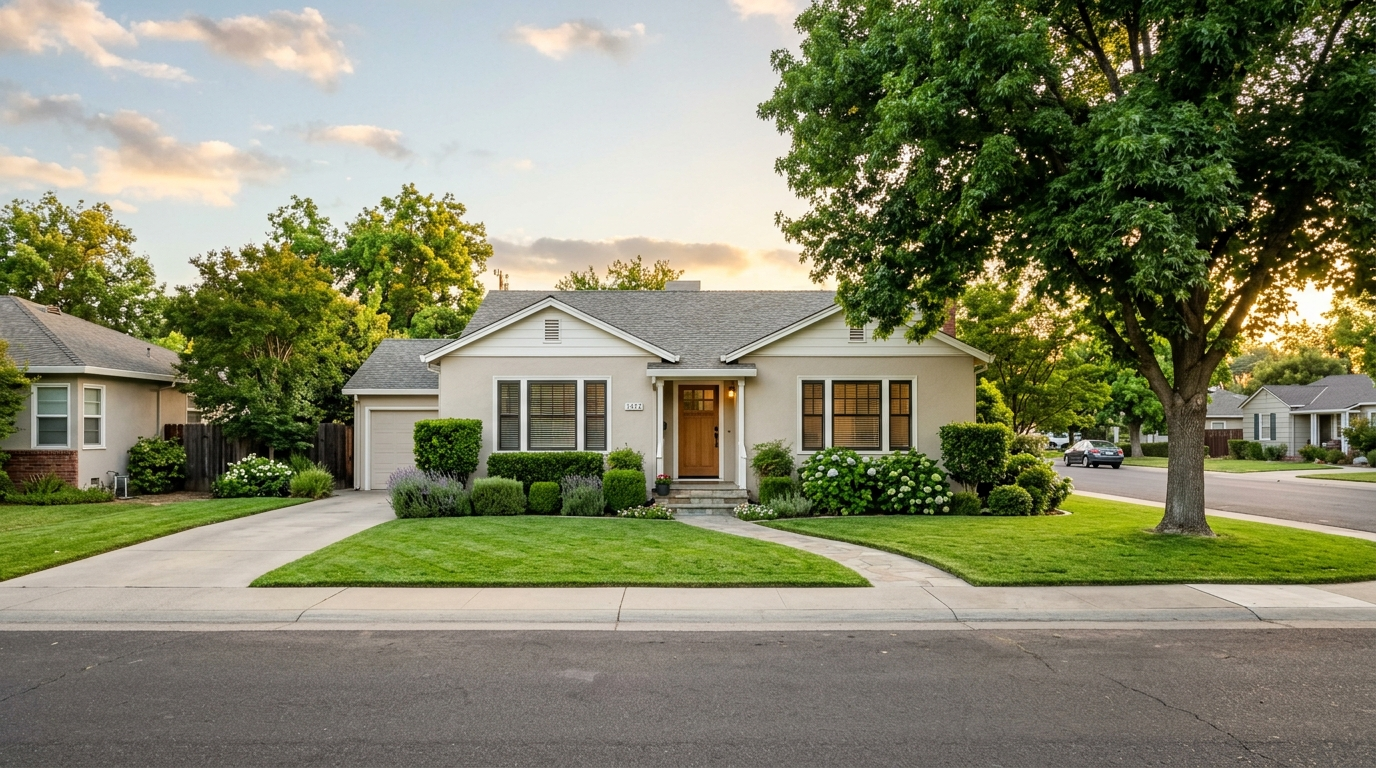
Selling a tenant-occupied rental in Lodi means navigating lease terms, notice requirements, and showing logistics before you ever list, and REALTOR® Jeremiah Patterson helps landlord-sellers decide whether to sell with tenants in place or wait for vacancy, since either path can work depending on the lease and buyer pool.
TL;DR: You can sell a Lodi rental with tenants still in it or after they've moved out. Selling occupied preserves rental income and can attract investor buyers, but limits your buyer pool and requires tenant cooperation for showings. Selling vacant opens the door to owner-occupant buyers, who often pay more, but means a gap in rental income. California and local notice requirements apply either way, so confirm specifics with an attorney.
Should You Sell With Tenants in Place or Wait for Vacancy?
This is the central decision, and it comes down to your lease terms, your tenant's cooperation, and who you expect to buy the property. If your tenant has a fixed-term lease, buyers, especially owner-occupants, may not want to inherit it. If your tenant is month-to-month or the lease is close to ending, you have more flexibility. Investor buyers often prefer occupied properties, since it means immediate rental income with no vacancy gap; owner-occupant buyers almost always want vacant possession.
There's also a financial trade-off worth naming directly. Selling occupied can mean a somewhat smaller buyer pool, since you're limited mostly to other landlords and investors, but it also means no lost rental income during your sale process, and no vacancy-related carrying costs while you wait for a buyer. Selling vacant often opens up a larger, sometimes higher-paying buyer pool of owner-occupants, but comes with a gap in rent and the carrying costs of an empty property in the meantime. Neither is automatically better; it depends on your specific numbers.
What Does the Process Look Like, Step by Step?
- Review your lease. Confirm the lease type, remaining term, and any clauses about sale or showings. This shapes every decision after.
- Decide your target buyer. An investor buyer may want the lease to stay in place; an owner-occupant buyer will need vacant possession at closing.
- Communicate with your tenant early. California law requires proper notice for showings and for lease termination if you're selling vacant. Confirm current notice periods and procedures with a real estate attorney.
- Coordinate showings around the lease. If tenants stay through the sale, showings need advance notice and tenant cooperation. Some sellers offer a small incentive for flexibility.
- Get a home evaluation that accounts for occupancy. Occupied and vacant properties can appraise and market differently; make sure your valuation reflects your actual plan.
- List and market to the right audience. Marketing an occupied rental to investors looks different than marketing a vacant home to families; your agent should tailor accordingly.
- Close with clear possession terms. The purchase contract should spell out exactly when the tenant, or the buyer, takes possession.
What Are Tenants' Rights When a Rental Sells?
A sale doesn't automatically end a lease. If your tenant has a valid lease, it generally transfers with the property unless the lease says otherwise or both parties agree to end it early. Month-to-month tenants typically require proper written notice to vacate. Local and state rules around notice periods, relocation assistance, and just-cause eviction can apply depending on your situation, so confirm current requirements with a licensed real estate attorney before you act.
How Do You Keep Tenants Cooperative During the Sale?
A sale can feel disruptive and uncertain from a tenant's point of view, and their cooperation matters a lot for how smoothly showings and inspections go. Being upfront early, explaining the timeline, what to expect from showings, and what happens to their tenancy, tends to reduce friction considerably. Some sellers offer a modest rent credit or gift card in exchange for keeping the property show-ready and accommodating showing requests on relatively short notice. It's also worth confirming with your agent how showings will actually be scheduled, many agents use advance-notice scheduling tools so tenants aren't caught off guard, which keeps the process professional and reduces the chance of a tenant becoming uncooperative partway through.
What Paperwork Should You Prepare for a Tenant-Occupied Sale?
Beyond the standard seller disclosures every Lodi sale requires, a tenant-occupied property typically calls for its own set of documentation: a copy of the current lease, a record of the security deposit amount and where it's held, a rent roll or payment history if you're marketing to investor buyers, and any notices you've sent the tenant related to the sale. If you're selling to an investor who's keeping the lease in place, buyers and their lenders will often want to see this paperwork early to evaluate the property as an income-producing asset, not just a home. Getting this organized before you list, rather than scrambling once an offer comes in, keeps the transaction moving and signals to buyers that the property has been well managed. If you're not sure what's standard versus optional in your specific situation, your agent and a real estate attorney can help you sort out exactly what to prepare.
Common Mistakes to Avoid
Skipping the lease review. Selling without fully understanding what the lease requires can create legal exposure or kill a deal with a buyer expecting vacant possession.
Surprising your tenant with the sale. Tenants who feel blindsided are far less likely to cooperate with showings. Early, respectful communication goes a long way.
Marketing to the wrong buyer pool. An occupied duplex marketed like a vacant single-family home will underperform. Match your marketing to who's actually going to buy it.
Ignoring notice requirements. Showing notice periods and lease termination rules matter and carry legal consequences if skipped. Confirm current requirements with an attorney.
Not factoring vacancy costs into the decision. If you plan to sell vacant, budget for the mortgage and carrying costs during the gap between tenant move-out and closing.
What This Looks Like in Real Life
One common situation is a landlord who owns a single-family rental near Hutchins Street with a tenant on a month-to-month lease. Because the lease is flexible, the owner works with the tenant on notice and showing times, then sells to an owner-occupant buyer once the tenant relocates. Another common scenario is an owner of a small multi-unit property with tenants on fixed leases who chooses to sell to an investor, keeping the leases and rental income intact through the transaction, which broadens the buyer pool to include other landlords. A third common situation involves a landlord who offers their tenant a modest move-out incentive tied to a flexible timeline, giving the seller room to market the home vacant to a wider buyer pool while still treating the tenant fairly.
Frequently Asked Questions
Can I sell my Lodi rental while a tenant still lives there?
Yes. You can sell with the tenant in place, which often appeals to investor buyers who want immediate rental income, or work toward vacant possession before closing, which typically appeals more to owner-occupant buyers. The right path depends on your lease and target buyer.
Do I have to give my tenant notice before showings?
Generally, yes. California requires proper advance notice before entering a rental unit for showings in most circumstances. Exact notice periods and procedures can vary, so confirm current requirements with a real estate attorney before scheduling showings.
What happens to the lease when the property sells?
In most cases, a valid lease transfers to the new owner along with the property, unless the lease provides otherwise or both parties agree to end it. The buyer typically becomes the new landlord and inherits the existing lease terms.
Will selling occupied get me a lower price than selling vacant?
Not necessarily, but it often narrows your buyer pool to investors, since owner-occupants usually want to move in right away. Whether that affects your final price depends on local investor demand and the specific property.
Do I need to pay my tenant to move out before I sell?
Not always, but relocation assistance can be required in certain situations, particularly with longer-term tenants or specific local ordinances. Confirm your obligations with a licensed real estate attorney before proceeding.
How do I decide between selling occupied and waiting for vacancy?
Compare the numbers directly: rental income and avoided vacancy costs if you sell occupied, versus the potentially larger buyer pool and higher price if you sell vacant, minus the carrying costs during that vacancy. Your agent can help you run both scenarios before you decide.
Ready to Sell Your Lodi Rental Property?
Concrete first steps: review your lease terms and notice obligations with an attorney, get a free home evaluation that reflects your occupancy plan, and talk with us about which buyer pool, investor or owner-occupant, fits your goals.
Jeremiah Patterson is a REALTOR® and Vice President at Cornerstone Real Estate Group (CA DRE #02017640), with 220+ closed transactions and more than $87 million in San Joaquin County sales since 2016. His listings sell in a median of 13 days, with 55% under contract within 14 days, and he holds a 5.0 rating across 180 verified reviews (RateMyAgent 72, Realtor.com 61, Google 32, Yelp 15). He's a Move-Up Specialist and works with out-of-state, remote, and inherited/estate sellers as well as first-time buyers across Lodi, Stockton, Woodbridge, Acampo, and San Joaquin County. He was named RateMyAgent County Top 5 for San Joaquin County five consecutive years (2022, 2026) and is a Lifetime Member of the Lodi Association of REALTORS® Masters Club. Reach him at (209) 329-7238 or jeremiah@sellingsanjoaquin.com.
Explore the Lodi real estate hub, review what it costs to sell a house in Lodi, and check our seller's guide for the full process. When you're ready, get in touch to talk through your rental's specific situation.
Jeremiah Patterson Cornerstone Real Estate Group 224 W Pine St, Lodi, CA 95240 Phone (209) 329-7238 Email jeremiah@sellingsanjoaquin.com CA DRE #02017640 · Brokerage DRE #01037761 Practicing since 2016
Categories
Recent Posts








GET MORE INFORMATION