How Do You Sell a Home During a Divorce in Stockton?
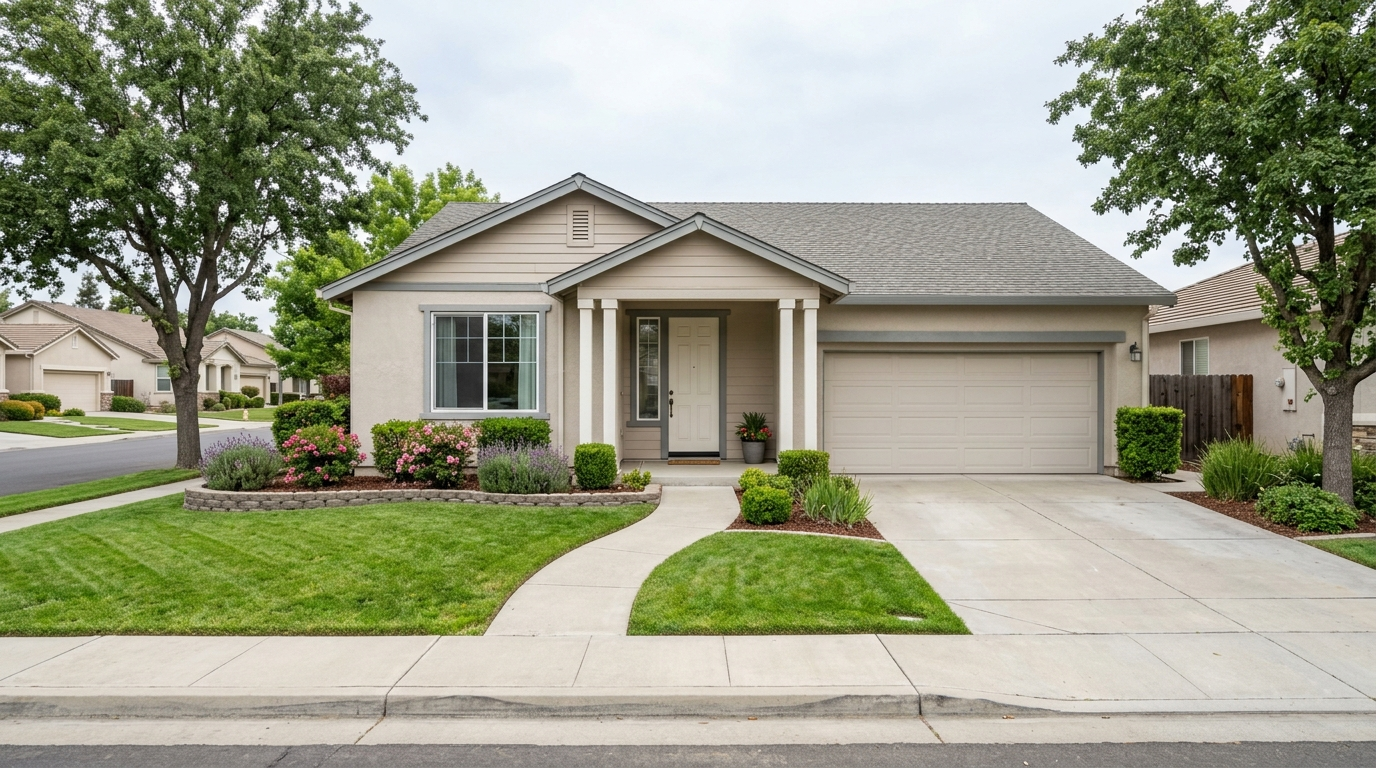
Selling a home during a divorce in Stockton works best when both spouses agree on an agent, a listing price, and a plan for splitting proceeds before the home ever hits the market. Jeremiah Patterson, REALTOR® with Cornerstone Real Estate Group, has guided San Joaquin County couples through this process, with listings that typically sell in a median of just 13 days.
TL;DR: A divorce sale in Stockton generally involves agreeing on a neutral agent, getting an accurate valuation, deciding how proceeds and remaining mortgage debt will be handled, and keeping the process as businesslike as possible. Courts often require the home to be sold as part of the settlement, and a smooth, fairly priced sale tends to benefit both parties.
Why Selling During a Divorce Is Different
A typical home sale involves one household making decisions together. A divorce sale involves two people who may not be on the same page about price, timing, or even whether to sell at all, while also managing the emotional weight of the situation. That's a lot to navigate at once, and it's part of why choosing the right agent matters more here than in a standard sale.
The good news is that the real estate side of a divorce doesn't have to be adversarial. A neutral, experienced agent who communicates equally and transparently with both spouses can keep the transaction moving on facts and market data rather than on old disagreements. Many homes across the Stockton market, in neighborhoods like Weston Ranch, Spanos Park, and Lincoln Village, sell well when priced accurately and presented cleanly, the market doesn't care about the backstory, only the condition and the price.
Do Both Spouses Have to Agree to Sell?
In most cases, yes, if both names are on title, both signatures are typically required to list and sell the home, unless a court order or divorce decree specifically grants one spouse authority to sell unilaterally. If you're unsure where things stand, that's a question for your family law attorney, not your real estate agent. Once both parties are aligned (or the court has ordered the sale), the real estate process itself works much like any other sale.
How Do You Choose a Neutral Agent?
Both spouses should feel like the agent is working for the sale, not for one side. A few things to look for:
- A track record of clear, documented communication. Everything (offers, price changes, repair requests) should be shared with both parties equally and in writing.
- Local market knowledge. An agent who knows recent sales on your specific street or in your specific Stockton zip code (95207, 95209, 95210, 95212, 95219) can price the home accurately, which reduces one of the biggest sources of conflict.
- Experience with sensitive situations. Divorce sales, like estate sales, require a calmer, more structured approach than a typical listing.
How Are Proceeds and Mortgage Debt Handled?
This is ultimately a legal and financial question that your attorneys, and often your divorce decree or settlement agreement, will spell out, but generally, sale proceeds pay off the remaining mortgage balance and closing costs first, with the net proceeds then divided according to the settlement terms. If there's a HELOC or second lien on the property, that gets paid off at closing too. Always confirm the specific division of proceeds with your family law attorney; a real estate agent can explain how the transaction works but cannot give legal advice on how funds should be split.
What If One Spouse Wants to Sell and the Other Doesn't?
This is one of the most common sources of delay. A few paths forward:
- A buyout, where one spouse refinances the home into their name alone and pays the other their share of the equity.
- A court-ordered sale, if the divorce decree requires it and the parties can't agree.
- A postponed sale, sometimes used when children are involved and one spouse stays in the home temporarily under a written agreement.
None of these are simple, and all of them are decisions for you and your attorney, but understanding the options up front can prevent the real estate side of things from becoming another point of conflict.
How the Sale Process Works, Step by Step
- Confirm authority to sell. Both names on title generally means both signatures are needed, unless a court order says otherwise, confirm with your attorney.
- Agree on an agent. Choose someone both parties are comfortable with, ideally based on experience and local results rather than a personal referral from just one side.
- Get an accurate valuation. A written home value report gives both spouses the same starting point, which reduces disagreements about price.
- Decide on repairs and presentation. Agree in writing on who handles what before listing, especially if one spouse has already moved out.
- List and market the home. Clear, consistent showing instructions matter more here, especially if both spouses still live in the home during the sale.
- Review and accept an offer together. Both parties should see all offers, not just a summary.
- Close escrow. Proceeds are distributed per the settlement agreement and escrow instructions.
Common Mistakes to Avoid
- Letting emotion drive the listing price. Overpricing to "win" or underpricing to "get it over with" both tend to backfire.
- Not agreeing on repair costs up front. Disputes over who pays for what repair can stall a sale for weeks.
- Using separate agents who compete against each other. This often confuses buyers and can violate the terms of a listing agreement.
- Skipping legal guidance on how proceeds will be split. Assume nothing, get it in writing with your attorney before escrow closes.
- Delaying the decision to sell. The longer a contested property sits, the more it typically costs both parties in carrying costs, taxes, and insurance.
A common situation is a couple who both still live in the home during the listing period and simply want clear, respectful communication and a fair process from their agent. Another common situation involves one spouse who has already relocated and needs an agent who can manage showings, repairs, and paperwork largely on their own while keeping both parties equally informed.
Frequently Asked Questions
Can one spouse sell the house without the other's consent? Generally not if both names are on title, unless a court order or the divorce decree grants one party that authority. This is a legal question specific to your case, so confirm with your family law attorney before taking any action.
Should we use one agent or two? Almost always one neutral agent representing the sale itself, not either spouse individually, works better. Two competing agents can create confusion for buyers and often complicates the listing agreement and commission structure.
What happens to the mortgage if we sell during the divorce? The remaining balance is typically paid off from sale proceeds at closing, just like in any home sale. Any second loans or HELOCs on the property are paid off the same way before remaining equity is divided.
Do we have to sell before the divorce is finalized? Not necessarily, some couples sell during the process, others wait until after finalization, and some agree to a buyout instead. This depends on your settlement terms, so confirm the timeline with your attorney.
How is the sale price decided when spouses disagree? A professional, data-based valuation from a local agent, sometimes combined with a formal appraisal, gives both sides an objective starting point that tends to reduce conflict over pricing.
Ready to Sell Your Stockton Home During a Divorce?
If you're navigating a divorce and need to sell your Stockton home, the most helpful first step is usually a private, judgment-free conversation about your timeline and goals, separate from the legal proceedings themselves. From there, a written valuation and a clear listing plan can help both parties move forward with confidence.
Jeremiah Patterson is a REALTOR® and Vice President at Cornerstone Real Estate Group (CA DRE #02017640), with 220+ closed transactions and more than $87 million in San Joaquin County sales since 2016. His listings sell in a median of 13 days, with 55% under contract within 14 days, and he holds a 5.0 rating across 180 verified reviews (RateMyAgent 72, Realtor.com 61, Google 32, Yelp 15). He's a Move-Up Specialist and works with out-of-state, remote, and inherited/estate sellers as well as first-time buyers across Lodi, Stockton, Woodbridge, Acampo, and San Joaquin County. He was named RateMyAgent County Top 5 for San Joaquin County five consecutive years (2022-2026) and is a Lifetime Member of the Lodi Association of REALTORS® Masters Club. Reach him at (209) 329-7238 or jeremiah@sellingsanjoaquin.com.
Get started with a free home evaluation, review the seller guide, look over this 14-day pre-listing prep checklist for Stockton sellers, or reach out directly through the contact page for a private conversation about your situation.
Jeremiah Patterson Cornerstone Real Estate Group 224 W Pine St, Lodi, CA 95240 Phone (209) 329-7238 Email jeremiah@sellingsanjoaquin.com CA DRE #02017640 · Brokerage DRE #01037761 Practicing since 2016
Categories
Recent Posts








GET MORE INFORMATION